Patella: An Evidence-Based Guide for Patients
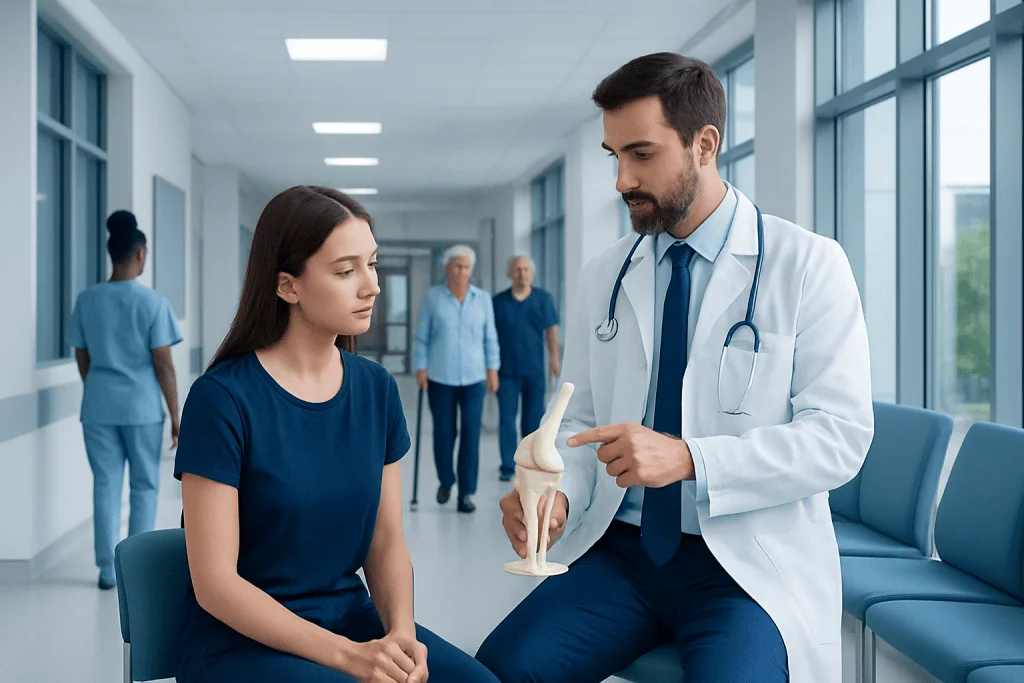
The patella protects the front of the knee and helps the quadriceps muscles extend the leg. Common patella problems include pain syndromes, dislocation, instability, tendon irritation, cartilage wear, and fractures.
Key Takeaways
- The patella protects the front of the knee and helps the quadriceps muscles extend the leg.
- Common patella problems include pain syndromes, dislocation, instability, tendon irritation, cartilage wear, and fractures.
- Symptoms such as swelling, locking, inability to bear weight, or a visibly deformed knee need prompt medical assessment.
- Diagnosis often includes a physical exam and imaging such as X-ray or MRI, depending on the suspected problem.
- Treatment ranges from rest and physiotherapy to bracing, medications, injections, or surgery in selected cases.
The patella is the kneecap, a small bone at the front of the knee that protects the joint and helps the thigh muscles straighten the leg efficiently. Problems affecting the patella can cause pain, swelling, instability, or difficulty moving the knee, but many conditions improve with accurate diagnosis and appropriate treatment.
What the patella is and why it matters
The patella is the kneecap, a flat, triangular bone that sits at the front of the knee joint. It is embedded within the quadriceps tendon and connects to the shinbone through the patellar tendon. In simple terms, it acts like a small shield for the knee while also improving the mechanical power of the thigh muscles during straightening of the leg.
Because the patella glides in a groove at the lower end of the thighbone, smooth movement depends on healthy cartilage, balanced muscles, stable ligaments, and good alignment of the leg. When any of these factors are disrupted, a person may develop pain, grinding, slipping, or weakness around the kneecap.
Patella-related symptoms are common in athletes, active adults, and people whose work involves frequent squatting, climbing, or kneeling. They can also affect children and teenagers during growth, as well as older adults with joint wear. Understanding the role of the patella helps explain why even a small problem in this area can affect walking, stairs, exercise, and daily comfort.
Common patella problems and symptoms
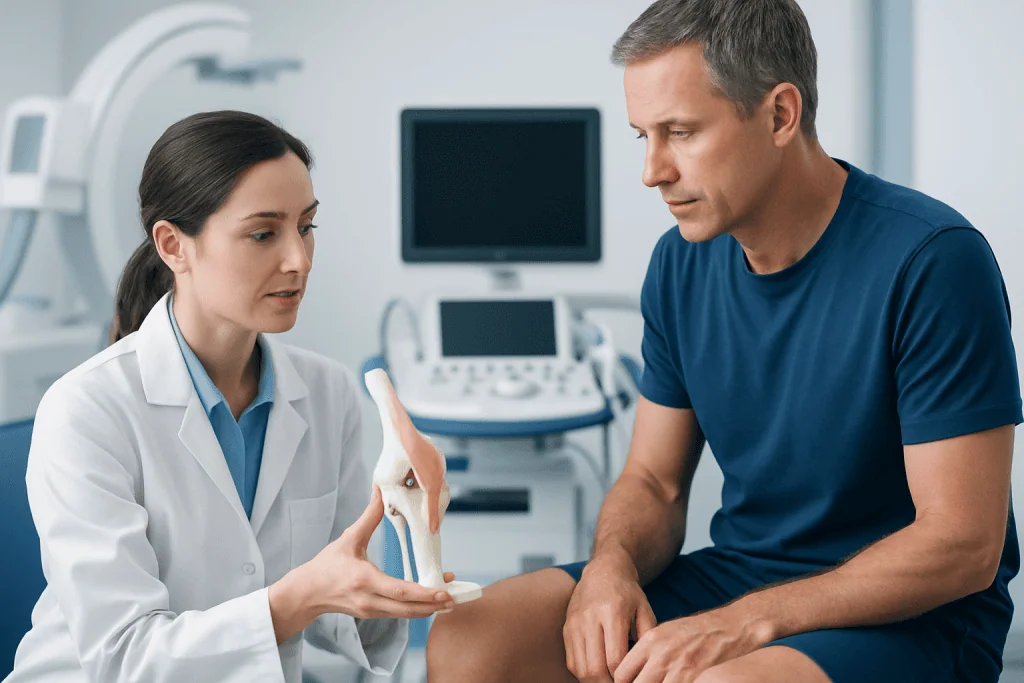
Patella problems do not all feel the same. Some mainly cause pain at the front of the knee, especially when using stairs, standing up from a chair, kneeling, or sitting for a long time with the knee bent. Others cause swelling, catching, a feeling that the kneecap is shifting out of place, or sudden pain after a fall or twist.
One common issue is patellofemoral pain, often described as aching behind or around the kneecap. Another is patellar instability, in which the kneecap partly slips or fully dislocates from its normal track. Tendon-related problems can cause tenderness just below or above the patella, especially in people who run or jump regularly. A direct blow or fall may lead to a patella fracture, which can make the knee painful and difficult to straighten.
Symptoms can include:
- Pain at the front of the knee
- Swelling or stiffness
- Clicking, grinding, or catching sensations
- A feeling that the kneecap moves or gives way
- Bruising after injury
- Difficulty climbing stairs, squatting, or kneeling
- Inability to straighten the knee or bear weight after trauma
Some of these symptoms may overlap with other knee conditions, including meniscus tears or ligament injuries. For that reason, persistent or severe knee symptoms should be assessed by a qualified clinician rather than self-diagnosed.
Why patella problems happen
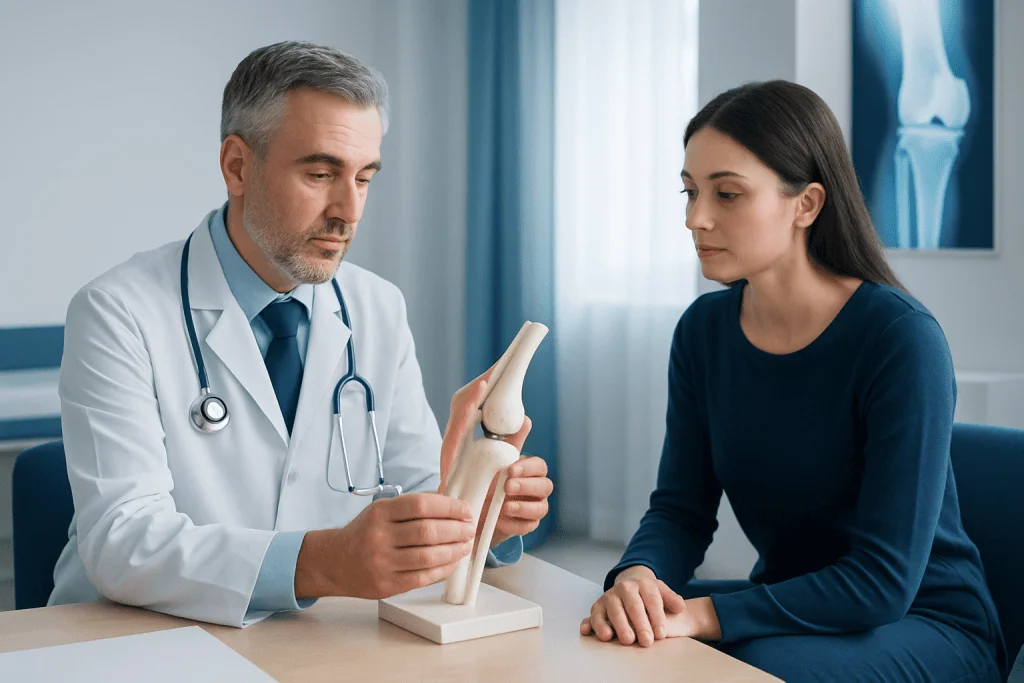
Patella problems may result from overuse, injury, alignment differences, muscle imbalance, or age-related wear. In many people, more than one factor is involved. Repeated stress from running, jumping, cycling, or deep knee bending can irritate the tissues around the kneecap. If the quadriceps, hip, and core muscles are not working in balance, the patella may not track smoothly within its groove.
Trauma is another important cause. A direct blow to the front of the knee, a sports collision, or a sudden twisting movement can dislocate the kneecap or fracture it. Some individuals are more prone to instability because of naturally looser ligaments, a shallow groove in the thighbone, previous dislocation, or certain leg alignment patterns.
Cartilage wear behind the kneecap can also contribute to pain and stiffness over time, especially in older adults or after previous injuries. Inflammatory conditions, though less common, may affect the knee joint and surrounding structures as well. People with excess body weight may place higher load through the joint, which can worsen symptoms during walking and stairs.
Risk can be higher in athletes, dancers, adolescents during growth spurts, people with previous knee injuries, and adults with poor muscle conditioning or repetitive occupational strain. Sometimes symptoms develop gradually without one clear injury, which can make early attention to movement patterns and strengthening especially helpful.
How doctors diagnose patella conditions
Diagnosis starts with a detailed history and physical examination. A doctor will ask when symptoms began, whether there was a fall or twist, which activities make the pain worse, and whether the knee locks, swells, or feels unstable. During the exam, they may check tenderness, kneecap movement, range of motion, muscle strength, leg alignment, and the way a person walks.
Imaging is often used when needed. X-rays are especially useful for evaluating bone position, fractures, and signs of arthritis. MRI can show cartilage, ligaments, tendons, and other soft tissues in more detail, which may help if instability, tendon injury, or internal joint damage is suspected. In some cases, ultrasound can help assess tendon problems.
Doctors also consider whether pain may be coming from nearby structures rather than the patella itself. Problems involving the cartilage surface, tendon attachments, or other parts of the knee can mimic kneecap pain. Relevant evaluations may overlap with those used for knee pain more broadly.
Accurate diagnosis matters because treatment depends on the exact cause. For example, a stable overuse problem may respond well to exercise therapy and load adjustment, while a displaced fracture or recurrent dislocation may require specialist orthopedic care.
Treatment options for patella problems
Treatment depends on the diagnosis, severity of symptoms, activity level, and whether the problem is new or ongoing. Many patella conditions improve with non-surgical care. This may include temporary activity modification, ice, short-term pain relief medicines when appropriate, physiotherapy, taping or bracing, and exercises to improve quadriceps, hip, and core strength. Stretching and movement retraining can help the kneecap track more smoothly.
For overuse pain or mild instability, a structured rehabilitation program is often central to recovery. A clinician may also advise footwear changes, a gradual return to sport, and practical ways to reduce strain during work or exercise. If inflammation is present, some people may benefit from carefully selected supportive treatments, which can be part of broader knee pain treatment.
More significant injuries sometimes need additional intervention. A patella fracture may require immobilization or surgery depending on whether the bone pieces are displaced and whether the knee can still be actively straightened. Recurrent dislocation or severe maltracking may lead an orthopedic specialist to consider procedures aimed at restoring alignment and stability, sometimes within the scope of knee surgery.
If advanced cartilage wear is contributing to chronic pain, management may focus on symptom control, exercise, weight management, and preserving function. In selected cases with broader joint degeneration, treatment planning may overlap with care for knee arthritis or include options discussed in robotic knee replacement evaluation for suitable patients. The best plan is individualized, and surgery is usually considered only after careful assessment of the cause and expected benefit.
Self-care, prevention, and recovery habits
Good self-care can support recovery and may reduce the chance of future patella problems. During painful flare-ups, reducing high-impact or deep-bending activities for a short period can help calm symptoms. Returning too quickly to running, jumping, or heavy leg training may delay healing, so activity increases are usually best made gradually.
Strengthening the quadriceps, hip muscles, and core often plays a major preventive role. Flexible calves, hamstrings, and thigh muscles can also support better knee mechanics. Many people benefit from a personalized exercise plan from a physiotherapist, especially if symptoms are recurrent or linked to sports.
Helpful habits may include:
- Warming up before exercise and building intensity gradually
- Using proper technique during squats, lunges, and jumping activities
- Wearing supportive footwear appropriate to the activity
- Maintaining a healthy body weight when possible
- Avoiding sudden spikes in training volume
- Taking persistent front-of-knee pain seriously rather than pushing through it
Recovery time varies. A mild overuse problem may improve within weeks with guided care, while a fracture or recurrent instability can take much longer. Patience, consistency with rehabilitation, and follow-up with a clinician are often key parts of a good outcome.
When to seek medical care
Medical attention is advisable if patella pain lasts more than a few days, keeps returning, or interferes with walking, work, sport, or sleep. It is also wise to seek assessment if the knee repeatedly swells, catches, feels unstable, or becomes difficult to fully bend or straighten.
Urgent medical care is important after a fall, direct blow, or twisting injury if there is severe pain, a visible change in kneecap position, rapid swelling, inability to bear weight, or inability to lift or straighten the leg. These signs can suggest dislocation, fracture, tendon rupture, or another significant injury that should not be treated at home alone.
Anyone with fever, marked redness, or warmth around the knee should also be assessed promptly, since infection or inflammatory disease may need timely treatment. Early evaluation can help protect joint function and reduce the risk of long-term problems.
For patients who need specialist assessment, Acibadem International’s multidisciplinary teams in JCI-accredited hospitals diagnose and treat patella and other knee conditions for international patients, with care guided by orthopedic, imaging, and rehabilitation expertise.
Frequently asked questions
Is the patella the same as the kneecap?
Yes. Patella is the medical name for the kneecap, the small bone at the front of the knee. It protects the joint and helps the thigh muscles straighten the leg more effectively.
Why does the patella hurt when climbing stairs or sitting for a long time?
This pattern is often linked to patellofemoral pain, where the tissues around or behind the kneecap become irritated. It can be related to overuse, muscle imbalance, tracking problems, or cartilage irritation, but a clinician should confirm the cause.
Can a dislocated patella heal without surgery?
In some cases, yes. A first-time dislocation may be treated with bracing, rest, and rehabilitation if the knee is stable and there are no major associated injuries. Surgery may be considered if dislocations recur or if there is significant damage to cartilage, bone, or stabilizing tissues.
How is a patella fracture treated?
Treatment depends on whether the broken bone pieces are still in good position and whether the person can actively straighten the knee. Some fractures can heal with immobilization and follow-up imaging, while others need surgery to restore alignment and knee function.
Can exercise help patella pain?
Yes, for many people, targeted exercise is one of the most effective treatments. Strengthening the quadriceps, hips, and core, along with flexibility and movement training, can improve kneecap tracking and reduce pain. Exercises should ideally be guided by a healthcare professional if symptoms are significant or persistent.
When should someone worry about patella symptoms?
A person should seek medical care if pain is severe, follows an injury, or comes with swelling, locking, deformity, or inability to bear weight. Ongoing or recurrent front-of-knee pain also deserves assessment, especially if it limits activity or does not improve with rest.
This article is for general information only and is not a substitute for professional medical advice. Please consult a qualified doctor about your individual situation.
Joint and spine care in Turkey — expert assessment & treatment
JCI-accredited · board-certified surgeons · reply within 24h
Add us as a Preferred Source to see more of our trusted health content across Google Search, AI Overviews and Discover.

More from the Health Library

Polyamory: What Patients Need to Know
Erogenous Zones: What Patients Need to Know

Insect Bites: What Patients Need to Know

Epidemic: A Complete Medical Overview
Chronic Stress: A Complete Medical Overview