Groin Strain Pull: What Patients Need to Know
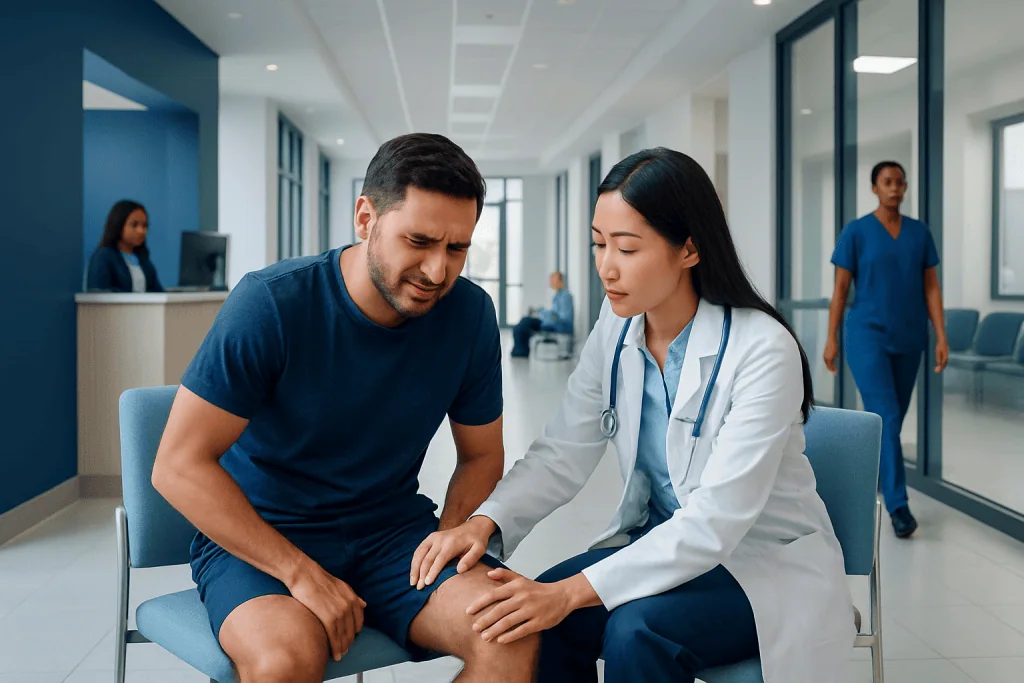
A groin strain pull affects the inner thigh muscles that help move and stabilize the hip. Common symptoms include pain, tenderness, swelling, weakness, and discomfort when walking or squeezing the legs together.
Key Takeaways
- A groin strain pull affects the inner thigh muscles that help move and stabilize the hip.
- Common symptoms include pain, tenderness, swelling, weakness, and discomfort when walking or squeezing the legs together.
- Mild strains often improve with rest, ice, and guided exercises, while severe tears may need specialist care.
- Early return to sport can delay healing and increase the chance of re-injury.
- Medical evaluation is important if pain is severe, there is significant bruising, or symptoms do not improve.
A groin strain pull is a stretch or tear in the muscles or tendons of the inner thigh, usually caused by sudden movement, overuse, or forceful sports activity. Most cases improve with rest, gradual rehabilitation, and time, but persistent pain or trouble walking should be assessed by a doctor.
What a groin strain pull means
A groin strain pull is an injury to one or more of the muscles or tendons on the inner side of the thigh. These tissues help bring the leg inward, stabilize the pelvis, and support movements such as running, turning, kicking, and changing direction. The injury can range from a small overstretch to a partial or complete tear.
People often use the terms “pulled groin” and “groin strain” to mean the same thing. In practical terms, both describe damage to the adductor muscle group, most commonly after a sudden movement or repeated overload. Symptoms may begin sharply during activity or build gradually after training, exercise, or physical work.
Although this injury is common in sports such as football, hockey, tennis, and running, it can also happen during everyday activities. A slip, awkward step, lifting movement, or sudden twist may be enough to strain the area, especially if the muscles are tight or fatigued.
Most groin strains heal without surgery, but recovery time varies. A mild strain may settle within a few weeks, while a more significant tear can take longer and may need physical therapy and rehabilitation to restore strength, flexibility, and confidence in movement.
Symptoms and how they may feel
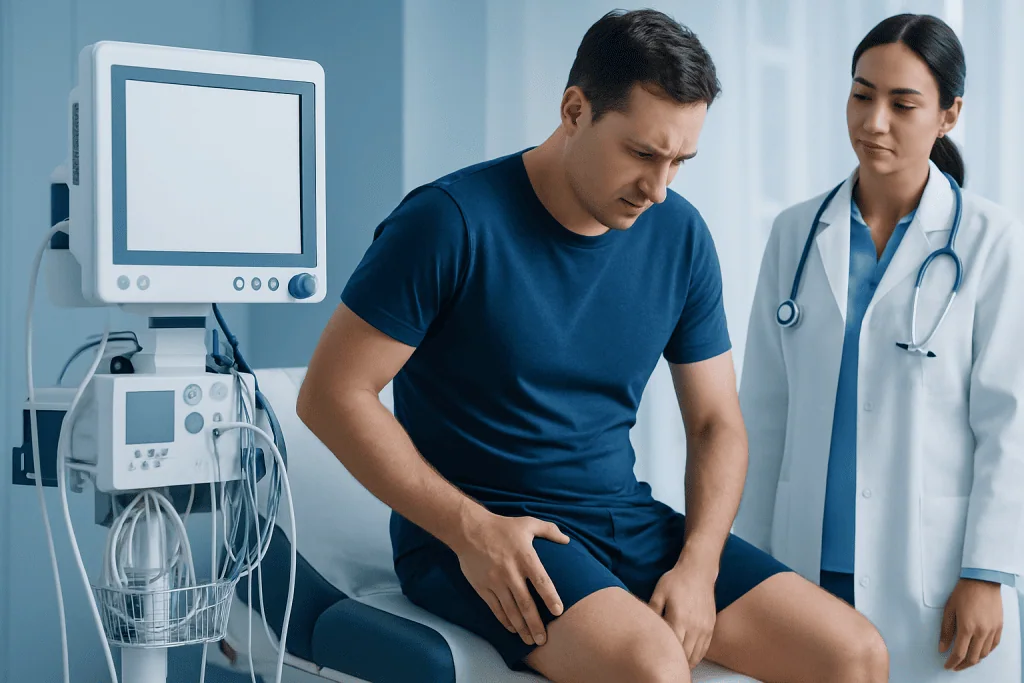
The most common symptom of a groin strain pull is pain along the inner thigh or where the thigh meets the pelvis. Some people feel a sudden sharp pain at the time of injury, while others notice aching, tightness, or soreness that worsens with activity. Pain often increases when walking quickly, climbing stairs, sprinting, kicking, or squeezing the knees together.
Other symptoms can include tenderness to touch, mild swelling, bruising, muscle weakness, and a feeling of stiffness in the hip or upper leg. In more severe strains, it may be hard to continue activity or even walk normally. A popping sensation at the time of injury can suggest a more significant tear.
Doctors often describe strains by severity rather than by symptoms alone. A mild strain causes discomfort but little loss of function. A moderate strain causes clearer pain and weakness, and movement becomes more difficult. A severe strain may involve a major tear, obvious bruising, and marked difficulty putting weight on the leg.
Groin pain does not always come from a strain. Problems such as hip joint irritation, a sports hernia, tendon conditions, or hip pain from another cause can produce similar symptoms. This is one reason ongoing or unclear groin pain should be checked by a qualified clinician.
Why it happens: causes and risk factors
A groin strain pull usually happens when the inner thigh muscles are forced to contract suddenly while lengthening at the same time. This can occur during quick direction changes, overstretching, lunging, kicking, sliding, jumping, or accelerating and stopping rapidly. Fatigue can reduce muscle control and make an injury more likely.
Several factors can raise the risk. These include poor warm-up habits, reduced flexibility, weak hip and core muscles, previous groin injury, and a rapid increase in training intensity. Muscle imbalance between the inner thigh muscles and the surrounding hip muscles may also place extra load on the groin.
Training surface, footwear, and sport-specific demands can contribute as well. Activities that involve repeated cutting, pivoting, or skating often place high stress on the adductors. Even outside sports, lifting with twisting or sudden awkward movements can lead to strain, especially in people who have been less active.
Sometimes groin pain is part of a broader movement issue involving the pelvis, lower abdomen, or hip. If symptoms keep recurring, doctors may also consider related conditions such as sports injuries affecting nearby muscles, tendons, or joints.
How doctors diagnose a groin strain pull
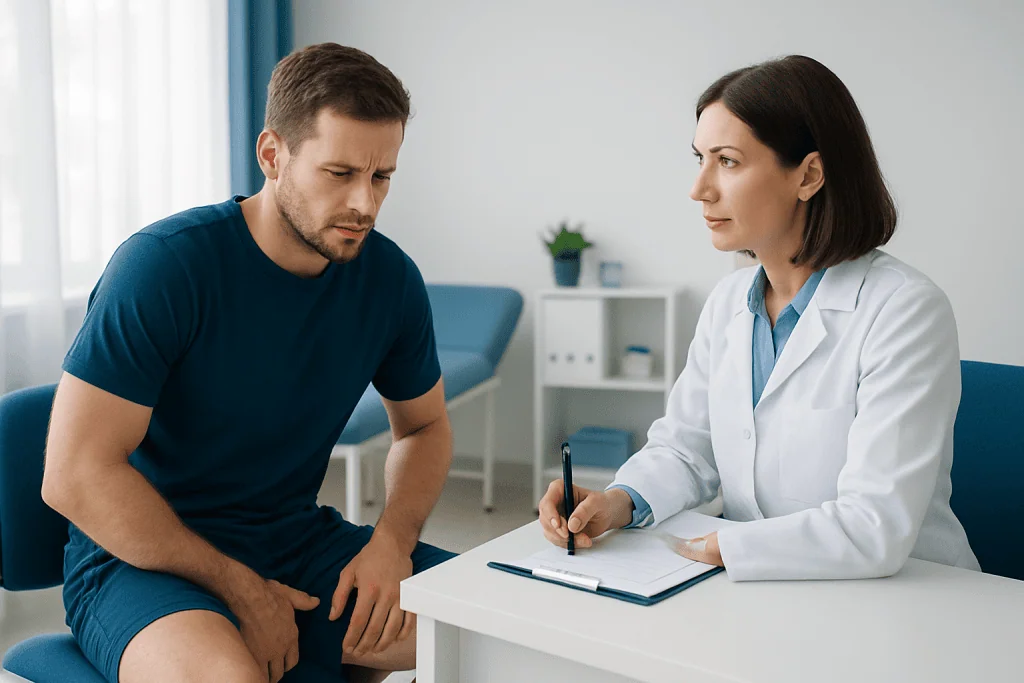
Diagnosis starts with a medical history and physical examination. The doctor will usually ask when the pain began, whether there was a sudden injury, what movements make it worse, and whether there is bruising, weakness, or trouble walking. During the examination, the groin and inner thigh may be gently pressed to locate tenderness.
Movement and strength tests help identify the injured structure. Pain when bringing the leg inward against resistance is a common finding. The doctor may also assess the hip, lower back, abdomen, and pelvis to make sure another condition is not the main cause of symptoms.
Imaging is not always needed for a mild, straightforward strain. However, ultrasound or MRI may be recommended if the pain is severe, if a larger tear is suspected, if symptoms are not improving, or if the diagnosis is uncertain. Imaging can help distinguish a muscle strain from tendon injury, avulsion injury, or another cause of groin pain.
If symptoms point to a bone, joint, or more complex soft-tissue problem, the care team may arrange further evaluation through orthopedic and traumatology services. The goal is not simply to label the injury, but to understand its severity and plan the safest return to activity.
Treatment and recovery
Treatment depends on how severe the strain is, how long symptoms have been present, and the person’s activity level. In the early phase, doctors usually recommend relative rest, avoiding the movements that trigger pain, and using ice packs for short periods to help reduce discomfort. Gentle walking may be encouraged if it can be done without worsening symptoms.
Recovery is usually more successful when rest is followed by a gradual rehabilitation plan rather than complete inactivity for too long. As pain begins to settle, treatment often focuses on restoring range of motion, improving hip and groin strength, and correcting movement patterns that may have contributed to the injury. This can include stretching, controlled strengthening, balance work, and a step-by-step return to sport or exercise.
Pain-relieving medicines may sometimes be used for a short time if a doctor advises them, but they do not replace rehabilitation. Massage, taping, or supportive garments may help some people, although the core of treatment remains protecting the area early on and then rebuilding strength carefully. Returning to activity before pain and strength have improved can increase the risk of a repeat strain.
Severe tears are less common, but they may require specialist review. In selected cases, particularly when there is major tissue disruption or persistent functional limitation, doctors may discuss advanced treatment options and imaging-guided plans. If another problem is found, such as significant tendon or muscle injury, tailored care through sports medicine may be helpful.
Self-care and ways to help prevent another strain
At home, it helps to reduce activities that sharply increase groin pain, especially sprinting, sudden turning, deep side lunges, or forceful kicking. Ice may be soothing in the first day or two, and some people find that light compression shorts provide comfort. The injured area should not be pushed aggressively in the early stage.
Once pain starts to improve, gradual movement is important. Gentle mobility work and progressive strengthening are generally more useful than complete rest for long periods. A rehabilitation professional can show exercises that target the adductors, hip stabilizers, gluteal muscles, and core, because these groups work together during walking, running, and athletic movement.
Prevention usually focuses on preparation and load management. Helpful strategies include warming up before exercise, increasing training intensity gradually, strengthening the hips and core, and addressing previous injuries fully before returning to full activity. Athletes often benefit from sport-specific drills that retrain cutting, pivoting, and acceleration in a controlled way.
Hydration, sleep, and general conditioning also matter. Muscles under repeated fatigue may be more vulnerable to strain. For people with recurrent symptoms, a medical review can help identify whether the issue is truly a groin strain pull or a different source of pain that needs another approach.
When to seek medical care
Medical care is advisable if the pain is severe, if walking is difficult, if there is a large area of bruising or swelling, or if a popping sensation was felt during the injury. These features can suggest a more significant tear or another injury that needs proper assessment.
It is also important to seek care if symptoms do not improve after several days of rest and self-care, or if pain keeps returning with activity. Ongoing groin pain may be related to the hip joint, the abdominal wall, tendons, or other nearby structures rather than a simple strain.
Urgent evaluation is especially important if groin pain occurs with fever, a visible lump, numbness, severe testicular pain, inability to bear weight, or pain after a major fall or collision. These symptoms may point to conditions other than a routine muscle strain.
For international patients who need specialist assessment, Acibadem International’s multidisciplinary teams in JCI-accredited hospitals evaluate musculoskeletal injuries and create personalized treatment plans. A doctor can help confirm the diagnosis, guide recovery, and advise when it is safe to return to work, exercise, or sport.
Frequently asked questions
How long does a groin strain pull take to heal?
Healing time depends on the severity of the injury. A mild strain may improve within a few weeks, while a moderate or severe tear can take several weeks or longer. Recovery is usually faster and safer when activity is resumed gradually rather than too soon.
Should a person walk with a groin strain pull?
Light walking is often acceptable if it does not significantly increase pain or cause limping. If walking is painful, the person should reduce activity and seek medical advice. A doctor or rehabilitation specialist can suggest the safest level of movement.
What is the difference between a groin strain and a hernia?
A groin strain involves injury to muscles or tendons in the inner thigh. A hernia happens when tissue pushes through a weak area in the abdominal wall, often causing a bulge. Because symptoms can overlap, medical evaluation may be needed to tell them apart.
Can a groin strain pull heal on its own?
Many mild groin strains improve with rest, time, and gradual rehabilitation. However, healing may be slower or incomplete if the person returns to sport too early or if the diagnosis is incorrect. Persistent pain should be assessed by a clinician.
Is stretching good for a pulled groin?
Gentle stretching may help later in recovery, but aggressive stretching too early can irritate the injury. In the first stage, the main goal is to reduce pain and protect the area. A guided rehabilitation plan is usually the safest way to reintroduce stretching.
When can someone return to sports after a groin strain pull?
Return to sport should happen only when pain is minimal, strength has recovered, and sport-specific movements can be performed comfortably. This often includes running, cutting, or kicking without symptoms. A clinician or physiotherapist can help judge readiness and reduce re-injury risk.
References
- American Academy of Orthopaedic Surgeons
- National Institute of Arthritis and Musculoskeletal and Skin Diseases
- American College of Sports Medicine
- NHS
- Mayo Clinic
This article is for general information only and is not a substitute for professional medical advice. Please consult a qualified doctor about your individual situation.
Joint and spine care in Turkey — expert assessment & treatment
JCI-accredited · board-certified surgeons · reply within 24h
Add us as a Preferred Source to see more of our trusted health content across Google Search, AI Overviews and Discover.

More from the Health Library

Splenic Flexure: An Evidence-Based Guide for Patients
Vad Ventricular — Explained by Medical Evidence, Not Myths

Naltrexone for Alcohol: A Complete Medical Overview

Healthier — Explained by Medical Evidence, Not Myths

Thyroid Hormones — Explained by Medical Evidence, Not Myths