

Luteinizing Hormone: What Patients Need to Know

Luteinizing hormone is made by the pituitary gland and acts on the ovaries or testes. In females, luteinizing hormone triggers ovulation; in males, it supports testosterone production.
Key Takeaways
- Luteinizing hormone is made by the pituitary gland and acts on the ovaries or testes.
- In females, luteinizing hormone triggers ovulation; in males, it supports testosterone production.
- A luteinizing hormone test is interpreted alongside age, sex, symptoms, and other hormone tests.
- High or low luteinizing hormone can be linked to pituitary, ovarian, testicular, or hypothalamic conditions.
- Treatment depends on the cause and may involve monitoring, medicines, or fertility-focused care.
Luteinizing hormone is a key reproductive hormone that helps regulate ovulation in females and testosterone production in males. When luteinizing hormone levels are too high or too low, they can affect puberty, menstrual cycles, fertility, sexual function, and overall hormone balance.
Overview: what luteinizing hormone does
Luteinizing hormone, often called LH, is a hormone made by the pituitary gland, a small gland at the base of the brain. It works as part of the body’s hormone signaling system, sending messages to the ovaries in females and the testes in males. These signals help control important reproductive functions throughout life.
In females, luteinizing hormone plays a central role in the menstrual cycle. A rise in LH helps trigger ovulation, which is the release of an egg from the ovary. After ovulation, LH also supports the production of progesterone, a hormone that helps prepare the uterus for a possible pregnancy.
In males, luteinizing hormone stimulates cells in the testes to produce testosterone. Testosterone is essential for sperm production, sexual development, muscle and bone health, and other normal body functions. In children and adolescents, LH also helps guide the timing and progression of puberty.
Because LH works closely with other hormones, including follicle-stimulating hormone (FSH), estrogen, progesterone, and testosterone, one test result alone does not usually tell the full story. Doctors interpret luteinizing hormone levels in the context of symptoms, age, sex, menstrual status, and related hormone tests.
Why luteinizing hormone matters for fertility and general health
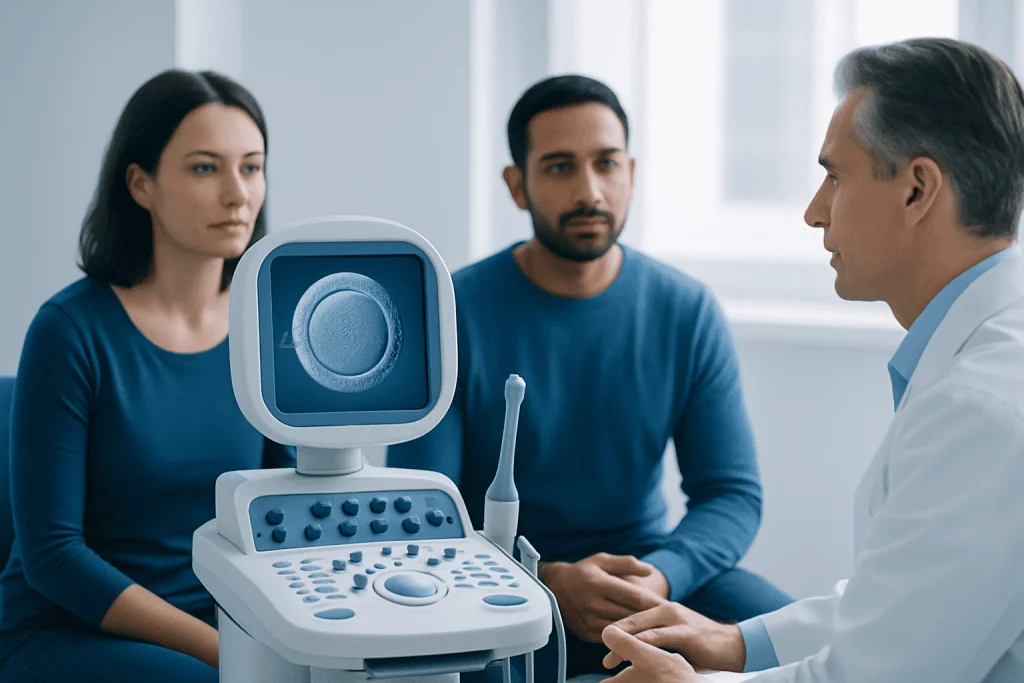
Luteinizing hormone is often discussed in relation to fertility, but its importance goes beyond trying to conceive. Regular LH signaling supports normal menstrual cycles, ovulation, sperm production, and puberty. Changes in LH can also offer clues about how the pituitary gland, hypothalamus, ovaries, and testes are functioning together.
For people trying to become pregnant, LH helps indicate whether ovulation is likely to happen. Ovulation predictor kits work by detecting the LH surge in urine. However, these home tests are different from a medical blood test, which measures LH more precisely and is used to investigate symptoms or fertility concerns.
Abnormal luteinizing hormone levels can also be linked to broader hormone disorders. For example, LH changes may be seen in polycystic ovary syndrome, some pituitary conditions, early or delayed puberty, menopause, or testicular dysfunction. In this way, LH is not just a fertility hormone; it can be a useful window into endocrine and reproductive health.
It is also normal for LH to vary naturally. In menstruating females, levels change across the cycle and briefly peak around ovulation. In menopause, LH typically rises because the ovaries become less responsive to pituitary signals. Understanding these normal patterns helps prevent confusion when reading test results.
Symptoms that may suggest an LH imbalance

Abnormal luteinizing hormone levels do not always cause symptoms by themselves. Often, symptoms come from the underlying condition that is affecting the hormone system. The exact signs can differ depending on a person’s age, sex, and whether LH is too high or too low.
In females, possible signs include irregular periods, absent periods, difficulty becoming pregnant, lack of ovulation, or symptoms of menopause occurring earlier than expected. Some may also notice acne, unwanted hair growth, or weight-related changes when LH imbalance is part of a broader condition such as PCOS.
In males, low testosterone related to abnormal LH signaling may lead to reduced libido, erectile difficulties, low energy, reduced muscle mass, infertility, or changes in mood. In boys, delayed or absent puberty may prompt hormone evaluation. In girls, puberty that starts unusually early or late may also lead to LH testing.
Symptoms that can sometimes be associated with hormone imbalance include:
- Irregular, very light, or missed menstrual periods
- Trouble becoming pregnant
- Hot flashes or signs of early menopause
- Low sex drive
- Erectile dysfunction
- Reduced facial or body hair growth in males
- Early or delayed puberty
- Unexplained fatigue or hormone-related mood changes
Causes of high or low luteinizing hormone
High or low luteinizing hormone can happen for many reasons. Sometimes the problem starts in the ovaries or testes, which may not respond normally to pituitary signals. In other cases, the issue begins in the hypothalamus or pituitary gland, which are the control centers that regulate hormone release.
High LH may occur when the ovaries or testes are not functioning as expected, so the pituitary tries to compensate by sending stronger signals. This can be seen in menopause, primary ovarian insufficiency, some genetic conditions, and some forms of testicular failure. In females, high LH relative to FSH can also be seen in PCOS, although diagnosis depends on a full clinical evaluation, not one number alone.
Low LH may suggest that the hypothalamus or pituitary is not sending enough stimulation. This can be related to chronic illness, significant stress, excessive exercise, low body weight, eating disorders, pituitary disorders, or certain medicines. Problems affecting the brain’s hormone centers may reduce LH along with other pituitary hormones.
Common causes doctors may consider include:
- Normal menstrual cycle changes or menopause
- Polycystic ovary syndrome
- Primary ovarian insufficiency
- Hypothalamic amenorrhea from stress, weight loss, or intense exercise
- Pituitary gland disorders
- Testicular dysfunction or injury
- Early or delayed puberty
- Certain genetic or chronic medical conditions
How luteinizing hormone is tested and interpreted
A luteinizing hormone test is usually done with a blood sample. In some situations, urine LH testing is also used, especially to identify the ovulation surge at home. Medical testing is more comprehensive and may be ordered when a person has irregular periods, infertility, signs of menopause, delayed puberty, low testosterone symptoms, or suspected pituitary disease.
Doctors rarely interpret LH in isolation. They often combine it with other blood tests, such as FSH, estradiol, progesterone, testosterone, prolactin, thyroid hormones, and sometimes anti-Müllerian hormone or semen analysis, depending on the concern. In females, the timing of the test within the menstrual cycle can affect the result, so the doctor may advise a specific day for testing.
If fertility is a concern, the evaluation may also include pelvic ultrasound or a broader reproductive workup through IVF and fertility assessment services. When pituitary or brain-related causes are suspected, imaging such as MRI scanning may help identify structural problems. In males with suspected gonadal problems, a detailed examination and hormone profile are often needed.
Results are considered normal or abnormal only in context. A level that is expected for one person may be unusual for another, depending on age, puberty stage, menstrual status, or whether the person is taking hormonal medication. For that reason, patients should review results with a qualified doctor rather than trying to interpret a single number on their own.
Treatment options depend on the underlying cause
There is no single treatment that “fixes” luteinizing hormone for everyone. Care is based on why the level is abnormal and whether it is causing symptoms, fertility problems, or changes in puberty or sexual health. Some people need only monitoring, while others benefit from targeted treatment for a specific hormone or reproductive condition.
When LH imbalance is related to lifestyle factors such as low energy intake, high physical stress, or significant weight loss, supportive changes in nutrition, exercise balance, and overall health may help restore normal hormone signaling. If a medicine is affecting hormone levels, a doctor may review whether an alternative is appropriate. Pituitary or thyroid problems may require treatment of the underlying endocrine disorder.
For fertility concerns, treatment may involve ovulation induction, cycle monitoring, treatment for PCOS, or assisted reproductive approaches such as in vitro fertilization. In males, treatment may focus on the cause of low testosterone or impaired sperm production rather than LH alone. If a structural issue is suspected, specialist imaging or procedures may be needed.
When an anatomical condition contributes to fertility or reproductive symptoms, doctors may also consider procedures such as hysteroscopy in selected patients. Near the end of evaluation and treatment planning, some international patients choose centers such as Acibadem International, where multidisciplinary specialists in endocrinology, gynecology, urology, radiology, and fertility care work in JCI-accredited hospitals.
Self-care, monitoring, and hormone health habits
Self-care cannot replace medical diagnosis, but it can support hormone health and help patients prepare for a more effective consultation. Keeping track of menstrual cycles, ovulation patterns, symptoms, medicines, and any major weight or exercise changes can give useful information to the doctor. People trying to conceive may find cycle charting or ovulation tracking helpful, although these tools do not diagnose the cause of infertility.
General habits that support reproductive and endocrine health include balanced nutrition, regular but not excessive exercise, good sleep, stress management, and avoiding tobacco. Very restrictive dieting, rapid weight changes, and overtraining can interfere with normal hypothalamic and pituitary signaling, especially in people prone to menstrual irregularity.
It is also important to use hormone-related supplements, over-the-counter products, or online fertility advice cautiously. Some products may not be evidence-based, and some can interfere with testing or treatment. Patients should tell their doctor about all medicines and supplements they take before hormone testing.
If a doctor recommends repeat testing, follow-up matters because LH levels can change over time. A single result may reflect a temporary phase of the cycle or a short-term health stressor. Repeat blood work, symptom review, and related tests often provide a clearer picture than one isolated measurement.
When to seek medical care
Medical advice is important when symptoms suggest that hormone balance may be affecting reproductive or general health. Patients should consider seeing a doctor if they have missed periods, very irregular cycles, trouble conceiving, signs of early menopause, delayed puberty, or symptoms of low testosterone such as low libido, erectile dysfunction, or unexplained fatigue. Early evaluation can help identify whether the issue is temporary, functional, or related to a treatable medical condition.
Parents should seek medical assessment if a child shows signs of puberty much earlier or later than expected. Adults should also arrange care if they develop new headaches, vision changes, milk discharge from the breast outside pregnancy or breastfeeding, or other symptoms that might suggest a pituitary problem. These symptoms do not always mean a serious illness, but they deserve proper evaluation.
Urgent care is appropriate for severe pelvic pain, sudden testicular pain, heavy vaginal bleeding, fainting, or any rapidly worsening symptoms. People who are pregnant or think they may be pregnant should contact a healthcare professional promptly if they have concerning symptoms. A doctor can decide which hormone tests, imaging studies, or specialist referrals are most appropriate.
For many patients, a family doctor, gynecologist, urologist, endocrinologist, or fertility specialist can guide the next steps. The goal is not only to explain the luteinizing hormone result but also to understand the broader reason behind it and choose care that fits the patient’s symptoms, stage of life, and reproductive goals.
Frequently asked questions
What is luteinizing hormone in simple terms?
Luteinizing hormone is a messenger hormone made by the pituitary gland. It tells the ovaries to release an egg in females and tells the testes to make testosterone in males. It is an important part of fertility, puberty, and reproductive hormone balance.
What does a high luteinizing hormone level mean?
A high luteinizing hormone level can mean the ovaries or testes are not responding normally, so the pituitary sends a stronger signal. It may also be normal in certain situations, such as around ovulation or after menopause. The meaning depends on age, sex, symptoms, and other hormone results.
What does a low luteinizing hormone level mean?
Low luteinizing hormone may suggest that the hypothalamus or pituitary is not sending enough stimulation to the ovaries or testes. This can happen with stress, low body weight, excessive exercise, chronic illness, pituitary disorders, or some medicines. A doctor usually checks other hormones to understand the cause.
Can luteinizing hormone affect fertility?
Yes. In females, luteinizing hormone helps trigger ovulation, and in males it supports testosterone production and sperm development. If LH signaling is disrupted, it can contribute to difficulty conceiving, but fertility depends on many hormones and organs working together.
Is a home ovulation test the same as a luteinizing hormone blood test?
No. Home ovulation tests detect the LH surge in urine to help estimate the fertile window. A medical blood test measures luteinizing hormone more directly and is used to evaluate symptoms, reproductive function, or hormone disorders.
When should someone ask for a luteinizing hormone test?
A doctor may order a luteinizing hormone test for irregular or absent periods, infertility, suspected menopause, delayed or early puberty, or symptoms of low testosterone. It can also be used when a pituitary or hypothalamic problem is suspected. The test is most useful when combined with a clinical evaluation and other hormone tests.
References
- National Institutes of Health
- MedlinePlus
- Merck Manual Consumer Version
- American Society for Reproductive Medicine
- Endocrine Society
This article is for general information only and is not a substitute for professional medical advice. Please consult a qualified doctor about your individual situation.
IVF & fertility treatment in Turkey — success rates and costs
JCI-accredited · board-certified surgeons · reply within 24h
Add us as a Preferred Source to see more of our trusted health content across Google Search, AI Overviews and Discover.
Check your numbers in seconds
BMI, calories, due date, blood pressure and 30+ more clinical calculators — free, instant, doctor-reviewed ranges.

More from the Health Library



Related Specialists

Dr. Mehmet Gürcan
Orthopedic Surgery & Traumatology
Dr. Ersen Hürmüzlü
Infectious Diseases & Clinical Microbiology
Dr. Gülçin Taşkın Ak
Internal Medicine
Dr. Murat Aydın
Pediatrics