How to Last Longer in Bed? A Doctor-Reviewed Answer

Occasional difficulty lasting longer during sex is common and is often related to stress, excitement, or fatigue rather than disease. A doctor may look for premature ejaculation, erection problems, medication side effects, anxiety, relationship stress, or hormone and urinary symptoms.
Key Takeaways
- Occasional difficulty lasting longer during sex is common and is often related to stress, excitement, or fatigue rather than disease.
- A doctor may look for premature ejaculation, erection problems, medication side effects, anxiety, relationship stress, or hormone and urinary symptoms.
- Behavioral techniques, pelvic floor training, condoms, lubrication, and counseling can help many people improve control and confidence.
- Medical review is important if the problem is persistent, causes distress, starts suddenly, or occurs with pain, erection changes, or urinary symptoms.
- Treatment depends on the cause and may include sex therapy, treatment for erectile dysfunction, or care for underlying urologic or mental health conditions.
Many people who ask how to last longer in bed do not have a serious medical problem. In many cases, sexual timing improves with practical techniques, lower performance pressure, and medical care when early ejaculation, erection difficulties, pain, or distress are present.
Overview: What it usually means
For many adults, wondering how to last longer in bed reflects a common and often harmless concern rather than a dangerous illness. Sexual timing varies widely from person to person and from one experience to another. Stress, excitement, a new relationship, tiredness, alcohol, infrequent sex, and performance pressure can all shorten the time before ejaculation or make erections harder to maintain.
Doctors usually focus less on an exact number of minutes and more on whether the pattern is persistent, difficult to control, and distressing. If ejaculation happens sooner than desired on a regular basis, especially soon after penetration or before a person wants it to happen, clinicians may consider premature ejaculation. If the main issue is losing firmness before or during sex, the concern may be more related to erectile dysfunction. Sometimes both occur together.
A reassuring starting point is that improvement is often possible. Many people benefit from education, communication with a partner, simple exercises, and treatment for any medical or emotional factors that contribute. When needed, a doctor can help identify whether the problem is a normal variation, a learned pattern, or a symptom linked to another health issue.
Common reasons sex may end sooner than desired
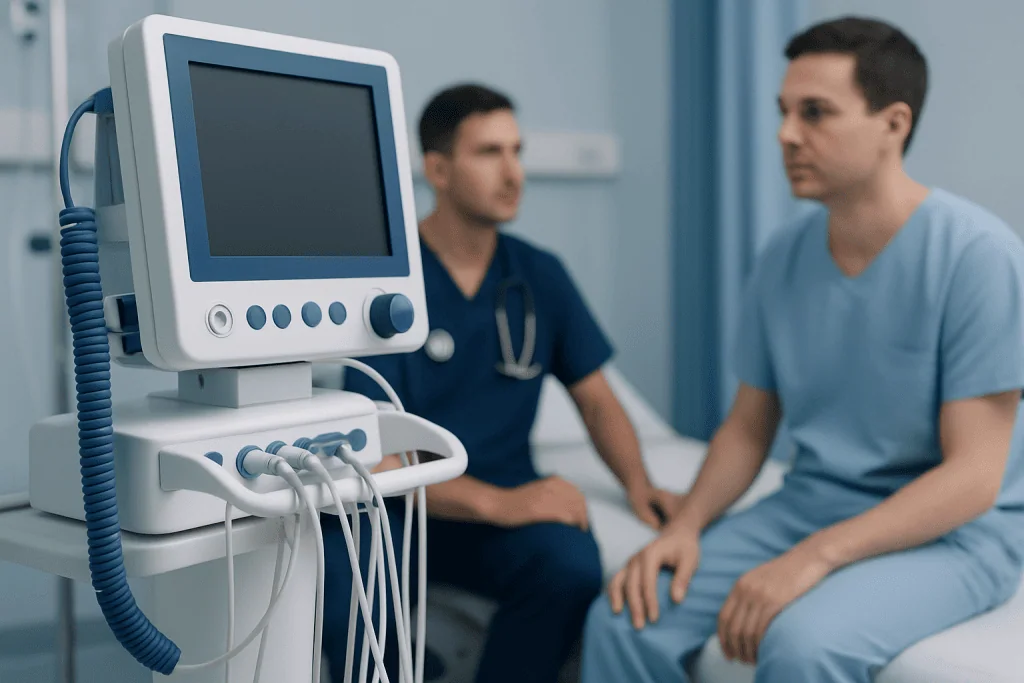
One of the most frequent medical explanations is premature ejaculation, which means ejaculation happens sooner than a person wishes and there is reduced sense of control. It can be lifelong, beginning with early sexual experiences, or acquired later after a period of typical function. Some people notice it in nearly every sexual situation, while others mainly experience it with intercourse but not masturbation.
Psychological factors are also very common. Anxiety about sexual performance, pressure to satisfy a partner, relationship conflict, guilt, depression, and past negative experiences can make arousal rise very quickly. In this cycle, worrying about lasting longer can itself make the problem more likely to happen again.
Physical factors may contribute too. Erection problems can lead a person to rush intercourse before losing firmness. Certain medications, heavy alcohol use, recreational drugs, sleep loss, chronic stress, and pain or irritation in the genital area can affect sexual control. Some men also have pelvic floor muscle tension or poor awareness of the body signals that happen just before ejaculation.
Less commonly, hormonal changes, prostate symptoms, thyroid disorders, or nerve-related conditions may play a role. That is why a persistent change, especially one that starts suddenly after a period of normal function, deserves a medical review rather than self-blame.
Practical ways to last longer in bed

Simple behavioral strategies are often the first step. The stop-start method involves pausing stimulation when the feeling of imminent ejaculation rises, then resuming once that feeling settles. The squeeze technique is another option, using brief pressure to reduce arousal before continuing. These methods may feel awkward at first, but many couples find they become easier with practice and good communication.
Condoms can help some people by slightly reducing sensation. Extra lubrication may also improve comfort and reduce the urge to rush, especially if friction or dryness is part of the problem. Slowing the pace, changing positions, taking breaks, and focusing on a broader sexual experience rather than penetration alone can reduce pressure and improve satisfaction for both partners.
Pelvic floor exercises may help selected people, especially when guided by a clinician or physiotherapist who understands male pelvic health. Relaxation is as important as strength, because over-tightening can sometimes worsen control. Mindfulness-based techniques, slower breathing, and learning to recognize the body’s arousal stages can help a person respond before reaching the point of no return.
For some men, improving erection confidence also helps them last longer. When erectile difficulties are part of the picture, a doctor may evaluate whether erectile dysfunction treatment would be appropriate alongside counseling or behavioral methods.
How doctors assess the problem
A medical visit usually begins with a detailed but respectful conversation. The doctor may ask when the issue started, how often it happens, whether it occurs with every partner or situation, and whether erections are adequate. They often ask about medications, alcohol or drug use, urinary symptoms, mood, sleep, relationship stress, and any pain with sex or ejaculation.
It can help to describe whether the main concern is ejaculating too quickly, losing an erection, reduced desire, genital pain, or trouble reaching orgasm. These are different concerns and may need different approaches. The doctor may also ask whether the pattern has been present since first sexual activity or developed later in life.
A physical examination may be recommended, particularly if symptoms are new, persistent, or linked to pain, curvature, testicular changes, or urinary complaints. Depending on the history, the clinician may look for signs of hormone problems, prostate or pelvic issues, nerve conditions, or vascular disease. In some cases, blood tests are used to check factors such as blood sugar, thyroid function, or hormone levels.
If concerns point toward a urologic condition, a doctor may evaluate for problems such as prostate-related disease or inflammation when clinically appropriate, though these are not the usual cause of short sexual duration. The goal of assessment is not to judge performance, but to identify treatable contributors and tailor support safely.
Treatment options that may help
Treatment depends on the cause. If premature ejaculation is the main diagnosis, doctors often recommend a combination of education, behavioral exercises, and counseling. Sex therapy can be particularly helpful when anxiety, avoidance, relationship strain, or unhelpful expectations are involved. Therapy may be individual or partner-based and often focuses on reducing pressure and rebuilding confidence.
Some people may benefit from medications prescribed by a clinician, but these are not right for everyone and should not be self-started without guidance. A doctor will consider other health conditions, possible side effects, and whether the issue is ejaculation, erection quality, or both. If erectile dysfunction contributes, treatment for that problem may improve overall control and satisfaction.
When a physical contributor is suspected, care is directed at that issue. This might include management of thyroid disease, diabetes, depression, pelvic pain, or urinary symptoms. In certain situations, urologic evaluation is useful, especially if there is pain, blood in semen, penile curvature, or persistent erection difficulty.
People with a more complex sexual health picture may benefit from coordinated care. At centers such as Acibadem International, multidisciplinary specialists in urology, sexual medicine, mental health, and related fields can assess these concerns for international patients in JCI-accredited hospitals. If a structural or prosthetic solution is needed for severe erection problems, a doctor may discuss options such as penile prosthesis in carefully selected cases.
Self-care, communication, and prevention
Looking after general health can support sexual function. Regular physical activity, good sleep, moderating alcohol, avoiding smoking, and managing chronic conditions such as diabetes or high blood pressure can all make a difference. Reducing stress outside the bedroom may also reduce arousal spikes during sex.
Open communication with a partner is often overlooked but very valuable. Reassurance, shared expectations, and willingness to slow down can reduce the sense of being tested or timed. Focusing on intimacy, touch, and pleasure rather than a rigid goal about duration may help both partners feel more relaxed and satisfied.
It is also wise to be cautious with over-the-counter products or online supplements that promise instant results. These may be ineffective, interact with medications, or contain undisclosed ingredients. Persistent symptoms deserve proper medical advice instead of self-treatment with unverified remedies.
If erection changes are recurring, some men also need a cardiovascular and metabolic review because sexual symptoms can sometimes overlap with broader health concerns. In selected patients, doctors may suggest penile implant or other advanced treatments, but these are typically reserved for established erectile dysfunction rather than simple performance variability.
When to seek medical care
Medical care is a good idea if the problem happens regularly for several months, causes significant distress, or affects the relationship. A consultation is also sensible if the issue began suddenly after a period of usual sexual function, or if home strategies have not helped. These patterns can point to a treatable underlying factor.
More specific reasons to seek care include erection difficulty, low sexual desire, pain during sex or ejaculation, urinary burning or frequency, pelvic discomfort, penile curvature, testicular lumps, or blood in urine or semen. Mood changes, severe anxiety, depression, or side effects after starting a new medication should also be discussed with a doctor.
Urgent assessment is needed for chest pain during sexual activity, a prolonged painful erection, sudden severe testicular pain, or any acute genital injury. Although these are not typical explanations for difficulty lasting longer, they require prompt medical attention.
With appropriate evaluation, many people find a clear explanation and a treatment plan that feels manageable. The most helpful next step is often a calm, confidential discussion with a qualified doctor rather than relying on myths, comparisons, or unrealistic expectations.
Frequently asked questions
Is it normal to sometimes finish sex sooner than expected?
Yes. Sexual timing naturally varies with stress, excitement, fatigue, alcohol use, relationship dynamics, and how often a person has sex. Occasional episodes are common and do not usually mean there is a disease.
Does lasting longer always mean treating premature ejaculation?
No. Some people have premature ejaculation, but others mainly have erection problems, anxiety, pain, or unrealistic expectations about how long sex should last. A doctor tries to identify the main issue before recommending treatment.
Can anxiety really make someone ejaculate faster?
Yes. Performance anxiety can increase tension and rapid arousal, making it harder to notice and respond to the body's warning signs before ejaculation. The worry about it happening again can also reinforce the pattern.
Do condoms help people last longer in bed?
They can help some people by slightly reducing sensation. This is not a universal solution, but it is a simple and safe strategy that may be worth trying, especially together with pacing and communication.
When should someone see a doctor about this problem?
A medical review is helpful if the issue is persistent, distressing, sudden in onset, or linked to erection difficulty, pain, urinary symptoms, low desire, or mood changes. Professional advice is also important before using medicines or supplements.
Can lifestyle changes improve sexual stamina?
Often, yes. Better sleep, regular exercise, stress reduction, limiting alcohol, and managing chronic conditions can all support healthier sexual function. Lifestyle measures are especially useful when symptoms are mild or linked to stress and fatigue.
This article is for general information only and is not a substitute for professional medical advice. Please consult a qualified doctor about your individual situation.
Explore treatments in Turkey — costs, top hospitals & a free quote
JCI-accredited · board-certified surgeons · reply within 24h
Add us as a Preferred Source to see more of our trusted health content across Google Search, AI Overviews and Discover.

More from the Health Library

Is Vitamin Water Good for You? A Doctor-Reviewed Answer

What Is Amitriptyline Used for? A Doctor-Reviewed Answer

Does Ibuprofen Raise Blood Pressure? A Doctor-Reviewed Answer

Are Pistachios Tree Nuts? A Doctor-Reviewed Answer
Does Asthma Go Away? A Doctor-Reviewed Answer