Purine — Explained by Medical Evidence, Not Myths

Purines are normal compounds in the body and in foods, especially meats, seafood, and some drinks. The body breaks purines down into uric acid, which is usually removed through the kidneys.
Key Takeaways
- Purines are normal compounds in the body and in foods, especially meats, seafood, and some drinks.
- The body breaks purines down into uric acid, which is usually removed through the kidneys.
- High uric acid does not always cause symptoms, but it can raise the risk of gout and some kidney stones.
- Diet is only one part of the picture; genetics, kidney function, weight, alcohol use, and certain medicines also matter.
- Medical care is important for sudden joint pain, repeated kidney stone symptoms, or persistently high uric acid.
Purine is a natural substance found in the body's cells and in many foods. It is not harmful on its own, but when purines are broken down into uric acid, high levels in some people can contribute to gout, kidney stones, and related health concerns.
Overview: what purine means in plain language
Purine is a natural chemical building block found in every cell of the human body and in many everyday foods. It helps form important molecules such as DNA and RNA, so purines are a normal part of life rather than something the body should avoid completely.
When the body recycles old cells or digests purine-containing foods, it breaks purines down into uric acid. Most uric acid dissolves in the blood, passes through the kidneys, and leaves the body in urine. Problems can develop when the body makes too much uric acid, the kidneys do not clear enough of it, or both happen together.
This is why purine is most often discussed in relation to gout, high uric acid levels, and certain kidney stones. Still, the relationship is more complex than many myths suggest. A single meal rarely explains the whole problem, and not everyone who eats purine-rich foods will develop disease.
How purines affect the body
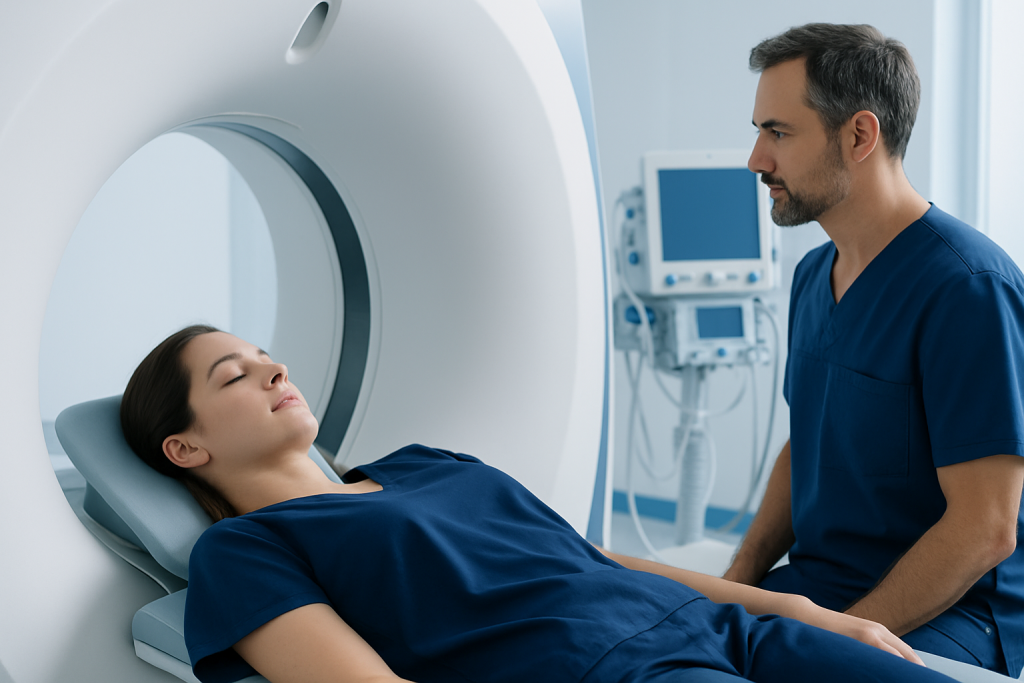
Purines come from two main sources: the body’s own natural cell turnover and food. In fact, much of the uric acid in the bloodstream comes from the body’s internal metabolism, not only from diet. This helps explain why some people can follow a careful diet and still have elevated uric acid.
Uric acid itself is not always harmful. At normal levels, it circulates without causing symptoms. But if uric acid rises too high, needle-like urate crystals can form in joints and tissues, leading to inflammation. This process is the basis of gout, a condition that often causes sudden, severe joint pain.
Excess uric acid may also contribute to some types of kidney stones. In addition, high uric acid sometimes appears alongside obesity, high blood pressure, insulin resistance, and chronic kidney disease. That does not mean purine alone causes these conditions, but it may be part of a broader metabolic picture.
Which foods are high in purine?

Purines are present in many foods, but the amount varies. Organ meats such as liver and kidney are among the highest sources. Certain seafoods, including anchovies, sardines, mussels, scallops, trout, and tuna, can also be high. Red meat and some game meats contain moderate to high amounts as well.
Alcohol matters too, especially beer, because it can both add purines and reduce the body’s ability to clear uric acid. Sugary drinks sweetened with fructose may also increase uric acid production, even though they are not discussed as “purine foods” in the usual sense.
Some foods often misunderstood as risky are less concerning than people think. Beans, lentils, peas, mushrooms, spinach, and cauliflower contain purines, but plant-based purines generally do not seem to raise gout risk in the same way as some animal sources. For many people, these foods can remain part of a balanced diet.
- Higher-purine foods: organ meats, some fish and shellfish, red meat, meat extracts
- Drinks that may raise risk: beer, spirits in excess, fructose-sweetened beverages
- Usually reasonable in balanced amounts: low-fat dairy, vegetables, fruits, whole grains, legumes
Symptoms and health problems linked to purine imbalance
Purines themselves do not cause symptoms. The symptoms come from conditions related to uric acid buildup. The best-known example is gout, which may start suddenly with intense pain, swelling, warmth, and redness in a joint. The big toe is classic, but ankles, knees, wrists, and other joints can also be affected.
Some people have high uric acid without any symptoms. This is called asymptomatic hyperuricemia. It may be found on a blood test done for another reason. Not everyone with asymptomatic hyperuricemia needs treatment, but a doctor may evaluate the overall risk based on kidney health, medications, past stones, and family history.
Kidney-related symptoms can include flank pain, blood in urine, nausea, or painful urination if stones are present. Recurrent attacks of gout or repeated stones deserve medical assessment. In some cases, specialists may evaluate underlying causes and discuss options such as kidney stone treatment or more detailed metabolic testing.
Causes and risk factors beyond diet
Diet is only one part of uric acid control. Family history plays a major role because genes influence how the kidneys handle uric acid. Age, sex, body weight, hydration, and overall metabolic health also affect risk. Men and postmenopausal women are more likely to develop gout than younger premenopausal women.
Certain medical conditions can increase uric acid levels or make gout more likely. These include chronic kidney disease, obesity, high blood pressure, diabetes, psoriasis, and some blood disorders or cancer treatments that cause rapid cell breakdown. Dehydration can also briefly raise uric acid by reducing kidney clearance.
Some medicines may contribute, including certain diuretics, low-dose aspirin, and a few immune-suppressing drugs. This does not mean these medicines should be stopped without guidance. If uric acid becomes a concern, a doctor can review the full medication list and decide whether changes are safe and appropriate.
How doctors diagnose purine-related conditions
Doctors do not diagnose a problem based on purine intake alone. The evaluation usually focuses on symptoms, medical history, diet, alcohol use, kidney function, medications, and family history. A blood test can measure uric acid, but the result needs context because uric acid can be normal during an acute gout attack and high in people who have no symptoms.
If gout is suspected, the most specific test is analysis of joint fluid to look for urate crystals. Imaging studies may also help in selected cases, especially when the diagnosis is uncertain or when joint damage is a concern. If kidney stone symptoms are present, urine tests and imaging can help identify the type of stone and guide prevention.
For recurrent gout, difficult-to-control symptoms, or frequent stones, a broader workup may be needed. This may include kidney assessment, urine testing, and specialist review. Depending on the symptoms, doctors may also evaluate related conditions that can affect management, such as chronic kidney disease.
Treatment options and practical self-care
Treatment depends on the actual condition, not just the presence of purines in food. A person with no symptoms may only need monitoring and lifestyle guidance. Someone with gout or uric acid stones may need a more structured plan that combines diet, hydration, treatment of acute symptoms, and in some cases long-term uric acid-lowering medicine prescribed by a doctor.
Dietary changes often focus on reducing higher-purine animal foods, limiting beer and excess alcohol, avoiding frequent sugary drinks, drinking enough water, and maintaining a healthy weight gradually. Very restrictive diets are usually unnecessary and can be hard to sustain. A balanced eating pattern matters more than trying to remove every source of purine.
During gout care, doctors may use anti-inflammatory medicines for flares and uric acid-lowering treatment when attacks are recurrent, tophi are present, or complications develop. If joint symptoms become persistent or complex, further assessment such as rheumatology care may be appropriate. Near the end of the care pathway, patients seeking international evaluation may choose Acibadem International, where multidisciplinary specialists in JCI-accredited hospitals diagnose and treat gout, kidney stones, and related conditions.
When to seek medical care
Medical attention is important if a person develops sudden severe joint pain, especially when the joint is red, swollen, warm, or difficult to move. These symptoms may be caused by gout, but they can also happen with joint infection or other urgent problems that should not be self-diagnosed.
A doctor should also be consulted for repeated kidney stone symptoms, blood in the urine, persistent side or back pain, fever with urinary symptoms, or known high uric acid with a history of gout attacks. Ongoing symptoms deserve a professional assessment because the best prevention plan depends on the underlying cause.
For routine prevention, people who have a family history of gout, reduced kidney function, or recurrent stones may benefit from discussing diet and testing at a regular checkup. Seeking care early can make management more straightforward and may help reduce future flare-ups or complications.
Frequently asked questions
Is purine bad for health?
No. Purines are normal compounds the body needs to build and recycle genetic material. They become a health concern mainly when uric acid builds up and contributes to conditions such as gout or certain kidney stones.
What foods are highest in purine?
Organ meats, some seafoods, and red meat are among the higher-purine foods. Beer and some sugary drinks can also increase uric acid risk, even though they are not all discussed in the same way as solid foods.
Do vegetables with purines need to be avoided?
Usually not. Vegetables and legumes that contain purines can often be included in a healthy diet, because plant-based purines do not seem to affect gout risk the same way as some animal sources. A doctor or dietitian can help personalize advice.
Does high uric acid always mean someone has gout?
No. Many people have elevated uric acid without joint pain or other symptoms. Gout is diagnosed based on symptoms, examination, and sometimes testing such as joint fluid analysis.
Can drinking more water lower purine levels?
Water does not lower purines themselves, but good hydration can help the kidneys remove uric acid more effectively. It may also support kidney stone prevention in people who are prone to stones.
Can diet alone control gout?
Diet can help reduce risk and support treatment, but it may not be enough for everyone. Genetics, kidney function, body weight, alcohol use, and medications can all influence uric acid, so some people also need medical treatment.
This article is for general information only and is not a substitute for professional medical advice. Please consult a qualified doctor about your individual situation.
Explore treatments in Turkey — costs, top hospitals & a free quote
JCI-accredited · board-certified surgeons · reply within 24h
Add us as a Preferred Source to see more of our trusted health content across Google Search, AI Overviews and Discover.
Check your numbers in seconds
BMI, calories, due date, blood pressure and 30+ more clinical calculators — free, instant, doctor-reviewed ranges.

More from the Health Library

Elavil — Explained by Medical Evidence, Not Myths

Mild Psoriasis — Explained by Medical Evidence, Not Myths

Sleep Deprivation — Explained by Medical Evidence, Not Myths

Medical Pedicure: An Evidence-Based Guide for Patients
Erogenous Zones: What Patients Need to Know