Adjustment Disorder: Symptoms, Causes, and Treatment Options

Adjustment disorder happens when a person has difficulty coping with a stressful event or change. Symptoms may include sadness, anxiety, irritability, sleep problems, or changes in behavior.
Key Takeaways
- Adjustment disorder happens when a person has difficulty coping with a stressful event or change.
- Symptoms may include sadness, anxiety, irritability, sleep problems, or changes in behavior.
- Diagnosis is based on symptom timing, the type of stressor, and how much daily life is affected.
- Treatment commonly includes talk therapy, stress-management strategies, and sometimes medication for specific symptoms.
- Early support can help symptoms improve and reduce the risk of longer-lasting mental health problems.
Adjustment disorder is a stress-related mental health condition that can develop after a major life change or difficult event. It causes emotional or behavioral symptoms that feel stronger than expected for the situation, but it is treatable and often improves with timely support.
Overview
Adjustment disorder is a stress-related condition that develops when a person has trouble adapting to an identifiable life change, loss, or difficult event. The reaction is stronger than would usually be expected for the situation and starts to interfere with daily life, relationships, work, or school. Although the stressor may be common, the person’s distress is real and deserves attention.
This condition can affect children, teenagers, and adults. It may happen after events such as divorce, moving, job loss, illness, financial strain, family conflict, or a major transition. In some cases, the trigger is a single event; in others, it is ongoing stress.
Adjustment disorder is different from ordinary stress because symptoms are persistent enough to affect function and well-being. It is also different from some other mental health conditions because it is closely linked to a specific stressor and tends to improve when the person adapts, the stress lessens, or effective treatment begins.
Many people recover well with support. Early recognition matters because untreated distress can affect sleep, concentration, physical health, and quality of life. In some situations, doctors may also consider whether symptoms overlap with depression or anxiety when making a diagnosis.
How Adjustment Disorder Can Feel
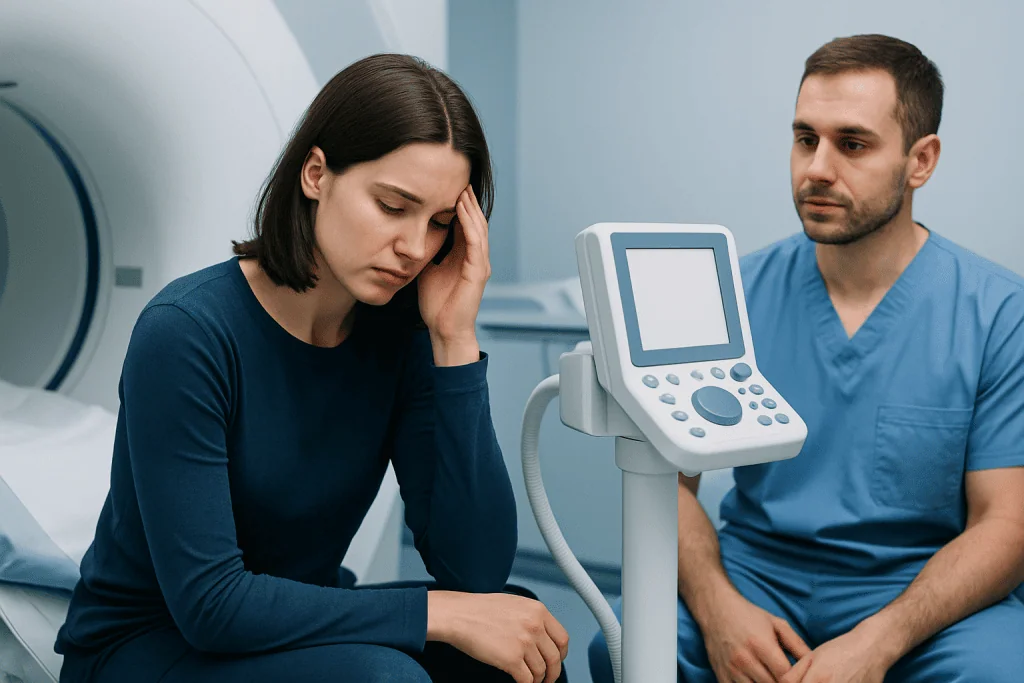
People with adjustment disorder often describe feeling overwhelmed, emotionally sensitive, or “not like themselves” after a stressful event. The response may include sadness, nervousness, worry, hopelessness, anger, or a sense of being unable to cope. Some people mainly feel emotional distress, while others show more behavioral changes.
The condition is not a sign of weakness or a lack of resilience. Stress affects people differently depending on personality, past experiences, available support, physical health, and the meaning of the event. Two people can go through the same life change and have very different emotional responses.
Doctors sometimes describe adjustment disorder by the main symptom pattern, such as:
- With depressed mood
- With anxiety
- With mixed anxiety and depressed mood
- With disturbance of conduct
- With mixed disturbance of emotions and conduct
These patterns can help guide treatment, but the core issue remains the same: a stress response that is causing noticeable suffering or disruption in day-to-day life.
Symptoms

Adjustment disorder symptoms usually begin within about three months of an identifiable stressor. The exact symptoms vary, but they commonly include low mood, tearfulness, excessive worry, irritability, restlessness, trouble sleeping, poor concentration, and loss of interest in usual activities. Some people notice physical symptoms such as fatigue, headaches, or stomach discomfort related to stress.
Behavioral symptoms can also occur. A person may withdraw from family or friends, avoid responsibilities, argue more often, act impulsively, or show a decline in school or work performance. In children and adolescents, symptoms may appear as frequent crying, clinginess, defiance, school refusal, or changes in social behavior.
What makes adjustment disorder clinically important is not only the presence of symptoms, but also their effect. Distress may feel out of proportion to the event, and the reaction can disrupt routines, relationships, or self-care. The person may feel stuck and unable to regain emotional balance even when trying hard to cope.
If symptoms are severe, thoughts of self-harm, hopelessness, or dangerous behavior can occur. These signs require prompt medical attention. A qualified mental health professional can also assess whether symptoms may fit another condition, such as grief-related depression, trauma-related disorders, or a pre-existing psychiatric illness that has become more noticeable under stress.
Causes and Risk Factors
The direct cause of adjustment disorder is exposure to a stressful event or ongoing stress. Common triggers include relationship problems, separation or divorce, bereavement, medical diagnosis, surgery, chronic illness, retirement, moving, migration, workplace stress, bullying, academic pressure, or financial difficulties. Even positive changes, such as marriage, becoming a parent, or starting a new job, can sometimes trigger symptoms if the adjustment is difficult.
Not everyone exposed to stress develops adjustment disorder. Risk depends on a combination of factors, including previous mental health history, childhood adversity, personality traits, coping style, social isolation, and the intensity or duration of the stressor. Limited emotional support or multiple life stressors happening at the same time can increase vulnerability.
Physical health and brain-body stress responses also play a role. Poor sleep, substance use, chronic pain, and untreated medical conditions can make coping harder. For this reason, evaluation may sometimes include a broader look at mental and physical health, especially if symptoms are persistent.
Adjustment disorder is not caused by a personal failure. It reflects a difficult interaction between stress and the body’s emotional coping systems. Recognizing the trigger and understanding the context often helps the person and clinician create a practical treatment plan.
Diagnosis
There is no single blood test or scan for adjustment disorder. Diagnosis is made through a clinical assessment by a doctor, psychiatrist, or psychologist who asks about symptoms, recent life events, mental health history, and how well the person is functioning at home, school, or work. Timing is important, because symptoms typically begin after a clear stressor.
To diagnose adjustment disorder, clinicians look for emotional or behavioral symptoms that are causing significant distress or impairment and that are linked to the stressor. They also consider whether the reaction is better explained by another condition, such as major depressive disorder, generalized anxiety disorder, post-traumatic stress disorder, substance-related problems, or normal bereavement.
The assessment may include screening questions for mood, anxiety, sleep, concentration, safety, and substance use. In some cases, a doctor may check for physical conditions that can worsen stress symptoms, such as thyroid problems, sleep disorders, pain syndromes, or medication side effects. If needed, mental health evaluation can be combined with check-up and diagnostic services to provide a more complete picture.
An accurate diagnosis matters because treatment for adjustment disorder focuses on the stress response and coping process. This can differ from the approach used for long-standing psychiatric conditions, even though symptoms may sometimes overlap.
Treatment Options
Treatment for adjustment disorder is tailored to the person’s symptoms, age, stressor, and support system. For many people, the most effective first step is psychotherapy. Talk therapy helps the person understand the stress response, express emotions, build coping skills, challenge unhelpful thought patterns, and develop practical ways to manage the triggering situation.
Several therapy approaches may help, including supportive counseling, cognitive behavioral therapy, family therapy, and problem-solving therapy. Children and teenagers may benefit from school-based support or family involvement when the stressor affects the home environment. If the person is struggling with sleep, panic, or severe sadness, treatment may also include targeted strategies for those symptoms.
Medication is not always needed, but it may be considered in some cases for short-term symptom relief, especially when anxiety, insomnia, or depressive symptoms are significantly interfering with daily life. Any medication decision should be made by a qualified doctor after reviewing benefits, risks, and whether another diagnosis might be present. Broader support through psychiatry and psychology services can be helpful when symptoms are complex or prolonged.
In addition to formal treatment, social support is often part of recovery. Practical help with housing, finances, caregiving, work stress, or school challenges can reduce the burden of the stressor itself. Near the end of the care journey, some patients also value coordinated follow-up; Acibadem International’s multidisciplinary specialists and JCI-accredited hospitals provide diagnosis and treatment support for international patients when mental health care is needed.
Self-care and Recovery Support
Self-care does not replace professional treatment, but it can support recovery. Helpful steps include keeping a regular sleep schedule, eating balanced meals, staying physically active, and limiting alcohol or recreational drugs, which can worsen mood and anxiety. Small daily routines can create a sense of stability when life feels disrupted.
Stress-management skills can also make a meaningful difference. Many people benefit from relaxation breathing, mindfulness, journaling, scheduled problem-solving, or setting realistic goals one step at a time. Reducing pressure to “fix everything at once” often helps the nervous system settle.
Social connection is another protective factor. Reaching out to trusted family members, friends, support groups, or a counselor can reduce isolation. When possible, it helps to explain clearly what type of support is needed, such as practical help, listening, or regular check-ins.
Recovery time varies. Some people improve within weeks, while others need longer, especially if the stressor continues. If symptoms persist or deepen, reassessment is important to look for complications or another diagnosis that may need a different treatment approach.
When to Seek Medical Care
It is a good idea to seek medical care if emotional or behavioral symptoms continue for more than a few weeks, feel too intense for the situation, or begin affecting work, school, sleep, appetite, or relationships. Professional help is also important if a person feels unable to cope, starts avoiding daily responsibilities, or notices increasing use of alcohol or drugs.
Urgent help is needed if there are thoughts of self-harm, suicide, harming others, severe agitation, or a loss of touch with reality. In these situations, emergency care or immediate crisis support should be sought without delay. Family members should take these warning signs seriously.
Parents should consider evaluation for a child or teenager who shows sudden behavioral changes after a stressful event, such as school refusal, ongoing withdrawal, aggression, or marked decline in functioning. Early care can reduce distress and support healthier coping during development.
If symptoms are unclear or overlap with other conditions, a doctor may recommend mental health assessment and, when relevant, review for other concerns such as panic attacks or mood disorders. Timely evaluation can bring clarity, reassurance, and a practical plan for recovery.
Frequently asked questions
What is adjustment disorder in simple terms?
Adjustment disorder is a mental health condition that happens when someone struggles to cope with a stressful life event or change. The emotional or behavioral reaction is stronger than expected and begins to interfere with everyday life.
How is adjustment disorder different from normal stress?
Normal stress can be upsetting, but people are usually still able to function and gradually adapt. In adjustment disorder, symptoms are more intense, last longer than expected, or significantly affect work, school, relationships, or self-care.
How long does adjustment disorder last?
Symptoms often start within three months of the stressful event. Many people improve within six months after the stressor ends or after treatment begins, although ongoing stress can make recovery take longer.
Can adjustment disorder turn into depression or anxiety?
Sometimes symptoms can overlap with depression or anxiety, and a clinician may need to reassess if distress continues. Early treatment may help reduce the chance of symptoms becoming more persistent or severe.
Is medication always needed for adjustment disorder?
No. Many people improve with psychotherapy, support, and practical coping strategies alone. Medication may be considered in selected cases if symptoms such as insomnia, anxiety, or low mood are significantly affecting daily life.
Can children and teenagers develop adjustment disorder?
Yes. Young people can develop adjustment disorder after family changes, school stress, bullying, illness, loss, or moving. Their symptoms may look different from adults and can include behavior problems, clinginess, or school refusal.
References
- American Psychiatric Association
- National Institute of Mental Health
- Mayo Clinic
- Cleveland Clinic
- World Health Organization
This article is for general information only and is not a substitute for professional medical advice. Please consult a qualified doctor about your individual situation.
Explore treatments in Turkey — costs, top hospitals & a free quote
JCI-accredited · board-certified surgeons · reply within 24h
Add us as a Preferred Source to see more of our trusted health content across Google Search, AI Overviews and Discover.