Enamel: What Patients Need to Know
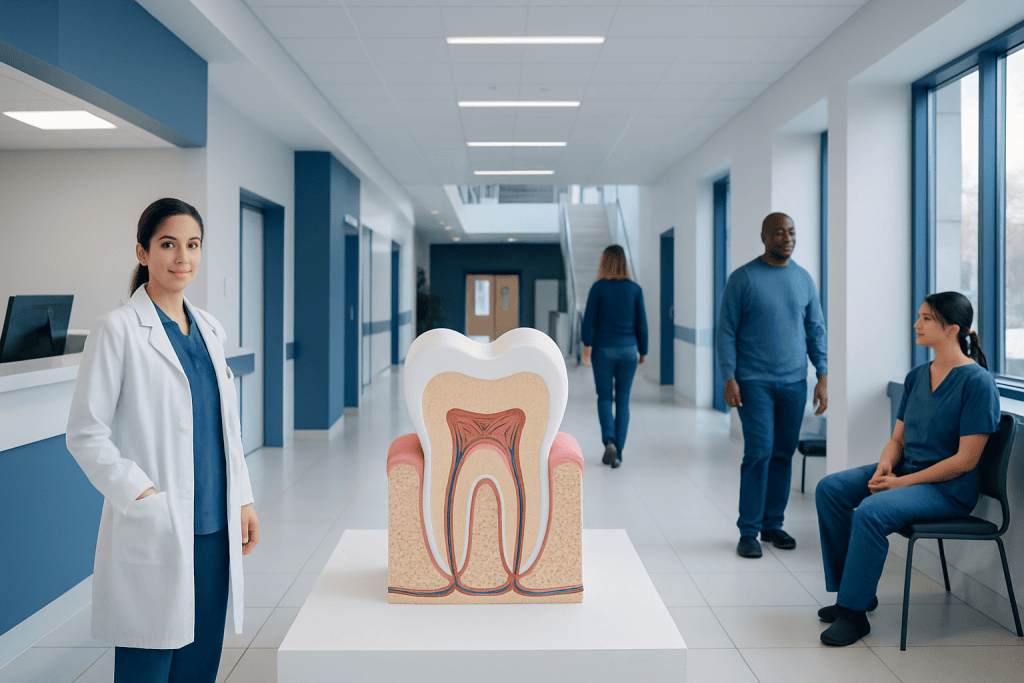
Enamel is the strongest substance in the body, but it can still wear down or erode over time. Common signs of enamel damage include sensitivity, discoloration, rough edges, and a higher risk of cavities.
Key Takeaways
- Enamel is the strongest substance in the body, but it can still wear down or erode over time.
- Common signs of enamel damage include sensitivity, discoloration, rough edges, and a higher risk of cavities.
- Acid exposure, grinding, dry mouth, poor oral hygiene, and frequent sugary foods or drinks can all harm enamel.
- Early dental care can help slow damage, reduce symptoms, and protect the remaining tooth structure.
- Good daily habits such as fluoride use, limiting acidic drinks, and regular dental checkups help preserve enamel.
Enamel is the hard outer covering of each tooth. It protects the softer inner layers from daily wear, temperature changes, and acids, but once enamel is lost, the body cannot naturally grow it back.
Overview: what enamel is and why it matters
Enamel is the thin but very hard outer layer that covers the visible part of each tooth. Its job is to protect the tooth from chewing forces, hot and cold temperatures, and the effects of acids and bacteria. Although enamel is the hardest material in the human body, it is not indestructible.
A key point for patients is that enamel does not contain living cells. This means the body cannot rebuild lost enamel in the same way it heals skin or bone. Early changes can sometimes be supported by remineralization, which helps strengthen weakened enamel, but advanced enamel loss cannot fully reverse on its own.
Healthy enamel helps teeth stay strong, smooth, and less sensitive. When enamel becomes thin or damaged, the inner layer of the tooth, called dentin, may become exposed. This can lead to pain, visible color changes, and a greater risk of decay or cracks.
Because enamel problems often develop gradually, many people do not notice them at first. Understanding how enamel is damaged and how to protect it can make a meaningful difference to long-term oral health.
How enamel becomes damaged
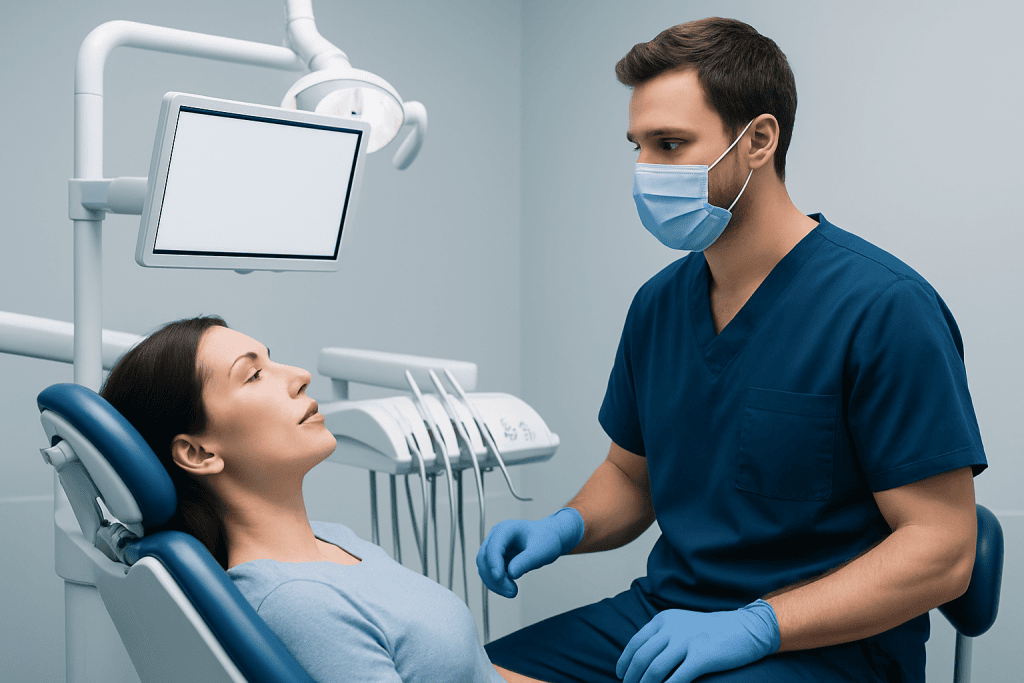
Enamel can be harmed in several ways. One common process is erosion, which happens when acids soften and dissolve the mineral surface of the tooth. These acids may come from foods and drinks such as soda, citrus juices, sports drinks, and wine, or from the stomach in people with frequent reflux or vomiting.
Enamel can also wear down from mechanical stress. Brushing too aggressively, using a hard-bristled toothbrush, clenching the jaw, or grinding the teeth at night can gradually remove or crack the enamel surface. Over time, small areas of wear may become larger and more noticeable.
Bacteria also play an important role. When dental plaque builds up on teeth, bacteria feed on sugars and produce acids that weaken enamel and contribute to cavities. If this process continues, it may lead to tooth decay that extends deeper into the tooth.
Sometimes more than one factor is involved. For example, a person who drinks acidic beverages often and also has dry mouth may be at greater risk because saliva normally helps neutralize acid and repair early mineral loss.
Signs and symptoms of enamel loss
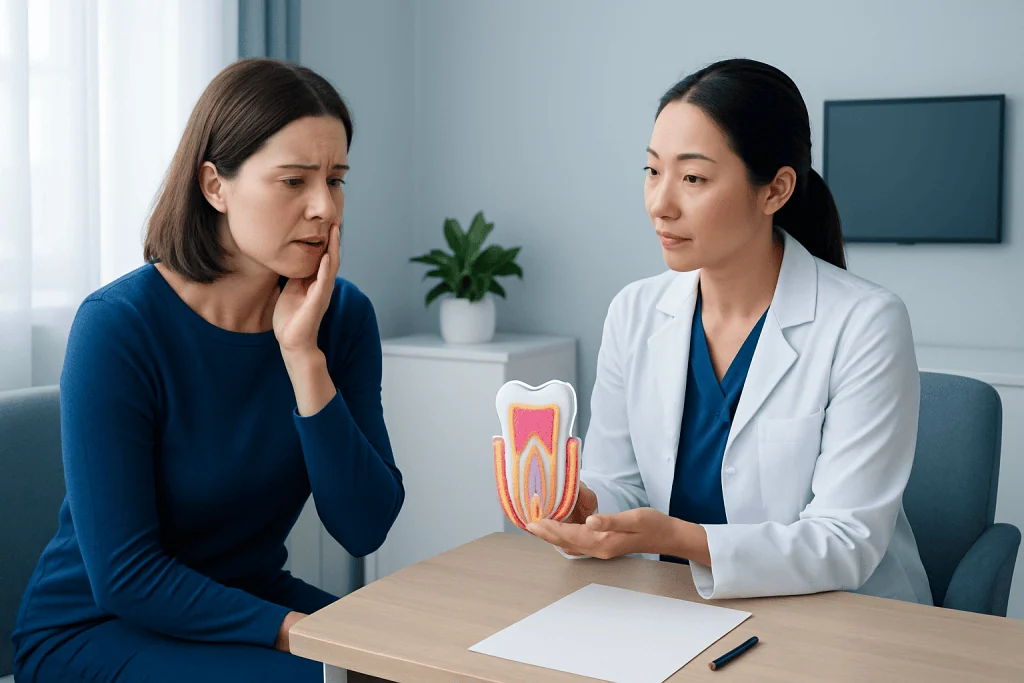
Enamel damage may begin silently, but several symptoms can appear as it progresses. Tooth sensitivity is one of the most common. A person may feel discomfort when eating ice cream, drinking hot coffee, or breathing in cold air because the tooth becomes less insulated.
Changes in appearance are also common. Teeth may look more yellow as enamel thins and the naturally darker dentin beneath shows through. Some teeth develop a dull, chalky, or uneven surface, while the edges of front teeth may become transparent, rough, or slightly chipped.
As enamel weakens, cavities can form more easily. Patients may notice small pits, dark spots, or pain when biting. In more advanced cases, teeth can crack or wear flat. These problems may overlap with other dental concerns such as gum disease, so a professional assessment is important.
- Sensitivity to hot, cold, or sweet foods
- Yellowing or darkening of teeth
- Rough, thin, or translucent tooth edges
- Small chips, cracks, or flattening of teeth
- More frequent cavities or discomfort when chewing
Causes and risk factors
Frequent acid exposure is one of the leading causes of enamel erosion. This includes regular consumption of soft drinks, energy drinks, citrus fruits, sour candies, and acidic juices. Sipping these drinks slowly over long periods can be especially harmful because teeth remain in contact with acid for longer.
Medical conditions can raise the risk as well. Gastroesophageal reflux disease, recurrent vomiting, eating disorders, and some stomach conditions may repeatedly bring acid into the mouth. Dry mouth, whether from dehydration, certain medications, or health conditions, also increases risk because there is less saliva to protect teeth.
Behavioral factors matter too. Poor oral hygiene allows plaque to stay on teeth, while brushing immediately after acidic foods or drinks may scrub softened enamel. Teeth grinding, jaw clenching, and biting hard objects such as ice or pens can add physical stress.
Some people may be more vulnerable because of age, existing dental restorations, crowding, or the natural shape of their teeth. Children and teenagers can also experience enamel problems, especially if diet and hygiene habits are not yet well established.
How dentists diagnose enamel problems
Dentists usually diagnose enamel problems through a careful history and oral examination. They look for changes in tooth color, surface texture, transparency, wear patterns, and areas of sensitivity or decay. The pattern of damage can offer clues about the cause, such as acid erosion versus grinding.
Questions about diet, oral care habits, medications, reflux symptoms, and nighttime grinding are often part of the assessment. This helps identify triggers that may not be obvious to the patient. In some cases, the dentist may ask whether sensitivity happens with sweets, cold foods, or chewing pressure.
Dental X-rays may be used to check for hidden cavities, cracks, or deeper structural changes. Sometimes photographs or study models help monitor progression over time. If reflux, frequent vomiting, or another health condition is suspected, the dentist may recommend medical evaluation as well.
Early diagnosis matters because the goal is not only to treat symptoms, but also to stop further enamel loss. The sooner the cause is identified, the more tooth structure can often be preserved.
Treatment options and what they can achieve
Treatment depends on how much enamel has been affected and what symptoms are present. When the problem is mild, the main aim is to strengthen weakened enamel and reduce sensitivity. Dentists may recommend fluoride products, changes in diet, and improved brushing habits. These steps do not regrow enamel, but they can help remineralize early weak spots and protect the remaining surface.
If there is significant sensitivity, visible wear, or damage to the shape of the tooth, restorative treatment may be advised. Bonding materials can cover small worn areas, while fillings may repair cavities caused by enamel breakdown. For more extensive damage, dentists may consider options such as crowns or dental veneers to protect the tooth and improve function and appearance.
When grinding or clenching contributes to enamel wear, a night guard may help limit further damage. If acid from reflux or another medical problem is involved, treating the underlying cause is an important part of care. In some cases, advanced decay or deep infection may require more involved procedures such as root canal treatment.
Patients with multiple damaged teeth may benefit from a broader restorative plan focused on function, comfort, and prevention. At Acibadem International, multidisciplinary specialists in JCI-accredited hospitals evaluate dental and related medical factors when caring for international patients.
Prevention and daily self-care
Protecting enamel starts with daily habits. Brushing twice a day with a fluoride toothpaste and using a soft-bristled toothbrush can help clean teeth without causing unnecessary abrasion. Gentle technique is important; pressing harder does not clean better and may increase wear at the gumline.
Dietary choices also matter. Limiting sugary and acidic foods and drinks reduces the acid burden on teeth. It can help to drink water after acidic beverages, avoid sipping them over long periods, and use a straw when appropriate. Waiting about 30 minutes before brushing after acidic foods or drinks may help avoid brushing softened enamel.
Saliva is a natural protector, so staying well hydrated is useful. Sugar-free gum may help stimulate saliva in some people. Regular dental visits are important because early enamel changes can be identified before they become larger problems requiring procedures such as dental implant replacement after tooth loss.
- Use fluoride toothpaste every day
- Choose a soft toothbrush and brush gently
- Reduce frequent snacking on sugary or acidic foods
- Rinse with water after acidic drinks
- Wear a night guard if grinding is a problem
- Schedule routine dental checkups and cleanings
When to seek medical or dental care
It is sensible to arrange a dental visit if teeth become newly sensitive, look more yellow or transparent, or develop rough edges, chips, or dark spots. These changes do not always mean severe disease, but they deserve evaluation because early treatment can often prevent more extensive damage.
More urgent care may be needed if there is severe tooth pain, swelling, a cracked tooth, pain with biting, or signs of infection such as pus or fever. A dentist can assess whether the problem involves enamel alone or deeper structures of the tooth.
Medical care may also be important when enamel damage seems linked to frequent heartburn, ongoing vomiting, dry mouth, or an eating disorder. Treating the mouth without addressing the underlying health issue may allow the damage to continue. Professional guidance helps protect both oral and overall health.
Patients should not self-diagnose persistent tooth symptoms. A qualified dentist or doctor can identify the cause, explain the options clearly, and recommend the safest next steps.
Frequently asked questions
Can enamel grow back once it is lost?
No. Enamel does not naturally grow back because it does not contain living cells. However, early weakening can sometimes be improved through remineralization with fluoride and good oral care, which helps strengthen the remaining enamel.
What is the difference between enamel erosion and cavities?
Enamel erosion is the loss of tooth surface caused mainly by acid exposure not directly related to bacteria. Cavities usually develop when bacteria in plaque use sugars to produce acids that damage the tooth. A person can have one or both problems at the same time.
Why do teeth look yellow when enamel becomes thin?
Enamel is relatively translucent, and the layer underneath it, called dentin, is naturally more yellow. When enamel thins, more of that dentin color shows through. This is why teeth may appear darker or more yellow even if they are clean.
Does sensitive toothpaste help enamel loss?
Sensitive toothpaste can help reduce discomfort by blocking nerve signals or protecting exposed areas of the tooth. It does not replace lost enamel, but it can improve comfort and support daily care. A dentist can advise whether additional treatment is needed.
Are acidic drinks always bad for enamel?
They can contribute to enamel erosion, especially when consumed frequently or sipped slowly over time. This does not mean a person must avoid every acidic food or drink, but moderation and timing matter. Drinking water afterward and not brushing immediately can help reduce the effect.
Can children have enamel problems too?
Yes. Children can develop enamel damage from sugary drinks, acidic foods, poor brushing habits, reflux, or developmental enamel defects. Regular dental checkups are important because early care can protect growing teeth and support lifelong oral health.
References
- American Dental Association
- National Institute of Dental and Craniofacial Research
- Mayo Clinic
- World Health Organization
This article is for general information only and is not a substitute for professional medical advice. Please consult a qualified doctor about your individual situation.
Explore treatments in Turkey — costs, top hospitals & a free quote
JCI-accredited · board-certified surgeons · reply within 24h
Add us as a Preferred Source to see more of our trusted health content across Google Search, AI Overviews and Discover.

More from the Health Library



Related Specialists

Prof. Dr. Özlem Sönmez
Internal Medicine
Assoc. Prof. Dr. Serap Aktaş Yıldırım
Anesthesiology
Dr. Çağlar Yazıcıoğlu
Gynecology & Obstetrics
Dr. Rafıga Gasımova
Gynecology & Obstetrics