When Do Girls Stop Growing? Causes, Explanations, and Next Steps

Girls usually have their fastest growth spurt early in puberty, before or around the start of breast development progression and before their first period. Most girls gain only a few more centimeters after menarche and reach adult height within 1 to 2 years.
Key Takeaways
- Girls usually have their fastest growth spurt early in puberty, before or around the start of breast development progression and before their first period.
- Most girls gain only a few more centimeters after menarche and reach adult height within 1 to 2 years.
- Height is influenced by genetics, nutrition, overall health, hormones, sleep, and chronic medical conditions.
- A doctor may evaluate growth with height measurements over time, family growth patterns, puberty staging, bone age imaging, and blood tests when needed.
- Medical review is important if puberty starts very early or very late, growth slows sharply, or there are symptoms of illness, hormonal problems, or poor nutrition.
Most girls stop growing about 1 to 2 years after their first menstrual period and usually reach their adult height by around ages 14 to 15. In many cases this timing is completely normal, but unusually early or late puberty, very slow growth, or other symptoms may need a medical review.
Overview: when girls usually stop growing
For most families, the answer to when do girls stop growing is reassuring: girls usually reach their adult height about 1 to 2 years after their first menstrual period. Many stop growing around ages 14 to 15, but a healthy range is wider than that, and timing can differ from one child to another.
Growth does not stop all at once. Instead, it slows down as the growth plates in the bones gradually close during puberty. Before that happens, girls often have a noticeable growth spurt, usually earlier in puberty than boys. After the first period, some additional height gain is still normal, but it is usually limited.
Parents often worry when a girl seems shorter than classmates or still growing later than expected. In many cases, this reflects normal family patterns, constitutional delay, or natural variation in puberty timing. However, concerns deserve attention if growth has clearly slowed, puberty timing seems unusual, or other symptoms are present.
How growth changes during puberty
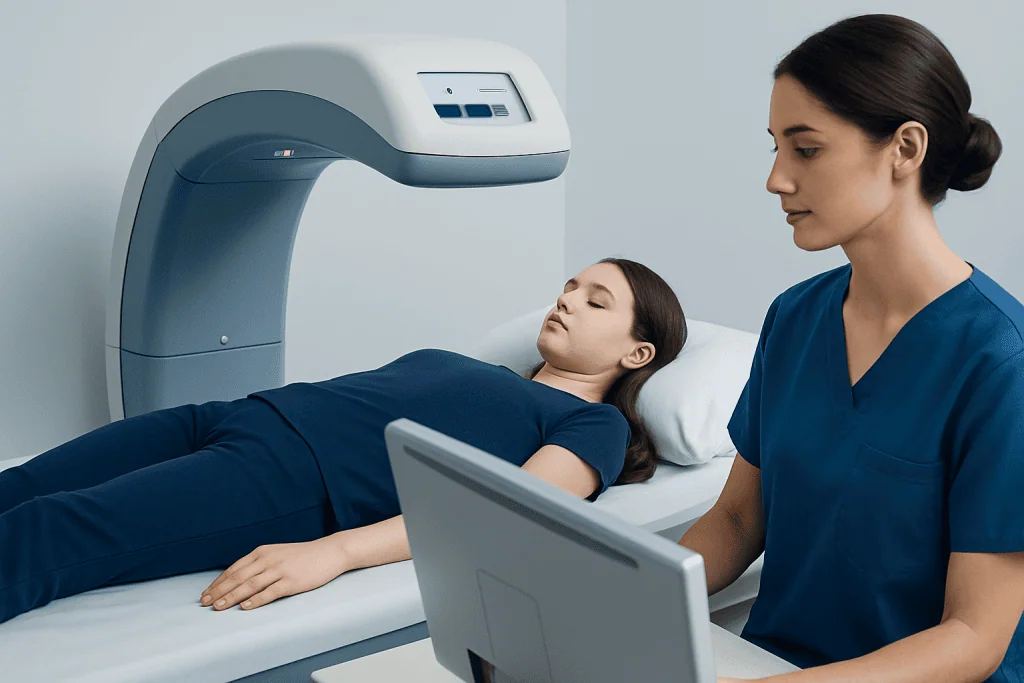
Childhood growth is usually steady, but puberty changes the pace. In girls, rising levels of estrogen and other hormones trigger breast development, body changes, and a faster growth rate. The growth spurt often begins before the first period, not after it.
Many girls start puberty between ages 8 and 13. Peak height velocity, meaning the fastest period of growth, often happens relatively early in puberty. Menstruation typically begins after much of the pubertal growth spurt has already occurred, which is why only a modest amount of growth usually remains afterward.
Once bone growth plates close, further height increase is no longer possible. The exact timing varies, but this process is guided by hormones, genetics, nutrition, and general health. A girl with later puberty may keep growing later than peers, while a girl with earlier puberty may reach adult height sooner.
Because timing varies, a single height measurement is less informative than a pattern over time. Doctors often look at a child’s growth curve, recent growth rate, and pubertal stage rather than relying only on age.
What affects final height

Genetics is one of the strongest influences on adult height. A girl’s final height often reflects the height patterns of her biological parents and close relatives. Even so, genetics is not the only factor, and children from the same family may still grow differently.
Nutrition, sleep, physical activity, and overall health all matter. Adequate calories, protein, vitamins, and minerals support bone growth and pubertal development. Long-term poor nutrition or restrictive eating can slow growth. Regular sleep is also important because growth hormone is closely linked to healthy sleep patterns.
Chronic illnesses can affect growth as well. Conditions involving the thyroid, digestive system, kidneys, heart, or inflammation may reduce normal growth over time. Some hormonal conditions, including pituitary gland disorders, can interfere with growth hormone signals or puberty timing.
Certain medications, especially long-term corticosteroid use, may also affect growth. Doctors consider the whole picture, including medical history, birth history, weight changes, exercise levels, and emotional stressors, when evaluating a child’s height and development.
When slower or earlier growth may need attention
In most cases, variation in height or puberty timing is harmless. Still, some patterns suggest a medical review would be helpful. These include puberty starting very early, no clear signs of puberty by the usual age range, a sudden slowdown in growth, or a girl crossing down percentiles on her growth chart.
Other signs worth discussing with a doctor include very short stature compared with family expectations, unexplained weight loss, ongoing stomach symptoms, chronic fatigue, headaches with vision changes, or symptoms of thyroid disease such as feeling unusually cold, constipation, or low energy. Puberty that starts very early may sometimes be linked to precocious puberty, while delayed development may have a number of causes.
Growth concerns can also be related to bone, genetic, or hormonal conditions. In some children, the issue is not a disease but a constitutional delay of growth and puberty, meaning they develop later than peers but eventually catch up. A medical assessment helps distinguish normal variation from a treatable cause.
How doctors evaluate growth and puberty
If there is concern about height or puberty, a doctor usually begins with a detailed history and physical examination. They ask about family heights, the age when parents went through puberty, birth weight, nutrition, exercise, chronic illnesses, medications, menstrual history, and any symptoms that might suggest an endocrine or general medical problem.
Height and weight are measured carefully and plotted on standardized growth charts. Reviewing older measurements is especially useful because growth rate over time often gives more information than one visit alone. The doctor may also assess pubertal stage and look for signs of nutritional deficiency, chronic disease, or hormonal imbalance.
Further testing depends on the findings. A bone age X-ray of the hand and wrist can help estimate how much growth remains. Blood tests may be used to look at thyroid function, growth-related hormones, nutrition, inflammation, or other markers. If needed, imaging such as MRI may be used to evaluate the brain or pituitary region when hormonal causes are suspected.
Some children may be referred to a pediatric endocrinologist for more specialized evaluation. When there is concern about growth hormone deficiency or other endocrine problems, doctors may consider targeted assessment and, in selected cases, endocrinology care to guide diagnosis and treatment planning.
Treatment and next steps if there is an underlying cause
Treatment depends entirely on what is affecting growth. If a girl is healthy and her growth pattern fits her family background and pubertal timing, treatment may not be needed at all. In those situations, follow-up measurements and reassurance are often the most appropriate next steps.
When an underlying issue is found, management focuses on that cause. For example, thyroid disorders may need medical treatment, nutritional problems may improve with diet support, and chronic diseases may require control of inflammation or other symptoms. Some endocrine conditions can be managed with hormone-based treatments under specialist supervision.
In selected children with proven hormone deficiency, doctors may discuss growth hormone treatment or other targeted therapies. These decisions are individualized and based on careful testing, bone age, growth pattern, and overall health. They are not appropriate for every child who is shorter than average.
Near the end of the evaluation process, families often benefit from clear expectations about likely adult height, timing of puberty, and follow-up intervals. For international patients, Acibadem International’s multidisciplinary specialists and JCI-accredited hospitals diagnose and treat growth and puberty-related conditions with coordinated pediatric and endocrine care.
Self-care, healthy habits, and realistic expectations
No home remedy can safely force extra height once the growth plates are closing or closed. Still, healthy daily habits support a child in reaching her natural growth potential. A balanced diet, regular physical activity, enough sleep, and routine pediatric checkups all help support normal development.
Families can also support emotional well-being. Worry about height is common, especially during adolescence, when social comparison can be intense. Reassurance, body-positive language, and avoiding pressure around appearance can make a meaningful difference. If a child is distressed about body image or puberty, a doctor or counselor may be helpful.
It is also important to avoid unproven supplements or products that claim to increase height. These may be ineffective or unsafe. Medical advice is safer and more reliable, especially if there are concerns about puberty timing, nutrition, or general health.
When to seek medical care
A medical review is a good idea if a girl shows signs of puberty before age 8, has no breast development by around age 13, or has not started periods within several years of puberty beginning. Families should also seek advice if height growth seems to have slowed markedly, if she is much shorter than expected for family pattern, or if there has been a significant drop across growth chart percentiles.
Prompt assessment is also sensible when growth concerns occur alongside weight loss, chronic diarrhea, severe fatigue, frequent illness, headaches, vision changes, or other symptoms suggesting an underlying health problem. While many cases turn out to be normal variation, early evaluation can identify conditions that are easier to manage when recognized sooner.
Parents do not need to diagnose the problem themselves. A pediatrician can decide whether reassurance, monitoring, testing, or referral is needed. If there is uncertainty about whether growth is normal, bringing past height records to the appointment can be very helpful.
Frequently asked questions
When do girls usually stop growing after their first period?
Most girls reach their adult height about 1 to 2 years after their first period. After menstruation begins, some additional growth is normal, but it is usually smaller than the earlier pubertal growth spurt.
Can a girl still grow taller at 16?
Yes, some girls can still grow at 16, especially if puberty started later than average. The amount of growth depends on whether the growth plates are still open and where she is in puberty.
Does early puberty mean a girl will stop growing sooner?
Often, yes. Early puberty can cause an earlier growth spurt and earlier closure of the growth plates, which may shorten the total time available for growth. This is one reason doctors may evaluate unusually early puberty.
How much do girls grow after menarche?
Many girls grow only a few more centimeters after menarche, though the exact amount varies. Growth after the first period is usually less than the growth that happens earlier in puberty.
What if a girl is shorter than her friends?
Being shorter than peers does not automatically mean there is a problem. Some children simply follow a different growth pattern or come from shorter families, but a doctor can check the growth curve if there is concern.
What tests might a doctor order for growth concerns?
Doctors may review growth records, examine pubertal development, and order a bone age X-ray or blood tests if needed. Testing is guided by the child's history and symptoms, so not every girl needs extensive evaluation.
References
- American Academy of Pediatrics
- Centers for Disease Control and Prevention
- National Institute of Child Health and Human Development
- Endocrine Society
- National Health Service
This article is for general information only and is not a substitute for professional medical advice. Please consult a qualified doctor about your individual situation.
Explore treatments in Turkey — costs, top hospitals & a free quote
JCI-accredited · board-certified surgeons · reply within 24h
Add us as a Preferred Source to see more of our trusted health content across Google Search, AI Overviews and Discover.

More from the Health Library



Related Specialists

Dr. Kadir Yavaşoğlu
Orthopedic Surgery & Traumatology
Asst. Prof. Dr. Kemal Ünal
Gastrointestinal Oncology Unit Clinical Service
Prof. Dr. Yaşar Çolak
Gastroenterology
Prof. Dr. Özlem Pata
Gynecology & Obstetrics