What Is Sids? A Doctor-Reviewed Answer

SIDS means the sudden, unexplained death of an infant younger than 1 year, usually during sleep. SIDS is diagnosed only after a thorough investigation finds no clear cause.
Key Takeaways
- SIDS means the sudden, unexplained death of an infant younger than 1 year, usually during sleep.
- SIDS is diagnosed only after a thorough investigation finds no clear cause.
- Safe sleep practices can lower the risk, including placing a baby on their back on a firm, flat sleep surface.
- Risk is higher in the first months of life and with certain environmental or health-related factors.
- Any infant with breathing changes, poor feeding, limpness, fever, or unusual sleepiness needs prompt medical assessment.
SIDS, or sudden infant death syndrome, is the sudden and unexplained death of a baby younger than 1 year, usually during sleep and even after a full investigation. It is uncommon, and parents should know that most babies sleep safely, but understanding risk reduction and warning signs can help families feel more prepared.
Overview: What Is SIDS?
SIDS stands for sudden infant death syndrome. It describes the sudden and unexplained death of a baby younger than 1 year, usually during sleep, when no cause is found even after a careful review of the medical history, the sleep environment, and a detailed postmortem examination. In simple terms, when people ask “what is SIDS,” they are asking about a rare but serious event that remains unexplained despite full investigation.
It is important to begin with reassurance: most babies sleep safely and never experience SIDS. Parents often worry about every sound, movement, or change in their baby’s sleep, but common behaviors such as brief pauses in breathing, hiccups, startle reflexes, or noisy sleep are usually harmless. The main value of learning about SIDS is not to increase fear, but to support safer sleep habits and help families recognize when medical advice is needed.
SIDS is part of a broader group sometimes referred to as sleep-related infant deaths. Not every unexpected infant death during sleep is SIDS. In some cases, a cause may be identified, such as accidental suffocation, infection, metabolic disease, or a hidden heart problem. That is why doctors are careful with the diagnosis and only use the term SIDS when no explanation is found.
How SIDS Differs From Other Sleep-Related Infant Deaths
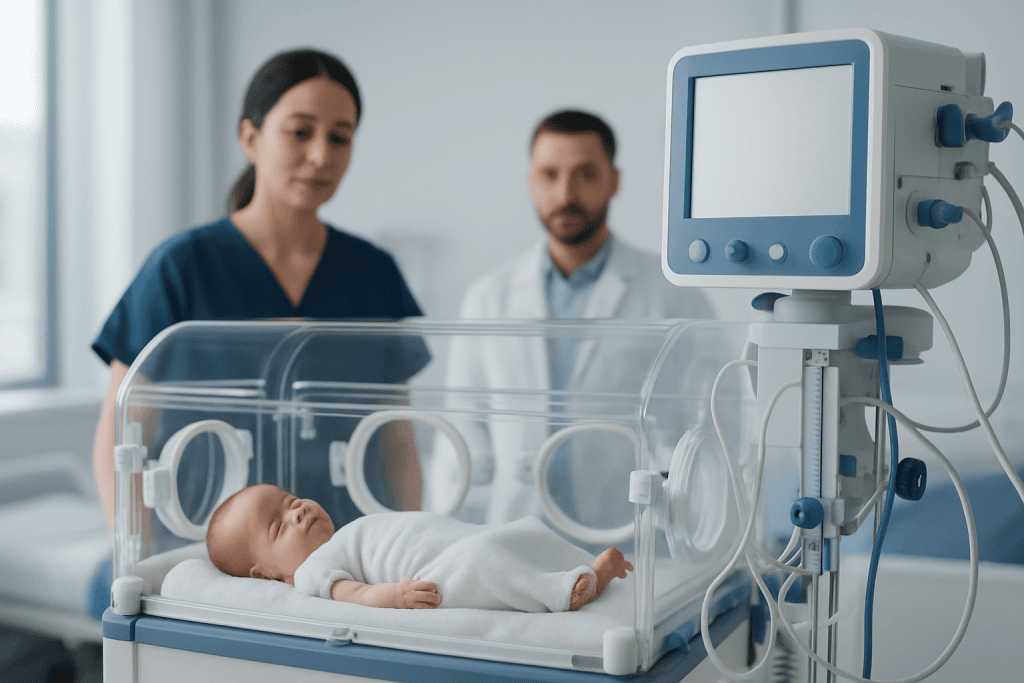
One reason SIDS can be confusing is that it is not a symptom, illness, or single disease with a specific test. It is a diagnosis of exclusion, meaning it is considered only after other possible causes have been ruled out. This makes it different from conditions that can cause sudden collapse in a baby, such as severe infection, seizures, congenital heart disease, trauma, or accidental airway blockage.
Doctors may also distinguish SIDS from accidental suffocation or strangulation in bed. These events can happen if a baby sleeps on a soft mattress, under loose blankets, next to pillows, or in an adult bed or sofa where the airway can become blocked. Safe sleep guidance is designed to reduce these preventable hazards as well as lower the overall risk of unexplained sleep-related death.
Sometimes families also hear terms such as apparent life-threatening event or brief resolved unexplained event. A brief resolved unexplained event, or BRUE, is a short episode in which a baby may look pale, limp, or have a change in breathing but then recovers. A BRUE is not the same as SIDS, though it may still need medical evaluation. Babies who have concerning breathing or color changes should be assessed promptly by a qualified pediatric clinician.
Risk Factors and Possible Causes
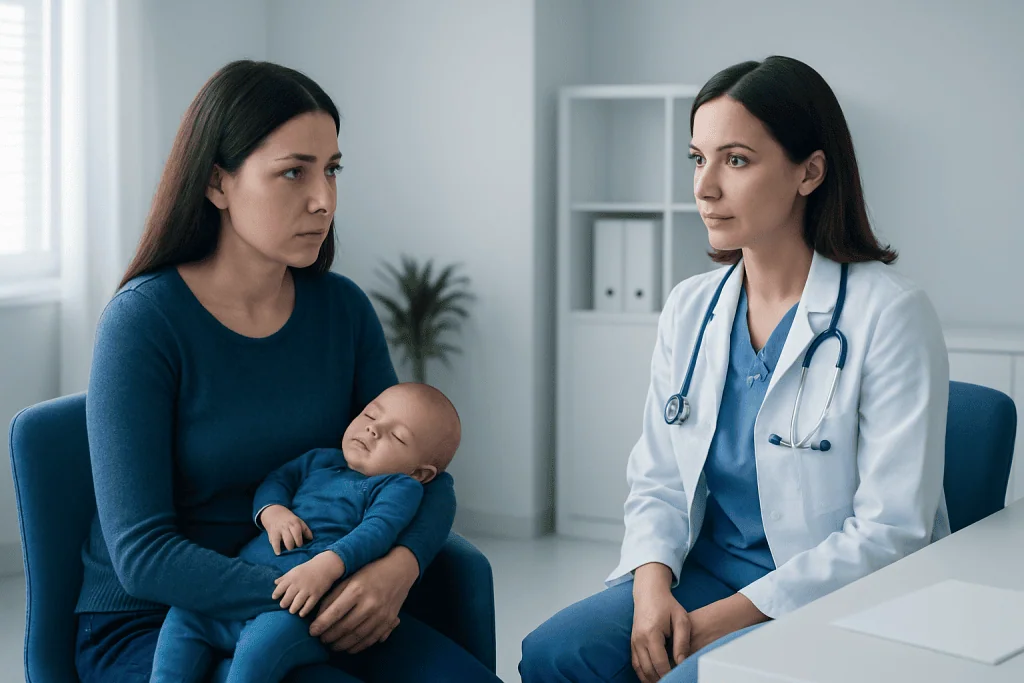
The exact cause of SIDS is still not fully understood. Current evidence suggests that it may involve a combination of factors rather than a single reason. These may include a vulnerable infant, a critical stage of early development, and an external stressor such as an unsafe sleep environment. Research has explored how the brain controls breathing, arousal from sleep, and heart rate, but no single explanation applies to every case.
Risk is highest in the first year of life, especially in younger infants. Babies born prematurely or with low birth weight may have a higher risk. Exposure to cigarette smoke during pregnancy or after birth is also an important risk factor. Other factors linked with increased risk include stomach or side sleeping, overheating, soft bedding, bed-sharing in certain situations, and sleeping on couches or armchairs.
Family history and some underlying medical conditions may occasionally prompt doctors to consider additional evaluation, especially if there is concern about an inherited heart rhythm disorder or another rare disorder. In those situations, a doctor may look more closely for conditions such as arrhythmia or other hidden medical causes. Even so, it is important to remember that SIDS is uncommon, and many babies with one or more risk factors never experience it.
- Age under 1 year, especially the first months of life
- Premature birth or low birth weight
- Exposure to tobacco smoke before or after birth
- Sleeping on the stomach or side
- Soft mattresses, pillows, loose blankets, or bumper pads
- Overheating during sleep
- Sleeping on sofas, recliners, or adult beds
Safer Sleep Steps That Can Lower Risk
Parents cannot remove every possible risk, but they can take practical steps that are strongly recommended for infant sleep safety. The most important is to place the baby on their back for every sleep, including naps and nighttime sleep. Babies should sleep on a firm, flat, non-inclined surface designed for infants, such as a crib, bassinet, or play yard that meets current safety standards.
The sleep space should be kept simple. It should not contain pillows, quilts, heavy blankets, stuffed toys, sleep positioners, or loose bedding. A fitted sheet is usually all that is needed. Room-sharing without bed-sharing is often advised, meaning the baby sleeps in the parents’ room but on a separate sleep surface. This can support monitoring and feeding while reducing hazards linked to shared adult sleep spaces.
Other helpful measures include avoiding smoke exposure, preventing overheating, and keeping up with routine pediatric visits and immunizations. Some families ask about baby monitors, wedges, or products marketed as reducing SIDS risk. These devices should not replace safe sleep practices, and many are not proven to prevent SIDS. Families with feeding concerns, reflux symptoms, or breathing issues can discuss individual guidance with a pediatrician and, if needed, further evaluation such as pediatric check-up or echocardiography when a heart-related concern is suspected.
Red Flags That Need Medical Review
Although most day-to-day infant sleep behaviors are normal, some signs should not be ignored. Parents should seek prompt medical care if a baby has trouble breathing, pauses in breathing that are prolonged or recurrent, bluish or gray skin color, limpness, poor responsiveness, fever, seizures, repeated choking during feeds, or unusual difficulty waking. Poor feeding, fewer wet diapers, persistent vomiting, or a clear change from the baby’s usual behavior also deserve medical attention.
Emergency help is needed right away if a baby is not breathing normally, becomes floppy, turns blue, or does not respond. In these situations, caregivers should call emergency services immediately and begin infant CPR if trained to do so. Fast action is important because these signs may point to a condition other than SIDS, such as infection, airway obstruction, a heart rhythm problem, or another urgent illness.
In some babies, what seems like a sleep-related event may actually be due to reflux, infection, breathing disorders, neurologic conditions, or structural heart disease. Depending on the symptoms, the doctor may evaluate for conditions such as sleep apnea or recommend targeted tests. Most concerning events do not turn out to be SIDS, but they should always be taken seriously so that a treatable cause is not missed.
How Doctors Evaluate a Concerning Infant Event
When a baby has a worrying episode, doctors begin with a careful history. They ask what happened before, during, and after the event, how long it lasted, whether the baby changed color, whether feeding or vomiting was involved, and what the sleep setting looked like. Pregnancy history, birth history, growth, medications, smoke exposure, and family history of sudden death or heart disease can all be relevant.
The physical examination focuses on breathing, heart function, neurologic status, hydration, and signs of infection or injury. If the baby appears well and the event was brief and isolated, extensive testing may not always be needed. If symptoms or risk factors raise concern, doctors may order tests such as blood work, viral testing, heart monitoring, imaging, or sleep-related assessment. In selected cases, a baby may be referred for Holter monitoring or other cardiology review to assess abnormal rhythms.
If an infant dies unexpectedly, the diagnosis process is much more complex and is carried out by specialists and legal authorities according to local regulations. This generally includes a scene investigation, review of medical records, and postmortem examination. SIDS is considered only after these steps fail to identify a cause. This careful approach helps families receive the most accurate explanation possible, while also guiding counseling for future pregnancies and siblings when indicated.
Support for Families and Ongoing Care
Questions about SIDS can be emotionally difficult, especially for new parents or families who have experienced a frightening event. Supportive pediatric follow-up can help address sleep routines, feeding, smoking cessation, postpartum mental health, and safe sleep planning. In most families, education and a safer sleep setup are the main next steps rather than specialized treatment.
If a baby has a diagnosed medical issue that may contribute to breathing pauses, poor oxygen levels, or cardiac symptoms, treatment is directed at that cause. This might involve management by pediatrics, pulmonology, neurology, or cardiology teams. For example, if evaluation suggests a structural heart issue, the care pathway may include pediatric cardiology assessment and tailored follow-up.
For international patients who need further evaluation, Acibadem International’s multidisciplinary specialists and JCI-accredited hospitals diagnose and treat infant and pediatric conditions with coordinated care. Families should still seek urgent local medical help first if an infant has emergency warning signs.
When to Seek Medical Care
Parents should contact a doctor promptly if a baby has repeated breathing pauses, noisy breathing with distress, poor weight gain, tiring during feeds, frequent color changes, fainting-like episodes, or unusual sleepiness. Medical review is also important if caregivers are unsure whether a sleep setting is safe or if they feel anxious after a concerning event. It is always appropriate to ask a pediatrician for guidance.
Urgent care is needed the same day for fever in a young infant, reduced feeding, signs of dehydration, vomiting with lethargy, or episodes of limpness or abnormal movements. Emergency care is needed immediately if the baby stops breathing, turns blue, becomes unresponsive, or appears severely distressed. In many cases these symptoms have treatable causes, and early evaluation is the safest next step.
For everyday prevention, families can focus on consistent safe sleep habits and routine infant care rather than constant fear. Most babies do well, and practical steps such as back sleeping, a firm separate sleep surface, and smoke-free surroundings can make a meaningful difference. When in doubt, a qualified doctor can help parents sort out what is normal, what is not, and whether further testing is needed.
Frequently asked questions
What is SIDS in simple terms?
SIDS means sudden infant death syndrome. It is the sudden and unexplained death of a baby younger than 1 year, usually during sleep, even after a full investigation cannot find a cause.
At what age is SIDS most likely to happen?
SIDS affects infants under 1 year of age and is most often discussed in early infancy. Risk is generally highest during the first months of life, which is why safe sleep guidance is emphasized from birth.
Can SIDS be prevented completely?
There is no guaranteed way to prevent SIDS completely because its exact cause is not fully known. However, safe sleep practices can lower risk, especially placing babies on their backs to sleep and using a firm, uncluttered sleep surface.
Is bed-sharing the same as room-sharing?
No. Room-sharing means the baby sleeps in the same room as the parents but on a separate sleep surface, while bed-sharing means the baby sleeps in the same bed as another person. Room-sharing is generally preferred over bed-sharing for infant sleep safety.
Do baby monitors prevent SIDS?
Home baby monitors should not be relied on to prevent SIDS. They may be useful in certain medical situations under a doctor’s guidance, but they do not replace safe sleep practices.
What symptoms in a baby should lead to urgent medical care?
A baby needs urgent medical attention for breathing difficulty, bluish color, limpness, poor responsiveness, fever, repeated choking with feeds, or a major change in feeding or alertness. Emergency help is needed immediately if the baby is not breathing normally or is unresponsive.
References
- American Academy of Pediatrics
- National Institute of Child Health and Human Development
- Centers for Disease Control and Prevention
- National Institutes of Health
- World Health Organization
This article is for general information only and is not a substitute for professional medical advice. Please consult a qualified doctor about your individual situation.
Explore treatments in Turkey — costs, top hospitals & a free quote
JCI-accredited · board-certified surgeons · reply within 24h
Add us as a Preferred Source to see more of our trusted health content across Google Search, AI Overviews and Discover.
Check your numbers in seconds
BMI, calories, due date, blood pressure and 30+ more clinical calculators — free, instant, doctor-reviewed ranges.