Erythromelalgia: Early Signs, Risk Factors, and How It Is Treated

Erythromelalgia typically causes flare-ups of burning pain, warmth, and visible redness in the feet or hands. Symptoms are often triggered by heat, exercise, tight shoes, warm rooms, or prolonged standing.
Key Takeaways
- Erythromelalgia typically causes flare-ups of burning pain, warmth, and visible redness in the feet or hands.
- Symptoms are often triggered by heat, exercise, tight shoes, warm rooms, or prolonged standing.
- Some cases are primary, while others are linked to nerve disorders, blood disorders, autoimmune disease, or certain medicines.
- Diagnosis is based on the symptom pattern, examination, and tests to look for an underlying cause.
- Treatment may include lifestyle changes, cooling measures used safely, and medicines tailored to the person’s symptoms and health history.
- Medical review is important if symptoms are new, severe, one-sided, or linked to skin breakdown or signs of another illness.
Erythromelalgia is a rare condition that causes episodes of burning pain, redness, and heat, usually in the feet or hands. Treatment depends on whether it occurs on its own or alongside another medical problem, and many people improve with trigger control, careful skin protection, and targeted medical care.
Overview
Erythromelalgia is a rare pain disorder in which the skin becomes intensely warm, red, and painful during episodes called flare-ups. It most often affects the feet, but it can also involve the hands and, less commonly, the face, ears, or other areas. The symptoms are usually brought on by heat or activity and may improve when the person rests or cools the area.
What makes erythromelalgia distinctive is the combination of burning pain with visible color change and heat in the skin. People may describe the discomfort as burning, stabbing, throbbing, or tingling. Flares can last from minutes to hours, and in some people they become frequent enough to interfere with sleep, walking, exercise, work, or daily routines.
Erythromelalgia can occur as a primary condition, meaning it develops on its own, or as secondary erythromelalgia, meaning it is associated with another health problem. Because the symptoms overlap with circulation, skin, and nerve conditions, assessment by a qualified doctor is important to confirm the diagnosis and guide treatment. Some patients are also evaluated for related nerve pain conditions such as peripheral neuropathy when symptoms suggest nerve involvement.
How Symptoms Usually Feel and Look
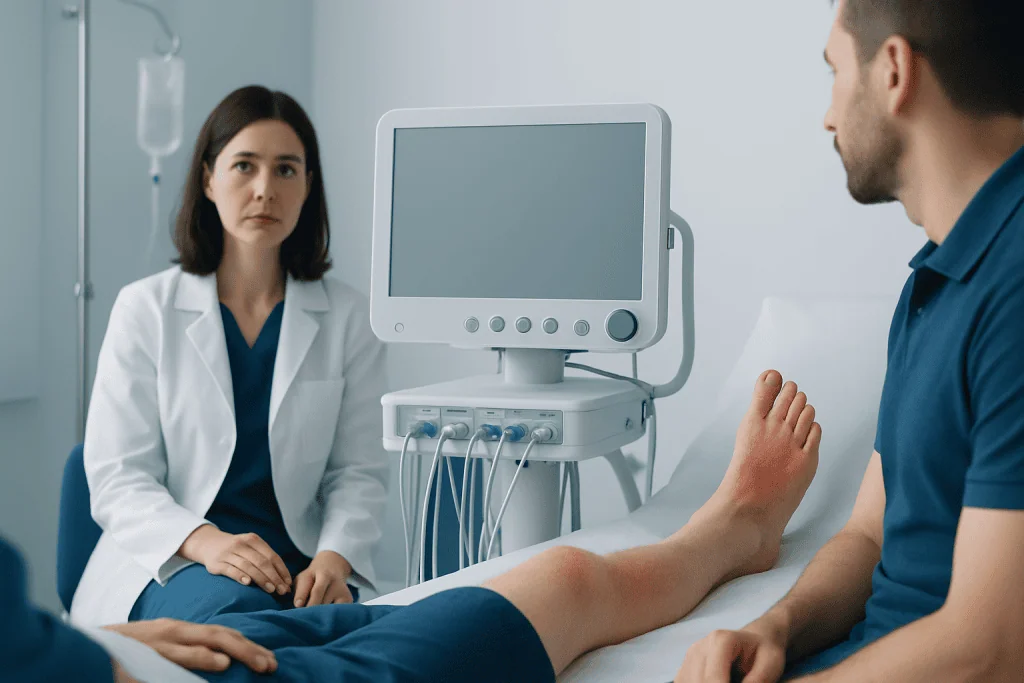
The hallmark symptoms of erythromelalgia are burning pain, warmth, and redness of the affected area. These episodes often begin in the toes or soles of the feet and may spread upward. In the hands, symptoms can involve the fingers and palms. During a flare, the skin may look flushed or deep red and feel hot to the touch.
Symptoms often affect both sides, but they do not always appear equally. Some people notice swelling, tenderness, tingling, itching, or a sense of pressure. The intensity can vary widely: one person may have brief, mild attacks after exercise, while another may have severe pain after only a short time in a warm room.
Many people notice a predictable pattern. Common triggers include:
- Warm weather or overheated indoor spaces
- Exercise or increased physical activity
- Tight shoes, heavy socks, or gloves
- Standing for long periods
- Stress or emotional upset in some cases
- Hot baths or showers
Relief often comes from resting, elevating the limb, moving to a cooler environment, or removing tight clothing and footwear. However, repeated or extreme cooling, especially direct ice exposure, can injure the skin and should be avoided.
Why Erythromelalgia Happens
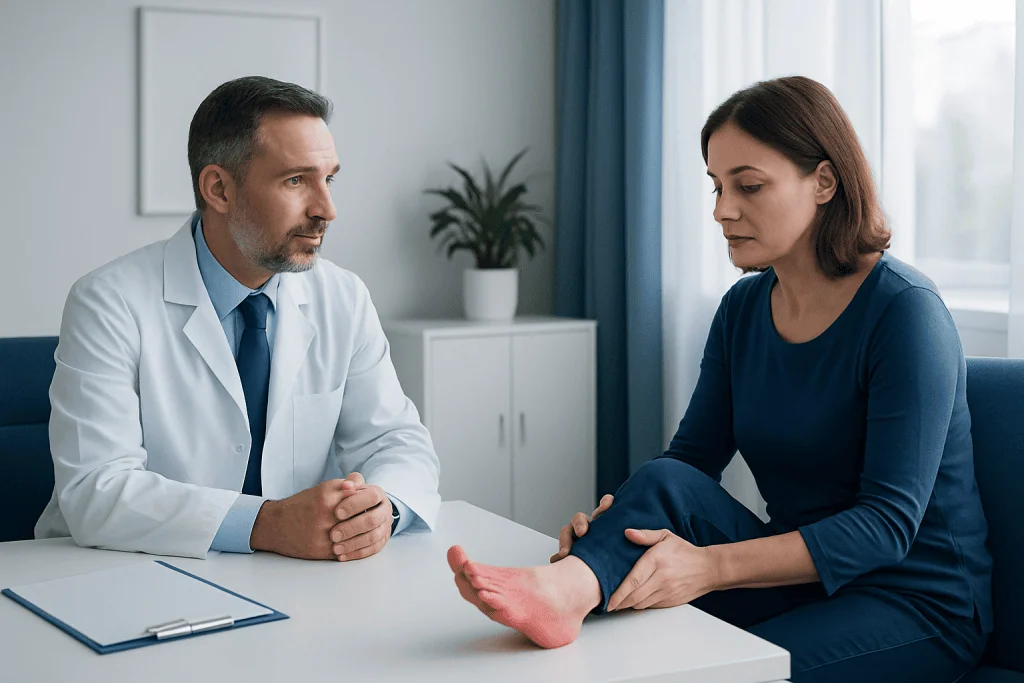
Erythromelalgia is thought to involve abnormal control of blood flow and pain signaling. During a flare, small blood vessels in the skin may open too much, causing increased warmth and redness. At the same time, nerves that detect pain can become overactive, which helps explain the severe burning sensation.
In primary erythromelalgia, no associated disease is found, although some cases are linked to inherited changes in genes involved in nerve function. These genetic forms can begin earlier in life, including in childhood or young adulthood. Not everyone with primary erythromelalgia has a family history.
Secondary erythromelalgia develops in connection with another condition. Causes and associations may include blood disorders, autoimmune disease, diabetes, small fiber neuropathy, some infections, and certain medicines. In some people, doctors consider whether an underlying circulation or immune problem is contributing, and related conditions such as vasculitis may need to be ruled out if the presentation is unusual.
Medicines can sometimes trigger or worsen symptoms in susceptible people. Because the list of possible associations is broad, it is helpful for patients to bring a record of all prescriptions, over-the-counter medicines, and supplements to their medical appointment.
Risk Factors and Related Conditions
Erythromelalgia itself is uncommon, but certain factors can make it more likely or increase clinical suspicion. A personal or family history of unexplained burning pain in the hands or feet may point toward a primary form. Existing nerve pain disorders, autoimmune conditions, or blood disorders can raise the chance of secondary erythromelalgia.
One of the most important associated groups is myeloproliferative blood disorders, such as essential thrombocythemia or polycythemia vera. In these disorders, changes in blood cells can contribute to painful episodes in the extremities. For this reason, doctors often check blood counts, especially when symptoms begin in adulthood or the history suggests a secondary cause.
Other risk factors or associated conditions may include:
- Peripheral nerve disorders or small fiber neuropathy
- Autoimmune or inflammatory disease
- Diabetes or impaired glucose control
- High blood pressure in some patients
- Use of medications that affect blood vessels or nerves
- Exposure to heat or environments that repeatedly trigger symptoms
Having one of these factors does not automatically mean a person has erythromelalgia, but it helps shape the evaluation. The goal is not only to label the symptoms correctly, but also to identify any treatable underlying condition that may be driving them.
How Doctors Diagnose It
There is no single test that confirms erythromelalgia in every patient. Diagnosis is usually based on the history of attacks, the appearance of the skin during a flare, and the exclusion of other conditions. Because symptoms can come and go, photographs taken during episodes can be very helpful for the doctor.
The medical assessment typically includes questions about when symptoms started, what triggers them, how long they last, whether both sides are involved, and what brings relief. The doctor will also ask about numbness, weakness, rashes, fevers, clotting history, autoimmune disease, and family history. A physical examination focuses on the skin, circulation, and nerve function.
Tests may be recommended to look for secondary causes. These can include blood tests such as a complete blood count, markers of inflammation, blood sugar testing, and studies guided by the person’s symptoms and medical history. In selected cases, nerve testing or a skin biopsy for small fiber neuropathy may be considered, and a specialist in neurology evaluation may help assess complex pain or nerve-related symptoms.
Doctors also consider other explanations for hot, painful, red feet or hands, including neuropathy, cellulitis, gout, complex regional pain syndrome, circulation problems, and some skin conditions. Getting the diagnosis right is important because management differs from one condition to another.
Treatment Options and Daily Management
Erythromelalgia treatment is individualized. The first step is to identify whether there is an underlying cause that can be treated. If erythromelalgia is linked to another condition, symptom control often improves when that condition is addressed. For example, treatment may be guided by a blood specialist if blood counts are abnormal, or by specialists in hematology care when a blood disorder is suspected.
Non-drug strategies are a core part of care. Patients are often advised to avoid overheating, pace activity, choose breathable shoes and socks, and keep living spaces comfortably cool. Elevating the affected limb during flares may help some people. Gentle cooling can be soothing, but prolonged cold-water soaking or direct ice should be avoided because it may damage the skin, worsen circulation, and increase the risk of ulcers or infection.
Medicines may be used when lifestyle measures are not enough. Depending on the cause and symptom pattern, doctors may consider treatments for nerve pain, medicines that affect blood vessels, or other targeted therapies. If symptoms are part of a broader pain syndrome or difficult to control, referral for pain management support can be helpful as part of a multidisciplinary plan.
When skin irritation, cracking, or wounds develop from repeated flares or unsafe cooling practices, skin protection becomes especially important. Clean, dry skin care, prompt treatment of breaks in the skin, and review by a specialist can help prevent complications. Near the end of the care pathway, some international patients may choose assessment at centers such as Acibadem International, where multidisciplinary specialists in JCI-accredited hospitals evaluate and treat erythromelalgia and related conditions.
Self-care, Prevention, and Living With Flare-ups
There is no guaranteed way to prevent all erythromelalgia episodes, but many people can reduce their frequency and severity by learning personal triggers. Keeping a symptom diary may help identify patterns related to temperature, footwear, exercise, stress, or medicines. This information can make treatment visits more productive.
Practical self-care steps include planning activity during cooler parts of the day, wearing loose and breathable shoes, changing out of damp socks, and taking breaks from prolonged standing. Some people benefit from structured pacing, which means balancing activity and rest so that symptoms are not repeatedly provoked by overexertion.
Skin care matters. The affected area should be protected from burns, friction, and excessive moisture. People who cool their feet or hands frequently should inspect the skin regularly for color changes, cracking, numb patches, or sores. If the skin becomes pale, blistered, or injured, medical advice is needed promptly.
Living with a chronic pain condition can also affect sleep and mood. Gentle routines, sleep support, and open discussion with a doctor about the wider impact of symptoms can be important parts of care. Even when erythromelalgia is not fully curable, many people find that a tailored combination of trigger control and medical treatment makes daily life more manageable.
When to Seek Medical Care
Medical review is recommended when burning, redness, and heat in the hands or feet keep recurring, become more intense, or interfere with walking, sleep, or everyday activities. A doctor should also assess symptoms that appear for the first time in adulthood, change suddenly, or do not match a known pattern of flares.
Urgent care is important if symptoms affect only one limb, if there is marked swelling, fever, spreading redness, a wound, skin breakdown, or signs of infection. Prompt assessment is also needed when symptoms are accompanied by weakness, loss of sensation, chest pain, shortness of breath, or other concerning new problems, because these features may point to a different condition.
People already diagnosed with erythromelalgia should contact their doctor if home measures stop working, flares become more frequent, or the skin is being harmed by repeated cooling. Regular follow-up may be needed to monitor for underlying disorders, especially when erythromelalgia is secondary or when blood test abnormalities are present.
Frequently asked questions
What is erythromelalgia?
Erythromelalgia is a rare condition that causes episodes of burning pain, redness, and increased warmth, usually in the feet or hands. Symptoms are often triggered by heat, exercise, or standing and tend to improve with rest and careful cooling.
Is erythromelalgia dangerous?
Erythromelalgia itself is usually not a medical emergency, but it can be very painful and can affect quality of life. It is important to seek medical assessment because some cases are linked to other treatable conditions, and unsafe cooling can damage the skin.
What can trigger an erythromelalgia flare?
Common triggers include hot weather, warm rooms, exercise, tight shoes, hot baths, and prolonged standing. Some people also notice that stress or certain medicines make symptoms worse.
How is erythromelalgia diagnosed?
Doctors diagnose erythromelalgia mainly from the symptom pattern, physical examination, and tests to look for underlying causes. Photos taken during a flare can be helpful because symptoms may not be visible during the appointment.
Can erythromelalgia be cured?
Some people improve significantly when an underlying cause is found and treated. In other cases, especially primary erythromelalgia, treatment focuses on reducing flares, easing pain, and protecting the skin rather than offering a single permanent cure.
Is it safe to put ice on erythromelalgia?
Direct ice or prolonged soaking in very cold water is generally not recommended. These methods can injure the skin and may worsen circulation, so it is safer to use gentle cooling and follow a doctor’s advice.
References
- National Organization for Rare Disorders
- National Institute of Neurological Disorders and Stroke
- Merck Manual Professional Edition
- Mayo Clinic
- American Academy of Dermatology
This article is for general information only and is not a substitute for professional medical advice. Please consult a qualified doctor about your individual situation.
Explore treatments in Turkey — costs, top hospitals & a free quote
JCI-accredited · board-certified surgeons · reply within 24h
Add us as a Preferred Source to see more of our trusted health content across Google Search, AI Overviews and Discover.