Type 1 vs Type 2 Diabetes: Key Differences and How Doctors Tell Them Apart

Type 1 diabetes is an autoimmune condition that destroys insulin-producing cells, while type 2 diabetes mainly involves insulin resistance and a gradual loss of insulin production. Both types can cause thirst, frequent urination, fatigue, and blurred vision, so symptoms alone do not always confirm the diagnosis.
Key Takeaways
- Type 1 diabetes is an autoimmune condition that destroys insulin-producing cells, while type 2 diabetes mainly involves insulin resistance and a gradual loss of insulin production.
- Both types can cause thirst, frequent urination, fatigue, and blurred vision, so symptoms alone do not always confirm the diagnosis.
- Doctors often use blood glucose tests, HbA1c, ketone testing, diabetes autoantibodies, and C-peptide to distinguish type 1 from type 2 diabetes.
- Type 1 diabetes always requires insulin, while type 2 diabetes treatment may include lifestyle changes, tablets, non-insulin injections, and sometimes insulin.
- Rapid weight loss, vomiting, deep breathing, confusion, or signs of dehydration need urgent medical assessment because they may signal diabetic ketoacidosis.
Type 1 vs type 2 diabetes can look similar at first because both cause high blood sugar, but they develop for different reasons and are managed differently. Doctors tell them apart by combining the person’s symptoms, age and body history, blood glucose results, and tests such as diabetes autoantibodies and C-peptide.
Overview: type 1 vs type 2 diabetes at a glance
Type 1 vs type 2 diabetes is a common question because both conditions raise blood sugar, but they are not the same disease. In type 1 diabetes, the immune system attacks the insulin-producing beta cells in the pancreas, so the body makes little or no insulin. In type 2 diabetes, the body still makes insulin at first, but the cells do not respond to it properly, and over time the pancreas may not keep up with demand.
This difference matters because the pattern of symptoms, the speed of onset, and the treatment approach can be very different. Type 1 diabetes often develops more quickly and may first appear with severe illness, while type 2 diabetes usually develops more gradually and may be found during routine blood tests.
The table below gives a practical side-by-side comparison. It is a guide rather than a rule, because some people do not fit the usual pattern and may need extra tests to clarify the diagnosis.
- Main cause: Type 1 is autoimmune; type 2 is mainly insulin resistance with progressive beta-cell dysfunction.
- Typical onset: Type 1 often starts suddenly; type 2 often develops slowly.
- Common age at diagnosis: Type 1 is more common in children and young adults but can occur at any age; type 2 is more common in adults but is increasingly seen in younger people.
- Body weight pattern: People with type 1 may be lean or have recent unintentional weight loss; people with type 2 are more likely to have overweight or obesity, though not always.
- Need for insulin: Type 1 requires insulin from diagnosis; type 2 may be managed with lifestyle measures and non-insulin medicines, though some people later need insulin.
- Risk of ketoacidosis: Much higher in type 1, but it can also occur in type 2 in some situations.
- Associated conditions: Type 1 can occur with other autoimmune diseases; type 2 often occurs alongside high blood pressure, abnormal cholesterol, and fatty liver disease.
How symptoms overlap and where they differ
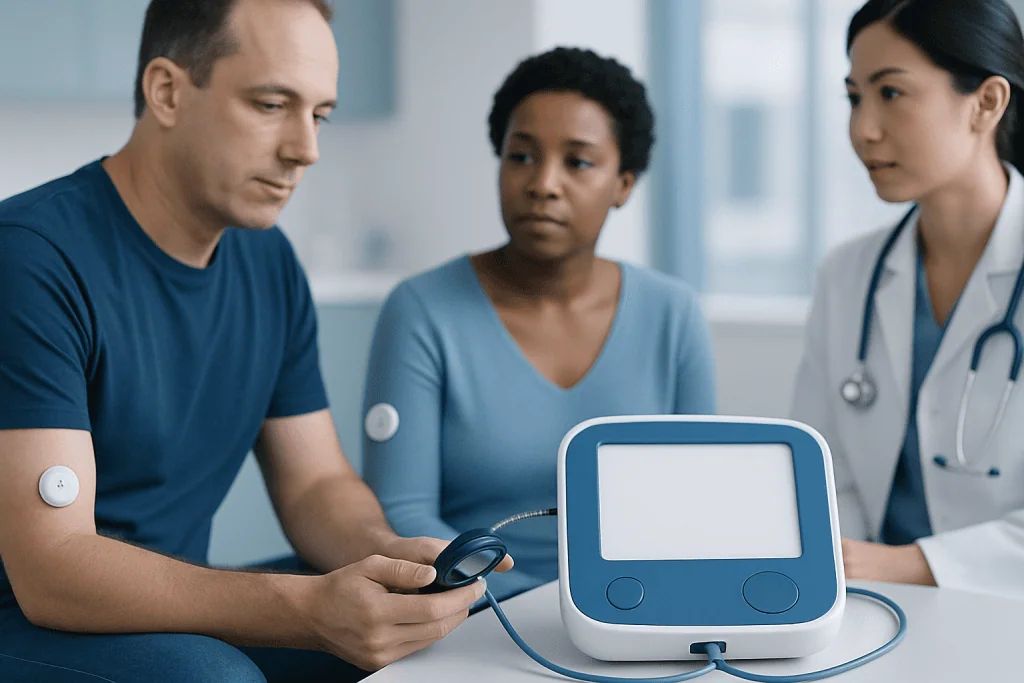
Both types of diabetes can cause the classic symptoms of high blood sugar: increased thirst, frequent urination, fatigue, blurred vision, and unexplained weight change. Because of this overlap, it is not always possible to know the type based on symptoms alone. Some people, especially with type 2 diabetes, may have few symptoms at first.
Type 1 diabetes often becomes noticeable over days or weeks. A child, teenager, or adult may suddenly start drinking a lot more water, waking at night to urinate, losing weight despite eating normally, or feeling unusually tired. Nausea, vomiting, abdominal pain, fruity-smelling breath, and deep or rapid breathing can be warning signs of diabetic ketoacidosis, an emergency caused by severe insulin deficiency.
Type 2 diabetes usually develops over months or years. People may notice gradual fatigue, increased thirst, more frequent urination, slower wound healing, recurrent skin or yeast infections, numbness or tingling in the feet, or blurred vision. Some are diagnosed only after a routine blood test shows high glucose or an elevated HbA1c.
There are also less typical forms that can blur the picture. For example, some adults have autoimmune diabetes that starts more slowly and may at first resemble type 2; this is often called latent autoimmune diabetes in adults. Others may have diabetes related to pregnancy, pancreatic disease, certain medicines, or inherited conditions, which is why careful assessment is important.
How doctors tell type 1 from type 2

Clinicians usually begin with the story and the physical exam. They consider the person’s age, how quickly symptoms appeared, whether there has been recent weight loss, family history, body weight, any history of autoimmune disease, and whether signs of dehydration or serious illness are present. These clues can strongly suggest one type, but they do not always give a complete answer.
The first step is confirming that diabetes is present. Doctors use blood tests such as fasting plasma glucose, a random glucose test, an oral glucose tolerance test in selected situations, and HbA1c, which reflects average blood sugar over the previous few months. If the person is unwell, urine or blood ketone testing may be done right away to look for diabetic ketoacidosis.
To identify the type, clinicians may order diabetes autoantibody tests. These can include antibodies such as GAD, IA-2, ZnT8, or insulin autoantibodies. A positive autoantibody test supports type 1 diabetes or another autoimmune form of diabetes, especially when the clinical picture fits.
C-peptide testing can also help. C-peptide is released when the body makes its own insulin, so low or absent C-peptide suggests the pancreas is producing very little insulin, which is more consistent with type 1 diabetes. A normal or higher C-peptide level, especially early in the illness, is more consistent with type 2 diabetes, although interpretation depends on timing, blood sugar level, and the person’s overall situation.
Causes and risk factors behind each type
Type 1 diabetes is caused by an autoimmune process. The immune system mistakenly attacks the pancreatic beta cells that produce insulin. The exact trigger is not fully understood, but genetic susceptibility and environmental factors are both thought to play a role. It is not caused by eating sugar, and it is not the result of lifestyle choices.
People with type 1 diabetes may also have other autoimmune conditions, such as autoimmune thyroid disease or celiac disease. A family history can increase risk, but many people diagnosed with type 1 have no close relative with the condition. Because insulin production falls sharply, blood sugar can rise quickly and symptoms can become severe in a short time.
Type 2 diabetes develops differently. The body becomes resistant to insulin, meaning insulin does not work as effectively as it should. At first the pancreas often compensates by making more insulin, but over time it may not be able to maintain enough production. This process is influenced by genetics, age, body fat distribution, physical inactivity, sleep patterns, and other metabolic factors.
Risk factors for type 2 diabetes include family history, overweight or obesity, sedentary lifestyle, previous gestational diabetes, polycystic ovary syndrome, high blood pressure, abnormal cholesterol, and certain ethnic backgrounds. Type 2 diabetes is closely linked with broader metabolic health and may occur alongside obesity or cardiovascular risk factors, but it can also affect people who do not appear overweight.
What to do after diagnosis: treatment for each case
Once the diagnosis is clear, treatment is tailored to the type of diabetes, the person’s age, symptoms, overall health, and blood sugar levels. Education is a central part of care. People need support to understand glucose monitoring, food choices, physical activity, medication use, and how to recognize blood sugar that is too high or too low.
Type 1 diabetes requires insulin because the body can no longer make enough of its own. This may be given by multiple daily injections or an insulin pump, together with regular glucose monitoring. Many people also benefit from continuous glucose monitoring, meal planning guidance, and practical advice on exercise, illness, travel, and school or work routines. Specialist teams may review options for diabetes treatment and structured long-term follow-up.
Type 2 diabetes treatment often starts with lifestyle measures such as nutrition changes, weight management, and regular physical activity, but medicines are frequently needed as well. Depending on the situation, treatment may include oral medications, non-insulin injectable medicines, or insulin. Some people with type 2 diabetes and significant excess weight may also be assessed for obesity surgery as part of a broader metabolic care plan.
Some cases are less straightforward than they seem. A person first labeled as having type 2 diabetes may later be found to have autoimmune diabetes if blood sugars rise quickly or tablets stop working sooner than expected. In complex or uncertain cases, endocrinology specialists may reassess the diagnosis and look for related conditions such as diabetes complications or associated autoimmune disease to guide more precise treatment.
Self-care, prevention, and living well
Type 1 diabetes cannot currently be prevented with lifestyle changes, but early recognition can reduce the risk of severe dehydration or ketoacidosis at diagnosis. Families, teachers, and patients can help by knowing the early warning signs: unusual thirst, frequent urination, tiredness, weight loss, and sudden worsening in a child or young adult. Prompt testing is important when these symptoms appear.
Type 2 diabetes can often be delayed or prevented in people at high risk. Helpful steps include regular physical activity, balanced eating patterns, weight management, not smoking, adequate sleep, and routine health checks. Even modest improvements in activity and nutrition can support better glucose control and reduce the risk of complications.
For both types, self-care is not only about sugar levels. Blood pressure, cholesterol, kidney health, foot care, eye checks, vaccinations, and dental care all matter. Learning how food, illness, stress, and exercise affect blood sugar can improve confidence and day-to-day wellbeing.
Long-term support often comes from a team that may include endocrinologists, diabetes nurses, dietitians, pediatric specialists, ophthalmologists, podiatrists, and educators. Near the end of the care journey planning process, some international patients choose centers such as Acibadem International, where multidisciplinary specialists in JCI-accredited hospitals diagnose and treat diabetes and related metabolic conditions.
When to seek medical care
Anyone with symptoms of possible diabetes should arrange medical evaluation, especially if thirst, frequent urination, blurry vision, fatigue, or unexplained weight loss are new or getting worse. Children and teenagers with these symptoms should be assessed promptly because type 1 diabetes can progress quickly.
Urgent medical care is needed if there is vomiting, abdominal pain, confusion, dehydration, fruity-smelling breath, deep or rapid breathing, severe weakness, or drowsiness. These symptoms may suggest diabetic ketoacidosis or another serious metabolic problem and should not be managed at home.
People who already have diabetes should also seek advice if blood sugar remains high despite treatment, if ketones are present, or if they cannot keep fluids down during an illness. Recurrent infections, foot wounds, or vision changes should also be discussed with a doctor because they may need timely treatment.
If the diagnosis is uncertain, specialist review can be helpful. This is especially true for adults with sudden weight loss, ketosis, or very high sugars who seem to have type 2 diabetes at first, or for children and adolescents with features that do not fit the usual pattern.
Frequently asked questions
Can type 1 and type 2 diabetes cause the same symptoms?
Yes. Both can cause thirst, frequent urination, fatigue, blurred vision, and weight changes because both raise blood sugar. The main difference is that type 1 often appears more suddenly, while type 2 usually develops more gradually.
Can an adult develop type 1 diabetes?
Yes. Although type 1 diabetes is often diagnosed in childhood or adolescence, it can begin at any age. In adults it may sometimes be mistaken for type 2 diabetes until antibody or C-peptide testing helps clarify the diagnosis.
Do people with type 2 diabetes always avoid insulin?
No. Many people with type 2 diabetes can be managed first with lifestyle changes and non-insulin medicines, but some eventually need insulin. The need for insulin depends on blood sugar levels, symptoms, pancreatic function, and overall health.
What tests help doctors tell type 1 from type 2 diabetes?
Doctors usually confirm diabetes with blood glucose tests and HbA1c, then use the clinical picture together with ketone testing, diabetes autoantibodies, and C-peptide when needed. These tests help show whether the body is making insulin and whether an autoimmune process is present.
Is type 2 diabetes caused only by diet?
No. Type 2 diabetes is influenced by several factors, including genetics, insulin resistance, body weight, physical activity, sleep, and age. Diet is important, but it is only one part of a much broader metabolic picture.
When is diabetes a medical emergency?
It becomes urgent when symptoms suggest diabetic ketoacidosis or severe dehydration, such as vomiting, abdominal pain, confusion, deep breathing, or unusual drowsiness. Anyone with these symptoms should seek immediate medical care.
References
- American Diabetes Association
- National Institute of Diabetes and Digestive and Kidney Diseases
- Centers for Disease Control and Prevention
- National Health Service
- World Health Organization
This article is for general information only and is not a substitute for professional medical advice. Please consult a qualified doctor about your individual situation.
Type 2 Diabetes in Turkey — costs, top hospitals & a free quote
JCI-accredited · board-certified surgeons · reply within 24h
Add us as a Preferred Source to see more of our trusted health content across Google Search, AI Overviews and Discover.
Check your numbers in seconds
BMI, calories, due date, blood pressure and 30+ more clinical calculators — free, instant, doctor-reviewed ranges.

Check-up & Preventive Medicine
Comprehensive health screenings designed for early detection and prevention.
3 specialists in this unit