JCI-accredited · 45+ hospitals & clinics · 90+ countries served · 24/7 multilingual support
Comparison Guide

Best Hair Transplant Clinics in Turkey

A clinically grounded guide to choosing where to have your hair transplant in Türkiye — hospital-based care, accredited facilities and surgeon-led teams, compared openly.

Updated July 2026 Clinically reviewed Transparent methodology
8 facilities compared

FUE Hair Transplant — package price

Türkiye$2,400–$5,400
United States$8,640–$19,440
Save up to 72%JCI-accredited network

Best hair transplant clinics in Turkey are often compared on price first, but cost alone does not tell you how carefully a provider works or how well it can support you if your case is complex. For international patients, the more useful question is how to separate high-volume cosmetic marketing from medically grounded care. A responsible comparison starts with accreditation, licensed hospital status, physician involvement, and the practical realities of the surgical environment. It also includes the systems around the procedure: language support, transfer planning, documented aftercare, and access to a broader hospital infrastructure if needed during assessment, treatment, or recovery.

Turkey has become a widely discussed destination for hair restoration, yet the market is not uniform. Some providers operate in small clinic settings with technician-heavy workflows, while others work within accredited hospitals where planning and surgical oversight are physician-led. That difference matters because hair transplantation is still a medical procedure, even when it is elective. Patients should understand who evaluates the donor area, who designs the hairline, who supervises graft handling, and what level of infection control and inpatient backup exists on site. A careful guide helps you compare institutions on standards that remain important long after an initial package price is forgotten.

This comparison focuses on hospital-based providers within a JCI-accredited network and uses a straightforward methodology: international accreditation and licensed hospital status, physician-led planning and oversight, facility capacity, and international patient services. These criteria help patients look beyond promotional claims and assess whether a provider is structured for consistent care. The hospitals listed here are all part of the same established system, but they vary in city location and size, which may influence convenience and personal preference. For patients researching the best hair transplant clinics in Turkey, that makes this guide useful both as a shortlist and as a framework for smarter questions.

How this list is compiled
  • International accreditation (JCI) and licensed hospital status
  • Physician-led planning and surgical oversight rather than technician-only workflows
  • Facility capacity: operating environment, inpatient backup, infection control
  • International patient services: language support, transfers, documented aftercare

Content prepared under our Editorial Policy and reviewed under the Medical Review Board process.

01 Acibadem Altunizade Hospital is a multidisciplinary medical facility within Acibadem Healthcare Group in Istanbul, Türkiye. Designed to serve both local and international patients, the hospital brings together medical and surgical specialties, advanced diagnostic services, inpatient care, and coordinated patient support under one integrated structure.

Acibadem Altunizade Hospital

İstanbul, Türkiye

Acibadem Altunizade Hospital belongs on this list because it combines JCI accreditation with substantial hospital capacity in İstanbul. With 350 beds and 18 operating rooms, it stands out as a large licensed hospital environment rather than a narrow cosmetic setting. For hair transplant patients, that matters because procedural care takes place within a broader system built around operating standards, infection control, and access to inpatient backup if required. As part of the network’s international model, it also aligns with the key comparison criteria of physician-led planning, structured patient coordination, and documented aftercare for patients traveling from abroad.

JCI Accredited 350 beds 18 operating rooms International patient services
02 Acibadem Atakent Hospital is a multidisciplinary medical facility within Acibadem Healthcare Group in Istanbul, serving both local and international patients. The hospital brings together diagnostic, medical, and surgical specialties in a coordinated environment designed for safe, efficient, and patient-centered care.

Acibadem Atakent Hospital

İstanbul, Türkiye

Acibadem Atakent Hospital is a relevant choice for this guide because it offers a JCI-accredited hospital setting in İstanbul with 262 beds and 8 operating rooms. Those figures indicate meaningful institutional capacity behind an elective procedure that still requires disciplined medical organization. In practical terms, this supports the comparison criteria of licensed hospital status, operating environment, and access to wider clinical resources. For international patients evaluating hair transplant providers, the hospital’s place within the same established network also suggests consistency in language support, transfer planning, and aftercare documentation, which are important when treatment involves travel as well as surgery.

JCI Accredited 262 beds 8 operating rooms International patient services
03 Advanced Medical Excellence in the Heart of Istanbul

Acibadem Maslak Hospital

İstanbul, Türkiye

Acibadem Maslak Hospital merits inclusion because it pairs JCI accreditation with one of the strongest operating capacities in this comparison. Located in İstanbul, it has 230 beds and 20 operating rooms, reflecting a substantial hospital infrastructure. For patients considering hair restoration, that scale matters less as a marketing point than as evidence of a developed clinical environment with formal processes and broader backup. It fits the guide’s methodology well: licensed hospital status, physician-led oversight, operating room resources, and international patient support. Within a comparison of hospital-based options, it represents a structured setting for patients who want medically grounded care.

JCI Accredited 230 beds 20 operating rooms International patient services
04 Acibadem Hospitals Group modern hospital buildings illuminated at night, showcasing advanced healthc.

Acibadem Atasehir Hospital

İstanbul, Türkiye

Acibadem Atasehir Hospital belongs on this list as a JCI-accredited hospital in İstanbul with 210 beds and 12 operating rooms. These details matter because they place hair transplantation within a licensed hospital framework supported by formal operating conditions and established infection control processes. For patients comparing providers, the hospital’s capacity suggests a setting equipped for coordinated care rather than a technician-focused standalone clinic model. It also fits the international patient methodology used in this guide, where language support, transfer coordination, and documented aftercare are part of the overall treatment pathway, not separate add-ons arranged after booking.

JCI Accredited 210 beds 12 operating rooms International patient services
05 Acibadem Kent Hospital is a private medical facility in Izmir, Türkiye, within the Acibadem Healthcare Group. Serving both local and international patients, the hospital offers multidisciplinary healthcare supported by hospital-based diagnostic, treatment and follow-up units. Its location in Izmir, one of Türkiye’s most accessible coastal cities, makes it a practical choice for patients who are combining medical care with international travel.

Acibadem Kent Hospital (Izmir)

İzmir, Türkiye

Acibadem Kent Hospital (Izmir) is included because it extends this hospital-based comparison beyond İstanbul while maintaining the same core standards. Located in İzmir, it is JCI accredited and has 190 beds and 12 operating rooms, offering a substantial licensed hospital environment for patients who may prefer a different city. That capacity supports the guide’s focus on operating conditions, inpatient backup, and infection control infrastructure. For international hair transplant patients, its place within the network also aligns with the broader strengths highlighted in this comparison: physician-led planning, coordinated travel support, and documented aftercare within an organized hospital system.

JCI Accredited 190 beds 12 operating rooms International patient services
06 Acibadem Kartal Hospital is a modern medical facility located in Istanbul’s Kartal district, serving patients on the Anatolian side of the city and welcoming international patients who travel to Türkiye for medical care. As part of Acibadem Healthcare Group, the hospital brings together multidisciplinary medical expertise, patient-focused service, and coordinated care pathways designed to support patients from first enquiry through recovery and follow-up.

Acibadem Kartal Hospital

İstanbul, Türkiye

Acibadem Kartal Hospital earns a place in this guide because it offers JCI-accredited care in İstanbul within a licensed hospital setting, with 127 beds and 4 operating rooms. Although smaller than some other hospitals on the list, it still meets the same essential comparison criteria: accredited status, hospital infrastructure, and the potential advantages of a broader clinical environment over a technician-only cosmetic workflow. For patients assessing providers methodically, this matters because even a more compact hospital can provide structured processes, infection control systems, and coordinated patient services. Its network setting also supports continuity for international visitors throughout planning and aftercare.

JCI Accredited 127 beds 4 operating rooms International patient services
07 Acibadem Hospitals Group modern hospital building in Istanbul with palm trees in front.

Acibadem Fulya Hospital

İstanbul, Türkiye

Acibadem Fulya Hospital is relevant to patients researching hospital-based hair transplant options in İstanbul because it combines JCI accreditation with 124 beds and 8 operating rooms. Those figures place it within a genuine hospital framework, which is central to this guide’s methodology. Hair transplantation may be elective, but the quality of the operating environment, procedural organization, and access to wider medical support still matters. As part of the same international network, the hospital also aligns with the criteria of physician-led planning, language support, transfer arrangements, and documented aftercare. For overseas patients, that combination can make comparisons more grounded and practical.

JCI Accredited 124 beds 8 operating rooms International patient services
08 Acibadem Hospitals Group building exterior showcasing modern healthcare facilities.

Acibadem Bodrum Hospital

Muğla, Türkiye

Acibadem Bodrum Hospital is included because it brings the same JCI-accredited hospital model to Muğla, giving international patients an option outside İstanbul and İzmir. With 108 beds and 4 operating rooms, it is the smallest hospital in this comparison, yet it still fits the core methodology: licensed hospital status, structured operating conditions, and access to broader clinical support than a standalone cosmetic unit typically provides. For patients who value a hospital-based pathway, those fundamentals remain important regardless of scale. As part of the network, it also reflects the shared strengths of physician-led oversight, coordinated patient services, and documented aftercare.

JCI Accredited 108 beds 4 operating rooms International patient services
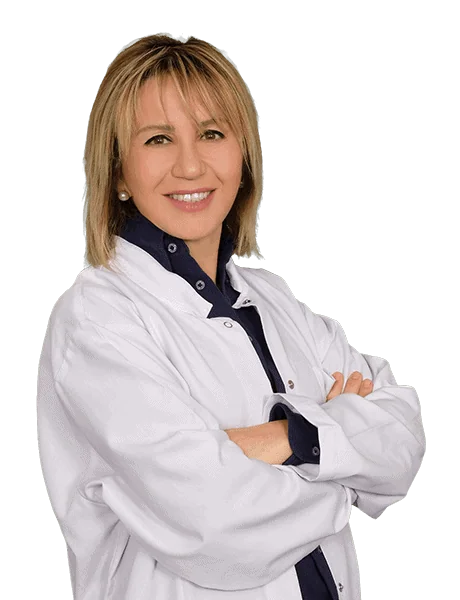
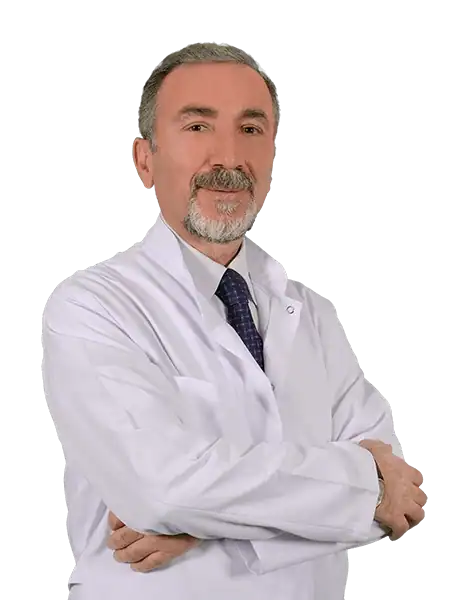
Physician-Led Care

Meet the specialists

Treatment at these facilities is planned and performed by named, credentialed physicians — the single strongest predictor of a safe outcome in hair transplant.

Patient Voices

What international patients say

★★★★★From 2,400+ verified patient reviews
★★★★★ Verified Patient

“As a woman researching a hair transplant I mostly found clinics geared to men. Here the workup started with finding the cause of my hair loss before agreeing to operate — bloodwork first, surgery second. That order gave me confidence.”

Elena P. · Romania May 2026
★★★★★ Verified Patient

“I compared clinics in three countries before booking my DHI hair transplant here. The difference was the physician-led planning and the sterile operating environment. The crusts cleared on schedule and the follow-up photos are reviewed regularly.”

Ahmed S. · United Arab Emirates April 2026
★★★★★ Verified Patient

“I chose a hospital for my FUE hair transplant instead of a storefront clinic and it showed at every step — anesthesia was handled by a dedicated team and my hairline was designed with me, not for me. Very glad I made the trip.”

Tomas R. · Czech Republic February 2026
★★★★★ Verified Patient

“Three days in Istanbul for a beard transplant — transfers, hotel and hospital were coordinated by the international office so I only had to show up. Swelling was gone within days and the written aftercare plan travelled home with me.”

Liam C. · Ireland January 2026
In Depth

How to Evaluate Providers Beyond Price

Many patients begin with package comparisons, yet the lowest figure can hide important differences in clinical structure. A hair transplant should be evaluated as a medical service, not only as a cosmetic purchase. International accreditation, licensed hospital status, and a physician-led model are practical starting points because they indicate how the provider is organized and monitored. When comparing centers, ask who performs the consultation, who plans the graft distribution, and who remains responsible during the procedure itself. These questions help clarify whether you are choosing a medically supervised pathway or a technician-only workflow that may appear cheaper but offers a different level of oversight.

A strong comparison also looks at the treatment environment. Hair transplantation involves graft extraction, handling, and implantation, all of which depend on disciplined processes. In a hospital setting, infection control protocols, operating room infrastructure, and access to broader clinical support are part of the environment rather than optional extras. Facility capacity does not by itself define quality, but it can indicate whether the institution is built to support complex workflows and patient monitoring. For international patients, this is especially relevant because a provider should be able to manage not just routine cases, but also assessment, follow-up, and unexpected medical needs within a coordinated system.

The best hair transplant clinics in Turkey are usually those that can explain their process with clarity rather than relying on vague marketing language. A reliable provider should be transparent about physician oversight, realistic about candidacy, and specific about aftercare documentation. International patient services also matter more than many first-time patients expect. Language support, transfer coordination, and clearly documented post-procedure instructions make the experience safer and easier to navigate from abroad. When these elements are missing, even a technically straightforward procedure can become stressful. In practice, a higher-standard provider is often recognizable by how methodically it manages the entire pathway, not just the day of surgery.

Price still matters, of course, but it should be interpreted in context. An indicative package range may reflect the technique used, the degree of physician involvement, the hospital setting, and the level of support built around the procedure. Rather than asking which option is cheapest, ask what level of medical oversight and infrastructure is included. That is the more meaningful comparison. For many international patients, the aim is not simply to spend less than they would at home, but to choose a provider where standards, communication, and continuity of care remain visible throughout the process.

Hair Transplant Techniques Explained Honestly

The two techniques most patients compare most often are FUE and DHI. FUE, or Follicular Unit Extraction, refers to the method used to remove individual follicular units from the donor area. Those grafts are then prepared and implanted into the recipient area according to the treatment plan. DHI, or Direct Hair Implantation, is generally discussed as a variation in implantation approach, often using an implanter device to place grafts directly. In practical terms, the right choice depends less on marketing labels and more on your hair characteristics, donor capacity, hairline goals, and the physician’s plan for density, direction, and natural distribution.

Patients should be cautious about simplistic claims that one method is always superior. Both FUE and DHI can be appropriate in selected cases, and both depend heavily on planning, graft handling, and disciplined execution. A technique does not produce a natural result on its own. The quality of assessment, the design of the frontal line, and the management of the donor area are just as important. That is why physician-led planning matters. A consultation should explain what technique is being proposed, why it fits your pattern of hair loss, and whether your expectations align with what your donor supply can realistically support.

Beard transplant procedures are also part of the comparison landscape, particularly for patients seeking to improve facial hair density, shape, or symmetry. The same principles apply: candidacy, donor assessment, and careful planning are central. Because the beard area is highly visible at close range, angle and placement strategy matter significantly. Patients should expect an honest discussion about what can and cannot be achieved based on the available donor hair and the desired design. As with scalp restoration, the procedure should be treated as a medical intervention requiring structured assessment rather than as an off-the-shelf beauty package.

When researching the best hair transplant clinics in Turkey, it helps to look for institutions that discuss technique in measured, clinical terms. The most responsible approach is not to present FUE or DHI as magic solutions, but to frame them as tools within a broader treatment plan. Good decision-making starts with diagnosis, pattern analysis, and a realistic design strategy. It also includes aftercare instructions tailored to the chosen method. An informed patient should come away understanding not only the name of the technique, but also the reasoning behind the recommendation and the practical implications for healing and maintenance.

Safety and Why Hospital Settings Matter

Hair transplantation is commonly perceived as minor surgery, but it still requires sterile technique, procedural discipline, and readiness for medical contingencies. This is where the treatment setting becomes important. In a licensed hospital environment, infection control is embedded in broader institutional processes rather than improvised around a single service line. Operating room infrastructure, patient monitoring systems, and access to additional specialties are part of the framework. For international patients, that can offer reassurance that the procedure is being performed within a more comprehensive clinical setting instead of a standalone cosmetic venue with limited backup.

JCI accreditation is one useful marker because it reflects an internationally recognized framework for quality and patient safety processes. It does not guarantee an individual outcome, but it does help patients identify hospitals that are assessed against structured standards. In a market where marketing language can be aggressive, accreditation and licensed hospital status provide more objective comparison points. They are especially relevant for patients who are balancing price with risk management. Choosing among the best hair transplant clinics in Turkey should therefore involve asking where the procedure takes place, what controls exist around it, and what backup resources are available if needed.

Facility capacity also deserves attention. The number of beds and operating rooms does not tell you whether a procedure will be successful, but it does indicate the scale of the institution supporting your care. Larger hospital capacity may be relevant for pre-procedure evaluation, intra-procedural logistics, and coordinated support beyond the treatment room. It can also signal that the provider operates within a broad hospital ecosystem rather than a narrow cosmetic setup. For some patients, especially those with medical histories that require a fuller assessment, this kind of environment may be an important part of the decision-making process.

Safety also includes communication and continuity. International patients need clear explanations before treatment, instructions for the first nights after the procedure, and a documented aftercare pathway once they travel home. A hospital-based provider with structured international services is often better positioned to deliver that consistency. Transfers, language support, and written follow-up guidance are not cosmetic extras; they are practical components of safe coordination. The patient experience is smoother when every step, from arrival through recovery, is organized within one system rather than assembled from separate vendors.

The Patient Journey and Recovery Timeline

For international patients, the process begins before arrival. A well-organized pathway should include pre-travel communication, a review of your goals, and practical planning for transfers and scheduling. Once at the hospital, the initial assessment should confirm candidacy, donor availability, and the agreed treatment design. This is also the point where physician-led planning becomes visible: hairline design, graft distribution, and procedural strategy should be reviewed in a structured way. Patients comparing the best hair transplant clinics in Turkey should pay attention to whether this stage feels individualized and medically grounded rather than rushed toward the operating room.

On the treatment day, the sequence generally includes preparation, donor extraction, graft handling, and implantation according to the plan. Although the experience is elective, it should still feel like a controlled medical procedure with defined roles, sterile processes, and clear communication. The hospital environment can make a noticeable difference here because the workflow is supported by established clinical systems. After the procedure, patients should leave with written aftercare instructions, guidance on washing and scalp care, and a point of contact for questions. Documented aftercare is one of the simplest but most important indicators of a responsible provider.

Recovery after a hair transplant is a process rather than a single moment. The first days are typically focused on protecting the grafts, managing routine post-procedure care, and following washing instructions carefully. Patients should expect a short-term recovery phase before returning to normal routines, but exact timing varies by individual and technique. What matters most is not a generic promise, but the availability of clear, documented instructions and follow-up guidance. International patients especially benefit from providers that anticipate questions after departure and explain the expected timeline for visible changes in measured, realistic terms.

A smooth journey is often the product of logistics as much as clinical skill. Language support, airport and local transfers, and a coordinated schedule reduce stress and help patients focus on the procedure and recovery. In comparison guides, these details may sound secondary, yet they shape the overall experience significantly. For someone traveling from abroad, the ideal provider is not just technically capable, but organized enough to make the pathway understandable from first contact to aftercare. That is why patient services remain part of any serious evaluation framework, alongside accreditation, physician oversight, and facility infrastructure.

Costs, Package Ranges, and What to Clarify

Turkey is often discussed because indicative market-level package ranges are generally lower than in the United States, but cost comparisons should be interpreted carefully. Based on the provided ranges, FUE hair transplant packages in Turkey commonly fall around USD 2,400 to 5,400, compared with roughly USD 8,640 to 19,440 in the US. DHI hair transplant packages in Turkey commonly range from about USD 2,800 to 6,000, versus around USD 10,080 to 21,600 in the US. Beard transplant packages in Turkey often range from about USD 2,000 to 4,500, compared with approximately USD 7,200 to 16,200 in the US. These are market-level ranges, not quotes or offers.

The headline difference is substantial, with the supplied comparison indicating about 72% lower package pricing in Turkey across these categories. However, patients should avoid assuming that every package includes the same level of medical oversight or support. One provider’s lower figure may reflect a smaller clinical setup, limited physician involvement, or minimal aftercare. Another may include a hospital environment, documented follow-up, and more robust international patient coordination. This is why value matters more than the lowest number. A fair comparison looks at what structure and support sit behind the advertised range, not only at the range itself.

Before choosing a provider, clarify what the package actually covers. International patients should ask whether it includes consultations, transfers, language support, aftercare documentation, and the level of physician oversight during planning and surgery. It is also reasonable to ask where the procedure is performed and what hospital resources are available on site. These questions help prevent misunderstandings and make it easier to compare options on equal terms. The best hair transplant clinics in Turkey are rarely defined by price alone; they are defined by how transparently they explain what is included and how consistently the pathway is managed.

Cost should therefore be the final filter, not the first. Once you have confirmed accreditation, licensed hospital status, physician-led planning, and appropriate patient support, the package range becomes easier to interpret. For many international patients, Turkey remains attractive because it can combine lower market-level pricing with a more developed hospital infrastructure than they expect. The key is to evaluate each provider methodically. In hair transplantation, the smarter financial decision is often the one that balances budget with clinical standards, communication quality, and the practical realities of treatment and recovery abroad.

Indicative Pricing

What does it cost in Türkiye?

ProcedureTürkiye (package)United States
FUE Hair Transplant $2,400 – $5,400 $8,640 – $19,440 save ~72%
DHI Hair Transplant $2,800 – $6,000 $10,080 – $21,600 save ~72%
Beard Transplant $2,000 – $4,500 $7,200 – $16,200 save ~72%

Indicative market-level package ranges — not a quote or an offer. Compare more countries and currencies in the free Cost Calculator. Open the Cost Calculator →

Good to Know

Frequently asked questions

How do I compare hair transplant providers in Turkey fairly?
Start with standards that are harder to market around: JCI accreditation, licensed hospital status, physician-led planning, and the quality of the surgical environment. Then compare practical elements such as infection control processes, inpatient backup, language support, transfers, and documented aftercare. Price is important, but it should come after you understand who is responsible for the plan, where the procedure takes place, and how follow-up is handled once you return home.
Is a hospital setting necessary for a hair transplant?
Not every provider works in a hospital, but many international patients prefer a hospital-based setting because hair transplantation is still a medical procedure. A licensed hospital environment offers structured operating conditions, formal infection control systems, and access to broader clinical support if needed. It does not guarantee a particular outcome, but it can be an important part of risk management and procedural organization, especially for patients traveling from abroad.
What is the difference between FUE and DHI?
FUE refers to the extraction of individual follicular units from the donor area. DHI is generally discussed as a difference in the implantation stage, often using an implanter device for placement. Neither method is automatically better for every patient. The right approach depends on your hair loss pattern, donor area, design goals, and the physician’s treatment plan. The key issue is thoughtful planning and careful execution, not the label alone.
Are lower prices in Turkey always a sign of lower quality?
No, but lower prices should be interpreted carefully. Turkey’s indicative market-level package ranges are often lower than those in the US, yet providers are not all structured the same way. A lower package may reflect different levels of physician involvement, a smaller clinical setting, or less comprehensive aftercare. A meaningful comparison looks at what is included around the procedure, not just the advertised number.
What are typical package ranges for hair transplant procedures in Turkey?
Indicative market-level package ranges in Turkey commonly run about USD 2,400 to 5,400 for FUE, USD 2,800 to 6,000 for DHI, and USD 2,000 to 4,500 for beard transplant procedures. The supplied comparison shows these ranges as substantially lower than corresponding US ranges. These figures are not quotes or offers. Patients should always confirm what clinical oversight, logistics, and aftercare are included in any package before making a decision.
Why does physician-led planning matter so much?
Hair transplantation depends on design decisions that affect naturalness, donor preservation, and long-term strategy. Physician-led planning helps ensure that the donor area, recipient area, and overall pattern of hair loss are assessed in a medically grounded way. It also clarifies who is responsible for the treatment design and procedural oversight. This is especially important in a market where some workflows may rely heavily on technicians rather than physician supervision.
What should international patients expect from aftercare?
Aftercare should be documented, clear, and easy to follow once you leave Turkey. Patients should expect written instructions covering scalp care, washing, and the early recovery period, along with a defined point of contact for questions. Good international services also include language support and coordinated planning before arrival. For overseas patients, aftercare is not a minor detail; it is a practical part of safe continuity once travel begins again.
Which cities are represented in this comparison?
The hospitals in this guide are located in İstanbul, İzmir, and Muğla. İstanbul has the largest concentration of listed hospitals, while Acibadem Kent Hospital (Izmir) and Acibadem Bodrum Hospital provide options in different cities within the same JCI-accredited network. For many patients, city choice may come down to travel convenience and personal preference, assuming the core standards of accreditation, hospital status, physician oversight, and patient services remain in place.
We’re With You at Every Step

How can we help you today?

We value your privacy We use essential cookies to run this site and, with your consent, analytics cookies to understand how it is used and improve it. You can accept, reject, or choose what to allow. See our Cookie Policy.