Ear Seeds: A Complete Medical Overview

Ear seeds are applied to pressure points on the outer ear, not inserted into the skin. They are used as a complementary therapy and may help some people manage certain symptoms.
Key Takeaways
- Ear seeds are applied to pressure points on the outer ear, not inserted into the skin.
- They are used as a complementary therapy and may help some people manage certain symptoms.
- Scientific evidence is still developing, so results can vary from person to person.
- Ear seeds are generally low risk when used carefully, but they can irritate the skin or delay proper care if relied on alone.
- Persistent pain, hearing changes, dizziness, or signs of infection should be assessed by a qualified doctor.
Ear seeds are small pellets attached to specific points on the outer ear as a form of auriculotherapy, a complementary practice related to acupuncture and acupressure. Some people use them to support symptom relief for stress, pain, sleep problems, or nausea, but they are not a replacement for medical diagnosis or standard treatment.
What are ear seeds?
Ear seeds are small pellets, usually made from plant seeds, metal, or ceramic material, placed on the outer ear with adhesive tape. They are used in auriculotherapy, a complementary technique based on the idea that specific points on the ear correspond to different body areas or functions. Unlike acupuncture needles, ear seeds stay on the skin surface and are gently pressed from time to time.
People often ask whether ear seeds truly work. The most accurate answer is that ear seeds may help some people with symptom management, especially for concerns such as stress, mild pain, nausea, or sleep difficulties, but they should be viewed as supportive rather than curative. The research base is mixed, and benefits are not guaranteed.
Ear seeds are commonly used in wellness settings, integrative medicine clinics, and sometimes alongside standard care. For patients who prefer a noninvasive approach, they can feel more approachable than needles. Even so, it is important to understand that ear seeds do not diagnose illness and should not replace an evaluation when symptoms are ongoing or severe.
How ear seeds are thought to work
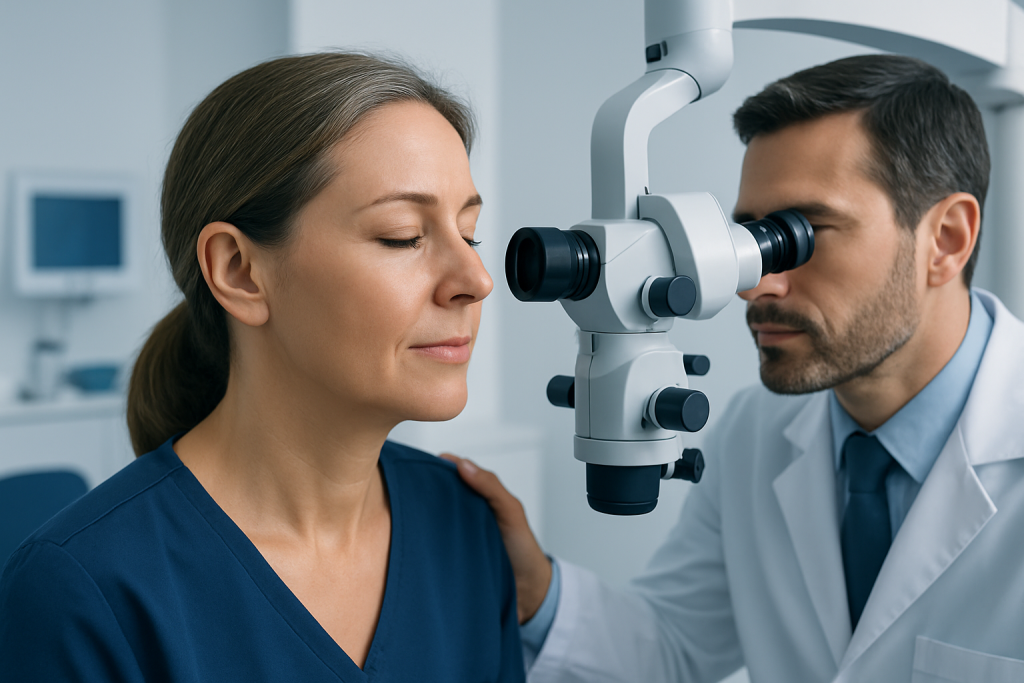
Auriculotherapy is rooted in traditional East Asian medicine and has also been studied through modern pain and nervous system theories. In practice, a trained provider selects points on the outer ear and places the seeds there so the person can apply light pressure during the day. This pressure is believed to stimulate local nerves and influence symptom perception.
Researchers have explored whether ear stimulation may affect the autonomic nervous system, pain pathways, stress response, and nausea control. These mechanisms are still being studied, and no single explanation fully accounts for all reported effects. This means ear seeds remain a complementary option rather than a proven primary treatment for most medical conditions.
Some people notice temporary relaxation, improved body awareness, or mild symptom relief after using ear seeds. Others feel little or no change. Response can depend on the symptom being treated, the exact point placement, the skill of the practitioner, and the person’s overall health.
Why people use ear seeds

Ear seeds are most often used to support symptom relief rather than to treat a disease directly. People may try them for stress, anxiety, tension headaches, sleep difficulties, nausea, smoking cessation support, chronic pain, or jaw discomfort. In some settings, they are offered as part of a broader plan that may also include counseling, physical therapy, medication, or lifestyle measures.
It is important to keep expectations realistic. Ear seeds may be used for comfort and self-management, but they are not a substitute for appropriate treatment of conditions such as persistent ear pain, recurrent dizziness, hearing loss, or serious headache. For example, symptoms linked to vertigo or a structural ear problem may need specialist assessment.
Ear-related symptoms can also overlap with nose and throat conditions, jaw disorders, neurological issues, and stress-related complaints. If symptoms involve the ear itself, some people may benefit from an ENT evaluation and, when needed, tests such as hearing testing to understand the cause more clearly.
- Common reasons people try ear seeds include mild pain, stress, poor sleep, nausea, and habit support.
- They are usually used alongside, not instead of, conventional care.
- Benefits tend to be modest and vary between individuals.
What the evidence says
Scientific studies on ear seeds and auriculotherapy suggest there may be benefit for some symptoms, especially pain, anxiety, sleep quality, and nausea in certain situations. However, the quality of evidence is uneven. Many studies are small, use different methods, or combine ear seeds with other therapies, which makes results harder to interpret.
For patients, the practical message is balanced: ear seeds may be worth discussing as a low-risk complementary option, but they should not be presented as a proven cure. If they help, they are best understood as one part of a broader treatment plan that addresses the underlying cause of symptoms.
Evidence also matters because symptom relief can come from many factors, including relaxation, expectancy, touch, and structured self-care. That does not mean the experience is unimportant, but it does mean medical decisions should still be guided by proper diagnosis and standard treatment recommendations.
Safety, side effects, and who should be cautious
Ear seeds are generally considered low risk when applied to healthy skin by a trained professional or according to reliable instructions. The most common side effects are mild tenderness, redness, itching, skin irritation, or discomfort from pressing too hard. Some people may react to the adhesive rather than the seed itself.
They should not be placed over broken skin, rashes, active infection, burns, or recent ear piercings. People with very sensitive skin, adhesive allergies, or certain dermatologic conditions may need extra caution. Good hygiene is important because the outer ear can become irritated if the area is not kept clean and dry.
Pregnant patients, people with complex medical conditions, and those using ear seeds for severe symptoms should speak with a clinician first. The main safety concern is not usually the seed itself, but the possibility of delaying evaluation for a condition that needs medical treatment. For example, persistent imbalance may require assessment and sometimes ENT care.
How ear seeds are used and what to expect
During a session, the practitioner identifies target points on the outer ear and applies the seeds with adhesive tape. The placement is not usually painful, although the points can feel slightly tender. Patients are commonly advised to press the seeds gently for a few seconds several times a day, especially when symptoms occur.
Ear seeds are often left in place for several days and then removed or replaced. Exact timing varies depending on the material used, skin sensitivity, and the provider’s instructions. The ear should be monitored for redness, swelling, discharge, or worsening tenderness, and the seeds should be removed if irritation develops.
Because the outer ear contains many small structures, point selection is individualized rather than one-size-fits-all. A person using ear seeds for nausea may have different points from someone using them for stress or jaw tension. Patients with ear discomfort, hearing concerns, or repeated ear infections may need examination and, in some cases, ear surgery or other standard treatments rather than pressure-point therapy alone.
When to seek medical care
Ear seeds should not be used as a stand-alone response to serious or unexplained symptoms. Medical care is important if a person has significant ear pain, fever, drainage from the ear, sudden hearing loss, ringing that starts suddenly, severe dizziness, fainting, facial weakness, or symptoms after head injury. These can signal problems that need timely evaluation.
Care is also appropriate when symptoms are persistent, repeatedly returning, or interfering with daily life. Ongoing balance problems, chronic headaches, jaw pain, neck pain, or nausea may have several possible causes, and a doctor can help identify the reason and guide treatment.
For international patients who need specialist input, Acibadem International’s multidisciplinary teams and JCI-accredited hospitals diagnose and treat ear, balance, and related conditions with individualized care plans. Complementary approaches can sometimes be discussed, but they are best considered after an accurate medical assessment.
Frequently asked questions
Do ear seeds really work?
Ear seeds may help some people manage symptoms such as stress, mild pain, sleep difficulty, or nausea. However, the evidence is mixed, and results are not consistent for everyone. They are best used as a complementary option rather than a replacement for medical care.
Are ear seeds the same as acupuncture?
No. Ear seeds are attached to the skin surface and work through gentle pressure, while acupuncture uses thin needles inserted at specific points. Both may be part of auriculotherapy, but they are different techniques.
Can ear seeds help with anxiety or stress?
Some people use ear seeds to support relaxation and stress reduction, and a few studies suggest possible short-term benefit. Even so, they should not replace mental health care when anxiety is severe, persistent, or affecting daily function. A clinician can recommend the most appropriate treatment plan.
How long should ear seeds stay on?
This depends on the product and the instructions given by the practitioner, but they are often worn for several days. They should be removed earlier if the skin becomes red, itchy, swollen, or painful. Good skin care and hygiene are important during use.
Can ear seeds cause side effects?
Yes, although side effects are usually mild. The most common ones are skin irritation, tenderness, itching, and discomfort from pressing too hard. If there is rash, drainage, marked pain, or signs of infection, the seeds should be removed and medical advice should be sought.
Who should avoid ear seeds?
People with broken skin, ear infections, adhesive allergies, or significant skin sensitivity should be cautious or avoid them. Those who are pregnant, medically complex, or using them for severe symptoms should speak with a healthcare professional first. Ear seeds should not delay care for hearing loss, severe dizziness, or other concerning symptoms.
References
- World Health Organization
- National Center for Complementary and Integrative Health
- National Institutes of Health
- American Academy of Otolaryngology–Head and Neck Surgery
- Cochrane
This article is for general information only and is not a substitute for professional medical advice. Please consult a qualified doctor about your individual situation.
Persistent digestive symptoms? Get evaluated in Turkey
JCI-accredited · board-certified surgeons · reply within 24h
Add us as a Preferred Source to see more of our trusted health content across Google Search, AI Overviews and Discover.

More from the Health Library



Related Specialists

Dr. Sevgi Selen
Gynecology & Obstetrics
Fzt. Gönül Zervent
Physical Medicine & Rehabilitation
Assoc. Prof. Dr. Bedriye Koyuncu Sökmen
Gastrointestinal Oncology Unit Clinical Service
Prof. Dr. Sevgi Şahin
Nephrology