Blue Waffles: What Patients Need to Know
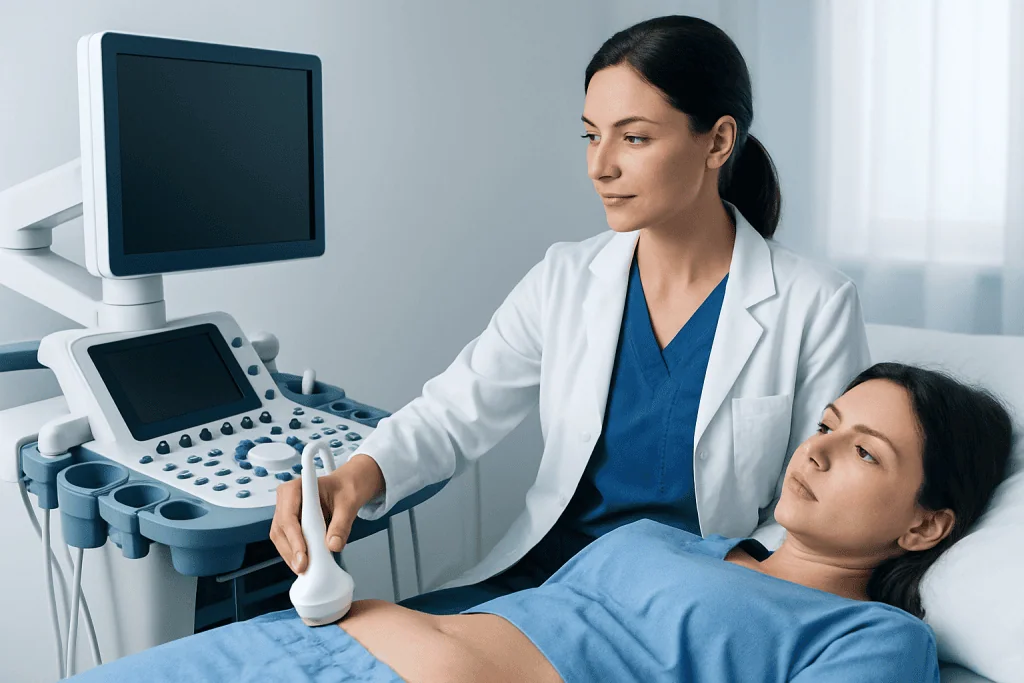
Blue waffles is an internet myth, not a medical diagnosis. A healthy vulva and vagina can vary naturally in color, and blue discoloration is not a disease name.
Key Takeaways
- Blue waffles is an internet myth, not a medical diagnosis.
- A healthy vulva and vagina can vary naturally in color, and blue discoloration is not a disease name.
- Symptoms such as unusual discharge, itching, sores, swelling, or pain may be caused by infections, skin conditions, irritation, or circulation-related changes.
- Sexually transmitted infections are only one possible cause of genital symptoms; many non-sexual conditions can look similar.
- A clinician can diagnose the cause with a history, physical exam, and tests when needed.
- Prompt medical advice is important if symptoms are severe, sudden, persistent, or accompanied by fever, bleeding, or significant pain.
Blue waffles is not a recognized medical condition. The phrase comes from an internet hoax, but symptoms people may associate with it—such as unusual color changes, discharge, itching, pain, or sores—can have real medical causes and deserve proper evaluation.
What "blue waffles" really means
Blue waffles is not a real medical diagnosis. It is a misleading internet term that has been used to describe supposed severe vaginal infection and color change, but it does not appear in recognized medical references or clinical guidelines.
Even so, the question behind the term is understandable. People may search for it when they notice a change in the color, odor, discharge, or comfort of the genital area and want a simple explanation. In reality, genital symptoms can come from many different causes, including common infections, skin irritation, hormonal changes, injury, or less commonly circulation-related problems.
A patient-friendly way to approach this topic is to separate myth from symptoms. Rather than focusing on a non-medical label, it helps to look at what a person is actually experiencing and what conditions may need evaluation. That allows treatment to be based on the true cause instead of a rumor or frightening image online.
Normal color and changes that may still be concerning
The vulva and surrounding skin are not the same color in every person. Healthy tissue may appear pink, red-brown, purple-brown, or darker than nearby skin, depending on natural pigmentation, hormone levels, age, blood flow, and friction. Changes can also happen during puberty, pregnancy, sexual arousal, and menopause.
Temporary color changes may occur after pressure, irritation, bruising, shaving, exercise, or sexual activity. Increased blood flow can make tissue look deeper red or purple for a short time. This is very different from the internet myth of a named “blue waffle disease.”
Still, a person should not ignore symptoms just because color variation can be normal. Medical evaluation is appropriate if color change comes with pain, swelling, sores, itching, a strong odor, unusual discharge, bleeding, numbness, or a change that does not improve. In those cases, the issue may involve infection, inflammation, a skin disorder, or another treatable condition.
Symptoms people may mistakenly call blue waffles
People often use the term blue waffles when they are really describing one or more genital symptoms. The most important step is to identify those symptoms clearly, because they guide the next medical decision.
Symptoms that may need assessment include:
- Unusual vaginal discharge, especially if it changes in color, amount, or smell
- Itching, burning, or soreness of the vulva or vagina
- Pain during urination or sexual activity
- Swelling, tenderness, or visible irritation
- Sores, blisters, bumps, rash, or skin peeling
- Pelvic pain, fever, or feeling generally unwell
- Bleeding unrelated to a menstrual period
These symptoms do not point to one single disease. For example, discharge and odor may occur with bacterial vaginosis or a yeast infection, while sores may be linked to herpes, irritation, trauma, or skin disease. Pelvic pain may suggest a deeper infection and should be assessed promptly if significant.
Because symptoms can overlap, self-diagnosis from photos or social media is unreliable. A clinician can help determine whether the cause is minor and easily treated or whether more urgent care is needed.
Possible medical causes of genital symptoms
Many real conditions can cause symptoms that are incorrectly grouped under the term blue waffles. Common causes include yeast infections, bacterial vaginosis, irritant or allergic reactions to soaps and hygiene products, shaving-related irritation, and skin conditions such as eczema or dermatitis. These can lead to redness, swelling, itching, burning, and discomfort.
Sexually transmitted infections can also cause genital symptoms, but they are not the only explanation. Infections such as sexually transmitted diseases may lead to sores, discharge, pain, or bleeding. Other infectious causes may involve the cervix or pelvis, and in some cases a doctor may evaluate for vaginitis or genital herpes depending on the pattern of symptoms.
Less common causes include bruising or reduced blood flow after injury, severe swelling, varicose veins of the vulva, cysts, or inflammatory skin disorders. Hormonal changes, especially around menopause, can thin and irritate tissues, making symptoms more noticeable. Very rarely, persistent sores or skin changes may need evaluation to rule out precancerous or cancerous conditions.
The broad range of possibilities is one reason not to rely on internet labels. The correct diagnosis depends on the symptoms, physical findings, medical history, and sometimes laboratory testing.
How doctors evaluate these symptoms
Diagnosis usually begins with a careful conversation. A clinician may ask about the start and duration of symptoms, discharge, odor, pain, itching, sexual history, menstrual pattern, hygiene products, medications, recent antibiotics, pregnancy, and any previous infections. This helps narrow the list of likely causes.
A physical examination may include looking at the external genital skin and, when appropriate, a pelvic exam to assess the vagina and cervix. Depending on the symptoms, swabs or laboratory tests may be used to check for yeast, bacterial vaginosis, sexually transmitted infections, or other causes. Urine tests, blood tests, or imaging may be considered in selected cases.
When symptoms are persistent or severe, a specialist may be involved. Evaluation may include gynecology assessment for vaginal and pelvic symptoms, and sometimes a general medical check-up if a broader health review is needed. The goal is not only to treat symptoms but to identify why they are happening.
In some situations, doctors may advise avoiding self-treatment before testing, especially if the diagnosis is unclear. Over-the-counter products can sometimes irritate the area further or temporarily alter test results.
Treatment depends on the real cause
There is no treatment for “blue waffles” because it is not a real disease. Treatment is based on the actual diagnosis. For example, a yeast infection may be treated with antifungal medicine, bacterial vaginosis with antibiotics, and contact irritation by stopping the triggering product and protecting the skin. If a sexually transmitted infection is found, treatment may include prescription medicines and advice about partner testing or treatment.
Supportive care is also important. Gentle cleansing with water or a mild fragrance-free product, avoiding douching, wearing breathable underwear, and limiting friction can help reduce irritation while the cause is being assessed. It is best not to use harsh antiseptics, perfumed sprays, or home remedies that are not medically advised.
Severe pain, recurrent symptoms, or concerns about deeper pelvic infection may require more specialized care. In some cases, doctors may recommend infectious diseases evaluation when the cause is complex or recurrent. If a skin disorder is suspected, a dermatology-based approach may also be considered.
Near the end of the care pathway, some patients seek coordinated evaluation in larger centers. Acibadem International’s multidisciplinary specialists and JCI-accredited hospitals diagnose and treat gynecologic, infectious, and skin-related conditions for international patients when a more complete work-up is needed.
Self-care, prevention, and safer information habits
Good self-care can reduce irritation and support genital health, although it cannot replace medical evaluation when symptoms are significant. Practical steps include avoiding perfumed soaps and sprays, not douching, changing out of wet clothing promptly, and choosing breathable cotton underwear when possible. People who are sexually active can also lower risk by using barrier protection and having regular sexual health checks when appropriate.
It can help to pay attention to what changed before symptoms started. A new detergent, sanitary product, lubricant, condom material, or shaving method may contribute to irritation. Keeping a brief note of symptoms and triggers can make a medical visit more useful.
Reliable information matters. Images and claims shared online may be edited, exaggerated, or entirely false. Searching a non-medical term like blue waffles can lead to unnecessary fear. Trusted sources and qualified clinicians are the best place to get clear answers about genital symptoms and next steps.
When to seek medical care
Medical care is recommended if genital symptoms are new, persistent, worsening, or causing discomfort. A routine appointment is appropriate for unexplained discharge, itching, burning, rash, odor, or pain with urination or sex, especially if symptoms last more than a few days or keep coming back.
More urgent assessment is important if there is severe pelvic pain, fever, rapidly increasing swelling, sores or blisters, heavy bleeding, fainting, or symptoms during pregnancy. Sudden dark blue, black, or very pale color change—especially after injury or with severe pain—should also be assessed promptly because it may suggest bruising, reduced blood flow, or another urgent problem.
Anyone worried about a possible sexually transmitted infection, exposure, or recurrent vaginal symptoms should speak with a qualified doctor rather than relying on internet myths. Early evaluation often makes treatment simpler and can help prevent complications.
Frequently asked questions
Is blue waffles a real disease?
No. Blue waffles is not a recognized medical condition or diagnosis. It is an internet myth, but the symptoms people associate with it can have real causes that should be evaluated by a clinician.
Can the vulva or vagina normally vary in color?
Yes. Normal genital tissue can range in color depending on natural skin tone, hormones, blood flow, age, and friction. A change in color is more concerning when it comes with pain, swelling, sores, discharge, or other symptoms.
Do sexually transmitted infections cause blue waffles?
There is no infection called blue waffles. Some sexually transmitted infections can cause sores, discharge, pain, or irritation, but many non-sexual conditions can cause similar symptoms too. Testing and examination are the safest way to tell the difference.
Should someone treat symptoms at home first?
Gentle self-care may ease irritation, but home treatment should be cautious. Harsh cleansers, douching, scented products, or unproven internet remedies can make symptoms worse. If symptoms are significant, persistent, or recurring, medical advice is recommended.
What tests might a doctor do for unusual vaginal symptoms?
The clinician may start with a history and physical exam, including a pelvic exam when appropriate. Swabs, urine tests, or blood tests may be used to look for yeast, bacterial vaginosis, sexually transmitted infections, or other causes. Additional tests depend on the symptoms.
When is genital discoloration an urgent issue?
Urgent care is advisable if discoloration is sudden, severe, or linked with major pain, injury, numbness, rapidly increasing swelling, fever, or heavy bleeding. Dark blue, black, or very pale tissue may need prompt assessment to check for bruising, reduced blood flow, or another urgent condition.
References
- Centers for Disease Control and Prevention
- American College of Obstetricians and Gynecologists
- Mayo Clinic
- National Health Service
- World Health Organization
This article is for general information only and is not a substitute for professional medical advice. Please consult a qualified doctor about your individual situation.
Explore treatments in Turkey — costs, top hospitals & a free quote
JCI-accredited · board-certified surgeons · reply within 24h
Add us as a Preferred Source to see more of our trusted health content across Google Search, AI Overviews and Discover.