What Causes Food Cravings? Here Is What the Evidence Says

Most food cravings are not a sign of serious illness. Cravings can be influenced by biology, routine, emotions, sleep, and the food environment.
Key Takeaways
- Most food cravings are not a sign of serious illness.
- Cravings can be influenced by biology, routine, emotions, sleep, and the food environment.
- Hormonal changes, pregnancy, blood sugar swings, and restrictive dieting can make cravings stronger.
- A doctor may look at eating patterns, symptoms, medications, sleep, stress, and possible medical conditions.
- Medical advice is important if cravings come with excessive thirst, weight changes, fatigue, binge eating, or other concerning symptoms.
Food cravings are very common and are often harmless. Evidence suggests they usually arise from a mix of hunger, learned habits, sleep loss, stress, emotions, and hormonal signals, though sudden or persistent changes can sometimes point to an underlying health issue.
Overview: what causes food cravings?
Food cravings are a strong desire for a specific food, such as sweets, salty snacks, or high-fat comfort foods. In most people, cravings are a normal part of appetite and do not mean something is wrong. The best evidence suggests that cravings usually develop from several factors working together: the body’s hunger and reward systems, daily habits, emotions, sleep patterns, hormones, and easy access to highly palatable foods.
Although cravings are usually harmless, they deserve medical attention when they change suddenly, become intense or disruptive, or happen alongside symptoms such as unusual thirst, shakiness, faintness, unexplained weight change, repeated overeating, or low mood. These features do not prove a disease, but they can be clues that blood sugar problems, hormonal changes, nutrient gaps, medication effects, or an eating disorder may be contributing.
When a doctor evaluates food cravings, the goal is not only to identify a medical cause but also to understand the person’s eating pattern and overall health. A clinician may ask about meal timing, sleep, stress, menstrual cycle, pregnancy, weight changes, digestive symptoms, medications, and mental health. If needed, they may also check for related conditions such as diabetes or other endocrine issues.
How cravings differ from normal hunger
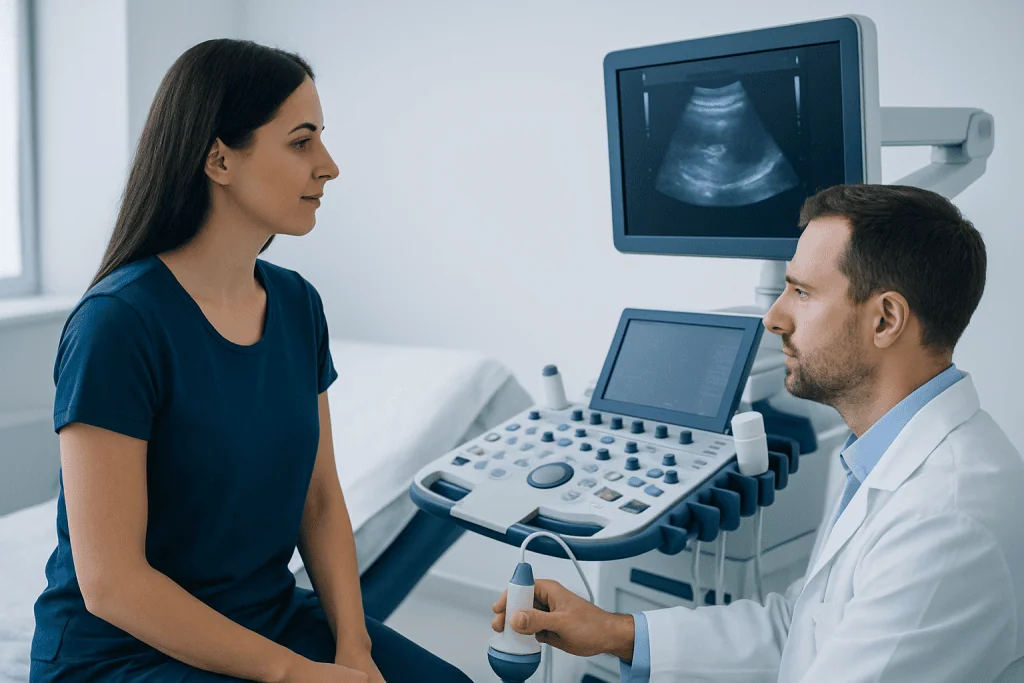
Hunger is the body’s general signal that it needs energy. It tends to build gradually and usually improves with many different foods. A craving is more specific. A person may feel full enough overall but still strongly want chocolate, chips, bread, or another particular food.
This difference matters because cravings are not driven by calories alone. Brain pathways involved in reward, memory, and expectation can make certain foods feel especially appealing. Smells, advertisements, social settings, and past experiences can all activate these pathways, even when physical hunger is mild.
Cravings can also become stronger after periods of restriction. When people skip meals or try to avoid entire food groups, the body and mind may respond by increasing thoughts about those foods. This is one reason a balanced eating pattern is often more effective than very strict dieting for reducing cravings over time.
Common evidence-based causes of food cravings

One of the most common answers to what causes food cravings is simply not eating enough, or not eating regularly enough. Long gaps between meals can increase desire for quick-energy foods, especially foods high in sugar or refined carbohydrates. Meals that are low in protein, fiber, or healthy fats may also be less satisfying, making cravings more likely later in the day.
Sleep and stress are also major contributors. Poor sleep can change appetite-related hormones and reduce self-control around rewarding foods. Stress may increase cortisol and make people more likely to seek foods associated with comfort or relief. Emotional states such as boredom, loneliness, frustration, and sadness can trigger cravings through learned coping patterns rather than true hunger.
The modern food environment plays a role as well. Highly processed foods are designed to be convenient, flavorful, and easy to eat quickly. Repeated exposure can strengthen cravings through habit and reward learning. Common contributors include:
- Irregular meal timing or skipped meals
- Restrictive dieting
- Inadequate sleep
- Psychological stress
- Strong food cues, such as smells or visual reminders
- Conditioned habits, such as dessert after dinner or snacking while watching screens
Hormonal shifts can further influence cravings. Many people notice changes before menstruation, during pregnancy, or around menopause. These patterns are usually normal, but if cravings are accompanied by menstrual irregularity, severe fatigue, or major weight changes, a medical review may be helpful.
Can medical conditions cause cravings?
Sometimes food cravings are linked to an underlying medical issue, though this is less common than everyday behavioral and hormonal causes. Blood sugar fluctuations can lead to sudden hunger, shakiness, sweating, or urgent cravings for sweet foods. In some cases, cravings may occur in people with obesity or metabolic conditions because appetite regulation and reward signaling become altered over time.
Pregnancy can change taste and smell and may intensify food preferences or aversions. Some people also report cravings when they are low in certain nutrients, but the relationship is not always straightforward. For example, craving chocolate does not necessarily mean magnesium deficiency, and salt cravings do not automatically mean a sodium problem. That is why symptoms and medical history matter more than assumptions about a single food.
Mental health conditions can also affect cravings and eating behavior. Anxiety, depression, chronic stress, and binge-eating patterns may change how the brain responds to food reward. If cravings are tied to episodes of loss of control, guilt, secrecy, or repeated overeating, professional support is important. In some situations, structured psychological support may help address both emotional triggers and unhelpful eating patterns.
Medications may be another factor. Some antidepressants, steroids, antipsychotics, and other drugs can affect appetite, taste, or weight. A person should not stop a prescribed medicine on their own, but it is reasonable to ask the prescribing doctor whether a medication could be contributing.
How doctors evaluate persistent or unusual cravings
If cravings are frequent, distressing, or associated with other symptoms, a doctor will usually start with a detailed history. They may ask when cravings happen, which foods are involved, whether meals are skipped, how much sleep a person gets, and whether stress or mood changes are present. They may also ask about menstrual cycles, pregnancy, weight change, alcohol use, medications, and family history of metabolic disease.
A physical examination may be followed by selected tests when clinically appropriate. These can include blood glucose testing, blood counts, iron studies, thyroid tests, or other laboratory checks based on symptoms. Testing is not necessary for everyone with cravings, but it may be helpful when there are signs of endocrine or nutritional problems. If weight, insulin resistance, or metabolic health are concerns, evaluation may overlap with endocrinology care.
The doctor will also consider whether the issue is mainly nutritional, psychological, hormonal, or metabolic. This step matters because treatment differs depending on the cause. Many people benefit most from practical changes in meal structure and sleep, while others may need support for an eating disorder, depression, or a hormonal condition.
Ways to reduce food cravings safely
The most effective approach is usually to make cravings less frequent and less intense rather than trying to eliminate them completely. Regular meals that include protein, fiber, and healthy fats can improve fullness and stabilize energy. Eating consistently through the day often helps more than relying on willpower after becoming very hungry.
Sleep, stress management, and the food environment are also important. Better sleep can reduce appetite disruption, and stress-reduction strategies may lower emotional eating. Keeping tempting foods out of immediate reach, planning snacks ahead of time, and eating mindfully without screens can make cravings easier to manage. Helpful strategies include:
- Do not skip meals regularly
- Build balanced meals with protein and fiber
- Stay hydrated, since thirst can sometimes be mistaken for hunger
- Notice emotional triggers before eating
- Get consistent sleep whenever possible
- Avoid overly restrictive food rules that can backfire
It can also help to pause and identify the type of urge. If the person is physically hungry, eating a balanced meal or snack is appropriate. If the craving is driven by stress or habit, a short delay, a walk, or another soothing activity may reduce the intensity. For some people with obesity-related metabolic concerns, a broader plan involving weight management treatment may be discussed, but this depends on overall health rather than cravings alone.
When to seek medical care
Most cravings can be managed with lifestyle changes and do not require urgent care. However, a medical appointment is a good idea if cravings are new, unusually strong, or interfering with daily life. It is also wise to seek advice if cravings come with symptoms such as excessive thirst, frequent urination, dizziness, faintness, tremor, severe fatigue, unexplained weight gain or weight loss, missed periods, or digestive problems.
Professional help is especially important if cravings are part of binge eating, purging, restrictive dieting, or intense anxiety about food and weight. These patterns are common, treatable, and deserving of compassionate care. A doctor or mental health professional can help assess whether an eating disorder or mood condition may be present.
For international patients who need further assessment, Acibadem International’s multidisciplinary specialists in JCI-accredited hospitals evaluate symptoms such as persistent food cravings and related metabolic, hormonal, or psychological concerns, then guide diagnosis and treatment based on the underlying cause.
Frequently asked questions
Are food cravings normal?
Yes. Food cravings are very common and are usually harmless. They often reflect a mix of hunger, habit, stress, emotions, sleep, and exposure to appealing foods rather than a serious medical problem.
What causes food cravings for sugar?
Sugar cravings can be triggered by long gaps between meals, poor sleep, stress, and habits built around sweet foods. Highly sweet foods also activate reward pathways in the brain, which can make people want them again. In some cases, blood sugar swings may contribute, especially if symptoms such as shakiness or sweating are also present.
Do food cravings mean a vitamin deficiency?
Not usually. Although nutrient deficiencies can sometimes affect appetite or eating patterns, cravings for a specific food do not reliably identify a specific deficiency. If someone has fatigue, pallor, hair loss, or other symptoms, a doctor may decide whether testing is needed.
Can hormones cause food cravings?
Yes. Hormonal shifts during the menstrual cycle, pregnancy, and menopause can change appetite, taste, and food preferences. These changes are often temporary, but persistent symptoms or major weight changes should be discussed with a clinician.
When should someone worry about food cravings?
Concern is reasonable when cravings are new, extreme, or linked to other symptoms such as excessive thirst, tremor, dizziness, major weight change, or episodes of binge eating. Cravings that cause distress or loss of control also deserve professional attention. A doctor can help determine whether the cause is medical, nutritional, or psychological.
How can someone reduce cravings without strict dieting?
Regular balanced meals, enough protein and fiber, good sleep, hydration, and stress management can all help. It also helps to avoid skipping meals and to notice whether the urge is physical hunger or an emotional trigger. Very restrictive rules often make cravings worse rather than better.
This article is for general information only and is not a substitute for professional medical advice. Please consult a qualified doctor about your individual situation.
Explore treatments in Turkey — costs, top hospitals & a free quote
JCI-accredited · board-certified surgeons · reply within 24h
Add us as a Preferred Source to see more of our trusted health content across Google Search, AI Overviews and Discover.

More from the Health Library

Can You Eat Pumpkin Seed Shells? Here Is What the Evidence Says

What Is Dht? Causes, Explanations, and Next Steps

Chicken Stock vs Broth: Key Differences and How Doctors Tell Them Apart

Circular Rash: Possible Causes and When to Seek Care

How to Calculate Net Carbs? A Doctor-Reviewed Answer