Fupa: A Complete Medical Overview

“Fupa” is a nonmedical term commonly used for fullness over the pubic area and lower abdomen. This fullness is often related to normal anatomy, body-fat distribution, skin laxity, or changes after pregnancy or weight fluctuation.
Key Takeaways
- “Fupa” is a nonmedical term commonly used for fullness over the pubic area and lower abdomen.
- This fullness is often related to normal anatomy, body-fat distribution, skin laxity, or changes after pregnancy or weight fluctuation.
- A doctor may assess whether the concern is mainly fat, loose skin, a hernia, swelling, or another condition.
- Treatment depends on the cause and may include lifestyle measures, medical evaluation, or selected procedures when appropriate.
- Medical care is important if there is pain, a new lump, rapid swelling, skin changes, or urinary or gynecologic symptoms.
Fupa meaning usually refers to a visible or palpable area of extra fat or soft tissue over the lower abdomen and pubic region. In medical terms, this area often involves the mons pubis and nearby lower abdominal tissue, and it may be influenced by anatomy, weight changes, pregnancy, aging, hormones, or prior surgery.
Overview: what “fupa meaning” usually refers to
Fupa meaning usually refers to fullness in the lower abdomen and over the pubic bone. The term is informal rather than medical, but many people use it to describe a soft bulge that may be visible in fitted clothing or noticeable when sitting, standing, or looking in the mirror.
In anatomy, this region includes the mons pubis, a naturally cushioned area of fatty tissue that sits over the pubic bone. The amount of tissue there varies widely from person to person. For some, this is simply part of normal body shape. For others, the area becomes more prominent after weight gain, pregnancy, major weight loss, hormonal changes, or abdominal surgery.
It can help to think of this concern as a description rather than a diagnosis. A prominent lower abdominal or pubic area may involve one or more factors, such as subcutaneous fat, loose skin, weakened connective tissue, scar-related contour changes, or less commonly a hernia or localized swelling. Understanding the cause is important before deciding what, if anything, needs treatment.
Why this area becomes more noticeable
Body-fat distribution is strongly influenced by genetics, sex, age, and hormones. Some people naturally store more fat in the lower abdomen and pubic region. This can happen even when a person is otherwise fit, because localized fat patterns do not always change evenly with exercise or weight loss.
Pregnancy is another common reason. During and after pregnancy, the lower abdominal wall stretches, skin may become looser, and the tissues over the pelvis can change shape. After weight loss, the bulge may reflect not only remaining fat but also extra skin or reduced elasticity. In some people, a separation of the abdominal muscles, known as diastasis recti, can make the lower abdomen look more prominent overall.
Past surgery can also affect contour. A cesarean section scar or other lower abdominal scar may create a small shelf effect above or around the scar, making the area appear more pronounced. Aging contributes as well, because skin and connective tissue gradually lose firmness over time.
Possible causes and related conditions

In many cases, the explanation is simple fatty tissue over the mons pubis or lower abdomen. This is often harmless. However, not every bulge in this area is just fat. Doctors consider whether the fullness is diffuse and soft, or whether there is a distinct lump, asymmetry, tenderness, or skin change that suggests a different problem.
Conditions that can sometimes mimic or contribute to a “fupa” appearance include:
- Loose skin after pregnancy or significant weight loss
- Abdominal wall weakness or hernia in the groin or lower abdomen
- Post-surgical contour changes, including after cesarean birth
- Lymphedema or fluid-related swelling
- Benign fatty growths such as lipomas
- Gynecologic or urologic problems causing pelvic fullness
Hormonal and metabolic factors may also play a role by affecting where the body stores fat. People with insulin resistance, menopause-related body composition changes, or chronic weight cycling may notice more lower abdominal fullness. Still, appearance alone cannot identify the cause with certainty, so a professional assessment is useful if there is any doubt.
Symptoms, body changes, and when it may affect health
For most people, the main concern is cosmetic or practical rather than dangerous. The area may feel soft, fold over slightly, or create friction with underwear or clothing. Some people report skin irritation, sweating, chafing, difficulty finding comfortable clothes, or self-consciousness during exercise or intimacy.
Sometimes there are symptoms that deserve closer attention. Pain, burning, redness, drainage, sudden enlargement, or a firm lump are not typical features of ordinary fat distribution. These findings may point to inflammation, infection, a hernia, a cyst, or another medical issue. If the bulge changes with coughing or straining, that can also suggest an abdominal wall or groin problem.
Mental and emotional effects matter too. Concerns about body image can affect confidence and quality of life even when the tissue itself is not medically harmful. A balanced discussion with a clinician can help distinguish normal anatomy from a treatable condition and support realistic, healthy choices.
How doctors evaluate a prominent pubic or lower abdominal area
Evaluation usually begins with a medical history and physical examination. A clinician may ask when the fullness first appeared, whether it changed after pregnancy, weight gain, surgery, or menopause, and whether there are symptoms such as pain, urinary issues, skin irritation, or a feeling of pressure. They may also ask about exercise habits, medications, and prior abdominal operations.
During the exam, the doctor looks at the location, softness, symmetry, and relation to scars or the abdominal wall. They may ask the person to stand, lie down, cough, or gently tighten the abdominal muscles. This can help distinguish fat or loose skin from a hernia or muscle separation.
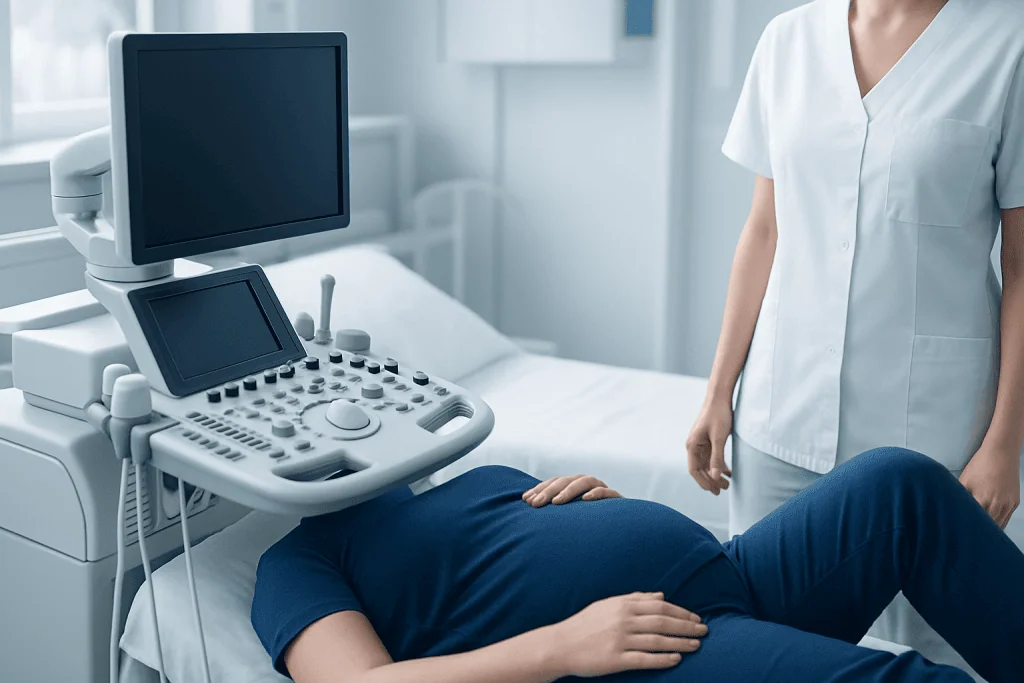
Imaging is not always needed, but it can be helpful when the cause is unclear. Ultrasound, CT, or MRI may be used if a hernia, mass, or other structural issue is suspected. If the concern is linked to excess abdominal fat or a weight-related health issue, broader assessment may include metabolic risk factors and discussion of nutrition and activity. In selected cases, body contour concerns are evaluated alongside options such as liposuction or abdominoplasty when anatomy and goals make these appropriate.
Treatment options: from lifestyle measures to procedures
Treatment depends on the underlying cause and on whether the issue is mainly cosmetic, functional, or medical. If the fullness reflects overall weight gain, gradual, sustainable weight loss may reduce the area over time. A plan that combines nutrition, physical activity, adequate sleep, and long-term habits is usually more effective than short-term dieting. Core-strengthening exercise can improve posture and abdominal support, but exercise alone cannot target fat loss in one specific region.
When loose skin is a major factor, the area may not change very much with exercise. Skin-care measures, friction reduction, and maintaining a stable weight can help with comfort, but they do not remove excess skin. If a significant lower abdominal apron, scar shelf, or skin redundancy affects function or comfort, doctors may discuss body contouring procedures. For individuals with obesity-related health concerns, evaluation for bariatric surgery may be appropriate before any contouring plan is considered.
If the problem is a hernia, swelling, or another medical condition, treatment is directed at that cause rather than at appearance alone. Persistent skin irritation may need local skin care or prescription treatment. In a small number of people, surgery focused on the mons pubis or lower abdomen may be considered after careful assessment of goals, risks, healing, and expectations.
Near the end of the care pathway, some patients benefit from review by a multidisciplinary team. Acibadem International’s specialists in JCI-accredited hospitals evaluate lower abdominal and pubic contour concerns for international patients, especially when weight change, pregnancy, hernia, or prior surgery are part of the picture.
Self-care, prevention, and healthy expectations
There is no guaranteed way to prevent this area from becoming prominent because body shape is influenced by genetics, hormones, life stage, and natural anatomy. Still, several steps may support overall health and comfort: keeping weight changes gradual, building regular activity into daily life, strengthening the core safely, and avoiding repeated crash dieting that can strain skin elasticity.
For day-to-day comfort, breathable clothing and good skin hygiene can reduce chafing and moisture buildup. If friction is a problem, some people benefit from moisture-wicking fabrics or gentle barrier products recommended by a clinician. After pregnancy or surgery, guided rehabilitation and scar care may improve function and comfort, though they may not fully change the contour.
Healthy expectations are important. The mons pubis normally contains fatty tissue, and a completely flat lower abdomen is not a realistic or healthy goal for everyone. A clinician can help a person decide whether the area reflects normal variation, a treatable medical issue, or a cosmetic concern that may or may not benefit from a procedure.
When to seek medical care
Medical care is recommended if the area becomes painful, firm, red, rapidly larger, or associated with fever, drainage, or skin breakdown. Prompt evaluation is also sensible for a new one-sided lump, a bulge that worsens with coughing or lifting, or symptoms such as pelvic pressure, urinary problems, or numbness.
A doctor should also assess fullness that appears after surgery if it is changing over time, especially when accompanied by swelling, tenderness, or limited movement. Anyone who is unsure whether the tissue is simply fat, loose skin, or something else should consider a professional examination rather than relying on appearance alone.
When the concern is mainly about body contour but causes distress or interferes with daily life, a consultation can still be worthwhile. The goal is not only to discuss treatment, but also to confirm the cause, review safe options, and support informed decisions.
Frequently asked questions
Is “fupa” a medical term?
No. “Fupa” is an informal term people use to describe extra fullness over the lower abdomen and pubic area. Doctors usually describe the anatomy more specifically, such as the mons pubis, lower abdominal fat, loose skin, or an abdominal wall issue.
Can someone have a fupa even if they are not overweight?
Yes. Fat distribution is partly genetic, and some people naturally carry more tissue in the lower abdomen or pubic region. Pregnancy, prior surgery, skin laxity, and normal anatomy can also make the area more noticeable regardless of body weight.
Will exercise get rid of it?
Exercise can improve overall fitness, support weight management, and strengthen the core, which may change how the abdomen looks. However, exercise cannot selectively remove fat from only one spot, and it does not remove excess skin.
Could a bulge in this area be a hernia?
Sometimes. A hernia may cause a localized bulge that becomes more obvious with coughing, straining, or standing, and it may be associated with discomfort. Because appearance alone is not enough to tell, new or painful bulges should be checked by a doctor.
Is a prominent mons pubis harmful?
Often it is not harmful and simply reflects normal variation in body shape. It may still cause practical issues such as chafing, sweating, clothing discomfort, or body-image concerns, which can be addressed with medical guidance if needed.
When is surgery considered?
Surgery is usually considered only after the cause has been clearly identified and conservative measures have been reviewed. It may be discussed for persistent excess fat, loose skin, contour irregularity after pregnancy or weight loss, or related structural problems such as a hernia.
References
- National Institutes of Health
- American College of Obstetricians and Gynecologists
- American Society of Plastic Surgeons
- Mayo Clinic
- Cleveland Clinic
This article is for general information only and is not a substitute for professional medical advice. Please consult a qualified doctor about your individual situation.
Explore treatments in Turkey — costs, top hospitals & a free quote
JCI-accredited · board-certified surgeons · reply within 24h
Add us as a Preferred Source to see more of our trusted health content across Google Search, AI Overviews and Discover.

More from the Health Library

Chernobyl Birth Defects and Prenatal Radiation Concerns

C Diff: A Complete Medical Overview

Define Repression: A Complete Medical Overview

Fast metabolism: A Complete Medical Guide for Patients

Barrel Chest: A Complete Medical Overview