Mav Dizziness Explained: Common Triggers and Red Flags

Mav dizziness most commonly describes dizziness linked to vestibular migraine. Symptoms can include spinning, rocking, unsteadiness, nausea, and sensitivity to motion, light, or sound.
Key Takeaways
- Mav dizziness most commonly describes dizziness linked to vestibular migraine.
- Symptoms can include spinning, rocking, unsteadiness, nausea, and sensitivity to motion, light, or sound.
- Episodes may happen with or without headache and can be triggered by stress, poor sleep, hormones, or certain foods.
- Diagnosis is clinical and often involves ruling out inner ear, neurological, and cardiovascular causes of dizziness.
- Red-flag symptoms such as weakness, fainting, new severe headache, or trouble speaking need urgent medical assessment.
Mav dizziness usually refers to dizziness related to vestibular migraine, a type of migraine that affects balance and spatial orientation. It can cause vertigo, rocking, lightheadedness, or motion sensitivity, sometimes even when a classic migraine headache is absent.
What mav dizziness usually means
Mav dizziness commonly refers to dizziness caused by migraine-associated vertigo, more often called vestibular migraine. In this condition, the brain networks involved in migraine also affect balance, motion processing, and spatial awareness. As a result, a person may feel spinning, rocking, swaying, floating, or general disequilibrium rather than only a typical headache.
A helpful point is that vestibular migraine does not always look like a “classic” migraine. Some people have dizziness with head pain, while others have little or no headache at all. Instead, they may notice nausea, sensitivity to light or sound, pressure in the head, visual discomfort, or worsening symptoms in busy visual environments such as supermarkets, traffic, or scrolling screens.
Because dizziness can have many causes, mav dizziness is best understood as a symptom pattern rather than a stand-alone diagnosis. It often overlaps with migraine history, motion sickness, or sensitivity to hormonal and lifestyle changes. A clinician may also consider related conditions such as migraine or other causes of vertigo before confirming vestibular migraine.
How it feels: common symptoms and patterns
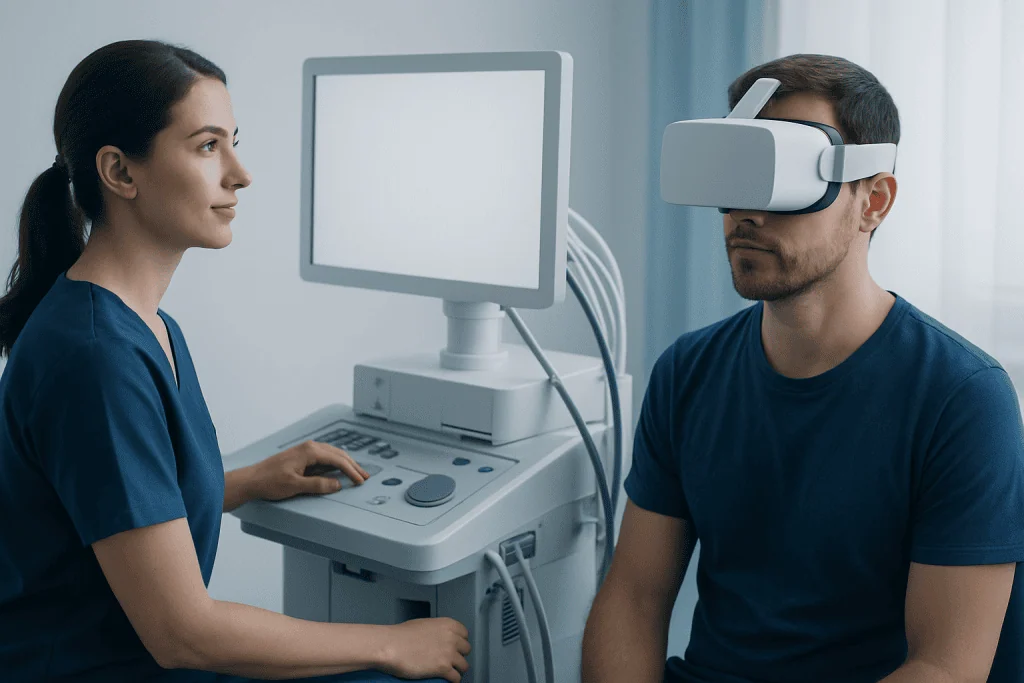
The sensation of mav dizziness varies from person to person. Some describe true vertigo, meaning a spinning feeling. Others feel as if they are rocking on a boat, being pulled to one side, walking on an unstable floor, or becoming disoriented when they turn their head quickly. Symptoms may last minutes, hours, or sometimes longer, with fluctuating intensity.
Vestibular symptoms often appear alongside other migraine features. These can include nausea, vomiting, visual aura, sensitivity to light, sound, or smell, neck discomfort, head pressure, and fatigue. A person may also feel worse in crowded spaces, during car rides, while watching moving objects, or after looking at screens for long periods.
Common symptom patterns include:
- Episodes triggered by movement or changes in position
- Dizziness occurring before, during, or after a migraine attack
- Imbalance without obvious spinning
- Motion sickness that seems stronger than usual
- Symptoms worsened by lack of sleep, stress, or missed meals
Between attacks, some people feel completely normal, while others have lingering sensitivity to motion or visual stimulation. This can make work, driving, exercise, and travel more difficult, especially if symptoms are frequent.
Common triggers and why episodes happen

Mav dizziness is often triggered by the same factors that can provoke migraine in general. The exact mechanism is still being studied, but experts believe migraine-related changes in brain signaling can temporarily disrupt the vestibular system, which helps the body sense movement and maintain balance. This is why a person may feel dizzy even if the inner ear itself is structurally normal.
Common triggers include poor sleep, emotional stress, dehydration, skipped meals, alcohol, caffeine changes, hormonal fluctuations, and sensory overload. For some people, certain foods such as aged cheeses, processed meats, or foods containing flavor enhancers may play a role, though triggers are highly individual and not everyone has food-related episodes.
Environmental factors can also matter. Bright lights, strong smells, heat, busy patterns, long screen exposure, air travel, or long car rides may set off symptoms. People who already have a migraine history, a family history of migraine, motion sickness, anxiety related to dizziness, or prior episodes of recurrent vertigo may be more prone to vestibular migraine.
Keeping a diary can be useful. Recording meals, sleep, stress, menstrual cycle timing, travel, and symptom duration may help identify repeating patterns. This information can make appointments more productive and guide treatment decisions.
How doctors evaluate mav dizziness
There is no single test that proves vestibular migraine. Diagnosis is usually based on the pattern of symptoms, migraine history, examination findings, and the exclusion of other causes. A doctor will ask what the dizziness feels like, how long it lasts, whether there is headache or aura, what triggers episodes, and whether hearing symptoms, fainting, chest symptoms, or neurological changes occur at the same time.
The physical examination may include balance testing, eye movement assessment, hearing review, blood pressure checks, and a neurological exam. Depending on the story, additional tests may be used to rule out inner ear disorders, stroke, medication side effects, or heart-related causes of dizziness. In selected cases, clinicians may request imaging or formal vestibular testing. If brain imaging is needed, MRI may help exclude other neurological causes.
Several conditions can mimic or overlap with vestibular migraine, including benign paroxysmal positional vertigo, Meniere disease, persistent postural-perceptual dizziness, anxiety-related dizziness, and rare central nervous system disorders. This is one reason self-diagnosis can be misleading. A qualified clinician can distinguish symptom patterns and decide whether referral to neurology, ENT, or neuro-otology is appropriate.
Treatment options and day-to-day management
Treatment for mav dizziness usually combines trigger control, symptom relief during attacks, and preventive strategies if episodes are frequent or disabling. For many people, the first step is improving regularity in daily routines: consistent sleep, hydration, meals, and stress management. These changes may reduce the nervous system sensitivity that contributes to migraine-related dizziness.
Doctors may also recommend medications for acute migraine symptoms or preventive treatment when attacks happen often. The best choice depends on the symptom pattern, other medical conditions, and how much dizziness affects daily life. Some patients also benefit from neurology evaluation to tailor management when the diagnosis is uncertain or symptoms persist.
Vestibular rehabilitation can be helpful, especially when imbalance or motion sensitivity continues between attacks. This type of therapy uses guided exercises to improve balance, visual-vestibular coordination, and confidence with movement. In some cases, assessment by ENT specialists is useful to check for overlapping inner ear conditions that may need a different approach.
When symptoms are complex, a multidisciplinary plan may be best. That can include migraine management, vestibular therapy, and sometimes counseling support if chronic dizziness has led to activity avoidance or anxiety. Near the end of the diagnostic pathway, international patients may also seek care at centers such as Acibadem International, where multidisciplinary specialists in JCI-accredited hospitals evaluate and treat vestibular and neurological conditions.
Self-care strategies that may reduce attacks
Self-care does not replace medical treatment, but it can make a meaningful difference. The goal is to reduce the number of triggers hitting the nervous system at the same time. A predictable routine often helps people with vestibular migraine more than dramatic changes or strict elimination plans.
Practical steps may include:
- Keeping regular sleep and wake times
- Drinking enough fluids through the day
- Eating meals at consistent times and avoiding long fasting periods
- Limiting sudden caffeine changes rather than stopping abruptly
- Reducing prolonged screen exposure and taking visual breaks
- Using sunglasses or lowering brightness if light is a trigger
- Managing stress with gentle exercise, breathing exercises, or relaxation techniques
- Tracking symptoms to identify personal triggers
During an episode, resting in a quiet, dim environment may help. Sudden movements can worsen symptoms, so moving slowly and using support when walking may be safer. Driving or operating machinery should be avoided if balance, vision, or reaction time feel affected.
People should be cautious about trying multiple remedies at once, because that can make it harder to tell what is helping. A measured approach with guidance from a doctor is usually the most effective and sustainable.
When to seek medical care
Mav dizziness should be assessed by a doctor if it is new, recurring, severe, or interfering with normal activities. Medical review is also important if symptoms are happening without a known migraine history, are becoming more frequent, or are associated with hearing changes, persistent vomiting, or falls. Even when vestibular migraine is likely, evaluation helps confirm the diagnosis and rule out other causes.
Urgent medical care is needed if dizziness comes with red-flag symptoms such as weakness on one side, trouble speaking, double vision, fainting, chest pain, a new severe headache, confusion, or difficulty walking that is sudden and pronounced. These features can point to conditions that need immediate attention, including stroke or cardiovascular problems. If a doctor suspects a central nervous system cause, further evaluation may involve specialist neurological assessment.
Children, older adults, pregnant people, and anyone with significant medical conditions may need earlier assessment because dizziness can have a broader range of causes in these groups. Seeking care early is reassuring and helps guide the safest next steps.
Frequently asked questions
Is mav dizziness the same as vertigo?
Not exactly. Mav dizziness often includes vertigo, but it can also feel like rocking, swaying, imbalance, or motion sensitivity rather than true spinning. In many cases, the term refers to vestibular migraine, where migraine affects balance pathways.
Can vestibular migraine happen without a headache?
Yes. Some people have dizziness, nausea, visual sensitivity, or motion intolerance with little or no head pain. This is one reason vestibular migraine can be overlooked or mistaken for an inner ear problem alone.
How long does mav dizziness last?
Episodes can last from minutes to hours, and sometimes symptoms fluctuate over a day or more. Some people recover fully between attacks, while others notice lingering sensitivity to movement or busy visual settings.
What triggers mav dizziness most often?
Common triggers include poor sleep, stress, dehydration, missed meals, hormonal changes, bright lights, screen exposure, and sometimes alcohol or certain foods. Triggers are individual, so a symptom diary can be helpful in spotting patterns.
How is mav dizziness diagnosed?
Doctors diagnose it mainly from the history of symptoms, migraine features, and examination findings while ruling out other causes of dizziness. Depending on the situation, they may also use hearing tests, balance assessments, or imaging to exclude different conditions.
When is dizziness an emergency?
Dizziness needs urgent care if it starts suddenly with weakness, trouble speaking, fainting, chest pain, double vision, confusion, or a new severe headache. These symptoms can signal a more serious problem and should not be assumed to be migraine.
References
- American Migraine Foundation
- National Institute of Neurological Disorders and Stroke
- Bárány Society
- American Academy of Neurology
- National Health Service
This article is for general information only and is not a substitute for professional medical advice. Please consult a qualified doctor about your individual situation.
Explore treatments in Turkey — costs, top hospitals & a free quote
JCI-accredited · board-certified surgeons · reply within 24h
Add us as a Preferred Source to see more of our trusted health content across Google Search, AI Overviews and Discover.
Check your numbers in seconds
BMI, calories, due date, blood pressure and 30+ more clinical calculators — free, instant, doctor-reviewed ranges.