

Physical Therapy Program
Physical Therapy Program uses personalized exercises, manual techniques, and rehabilitation methods to reduce pain, restore mobility, and improve daily function for musculoskeletal and neurological conditions.
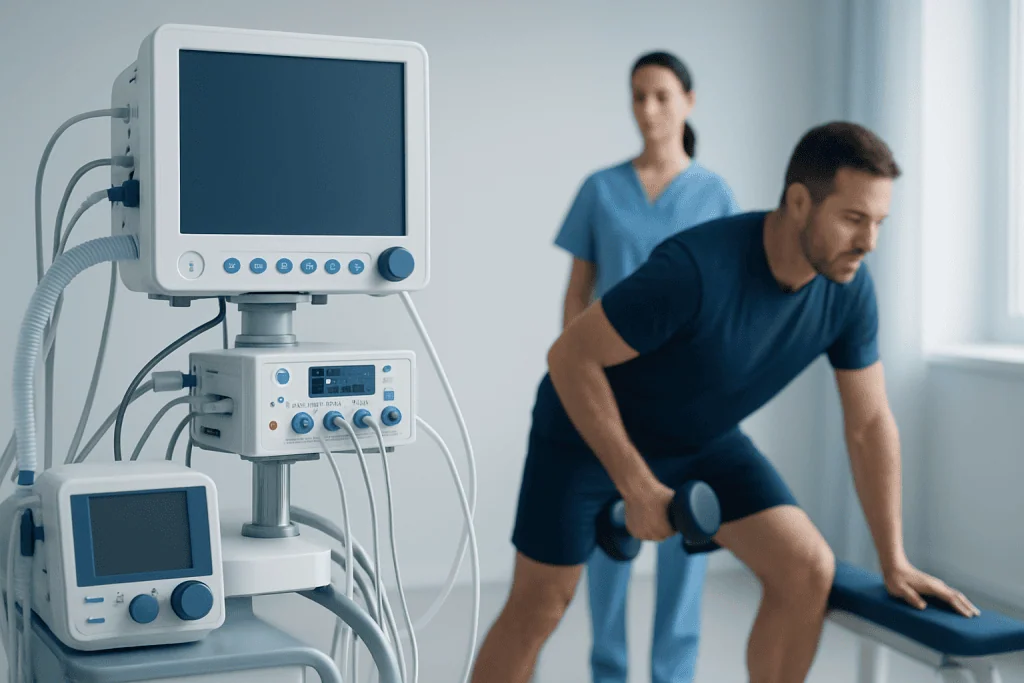
Quick answer
Physical Therapy Program uses personalized exercises, manual techniques, and rehabilitation methods to reduce pain, restore mobility, and improve daily function for musculoskeletal and neurological conditions.
When Movement Becomes Difficult, the Right Rehabilitation Plan Matters
Pain, weakness, stiffness, dizziness, poor balance, or loss of mobility can change everyday life in ways that are easy to underestimate until they begin affecting work, sleep, independence, and confidence. Some people seek help after an injury or surgery. Others have been living with back pain, neck pain, joint problems, a sports injury, or a neurological condition that makes once-simple activities feel uncertain. Often, the hardest part is not knowing whether symptoms will improve on their own, whether exercise will make things worse, or how long recovery may take.
A structured Physical Therapy Program is designed to answer those questions with a clear, medically guided plan. Physical therapy is not simply a set of exercises. It is a personalized rehabilitation process that begins with careful assessment and uses targeted movement, hands-on techniques, pain-relieving modalities, and function-based training to help restore strength, flexibility, coordination, endurance, and confidence. The aim is practical: to help the body move better and to help the patient return as safely as possible to normal daily activities, work, sport, or recovery after illness.
For international patients, the decision can feel even more complex. You may be considering care while managing travel, timing after surgery, or the need for a second opinion on why symptoms persist. In these situations, a high-quality program matters because progress in rehabilitation depends on precision. The most effective plans are based on the correct diagnosis, realistic goals, regular reassessment, and close coordination between physicians, physical therapists, and other specialists when needed.
Whether the problem is recent or long-standing, treatment matters because the body adapts to pain and immobility. Joints can become stiffer, muscles weaker, balance less reliable, and movement patterns more protective and inefficient over time. Early, well-designed rehabilitation can often reduce these effects and improve the chances of regaining comfortable, confident movement.
What a Physical Therapy Program Is
A Physical Therapy Program is a physician-directed and therapist-delivered rehabilitation plan tailored to a patient’s diagnosis, symptoms, physical condition, and recovery goals. It combines assessment, treatment, education, and progressive follow-up. Depending on the patient’s needs, the program may focus on pain relief, restoration of joint motion, muscle strengthening, posture correction, gait training, balance improvement, neurological rehabilitation, recovery after orthopedic surgery, or return to sport or work.
At its core, physical therapy helps the body relearn more efficient movement. Pain and injury often lead to compensation patterns: one muscle group overworks, another becomes inhibited, and movement becomes guarded. After surgery or neurological illness, there may also be weakness, reduced control, sensory changes, or fatigue. A well-structured program identifies these patterns and treats the underlying mechanical or functional problem rather than addressing symptoms alone.
Treatment methods typically include therapeutic exercise, manual therapy, stretching and mobility work, neuromuscular re-education, balance and coordination training, posture and movement retraining, and when appropriate, pain-modulating physical modalities. In some patients, respiratory exercises, pelvic floor rehabilitation, lymphedema-related support, or specialized neurological and vestibular rehabilitation may also be part of the program.
The program is usually time-limited but progressive. It may last a few sessions for a minor issue or continue over several weeks or months for postoperative rehabilitation, complex pain conditions, stroke recovery, spinal disorders, or advanced neurological disease. The plan changes as the patient improves. This stepwise progression is one of the reasons physical therapy can be effective across very different conditions: treatment evolves based on how the body responds.
Who May Need a Physical Therapy Program
Physical therapy can benefit people of many ages and activity levels. Some patients are highly active and want to return to running, tennis, or gym training after an injury. Others want to walk without pain, recover from surgery, reduce fall risk, or regain the ability to manage stairs, dressing, work duties, or household tasks. The common factor is that movement has become painful, limited, weak, unstable, or less coordinated than it should be.
Typical symptoms that may lead someone to physical therapy include persistent back or neck pain, shoulder pain, knee pain, hip pain, swelling, stiffness, reduced range of motion, muscle weakness, numbness-related movement difficulty, poor posture, recurring sprains, difficulty walking, balance problems, dizziness associated with head movement, or delayed recovery after surgery or hospitalization. Some patients seek care because symptoms interfere with sleep or productivity. Others come because pain has become recurrent and they want to treat the cause more effectively.
Diagnosis usually begins with clinical evaluation. A rehabilitation physician or relevant specialist reviews the patient’s medical history, symptoms, prior treatment, imaging, surgery history, medications, and goals. This is followed by a physical examination that may assess joint movement, muscle strength, flexibility, balance, gait, coordination, posture, reflexes, pain triggers, and functional limitations. If needed, the team may review imaging studies such as X-rays, MRI, CT, ultrasound, or electrodiagnostic testing already performed by the referring physician or ordered within a broader diagnostic pathway.
Patients often arrive at physical therapy through several different routes:
- After orthopedic surgery such as joint replacement, ligament reconstruction, fracture fixation, or spine procedures
- After a sports injury involving muscles, tendons, ligaments, or overuse syndromes
- With chronic musculoskeletal pain that has not improved enough with rest, medication, or injections alone
- After stroke, neurological illness, spinal cord involvement, or nerve-related weakness
- After prolonged hospitalization, deconditioning, or major illness that reduced physical capacity
- With age-related changes in balance, mobility, and strength that increase fall risk
In many cases, the need for therapy becomes clear when symptoms persist longer than expected or when normal activities remain difficult despite initial treatment. A good program does not start with assumptions. It starts with identifying what is limiting recovery and building a plan around that finding.
Conditions and Situations a Physical Therapy Program Can Address
Because physical therapy is individualized, it is used across a wide range of conditions rather than for one single diagnosis. In rehabilitation and pain medicine, common indications include musculoskeletal disorders, recovery after surgery, neurological rehabilitation, and functional restoration after illness or injury.
Musculoskeletal indications often include low back pain, neck pain, disc-related symptoms, postural strain, scoliosis-related discomfort, shoulder impingement, rotator cuff problems, frozen shoulder, tennis elbow, wrist pain, hip pain, knee osteoarthritis, meniscus-related symptoms, patellofemoral pain, ankle instability, plantar fasciitis, Achilles problems, and general joint stiffness after immobilization or injury. Physical therapy is also frequently used for myofascial pain, tendon disorders, repetitive strain injuries, and chronic pain syndromes where movement has become limited or fearful.
Postoperative rehabilitation is another major area. Many patients benefit from structured therapy after joint replacement, arthroscopy, ligament repair, tendon surgery, fracture treatment, hand surgery, spine surgery, or other procedures that affect movement. The goals may include protecting the surgical repair, controlling swelling, improving range of motion, rebuilding strength, and helping the patient return to function in a safe progression.
Neurological rehabilitation may be appropriate after stroke, traumatic brain injury, spinal conditions, peripheral nerve injury, Parkinsonian movement disorders, multiple sclerosis, balance disorders, and other conditions affecting coordination, gait, or motor control. In these cases, therapy focuses not only on strength, but on motor relearning, balance strategies, task-specific training, and maximizing independence.
Specialized programs may also support patients with vestibular disorders causing dizziness, those recovering from cancer treatments that affect mobility or endurance, older adults with frailty or fall risk, and individuals with prolonged inactivity who need gradual reconditioning. The exact structure of treatment depends on the diagnosis, but the central principle remains the same: identify what function has been lost or disrupted, then use targeted rehabilitation to improve it.
How a Physical Therapy Program Is Performed
A Physical Therapy Program usually begins with a detailed initial consultation and assessment. This first step is especially important because two patients with the same diagnosis may need very different treatment plans. For example, one person with knee pain may need mobility work and load modification, while another may need balance retraining and hip-strengthening to correct movement mechanics. The treatment plan is built around those distinctions.
Preparation and Evaluation
Before treatment starts, the care team reviews the medical diagnosis, surgical history if relevant, imaging findings, previous therapies, and current symptoms. The therapist evaluates pain levels, range of motion, muscle strength, flexibility, posture, gait, balance, coordination, and functional abilities such as standing from a chair, walking, reaching, climbing stairs, or performing sport-specific tasks. In neurological patients, tone, control, sensory changes, and endurance may also be assessed. Clear goals are then defined with the patient. These may be short-term, such as reducing pain while walking, and longer-term, such as returning to travel, work, or athletics.
The Treatment Plan
Most programs combine several treatment components rather than relying on one method alone. Therapeutic exercise is usually the foundation. Exercises may be prescribed to increase joint mobility, improve muscle activation, strengthen weak areas, build endurance, or retrain movement patterns. At first, exercises may be gentle and highly controlled. As the patient improves, they become more functional and demanding.
Manual therapy may also be used when appropriate. This can include joint mobilization, soft tissue techniques, guided stretching, or other hands-on approaches intended to reduce stiffness, improve tissue mobility, and support better movement. Manual therapy is not a standalone cure, but in the right setting it can make exercise more effective by helping the patient move with less pain or restriction.
Neuromuscular re-education is particularly important when the issue is not just weakness but poor control. This type of therapy helps retrain timing, coordination, posture, gait, and body awareness. It is often used after injury, surgery, prolonged pain, or neurological conditions where the nervous system needs structured practice to rebuild efficient movement.
Balance and gait training may be central for older adults, vestibular patients, and people recovering from stroke or orthopedic surgery. The goal is to improve stability, confidence, and safety while walking or changing position. For some patients, this includes supervised use of assistive devices and training in stairs or uneven surfaces.
Physical modalities may also be included to support symptom control. Depending on the patient’s needs, this may involve supervised use of heat, cold, therapeutic electrical stimulation, ultrasound-based therapy, or other noninvasive methods that can help reduce pain, muscle spasm, or swelling and make active rehabilitation easier to tolerate. These tools are usually adjuncts, not substitutes for active treatment.
Technology Used in Rehabilitation
Modern physical therapy programs may use a range of technologies to assess movement and guide treatment. This can include digital tools for measuring strength and range of motion, gait and posture assessment systems, balance platforms, biofeedback-based training, and technology-assisted exercise devices that help patients perform movements more accurately or safely. In neurological rehabilitation, structured task-based equipment may support repetitive training and motor recovery. The value of these technologies lies in greater precision, objective tracking of progress, and better tailoring of treatment intensity over time.
Typical Session Length and Overall Duration
The length of an individual session varies depending on the condition and the treatment components involved, but many sessions last between 30 and 60 minutes. Some patients need therapy a few times a week at the beginning, especially after surgery or in more intensive rehabilitation phases. Others may attend less frequently and follow a strong home program between visits. The overall duration of treatment depends on the diagnosis, how long symptoms have been present, baseline fitness, age, associated medical conditions, and how consistently the program is followed.
Home Exercise and Ongoing Review
A successful program almost always includes a home exercise plan. This allows the patient to continue progress between visits and encourages long-term self-management. Exercises are selected carefully so they are realistic, safe, and linked to the goals of treatment. During follow-up sessions, the therapist reassesses symptoms and function, adjusts the plan, and increases or modifies exercises as needed. This progression is essential. A program that does not evolve may not produce the best functional gains.
Recovery During the Program
Recovery in physical therapy is usually gradual rather than immediate. Many patients begin to notice early changes such as less stiffness, slightly better range of motion, or improved confidence with movement. Pain may fluctuate during the process, particularly when rebuilding strength or mobility after a long period of inactivity. That does not necessarily mean treatment is failing. What matters is whether symptoms and function are trending in the right direction under professional supervision. The team monitors this closely and adapts the program if pain remains disproportionate or progress stalls.
Why Acting Early Matters
Many movement-related conditions become harder to treat when rehabilitation is delayed. Pain often leads people to avoid certain motions, reduce activity, or shift weight away from the affected area. Over time, this protective behavior can cause secondary problems such as weakness, stiffness, reduced endurance, poor posture, altered gait, and loss of confidence. In some cases, a minor injury becomes a broader functional problem because the body has adapted in an inefficient way.
Early physical therapy can be especially important after surgery, fracture management, immobilization, sports injury, or neurological events such as stroke. When medically appropriate, timely rehabilitation helps maintain joint movement, reduce deconditioning, support circulation, and promote more effective motor recovery. It can also teach patients how to move safely during healing rather than relying on fear or guesswork.
Delaying treatment may prolong pain, increase the risk of recurrent injury, and make return to work, exercise, or independent daily life slower than necessary. It may also allow compensatory patterns to become more established. Not every condition requires urgent intervention, but persistent symptoms, worsening mobility, repeated falls, or prolonged limitation after an injury or procedure are strong reasons to seek expert assessment rather than waiting indefinitely.
Potential Benefits of a Physical Therapy Program
The benefits depend on the diagnosis and the individual plan, but patients commonly experience improvements like the following:
| Benefit | What It Means for You |
|---|---|
| Pain reduction | Less discomfort during daily activities, better tolerance for movement, and often reduced reliance on short-term symptom-relief strategies alone. |
| Improved mobility and flexibility | Greater ease with walking, bending, reaching, turning, climbing stairs, or getting in and out of bed or a car. |
| Better strength and endurance | Improved ability to carry out work tasks, exercise, travel, and routine activities without tiring as quickly. |
| Enhanced balance and coordination | Safer movement, lower fall risk in appropriate patients, and more confidence when standing or walking. |
| Support after surgery or injury | A structured path to regaining function while protecting healing tissues and progressing at an appropriate pace. |
| Longer-term self-management | Better understanding of posture, movement habits, home exercises, and strategies that help prevent recurrence. |
What Recovery Usually Looks Like
Recovery is different for every patient, but this general timeline reflects what many people experience during a structured program:
| Time Period | What Patients Can Expect |
|---|---|
| Day 1 | Comprehensive assessment, goal setting, and a personalized treatment plan. Some patients begin gentle exercises and symptom-relief techniques on the first visit. |
| First Week | Introduction to key exercises, education on safe movement, and early work on pain control, mobility, posture, or gait depending on the condition. |
| First Month | Gradual progression of strengthening, mobility, balance, and functional training. Many patients notice meaningful changes in movement quality and daily tolerance. |
| Longer Term | Further gains in endurance, confidence, and function, along with a refined home program or maintenance strategy to support lasting results. |
What Influences Outcomes and a Good Result
The success of a Physical Therapy Program depends on several factors working together. The first is the accuracy of the diagnosis. Pain in one area can sometimes originate elsewhere, and not all movement limitations have the same cause. A careful evaluation helps ensure that treatment addresses the true driver of symptoms.
The second factor is timing. In many conditions, beginning rehabilitation at the appropriate stage of recovery improves mobility and limits secondary problems such as weakness and stiffness. That said, patients with long-standing conditions can still benefit. They may simply need a more gradual program and more realistic functional milestones.
The third factor is individualized planning. Good physical therapy is not generic. The most effective programs consider age, baseline fitness, pain sensitivity, work demands, sport goals, body mechanics, prior surgeries, and other medical conditions. A patient recovering from a knee replacement, for example, needs a different pace and emphasis than a young athlete returning after an ankle injury or a patient recovering from stroke.
Consistency is also critical. Progress usually depends on attending scheduled sessions, performing home exercises correctly, and allowing enough time for tissues and movement patterns to adapt. Rehabilitation is active care. While manual techniques and symptom-relief modalities can help, sustained improvement usually comes from repeated, structured practice.
Finally, communication matters. The therapy team needs to know how symptoms respond between sessions, what activities trigger setbacks, and whether goals are changing. Good outcomes are supported by regular reassessment and the willingness to modify the plan if recovery is slower or faster than expected. In more complex cases, coordination with orthopedic surgeons, neurologists, neurosurgeons, pain medicine specialists, rheumatologists, or other physicians can be important in refining treatment.
Why International Patients Choose Acibadem for Physical Therapy and Rehabilitation
For international patients, rehabilitation is not only about the therapy sessions themselves. It is also about having the right diagnosis, a coordinated care pathway, and a team that understands how treatment fits into the larger medical picture. At Acibadem, Physical Therapy Programs are integrated within a broader rehabilitation and pain medicine framework, with access to relevant specialists when symptoms involve orthopedic, neurological, spine-related, or postoperative issues. This multidisciplinary structure can be especially valuable when recovery is complex or when a patient is seeking a second opinion after limited progress elsewhere.
Patients may be evaluated by rehabilitation physicians and, when needed, discussed with other specialists through organized boards or collaborative clinical review. This matters because persistent pain or mobility loss is not always a therapy-only problem. Sometimes it requires re-evaluating imaging, surgical healing, nerve involvement, inflammatory disease, or the mechanics of a previous injury. An evidence-based, team-based approach helps treatment stay focused and appropriate.
Acibadem hospitals are JCI-accredited, and international patients often value the familiarity of structured clinical standards, modern diagnostic pathways, and coordinated follow-up. In physical therapy, advanced rehabilitation technologies can help assess movement more objectively and support more precise progression, while experienced therapists tailor treatment to the patient’s diagnosis and functional goals rather than using a one-size-fits-all routine.
Another important consideration for patients traveling from abroad is communication. International patient services support care coordination, appointments, medical documentation, and assistance in multiple languages. This can be particularly helpful when planning rehabilitation after surgery, combining therapy with physician consultations, or arranging a time-sensitive visit. The practical details of care abroad matter, especially when a patient is already coping with pain, weakness, or limited mobility.
Most importantly, treatment plans are personalized. Some patients need an intensive short program during a stay in Turkey, combined with a detailed home plan for continuation after returning home. Others need postoperative rehabilitation closely coordinated with their surgeon. Still others are looking for diagnostic clarity and a structured therapy strategy after months of unresolved symptoms. In each case, the aim is the same: a medically grounded program that is realistic, progressive, and centered on meaningful functional improvement.
Taking the Next Step
If pain, weakness, stiffness, balance problems, or slow recovery are limiting your life, a carefully designed Physical Therapy Program can often provide a more structured and effective path forward than waiting and hoping symptoms settle on their own. The right rehabilitation plan should explain what is causing the limitation, what can reasonably improve, how treatment will progress, and what you can do to support recovery.
If you are considering care at Acibadem, you may wish to request a consultation or a second opinion to better understand your diagnosis, treatment options, and likely rehabilitation plan. For many patients, having a clear roadmap is the first real step toward moving with less pain and greater confidence again.
This information is general in nature and is not a substitute for professional medical advice, diagnosis, or treatment.
Preparation
- Before starting, the rehabilitation specialist evaluates your symptoms, medical history, mobility, strength, and treatment goals. Your program is then tailored to your diagnosis, pain level, and functional needs. Wear comfortable clothing and bring any relevant imaging or previous medical reports.
Aftercare
- After each session, patients are usually advised to continue home exercises and follow activity recommendations to support progress. Mild muscle soreness can occur, especially early in treatment. Regular attendance and follow-up assessments help optimize pain relief, strength, balance, and mobility.
Doctors Performing This Treatment

Prof. Dr. Cihan Aksoy
Physical Medicine & Rehabilitation
Prof. Dr. Ece Aydoğ
Physical Medicine & Rehabilitation
Prof. Dr. Emel Özcan
Physical Medicine & Rehabilitation
Prof. Dr. Ferda Özdemir
Physical Medicine & Rehabilitation
Dr. Ecem Yurdadoğan
Physical Medicine & Rehabilitation
Dr. Fatmanur Yildirim
Physical Medicine & Rehabilitation
Dr. Gülşen Küçükdemirbaş
Physical Medicine & Rehabilitation
Dr. Mehmet Yakupçebioğlu
Physical Medicine & Rehabilitation
Dr. Murat Alakuş
Physical Medicine & Rehabilitation
Dr. Sema Çetin
Physical Medicine & Rehabilitation
Dr. Ufuk Güngör
Physical Medicine & Rehabilitation
A. Sercan Soyarslan
Physical Medicine & Rehabilitation
Beyza Nur Gündüz
Physical Medicine & Rehabilitation
Burcu Kocabey
Physical Medicine & Rehabilitation
Büşra Zeybek
Physical Medicine & Rehabilitation
Canberk Altan
Physical Medicine & Rehabilitation
Ceren Keser
Physical Medicine & Rehabilitation
Demet Orhan
Physical Medicine & Rehabilitation
Deniz Beyza Kılıç
Physical Medicine & Rehabilitation
Dilara Nur Kara
Physical Medicine & Rehabilitation
Dilara Çitoğlu
Physical Medicine & Rehabilitation
Dilek Küçükvardar
Physical Medicine & Rehabilitation
Dilem Kadıoğlu
Physical Medicine & Rehabilitation
Ebru Uzun Saral
Physical Medicine & RehabilitationMedical Units
Available at These Hospitals












Offered at These Centers
Diseases This Treats
Technologies Used
Frequently Asked Questions
What is a physical therapy program and who can benefit from it?
A physical therapy program is a personalized rehabilitation plan designed to reduce pain, improve movement, restore function, and support recovery after injury, surgery, or illness. It can benefit people with back or neck pain, sports injuries, joint problems, stroke-related weakness, neurological conditions, and mobility limitations. At Acibadem, rehabilitation and pain medicine specialists assess your condition, goals, and daily challenges to create a program tailored to your needs and pace.
How do I know if I need physical therapy instead of surgery or medication?
Physical therapy is often recommended when pain, stiffness, weakness, balance issues, or reduced mobility affect daily life. In many cases, it can help before or after surgery, and it may reduce the need for long-term medication by addressing the underlying movement problem. The right choice depends on your diagnosis, symptoms, imaging results, and overall health. Acibadem specialists provide a personalized assessment to determine whether physical therapy should be your main treatment or part of a wider care plan.
What conditions are commonly treated in a physical therapy program?
Physical therapy programs commonly treat back pain, neck pain, shoulder injuries, knee problems, arthritis, sports injuries, post-surgical stiffness, posture problems, nerve compression, balance disorders, and rehabilitation after stroke or orthopedic procedures. It can also support recovery from chronic pain, muscle weakness, and reduced flexibility. Because each condition affects movement differently, the program is adjusted to your diagnosis and goals. At Acibadem, specialists combine evaluation, exercise, and modern rehabilitation techniques to support safe and effective recovery.
What happens during my first physical therapy appointment?
Your first appointment usually includes a detailed review of your medical history, symptoms, imaging or test results, lifestyle, and treatment goals. The therapist will assess your posture, range of motion, strength, pain levels, balance, walking pattern, and functional abilities. Based on this evaluation, a treatment plan is created that may include exercises, hands-on therapy, pain-relief methods, and home recommendations. At Acibadem, international patients can expect a structured assessment designed to match their diagnosis and travel schedule.
How long does a physical therapy program usually take?
The length of a physical therapy program depends on your diagnosis, how long symptoms have been present, your age, general health, and how your body responds to treatment. Some people need only a short course for a mild injury, while others benefit from several weeks of structured rehabilitation after surgery, stroke, or chronic pain. Progress is reviewed regularly, and the plan may be adjusted. Acibadem specialists create a personalized timeline based on realistic goals and functional improvement.
What treatments are included in a physical therapy program?
A physical therapy program may include therapeutic exercises, stretching, posture training, balance work, gait training, manual therapy, soft tissue techniques, joint mobilization, and pain-relief methods such as heat, cold, ultrasound, or electrical stimulation when appropriate. Some patients also need breathing exercises, neurological rehabilitation, or sports-specific recovery training. The exact combination depends on your condition and goals. At Acibadem, the program is personalized to improve mobility, reduce discomfort, and help you return to daily activities more confidently.
Is physical therapy painful, and is it safe?
Physical therapy should be safe and carefully adapted to your tolerance level. Some exercises or manual techniques may cause mild temporary discomfort, especially if you are recovering from surgery, injury, or stiffness, but treatment should not feel harmful. Your therapist monitors your response and adjusts intensity as needed. Clear communication is important, especially if pain increases or symptoms change. At Acibadem, patient safety, comfort, and steady progress are central to every rehabilitation plan.
Can I travel to Turkey for a physical therapy program as an international patient?
Yes, many international patients travel to Turkey for physical therapy, especially for post-operative rehabilitation, chronic pain management, neurological recovery, or sports injury treatment. Before planning your trip, your medical records, imaging, and previous treatments should be reviewed to determine the right program and expected duration. Some patients need daily sessions for a period of time, while others combine in-person treatment with home guidance. Acibadem teams can provide a personalized assessment for your rehabilitation needs.
Will I need exercises to do at home during or after physical therapy?
In most cases, yes. Home exercises are an important part of physical therapy because they help maintain progress between sessions, improve strength and flexibility, and support long-term recovery. Your therapist will usually recommend a simple routine based on your condition, energy level, and daily schedule. Following the home plan consistently can make rehabilitation more effective and help prevent recurrence. At Acibadem, home guidance is typically integrated into the overall program to support continued improvement after treatment.
How should I prepare for a physical therapy program at Acibadem?
Before starting, it is helpful to bring your medical reports, imaging results, medication list, and any previous treatment details. Wear comfortable clothing that allows easy movement, and be ready to discuss your symptoms, daily limitations, and goals. If you are traveling from abroad, sharing records in advance can help the team plan your evaluation and schedule efficiently. Acibadem rehabilitation and pain medicine specialists use this information to provide a personalized assessment and a treatment plan suited to you.