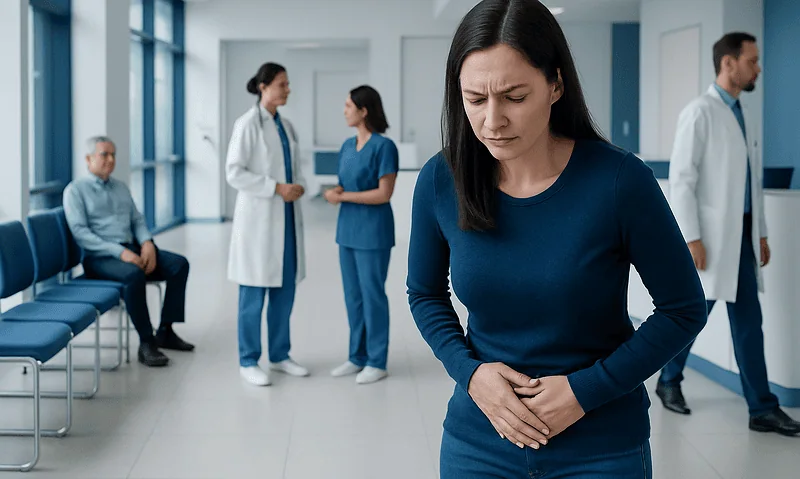
Polio Vaccine: What Patients Need to Know

The polio vaccine is the most effective way to prevent polio and its complications. In many countries, the routine vaccine used is IPV, an inactivated vaccine that cannot cause polio.
Key Takeaways
- The polio vaccine is the most effective way to prevent polio and its complications.
- In many countries, the routine vaccine used is IPV, an inactivated vaccine that cannot cause polio.
- Most people receive polio vaccination in childhood, but some adults may need catch-up or booster doses.
- Side effects are usually mild, such as soreness at the injection site.
- People planning travel to areas with polio transmission should check vaccine recommendations early.
- Anyone with symptoms of a serious allergic reaction after vaccination needs urgent medical care.
The polio vaccine protects against poliomyelitis, a viral infection that can damage the nervous system and cause paralysis. For most people, it is a routine, highly effective vaccine that is given in childhood, with catch-up or booster doses recommended in certain situations such as travel or occupational exposure.
Overview: What the Polio Vaccine Does
The polio vaccine helps the body build immunity against poliovirus, the virus that causes polio. This matters because polio can infect the nervous system and, in some people, lead to muscle weakness, lifelong disability, or paralysis. Vaccination is the main reason polio has become rare in many parts of the world.
Today, the most widely used routine polio vaccine in many countries is inactivated polio vaccine, or IPV. Because IPV contains killed virus, it cannot cause polio. It teaches the immune system to recognize poliovirus and defend against it if exposure happens later.
Although polio is much less common than it once was, the disease has not disappeared everywhere. International travel and pockets of low vaccination can allow the virus to spread. That is why staying up to date with the polio vaccine remains an important part of personal and public health protection.
Why Polio Still Matters
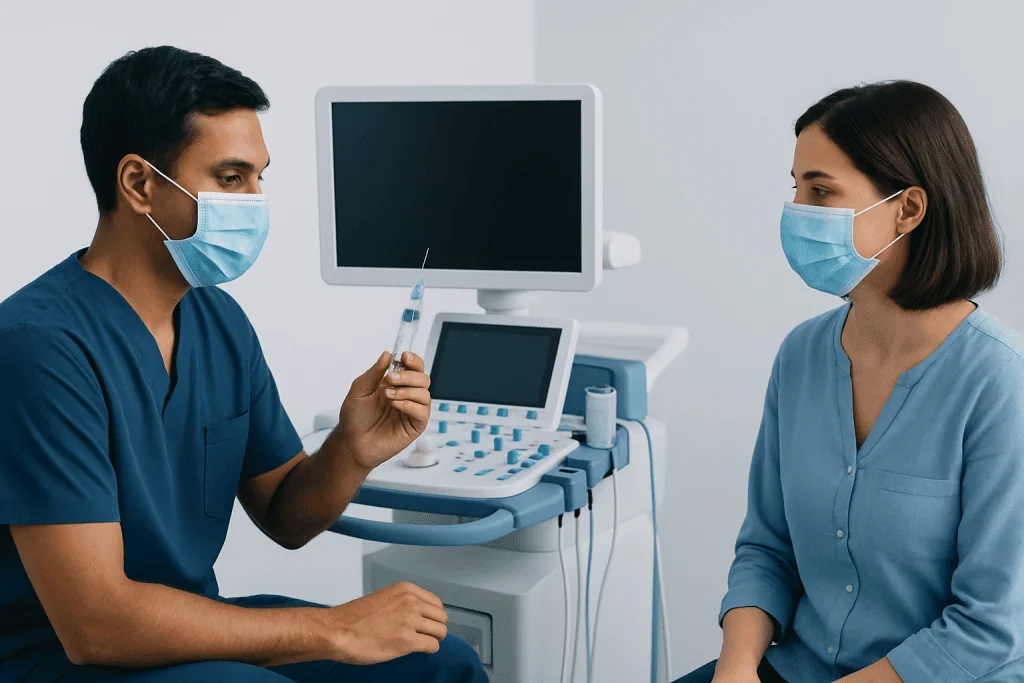
Polio is caused by poliovirus, which spreads mainly through contact with infected stool and, less often, through contaminated food, water, or droplets from the throat. Many infections cause no symptoms or only mild illness, but some progress to serious disease. In rare cases, the virus attacks the spinal cord or brainstem.
When the nervous system is affected, polio can lead to permanent weakness or paralysis, often in the legs. Breathing muscles may also be involved in severe cases. This is why prevention is so important: there is no cure that reverses nerve damage once it occurs.
Vaccination does not just protect one person. High vaccination coverage also reduces the chance of poliovirus spreading in the community, including to infants, people with weakened immune systems, and others who may be more vulnerable to complications from polio.
Who Should Get the Polio Vaccine

Children are the main group routinely vaccinated against polio. In many countries, IPV is given as a series in infancy and early childhood, with additional doses at scheduled ages. Exact timing can vary by country, so families should follow their national immunization program or their pediatrician’s advice.
Adults who were never vaccinated, are unsure of their vaccination history, or did not complete the full series may need catch-up vaccination. Some adults who previously completed the series may also need a one-time booster if they are at increased risk of exposure.
Situations where an adult may need special attention to polio vaccination include:
- Travel to areas where poliovirus is circulating
- Work in a laboratory or healthcare setting with possible poliovirus exposure
- Close contact with someone who may have poliovirus infection
- Public health response work during an outbreak
People with questions about their records can ask a doctor or vaccination clinic to review their history. If records are unavailable, a clinician can usually advise whether repeating doses is appropriate and safe.
Types of Polio Vaccine and How They Differ
There are two main types of polio vaccine used globally: inactivated polio vaccine (IPV) and oral polio vaccine (OPV). IPV is given as an injection. OPV is given by mouth and contains a weakened live virus. Which one is used depends on national policy, local disease patterns, and public health strategy.
IPV is the routine choice in many healthcare systems because it provides strong protection against paralytic disease and cannot cause vaccine-associated polio. This makes it especially suitable for routine use in countries where wild poliovirus is not spreading widely.
OPV has been used in many mass vaccination programs because it is easy to administer and helps reduce intestinal transmission of the virus. However, because it contains live weakened virus, OPV is handled differently in public health planning. Patients should not choose between vaccine types on their own; the appropriate vaccine depends on local guidance.
When preventive care is being reviewed, clinicians may also discuss related childhood immunizations and travel vaccines as part of a broader vaccination plan tailored to age, medical history, and destination.
Safety, Side Effects, and Who May Need Extra Advice
The polio vaccine has a long track record of safety. Most side effects are mild and short-lived. The most common reaction to IPV is soreness, redness, or swelling where the injection was given. Some people may also feel tired or have a brief low-grade fever.
Serious allergic reactions are rare, but they can happen with any vaccine. A person should tell the clinician before vaccination if they have had a severe allergic reaction to a previous dose of polio vaccine or to a vaccine component. The healthcare team can then decide whether vaccination should proceed or whether additional precautions are needed.
People who are moderately or severely unwell on the day of vaccination may be advised to wait until they recover, depending on the situation. Mild illnesses, such as a minor cold without significant fever, do not usually prevent vaccination. Individuals with complex medical conditions, pregnancy-related questions, or immune system concerns should discuss timing and vaccine choice with a qualified doctor.
What to Expect Before and After Vaccination
Before vaccination, the clinician usually checks age, prior vaccine doses, allergies, travel plans, and any current illness. This helps confirm whether the person needs a routine dose, catch-up series, or booster. Bringing vaccine records, if available, can make this process easier.
After an IPV injection, most people can return to normal activities right away. Mild arm discomfort can often be managed with rest, hydration, and simple comfort measures. If a child is fussy after a shot, reassurance and routine care are usually enough.
It is helpful to keep a record of the vaccine date and type. This can be important for school requirements, future catch-up planning, or international travel documents. For people preparing for travel, a clinician may combine advice about polio vaccination with broader preventive steps and, when needed, travel health counseling.
Prevention Beyond Vaccination
Vaccination is the most important protection against polio, but basic hygiene still matters. Poliovirus can spread through contaminated hands, food, and water. Regular handwashing with soap, safe food handling, and access to clean sanitation all help reduce transmission.
These measures are especially relevant when traveling or living in areas where sanitation systems are limited. Parents and caregivers can support prevention by keeping children on schedule for routine immunizations and checking with healthcare providers before international travel.
In some situations, clinicians may evaluate symptoms such as unexplained weakness, fever, or neurologic changes with a broader infectious disease assessment. Depending on the clinical picture, this could involve consultation in infectious diseases or other specialties. Near the end of the care pathway, Acibadem International’s multidisciplinary specialists and JCI-accredited hospitals diagnose and treat infectious and neurological conditions for international patients.
When to Seek Medical Care
Medical advice should be sought if there is uncertainty about whether a child or adult is fully vaccinated against polio, especially before travel to an area with active poliovirus transmission. A doctor can review records, recommend catch-up doses, and explain whether a booster is needed.
Prompt medical care is also important if symptoms of a severe allergic reaction appear after vaccination. Warning signs can include trouble breathing, swelling of the face or throat, widespread hives, severe dizziness, or fainting. These reactions are uncommon, but they require urgent attention.
A person should also contact a doctor if they develop symptoms that could suggest a serious infection or neurological problem, such as persistent fever, neck stiffness, significant muscle weakness, difficulty moving a limb, or trouble swallowing or breathing. These symptoms can have many causes, but they should not be ignored.
Frequently asked questions
What is the polio vaccine for?
The polio vaccine protects against poliovirus, which can cause poliomyelitis. Its main purpose is to prevent severe disease, especially paralysis and other nervous system complications.
Can the polio vaccine cause polio?
The routine injected vaccine used in many countries, IPV, cannot cause polio because it contains inactivated virus. Oral polio vaccine is different and is used in specific public health settings, but vaccine choice depends on national guidance and clinical advice.
Do adults need a polio vaccine?
Some adults do. Adults who were never vaccinated, did not complete the series, or are unsure of their history may need catch-up vaccination, and certain higher-risk adults may need a booster.
What are common side effects of the polio vaccine?
Most side effects are mild, such as soreness, redness, or swelling at the injection site. Some people may also have a brief low-grade fever or feel tired for a short time.
Is the polio vaccine safe for children?
Yes, the polio vaccine is widely recommended for children and has a strong safety record. It is a routine part of childhood immunization schedules in many countries because it prevents a potentially serious infection.
What if someone does not know their polio vaccination history?
A doctor or vaccination clinic can review available records and advise on the next steps. If documentation is missing, repeating doses is often considered safer than remaining unprotected, but the decision should be made with a qualified clinician.
References
- World Health Organization
- Centers for Disease Control and Prevention
- UNICEF
- European Centre for Disease Prevention and Control
This article is for general information only and is not a substitute for professional medical advice. Please consult a qualified doctor about your individual situation.
Explore treatments in Turkey — costs, top hospitals & a free quote
JCI-accredited · board-certified surgeons · reply within 24h
Add us as a Preferred Source to see more of our trusted health content across Google Search, AI Overviews and Discover.