Fear of Clowns: What Patients Need to Know
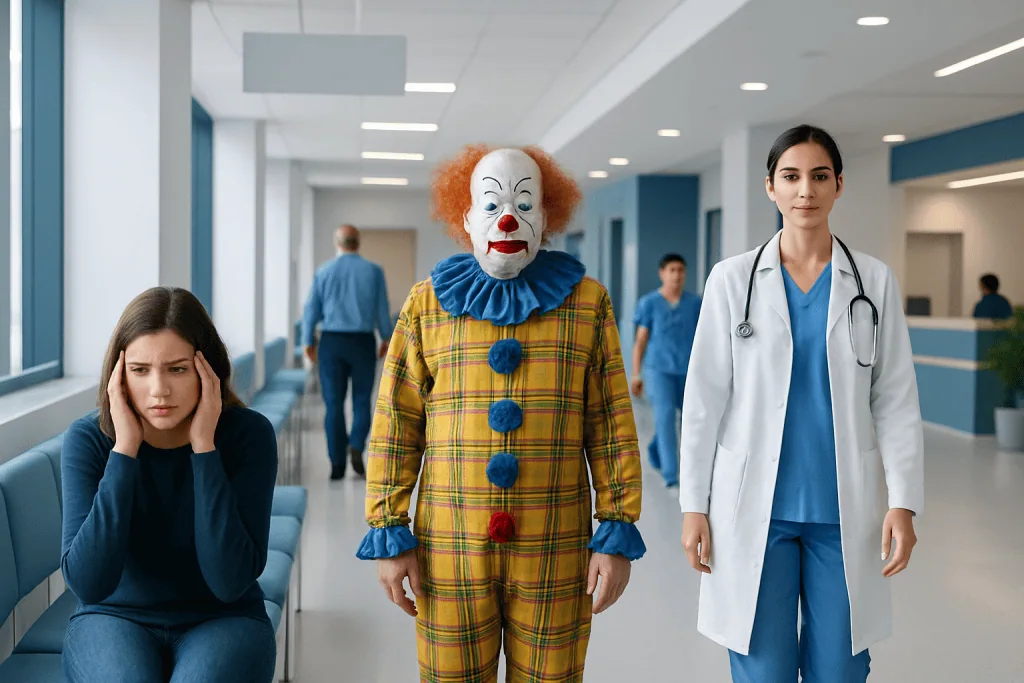
Fear of clowns can range from mild discomfort to a specific phobia that causes significant distress. Common symptoms include rapid heartbeat, sweating, shaking, nausea, and a strong urge to escape.
Key Takeaways
- Fear of clowns can range from mild discomfort to a specific phobia that causes significant distress.
- Common symptoms include rapid heartbeat, sweating, shaking, nausea, and a strong urge to escape.
- This fear may be linked to learned experiences, media portrayals, childhood impressions, or difficulty reading exaggerated facial features.
- Diagnosis is based on symptoms, triggers, severity, and the impact on daily functioning.
- Effective treatment often includes psychotherapy, especially exposure-based cognitive behavioral therapy.
Fear of clowns is often called coulrophobia. It is a type of specific phobia in which clown images, costumes, or performances trigger strong fear, physical anxiety symptoms, or avoidance that can interfere with daily life.
Overview: what fear of clowns means
Fear of clowns is a real and recognized form of phobic fear for some people. While many people simply dislike clowns or find them unsettling, a stronger reaction may be classified as a specific phobia when the fear is intense, persistent, and out of proportion to the actual situation. This can happen with seeing a clown in person, viewing photos or videos, or even thinking about clowns.
The clinical term often used is coulrophobia. It is not a separate psychiatric diagnosis on its own, but it can fit under the broader category of anxiety disorders when symptoms match a specific phobia pattern. The person usually recognizes that the fear may seem excessive, yet the body and mind still react automatically.
Clown-related fear can affect both children and adults. In some people it fades over time, while in others it becomes more disruptive, especially if it leads to avoiding parties, hospitals, entertainment venues, advertisements, or media content. Reassuringly, this kind of fear can be assessed and treated, and improvement is common with the right support.
How it can feel: emotional and physical symptoms

The symptoms of fear of clowns can look similar to other phobias. Some people feel immediate dread, disgust, or panic when they notice a clown costume, painted face, or exaggerated smile. Others become anxious before an expected event, such as a parade, carnival, or children’s party where a clown might appear.
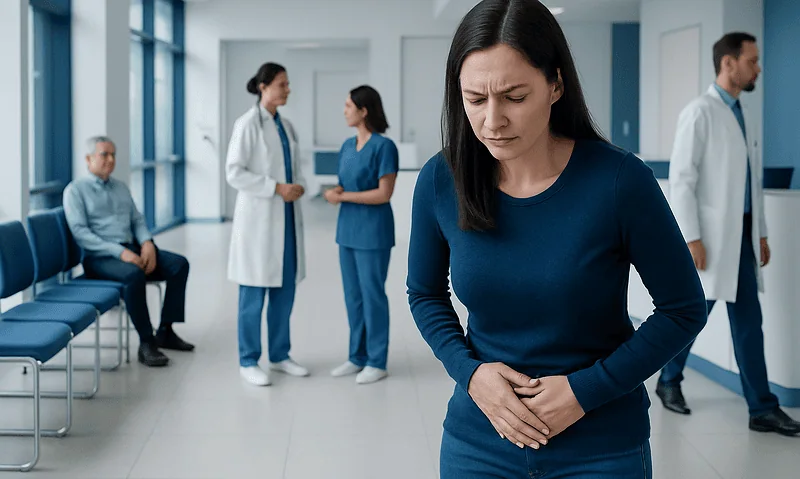
Physical symptoms come from the body’s stress response. These may start within seconds of seeing a trigger and can be very uncomfortable even when the person knows they are safe. In some cases, the reaction resembles a panic attack.
- Rapid heartbeat or pounding chest
- Shortness of breath
- Sweating or trembling
- Nausea or stomach discomfort
- Dizziness or feeling faint
- Dry mouth or muscle tension
- A strong urge to leave or hide
Emotional effects may continue after the trigger is gone. A person may replay the experience, feel embarrassed about the reaction, or begin planning how to avoid similar situations in the future. When avoidance becomes frequent, the fear can start shaping daily decisions, social life, and family activities.
Why clowns can trigger fear
There is no single cause of fear of clowns. For some people, the fear begins after a distressing experience, such as being startled by a clown at a young age. For others, the fear develops without one clear event and may reflect a mix of temperament, learning, and cultural influences.
Clowns can be difficult for the brain to read. Heavy makeup, exaggerated smiles, unusual body movements, wigs, and oversized clothing can make facial expressions seem less predictable. When the face looks partly human but also distorted or masked, some people experience unease because they cannot easily judge the person’s true emotions or intentions.
Media portrayals can also play a role. Horror films, social media images, and stories that depict clowns as threatening may reinforce fear, especially in children and adolescents. A person who is already prone to anxiety may be more likely to connect clowns with danger.
Risk factors for developing a stronger phobic response may include a family history of anxiety, a sensitive or inhibited temperament, previous traumatic experiences, or existing conditions such as panic attacks or other phobias. These factors do not guarantee a phobia, but they can make intense fear more likely.
How doctors and mental health professionals diagnose it
There is no blood test or brain scan for fear of clowns. Diagnosis is based on a careful conversation about symptoms, triggers, how long the fear has been present, and how much it affects school, work, travel, family activities, or sleep. A clinician will also want to know whether the fear is mainly disgust, anxiety, trauma-related distress, or part of a broader mental health pattern.
To be considered a specific phobia, the fear is usually persistent, clearly linked to a particular trigger, and severe enough to cause marked distress or avoidance. The reaction is generally immediate or near-immediate when the person encounters the trigger, and the fear is stronger than would be expected for the actual risk.
The evaluation may also look for related concerns such as generalized anxiety, social anxiety, obsessive fears, trauma-related symptoms, or depression. In some cases, treatment planning may involve a psychiatrist or psychologist experienced in psychiatric care and phobia assessment. A full evaluation helps guide treatment and rule out other conditions that may need attention.
Treatment options that can help
Treatment depends on how severe the fear is and whether it interferes with daily life. Mild discomfort may improve with education, stress management, and gradual self-directed coping. When fear is intense or limiting, professional treatment is often the most effective approach.
Psychotherapy is usually the main treatment. Cognitive behavioral therapy helps a person identify fear patterns, challenge unhelpful thoughts, and build healthier responses to triggers. A key part of treatment may be gradual exposure, where clown-related images or situations are introduced step by step in a controlled, supportive way. This process is planned carefully so that the person can build confidence rather than feel overwhelmed.
Some patients may benefit from working with a psychologist or psychiatrist through structured psychological support or broader anxiety treatment if symptoms overlap with other anxiety problems. Relaxation strategies, breathing techniques, and mindfulness may also be added to reduce the body’s alarm response during exposure work.
Medication is not usually the first treatment for a specific phobia, but in selected cases a doctor may consider it when symptoms are severe, when panic symptoms are frequent, or when another anxiety disorder is also present. Medication decisions should always be individualized and discussed with a qualified clinician.
Practical self-care and prevention strategies
People cannot always prevent a phobia, but they can reduce the impact of fear and support recovery. Avoiding every trigger may bring short-term relief, yet over time it can strengthen the phobia. A more helpful goal is to build tolerance gradually and safely, often with guidance from a professional if the fear is strong.
Simple coping tools can make a difference. Slow breathing, grounding exercises, and preparing for known triggers may lessen the body’s physical reaction. Parents should respond calmly if a child is afraid of clowns and avoid forcing close contact, as pressure can increase distress.
- Practice slow, steady breathing when anxiety starts
- Reduce repeated avoidance of harmless triggers when possible
- Keep a note of what situations cause the strongest reactions
- Limit frightening media content if it worsens symptoms
- Seek early support if fear is starting to affect daily life
Consistent sleep, regular exercise, and general anxiety management can also help because they improve the body’s resilience to stress. Near the end of the care journey, some people benefit from a multidisciplinary review. Acibadem International’s specialists in JCI-accredited hospitals diagnose and treat anxiety-related conditions for international patients when further evaluation is needed.
When to seek medical care
Medical or psychological care is appropriate when fear of clowns causes significant distress, panic-like symptoms, or avoidance that disrupts ordinary activities. Examples include skipping family events, feeling unable to accompany a child to a party, or becoming highly anxious with clown images in stores, hospitals, or media.
It is also important to seek help if the fear seems to be expanding to other triggers, such as masked performers, painted faces, crowds, or unfamiliar social settings. A professional can help determine whether the problem is a specific phobia or part of a broader anxiety condition.
Urgent assessment is especially important if anxiety is causing severe functional problems, if there are frequent panic attacks, or if the person is feeling hopeless, unsafe, or unable to cope. Early support often makes treatment easier and can prevent the fear from becoming more entrenched over time.
Frequently asked questions
Is fear of clowns a real phobia?
Yes. Fear of clowns can be a real specific phobia when it causes intense anxiety, physical symptoms, and avoidance that interfere with daily life. Mild dislike is common, but a phobia is more persistent and distressing.
What is the medical term for fear of clowns?
The term commonly used is coulrophobia. It is not usually listed as a separate diagnosis, but it may be understood clinically as a type of specific phobia.
Why are some people afraid of clowns?
Clowns can seem unpredictable because of exaggerated makeup, altered facial expressions, and unusual movements. Fear may also be shaped by childhood experiences, horror portrayals, or a general tendency toward anxiety.
Can children outgrow a fear of clowns?
Some children do outgrow it, especially if the fear is mild and they are supported calmly. If the fear becomes intense, lasts for a long time, or leads to major avoidance, professional guidance may help.
How is fear of clowns treated?
Treatment often involves cognitive behavioral therapy, especially gradual exposure in a safe and structured way. Relaxation skills and treatment for related anxiety may also be used when needed.
Should a person force themselves to face clowns?
Usually no. Sudden, intense exposure can feel overwhelming and may reinforce the fear. A gradual, planned approach is safer and is often more effective, especially when guided by a qualified professional.
References
- American Psychiatric Association
- National Institute of Mental Health
- National Health Service
- Mayo Clinic
- Cleveland Clinic
This article is for general information only and is not a substitute for professional medical advice. Please consult a qualified doctor about your individual situation.
Explore treatments in Turkey — costs, top hospitals & a free quote
JCI-accredited · board-certified surgeons · reply within 24h
Add us as a Preferred Source to see more of our trusted health content across Google Search, AI Overviews and Discover.