Urine in Pee Male — Explained by Medical Evidence, Not Myths

Unusual urine in men can include blood, cloudiness, foam, sediment, mucus, or a strong odor. Common causes include dehydration, urinary tract infection, kidney stones, prostate enlargement, and some medicines or foods.
Key Takeaways
- Unusual urine in men can include blood, cloudiness, foam, sediment, mucus, or a strong odor.
- Common causes include dehydration, urinary tract infection, kidney stones, prostate enlargement, and some medicines or foods.
- Blood in urine should always be assessed, even if it happens only once and causes no pain.
- Diagnosis often starts with a urine test and may include blood tests, imaging, or urology evaluation.
- Drinking enough fluids and seeking care early for pain, fever, or urinary blockage can help prevent complications.
Urine in pee male usually means a man has noticed something unusual in the urine, such as blood, cloudiness, foam, mucus, particles, or a strong change in color or smell. Many causes are minor and temporary, but some changes can signal infection, stones, prostate conditions, kidney disease, or other problems that should be checked by a doctor.
Overview: what “urine in pee male” usually means
The phrase “urine in pee male” is not a medical term, but it usually reflects a common concern: a man sees something unusual in his urine and wants to know what it means. In everyday use, this may refer to blood, white particles, foam, cloudiness, mucus, crystals, or a noticeable change in smell or color. The most important point is that urine should normally be fairly clear to pale yellow, and lasting changes deserve attention.
Not every urine change is dangerous. Dehydration can make urine darker, certain foods can change its color, and some supplements or medicines can alter its appearance. After exercise, a short-lived change may also happen. Even so, men should not ignore symptoms that recur, become more obvious, or come with pain, fever, burning, or trouble urinating.
A careful medical evaluation focuses on what is actually being seen in the urine rather than myths or assumptions. For example, cloudy urine may suggest concentrated urine, infection, or crystals. Foamy urine may simply reflect a strong urine stream, but if it happens often it can suggest protein in the urine. Visible blood, even a small amount, always needs proper assessment.
What unusual urine can look like
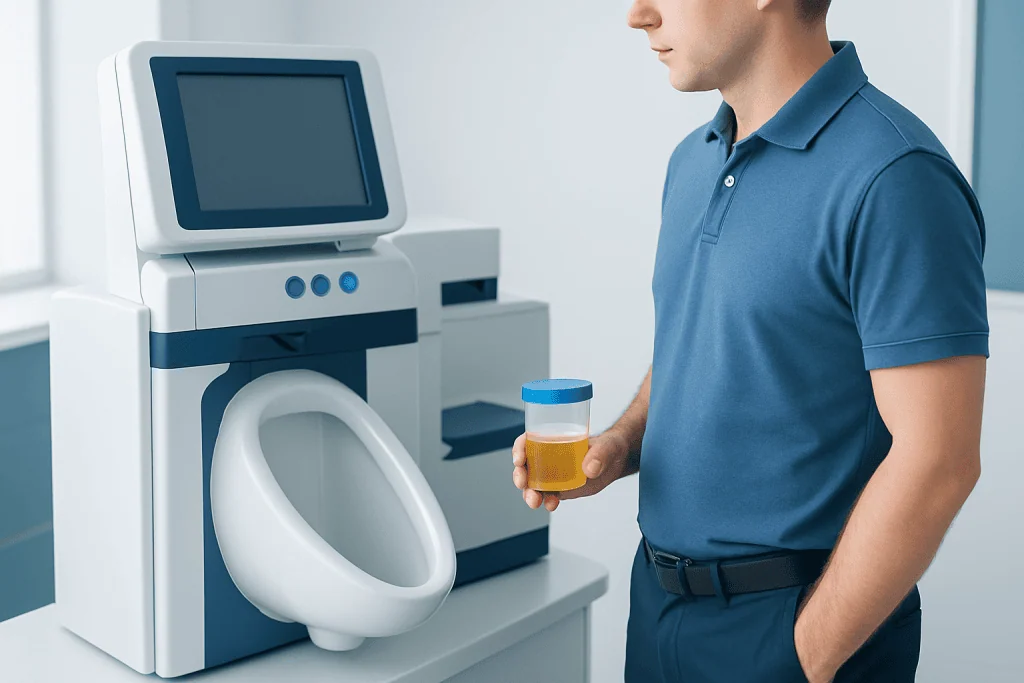
Different appearances can point toward different causes, although they are not diagnostic on their own. Red, pink, or cola-colored urine may mean blood is present. Cloudy or milky urine can be linked to infection, crystals, or white blood cells. Foamy urine may happen after urinating quickly, but persistent foam can sometimes be associated with protein loss from the kidneys.
Some men notice small floating particles, mucus-like strands, or sediment at the bottom of the toilet. These can come from concentrated urine, inflammation, crystals, semen left in the urethra after ejaculation, or rarely infection. A very strong odor can occur with dehydration, certain foods such as asparagus, vitamins, or infection.
Doctors also ask about symptoms that occur at the same time, because these add useful clues. Important associated symptoms include:
- Burning or pain with urination
- Needing to urinate more often
- Urgency or difficulty holding urine
- Weak urine stream or straining
- Pain in the side, back, lower abdomen, or groin
- Fever, chills, nausea, or feeling unwell
- Swelling in the legs or around the eyes
The timing matters too. A single abnormal urine episode after strenuous exercise may be less concerning than repeated episodes over days or weeks. Still, recurrent changes should be documented and discussed with a clinician.
Common causes in men

Dehydration is one of the most common and simplest reasons urine looks unusual. When fluid intake is low, urine becomes more concentrated, darker, and sometimes cloudy. This can also make crystals or sediment more visible. Rehydration often improves the appearance within a day.
Urinary tract infection can cause cloudy urine, a bad smell, burning, urgency, and sometimes blood. Although urinary tract infections are less common in men than in women, they should be taken seriously because they may be linked to blockage, prostate problems, or infection spreading higher in the urinary system. Men with symptoms of infection may need testing for urinary tract infection.
Kidney stones and bladder stones can cause blood in the urine, severe pain, nausea, and frequent urination. Small stones may pass on their own, while larger ones may need specialist care. If a stone is suspected, imaging and urology review may be required, and treatment may involve options used for kidney stones.
Prostate conditions are another important cause in men, especially with age. An enlarged prostate can slow the urine stream, lead to incomplete emptying, and increase the risk of infection or bladder irritation. Inflammation of the prostate, called prostatitis, may also cause pelvic pain, burning, fever, and cloudy urine. Less common but important causes include kidney disease, trauma, sexually transmitted infections, and cancers of the kidney, bladder, or prostate.
Blood, foam, or particles: what each may suggest
Blood in the urine, known medically as hematuria, may be visible or found only on a urine test. Possible causes include infection, stones, prostate enlargement, strenuous exercise, kidney disease, and urinary tract tumors. Because the causes vary widely, visible blood should never be dismissed as normal, even if there is no pain.
Foamy urine is often overinterpreted online. A few bubbles after urinating can be harmless and related to the force of the stream or concentrated urine. However, foam that is frequent, thick, and persistent can suggest protein in the urine, which may point to kidney filtering problems. In that situation, a urine test for protein is appropriate.
White particles, sediment, or mucus can come from crystals, infection, inflammation, or residual semen after ejaculation. Sometimes they reflect phosphates in alkaline urine rather than disease. If particles appear repeatedly or are paired with burning, pain, fever, or a foul smell, further testing is sensible.
Dark brown or tea-colored urine can result from dehydration, blood breakdown products, liver-related changes, or certain medicines. Orange urine may come from vitamins or medications, and red urine can occasionally follow foods such as beetroot. A doctor helps sort out these possibilities with history, examination, and laboratory testing rather than guesswork alone.
How doctors diagnose the cause
Evaluation starts with a history of exactly what was seen, when it began, whether it comes and goes, and what other symptoms are present. A clinician may ask about fluid intake, recent exercise, sexual activity, medicines, supplements, smoking, previous stones, and any history of kidney or prostate problems. These details help narrow the likely causes.
The basic first test is usually a urinalysis. This can detect blood, protein, white blood cells, bacteria, crystals, sugar, and signs of dehydration. If infection is suspected, a urine culture may be added to identify bacteria. Blood tests may check kidney function, inflammation, blood sugar, or other relevant markers.
Imaging is sometimes needed, especially if there is pain, recurrent blood, suspected stones, or concern for blockage. An ultrasound is often a helpful starting test. In selected cases, doctors may recommend advanced imaging or direct examination of the urinary tract by a urologist. Men with persistent or unexplained symptoms may also need assessment of the prostate and bladder. When a procedure is required to investigate bladder symptoms or bleeding, a urologist may discuss cystoscopy.
It is helpful for patients to note urine color changes, take a photo if appropriate, and write down any related symptoms. That information can make the consultation more accurate and efficient.
Treatment options and self-care
Treatment depends entirely on the underlying cause. Dehydration is managed with adequate fluids and addressing the reason fluid loss occurred. Infections may require antibiotics prescribed after medical evaluation. Stones may be treated with pain management, hydration, monitoring, or procedures if they are large, obstructive, or not passing.
When prostate enlargement contributes to weak stream, frequent urination, or incomplete emptying, treatment may include lifestyle measures, medicines, or procedural options. Men with ongoing urinary symptoms may be assessed for benign prostatic hyperplasia, especially if symptoms develop gradually with age.
Kidney-related causes such as protein in the urine, reduced kidney function, or inflammation need more targeted care. This may involve blood pressure control, diabetes management, or referral to a kidney specialist. If a structural problem is found, treatment is tailored to the specific diagnosis.
General self-care can support urinary health while waiting for medical advice, but it is not a substitute for diagnosis. Helpful steps include drinking enough water unless a doctor has advised fluid restriction, avoiding smoking, limiting excess salt, moderating alcohol, and seeking prompt care for burning, fever, or blood in the urine. Some men with recurring stones or urinary blockage may eventually need specialist procedures such as kidney stone treatment depending on the findings.
When to seek medical care
Prompt medical care is important if a man sees blood in the urine, cannot pass urine, has severe back or side pain, or develops fever with urinary symptoms. These can suggest infection, obstruction, or another urgent problem. Immediate care is also appropriate for vomiting, dehydration, or confusion.
A non-urgent appointment should be arranged if cloudy, foamy, dark, or particle-filled urine persists for more than a short time or keeps returning. The same applies to a weak stream, frequent nighttime urination, pelvic discomfort, or pain during urination. Even mild symptoms can reveal a treatable cause when assessed early.
Men who are older, smoke, have diabetes, have a history of stones, or have known kidney or prostate disease should be especially attentive to urine changes. If evaluation by a specialist is needed, Acibadem International’s multidisciplinary specialists and JCI-accredited hospitals diagnose and treat urinary and prostate conditions for international patients, including advanced assessment and prostate treatment when appropriate.
Frequently asked questions
Is it normal for a man to see particles in urine?
Small particles can sometimes appear in concentrated urine or after ejaculation and may not mean disease. However, if particles keep appearing or come with pain, burning, odor, fever, or blood, a medical evaluation is advisable.
What does foamy urine mean in men?
Foamy urine can be harmless if it happens occasionally, especially with a strong urine stream or dehydration. If the foam is persistent or happens often, a urine test can check for protein, which may suggest a kidney-related problem.
Should men worry about blood in urine even without pain?
Yes. Blood in the urine should always be assessed, even if it appears only once and there is no pain. Causes range from infection and stones to prostate or bladder problems, so proper testing is important.
Can dehydration make urine look cloudy or dark?
Yes, dehydration commonly makes urine darker, more concentrated, and sometimes cloudy. Drinking enough fluids may improve this quickly, but repeated changes should still be discussed with a doctor.
Can prostate problems change the appearance of urine?
Yes. Prostate enlargement or inflammation can affect urine flow and may contribute to cloudy urine, blood, incomplete emptying, or infection. A doctor may check the prostate if urinary symptoms are present.
What tests are usually done for unusual urine in men?
A urinalysis is often the first test because it can show blood, protein, infection, crystals, and concentration. Depending on symptoms, a doctor may also order a urine culture, blood tests, ultrasound, or referral to a urologist.
References
- National Institute of Diabetes and Digestive and Kidney Diseases
- American Urological Association
- Mayo Clinic
- National Health Service
- European Association of Urology
This article is for general information only and is not a substitute for professional medical advice. Please consult a qualified doctor about your individual situation.
Explore treatments in Turkey — costs, top hospitals & a free quote
JCI-accredited · board-certified surgeons · reply within 24h
Add us as a Preferred Source to see more of our trusted health content across Google Search, AI Overviews and Discover.