High Fibre Foods for Piles: What the Clinical Research Actually Says

Fiber is one of the best-studied self-care measures for hemorrhoid symptoms, especially when constipation or straining is involved. Foods naturally rich in fiber include fruits, vegetables, legumes, whole grains, nuts, and seeds.
Key Takeaways
- Fiber is one of the best-studied self-care measures for hemorrhoid symptoms, especially when constipation or straining is involved.
- Foods naturally rich in fiber include fruits, vegetables, legumes, whole grains, nuts, and seeds.
- Increasing fiber too quickly may cause gas, bloating, or cramping, so gradual changes and adequate fluids matter.
- Fiber can support symptom control, but it does not treat every cause of rectal bleeding or severe anorectal pain.
- Some people may also need medical treatment if symptoms persist, recur often, or suggest another condition.
High fibre foods for piles can help by softening stool, increasing stool bulk, and reducing straining during bowel movements. Clinical research supports fiber as a useful first-line measure for many people with hemorrhoids, although it does not replace medical assessment when bleeding, pain, or ongoing symptoms are present.
Overview: What High Fibre Foods for Piles Can and Cannot Do
High fibre foods for piles are foods that help increase daily fiber intake in people with hemorrhoids, also called piles. In practical terms, they are used to make stools softer and easier to pass, which can reduce straining and irritation around swollen hemorrhoidal tissue. This is the main reason clinicians often recommend a higher-fiber eating pattern as part of early management.
Clinical research supports fiber as a helpful measure for many people with hemorrhoid symptoms, particularly bleeding linked to bowel movements and discomfort associated with constipation. Evidence is stronger for symptom improvement than for completely reversing larger or advanced hemorrhoids. In other words, fiber is useful, but it is not a cure-all and should be viewed as one part of care.
This evidence-based perspective matters because advice on hemorrhoid diets is often simplified. Not every food that is described as “good for piles” has direct clinical evidence behind it, and no single food works on its own. The best-supported approach is an overall pattern: adequate fiber from foods, enough fluid, and habits that reduce straining and prolonged sitting on the toilet.
Piles can occur on their own or alongside problems such as constipation, pregnancy-related pressure, or chronic bowel habit changes. People who are unsure whether their symptoms are truly due to hemorrhoids should seek assessment, because bleeding or pain may also relate to fissures, inflammatory bowel disease, polyps, or other digestive conditions such as hemorrhoids and anorectal disorders that need medical evaluation.
What the Clinical Research Actually Says
Research over many years has shown that fiber intake can improve hemorrhoid-related symptoms in a meaningful number of patients. Studies and guideline reviews generally support fiber as a conservative, first-line option, especially for people with constipation, hard stools, or frequent straining. Fiber may lower the chance of ongoing bleeding and may reduce the need for escalation in mild cases.
The likely mechanism is straightforward. Fiber increases stool bulk and water content, which can make bowel movements less traumatic. Less straining means lower pressure in the anal canal and less repeated irritation of hemorrhoidal veins and supporting tissue.
What the evidence does not show is that any one “superfood” treats piles by itself. Clinical benefit comes from total daily fiber intake and bowel pattern improvement, not from a single fruit, juice, seed, or supplement trend. Also, dietary measures are less likely to be enough for severe prolapse, thrombosis, marked pain, or persistent bleeding.
Research also has limits. Studies differ in the types of fiber used, the severity of hemorrhoids studied, and whether participants changed other habits at the same time. For that reason, clinicians usually present fiber as evidence-based supportive care rather than a stand-alone treatment for every person.
Which High Fibre Foods Are Most Useful
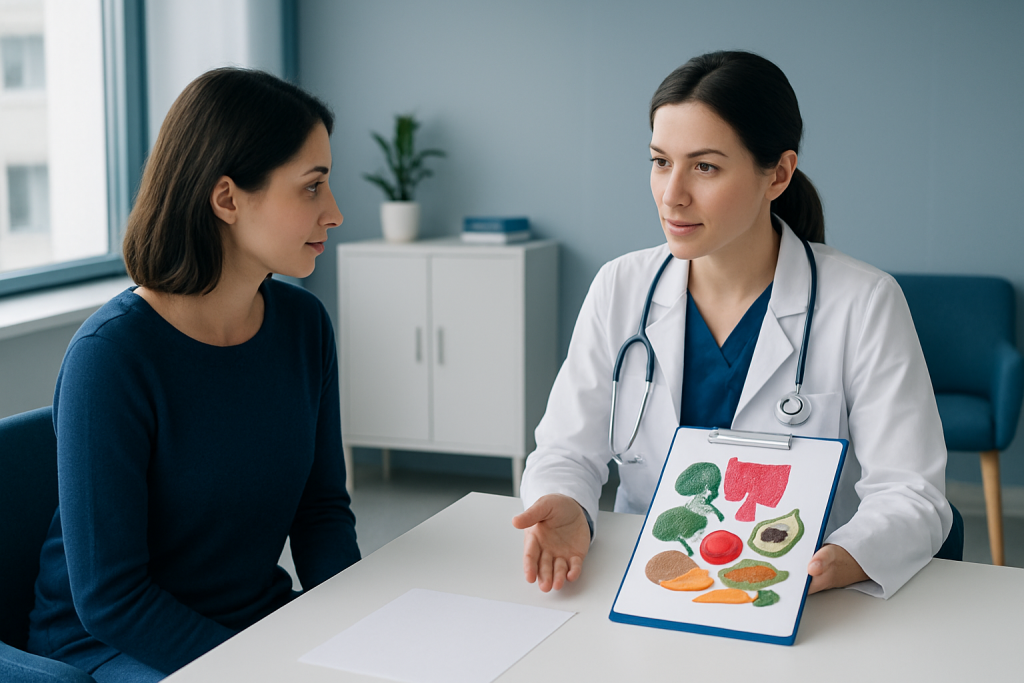
The most useful high fibre foods for piles are everyday foods that help people reach a consistent fiber intake. Choices from several food groups are usually more practical than relying on one source. A varied pattern also brings fluids, vitamins, minerals, and different types of fiber that support bowel regularity.
Common options include fruits such as pears, apples, berries, prunes, oranges, and kiwi; vegetables such as broccoli, carrots, Brussels sprouts, leafy greens, and artichokes; legumes such as lentils, chickpeas, beans, and peas; and whole grains such as oats, barley, brown rice, whole wheat bread, and bran cereals. Nuts and seeds can also contribute, although portion size and tolerance vary from person to person.
- Soluble fiber: found in oats, barley, beans, lentils, apples, and citrus fruits; it absorbs water and can help soften stool.
- Insoluble fiber: found in wheat bran, whole grains, many vegetables, nuts, and seeds; it adds bulk and may help stool move through the bowel more efficiently.
- Mixed sources: most plant foods contain a combination, which is why variety is often recommended.
For many people, food-based fiber is the preferred starting point because it improves the overall diet and can be adjusted gradually. If food alone is not enough, a clinician may discuss fiber supplements as part of broader care, especially if constipation remains a major trigger for symptoms.
How to Use Fiber in Real Life
Adding fiber works best when it is done gradually. A sudden jump in intake may lead to bloating, gas, abdominal cramping, or a feeling of fullness. Increasing portions over days to weeks gives the digestive system time to adapt and makes it more likely that the change will be sustainable.
Fluid intake is also important. Fiber without enough fluid can worsen constipation in some people, especially when the main increase comes from supplements or large amounts of bran. Water is usually the simplest option, though overall hydration needs vary with climate, activity, age, and health conditions.
Meal timing and toilet habits matter as much as food choices. Eating regular meals can help support predictable bowel activity. It also helps to respond to the urge to pass stool rather than delaying, avoid prolonged sitting on the toilet, and avoid repeated straining.
People who have recurrent symptoms alongside constipation may benefit from a wider digestive assessment. When bowel habits stay difficult despite diet changes, doctors may look for contributing conditions and discuss medical or procedural options, including treatment for constipation or, where appropriate, procedures for troublesome hemorrhoids such as hemorrhoid treatment.
Side Effects, Interactions, and Who Should Be Cautious
Although fiber is generally safe, it is not suitable for every situation in the same way. Some people experience gas, bloating, or abdominal discomfort, especially when intake rises quickly or when they are sensitive to certain fermentable carbohydrates in beans, some fruits, or whole grains. Adjusting the type and amount of fiber often helps.
People with bowel narrowing, swallowing difficulty, severe motility problems, or certain digestive disorders may need individualized advice before using concentrated fiber products. Those with inflammatory bowel symptoms, unexplained weight loss, significant abdominal pain, or a sudden change in bowel habits should not assume fiber alone is the answer.
Fiber supplements can also affect how some medicines are absorbed if taken at the same time. This can apply to certain thyroid medicines, iron, and other oral drugs. A pharmacist or doctor can advise on spacing doses safely if a supplement is being used regularly.
Dietary advice may also need adapting for people with kidney disease, some special diets, or after bowel surgery. In these situations, general “eat more fiber” advice may be too broad, and a clinician or dietitian can help find the right balance without causing other problems.
What Else Helps Besides High Fibre Foods
Fiber is often most effective when combined with other conservative measures. Sitz baths, gentle cleansing, avoiding heavy straining, and short-term symptom relief measures recommended by a clinician may all play a role. For some people, pain is actually due to a fissure or another anorectal condition, which is why the diagnosis matters.
If symptoms are moderate or persistent, treatment may go beyond diet. Doctors may suggest medications, office-based procedures, or surgery depending on whether hemorrhoids are internal or external, whether they prolapse, and whether there is thrombosis or repeated bleeding. Evaluation helps match treatment to symptom severity rather than relying on trial and error.
People who have rectal bleeding should remember that hemorrhoids are common but not the only cause. Digestive specialists may recommend further tests if age, family history, anemia, bowel habit changes, or other features raise concern. In selected cases, assessment may include colonoscopy or specialist review in gastroenterology.
Near the end of the care pathway, some patients also benefit from coordinated support across specialties. Acibadem International’s multidisciplinary specialists in JCI-accredited hospitals diagnose and treat hemorrhoids and related digestive concerns for international patients when further evaluation or treatment is needed.
When to Seek Medical Care
Medical care is important if bleeding is persistent, heavy, dark, or mixed into the stool, or if there is severe pain, fever, dizziness, or a new lump that is very tender. These features may suggest a complication or another condition that needs prompt evaluation. Ongoing symptoms should not be self-diagnosed indefinitely as piles.
It is also sensible to seek care if symptoms continue despite several weeks of fiber-focused diet changes, fluids, and bowel habit improvement. Recurring prolapse, mucus leakage, difficulty cleaning after bowel movements, or symptoms that interfere with daily life may need a more structured treatment plan.
People over the age when bowel cancer screening becomes relevant, or those with a family history of colorectal cancer, inflammatory bowel disease, or unexplained anemia, should be especially careful not to assume that rectal bleeding is only from hemorrhoids. A clinician can decide whether examination or additional testing is needed.
Children, pregnant people, and adults with major medical conditions should also seek personalized advice if symptoms are frequent or significant. Even when piles are the cause, individualized care can help improve comfort while addressing the trigger behind the symptoms.
Frequently asked questions
Do high fibre foods for piles really work?
They can help many people, especially if hard stools and straining are part of the problem. Clinical evidence supports fiber as a useful conservative measure, but it does not replace medical assessment for severe, persistent, or unclear symptoms.
What are the best foods to eat for piles?
Useful choices usually include fruits, vegetables, beans, lentils, oats, barley, and other whole grains. The best approach is a varied, steady increase in total fiber rather than relying on one specific food.
Can too much fiber make piles worse?
If fiber is increased too quickly or taken without enough fluid, it can cause bloating, gas, and sometimes worsen constipation. A gradual increase with adequate hydration is usually better tolerated.
Is soluble or insoluble fiber better for hemorrhoids?
Both types can be helpful because they work in different ways. Soluble fiber helps soften stool by holding water, while insoluble fiber adds bulk and may support easier bowel movement.
Are fiber supplements as good as food?
Supplements can be helpful when diet alone is not enough, but whole foods are often preferred as a starting point because they provide a broader nutritional benefit. A doctor or dietitian can advise if supplements are appropriate and how to take them safely with other medicines.
When should someone with piles see a doctor?
A doctor should be seen for persistent or heavy bleeding, severe pain, a very tender lump, dizziness, fever, or symptoms that do not improve with self-care. Medical review is also important if there are bowel habit changes, anemia, weight loss, or uncertainty about the diagnosis.
This article is for general information only and is not a substitute for professional medical advice. Please consult a qualified doctor about your individual situation.
Persistent digestive symptoms? Get evaluated in Turkey
JCI-accredited · board-certified surgeons · reply within 24h
Add us as a Preferred Source to see more of our trusted health content across Google Search, AI Overviews and Discover.

More from the Health Library

Hair Therapy Protein: Evidence-Based Benefits, Risks, and Practical Guidance

Pumpkin Nutrition: What the Clinical Research Actually Says

Protein Intake: How Much You Need for Health, Aging, and Recovery

Nutritional Value of Pak Choi: Evidence-Based Benefits, Risks, and Practical Guidance

Exclusion Diets: What the Clinical Research Actually Says