Is Urine Sterile? Here Is What the Evidence Says

The answer to “is urine sterile” is usually no, especially with modern sensitive testing methods. Finding bacteria or other microbes in urine does not automatically mean a urinary tract infection.
Key Takeaways
- The answer to “is urine sterile” is usually no, especially with modern sensitive testing methods.
- Finding bacteria or other microbes in urine does not automatically mean a urinary tract infection.
- Symptoms matter: pain, burning, fever, urgency, flank pain, or blood in urine deserve medical attention.
- Doctors use symptom history, urinalysis, urine culture, and sometimes imaging to understand what a urine result means.
- Proper urine sample collection helps reduce contamination and improves test accuracy.
Urine was long thought to be sterile, but modern research shows that urine can contain small numbers of microorganisms even in healthy people. In many cases this is harmless, while symptoms such as burning, fever, or blood in the urine may point to a urinary problem that needs medical assessment.
Overview: Is urine sterile?
In most day-to-day situations, the question “is urine sterile” can be answered simply: not completely. Modern laboratory methods have shown that urine may contain very small amounts of bacteria and other microorganisms, even in people who feel well and have no signs of infection. That means a non-sterile urine sample does not automatically signal illness.
This can be reassuring, because many urine findings are harmless or reflect normal biology, sample contamination, or microbes that do not cause disease. What matters most is the full picture: symptoms, medical history, physical examination, and the type of testing used.
Older medical teaching often described urine inside the bladder as sterile. That idea came largely from standard culture techniques, which are useful but do not detect every organism. Newer techniques, including enhanced culture methods and molecular testing, can identify microbes that older tests often missed.
So the more useful question is not only whether urine is sterile, but whether the urine findings match a true problem. If a person has no symptoms, a small amount of bacteria in urine may not need treatment. If symptoms are present, the same finding may be more important.
Why the old idea changed
For many years, standard urine culture was the main way to look for infection. This test is still very important, but it was designed mainly to detect common disease-causing bacteria that grow well under usual laboratory conditions. It does not identify every microbe that may be present in small amounts.
Research over the last decade has supported the idea of a urinary microbiome, meaning a community of microorganisms that may exist in the urinary tract. This does not mean everyone has an infection. Instead, it suggests that the urinary tract is more biologically active and complex than once believed.
Another reason the topic can be confusing is contamination. A urine sample can pick up bacteria from the skin around the urethra or genital area during collection. This is one reason clinicians often ask for a clean-catch midstream sample. Proper collection helps doctors decide whether test findings are likely to reflect the bladder or simply the sample process.
In practice, this shift in understanding helps doctors avoid overinterpreting a test result. A positive finding on its own is not enough. It is interpreted together with symptoms such as burning, frequent urination, pelvic discomfort, fever, or lower back pain.
When bacteria in urine is harmless and when it may matter

Bacteria in urine can be harmless in several situations. Some people have no urinary symptoms but still have bacteria detected on testing, a finding called asymptomatic bacteriuria. In many adults, especially older adults, treatment is not always needed unless there are special circumstances such as pregnancy or a planned urologic procedure. Treating bacteria that is not causing disease can sometimes do more harm than good by encouraging antibiotic resistance or side effects.
By contrast, bacteria in urine may matter when it appears together with symptoms or certain risk factors. Burning while urinating, a frequent urge to urinate, pelvic pressure, cloudy or foul-smelling urine, fever, chills, or pain in the side or back may suggest a urinary tract infection. In that setting, urine results are much more likely to be clinically meaningful.
Some groups deserve closer attention because they may have a higher risk of complications or more subtle symptoms. These include pregnant women, people with kidney stones, people using catheters, those with diabetes, and people with weakened immune systems. Structural urinary problems can also change how a doctor interprets a urine test.
If symptoms and test results suggest infection, a doctor may evaluate for a urinary tract infection or, when pain is higher in the urinary system, for related kidney involvement. The presence or absence of symptoms remains one of the most important clues.
Symptoms and red flags to watch for
Many people ask about urine sterility after seeing an abnormal test result, noticing cloudy urine, or hearing that bacteria were found in a sample. Often there are no symptoms, and the finding may not be urgent. Still, some symptoms should not be ignored because they can point to infection, irritation, stones, or another urinary issue.
Symptoms that may need medical review include:
- Burning or pain during urination
- Needing to urinate much more often or urgently than usual
- Lower abdominal or pelvic discomfort
- Blood in the urine
- Cloudy urine together with pain or fever
- Fever, chills, nausea, or vomiting
- Pain in the side, back, or below the ribs
Blood in the urine can have several causes, from infection and stones to inflammation or, less commonly, more serious problems. If there is visible blood or repeated microscopic blood on testing, doctors may investigate for conditions such as hematuria.
People should also be alert to symptoms that suggest the kidneys may be affected, such as flank pain or fever with urinary symptoms. In these situations, prompt assessment is wise. Early evaluation is especially important in children, pregnant women, older adults, and anyone who feels generally unwell.
How doctors evaluate urine findings
When a urine result is unclear, doctors usually begin with the simplest and most useful step: asking about symptoms. They may ask when symptoms started, whether there is burning or urgency, whether there is fever or back pain, whether the person has had prior infections, and whether there are factors such as kidney stones, pregnancy, catheter use, or recent antibiotics.
A urinalysis is commonly used to look for white blood cells, red blood cells, nitrites, protein, glucose, and other clues. A urine culture may follow if infection is suspected. The culture can help identify which bacteria are present and whether they are likely to be causing symptoms.
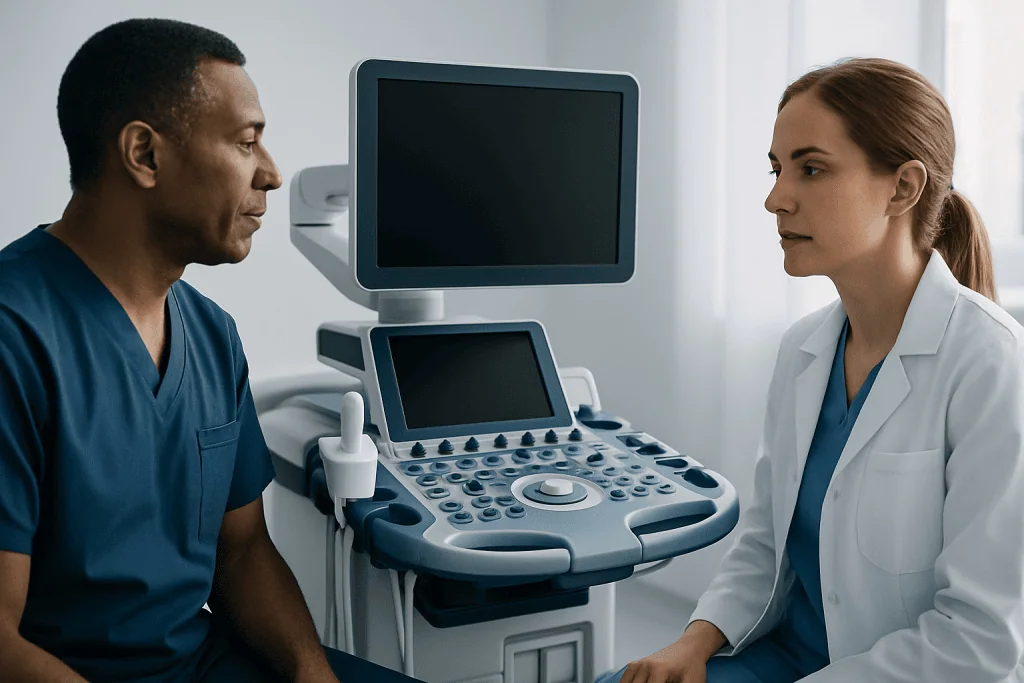
If contamination is possible, the doctor may repeat the test using careful clean-catch technique. In some cases, especially with persistent or complicated symptoms, imaging tests may be used to look for blockage, stones, or structural problems. This may include a urology check-up and, when appropriate, urinary tract ultrasound as part of the evaluation.
The key point is that doctors do not treat a lab number in isolation. They interpret the result in context. This helps avoid both undertreatment of true infection and overtreatment of harmless findings.
Treatment depends on the cause, not the test alone
If testing and symptoms suggest a true urinary tract infection, treatment often involves antibiotics selected according to likely bacteria, local resistance patterns, and, when available, culture results. Supportive care may include adequate fluids and symptom relief. The exact plan depends on age, pregnancy status, medical history, and whether the infection appears simple or complicated.
If urine contains bacteria but there are no symptoms, treatment may not be necessary in many people. This is an important part of modern care. Avoiding unnecessary antibiotics can help prevent medication side effects and reduce antibiotic resistance.
When the cause is not infection, treatment is directed elsewhere. For example, blood in the urine may lead to evaluation for stones, inflammation, or other urinary tract conditions. If symptoms suggest a bladder problem or recurrent urinary issues, further assessment may be needed, sometimes including cystoscopy to examine the urinary tract more closely.
For international patients who need further assessment, Acibadem International’s multidisciplinary specialists and JCI-accredited hospitals diagnose and treat urinary conditions with coordinated care. The best treatment plan always depends on a clinician’s evaluation of the whole person, not only the urine report.
How to reduce confusion and support urinary health
One of the most practical ways to reduce confusion is to collect the urine sample correctly. A clean-catch midstream sample lowers the chance that skin bacteria will enter the container and make the result harder to interpret. Patients are usually asked to clean the area first, start urinating, then collect the middle part of the stream.
General urinary health habits may also help lower the chance of irritation or infection. These include drinking enough fluids for individual needs, not delaying urination for long periods, managing constipation, and practicing good genital hygiene without overusing harsh cleansing products.
Some people benefit from more personalized prevention steps, especially if they have recurrent infections, stones, or urinary tract abnormalities. A doctor may review fluid intake, sexual health factors, menopausal changes, diabetes control, or catheter care depending on the situation.
It is also helpful to avoid self-diagnosing based on urine appearance alone. Cloudiness, odor, and color can change with hydration, diet, vitamins, or medications. If there are no symptoms, a single change is often not serious, but persistent concerns should be discussed with a healthcare professional.
When to seek medical care
Medical care is recommended if urinary changes come with pain, fever, vomiting, flank pain, or visible blood in the urine. These symptoms can suggest infection, stones, or another problem that deserves timely evaluation. Prompt review is also sensible if symptoms keep returning or do not improve.
Some people should seek care earlier, even for mild symptoms. This includes pregnant women, young children, older adults, people with a weakened immune system, and those with kidney disease, diabetes, or urinary catheters. In these groups, urinary problems can be less straightforward and may need closer follow-up.
During the visit, a doctor will usually review symptoms first, then order urine tests and, if needed, further studies. This stepwise approach helps separate harmless findings from conditions that need treatment. Most urinary concerns can be evaluated effectively once the test result is placed in the right clinical context.
If symptoms are severe, such as high fever, confusion, inability to keep fluids down, or strong back pain, urgent medical attention is important. Reassuringly, many urine test questions turn out to be manageable, especially when assessed early and carefully.
Frequently asked questions
Is urine sterile in healthy people?
Usually not completely. Modern testing shows that even healthy people may have small amounts of microorganisms in urine, and that does not automatically mean there is an infection.
If bacteria are found in urine, does it always mean a UTI?
No. Bacteria in urine can reflect contamination during sample collection, harmless colonization, or asymptomatic bacteriuria. Doctors decide whether it is a UTI by looking at symptoms, examination findings, and urine test results together.
Why was urine once described as sterile?
Older teaching was based largely on standard urine culture methods, which do not detect every microorganism. Newer and more sensitive techniques have shown that the urinary tract can contain microbes even when a person feels well.
What symptoms make a urine result more concerning?
Burning with urination, frequent urination, urgency, fever, chills, side or back pain, and blood in the urine are more concerning signs. These symptoms can suggest infection or another urinary problem and should be discussed with a doctor.
Can cloudy or strong-smelling urine happen without infection?
Yes. Dehydration, certain foods, vitamins, and medications can change urine color or odor. If there are no other symptoms, it may not be serious, but persistent changes should be checked.
How can someone make a urine test more accurate?
Using a clean-catch midstream sample is the best first step. This lowers the chance that bacteria from the skin or genital area will contaminate the specimen and confuse the result.
References
- National Institute of Diabetes and Digestive and Kidney Diseases
- U.S. Centers for Disease Control and Prevention
- European Association of Urology
- National Health Service
- Merck Manual Consumer Version
This article is for general information only and is not a substitute for professional medical advice. Please consult a qualified doctor about your individual situation.
Explore treatments in Turkey — costs, top hospitals & a free quote
JCI-accredited · board-certified surgeons · reply within 24h
Add us as a Preferred Source to see more of our trusted health content across Google Search, AI Overviews and Discover.

More from the Health Library



Related Specialists

Dr. Burcu Yilmaz
Gynecology & Obstetrics
Büşra Zeybek
Physical Medicine & Rehabilitation
Ody. Rabia Aktaş
Audiology
Assoc. Prof. Dr. Şafak Yılmaz Baran
Gynecology & Obstetrics