Treating a Meniscus Injury: A Complete Medical Overview

Treatment depends on the size, location, and pattern of the meniscus tear, as well as age, activity level, and knee stability. Many meniscus injuries improve with rest, ice, physical therapy, and activity modification.
Key Takeaways
- Treatment depends on the size, location, and pattern of the meniscus tear, as well as age, activity level, and knee stability.
- Many meniscus injuries improve with rest, ice, physical therapy, and activity modification.
- Surgery may be recommended for a locked knee, persistent pain, or tears that are unlikely to heal on their own.
- Early evaluation helps rule out ligament injuries, fractures, and advanced arthritis.
- Rehabilitation is an important part of recovery whether treatment is surgical or nonsurgical.
Treating a meniscus injury usually begins with protecting the knee, reducing pain and swelling, and restoring movement and strength. Some tears heal with nonsurgical care, while others need surgery if symptoms persist or the knee catches, locks, or feels unstable.
Overview: How Meniscus Injuries Are Treated
Treating a meniscus injury focuses on relieving pain, protecting the knee, and helping the torn cartilage recover as much as possible. In practical terms, treatment can range from home care and supervised exercise to injections or surgery, depending on the tear and the person’s symptoms. Not every meniscus tear needs an operation, and one of the most important steps is matching treatment to the specific injury rather than using a one-size-fits-all approach.
The meniscus is a C-shaped piece of cartilage in the knee that acts like a shock absorber between the thighbone and shinbone. Each knee has an inner and outer meniscus. A tear can happen suddenly during twisting or pivoting, especially in sports, or develop gradually over time as the cartilage becomes more fragile with age.
Doctors usually consider several factors before recommending care: where the tear is located, whether it is stable or displaced, how severe the pain and swelling are, and whether the knee catches or locks. A small tear near the outer edge of the meniscus may heal better than a larger tear in an area with less blood supply. Because meniscus injuries can happen together with ligament injuries or arthritis, an accurate diagnosis is essential before choosing treatment.
Symptoms and Signs of a Meniscus Injury
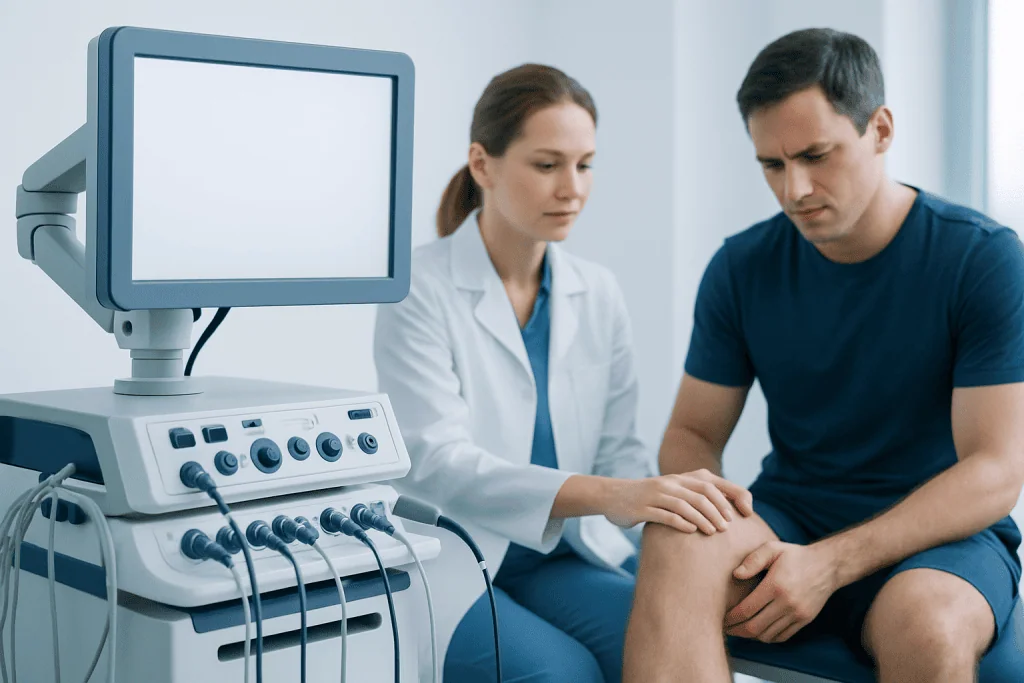
A meniscus tear often causes pain along the inner or outer side of the knee, especially during twisting, squatting, or going up and down stairs. Swelling may start soon after the injury or develop over the next day. Some people notice a popping sensation at the time of injury, but others feel only discomfort and stiffness.
Mechanical symptoms can provide important clues. The knee may catch, click, or feel as if something is blocking smooth movement. A larger or displaced tear can cause true locking, in which the knee cannot fully bend or straighten. This is different from pain-related stiffness and may suggest that part of the torn meniscus is interfering with joint motion.
Symptoms vary depending on whether the tear is sudden or degenerative. Acute sports injuries are more likely to be linked with swelling and a clear moment of injury, while age-related tears may present as intermittent pain, reduced confidence in the knee, and discomfort with daily activities. Meniscus symptoms can overlap with knee pain from other causes, so medical assessment helps clarify the source.
Causes and Risk Factors
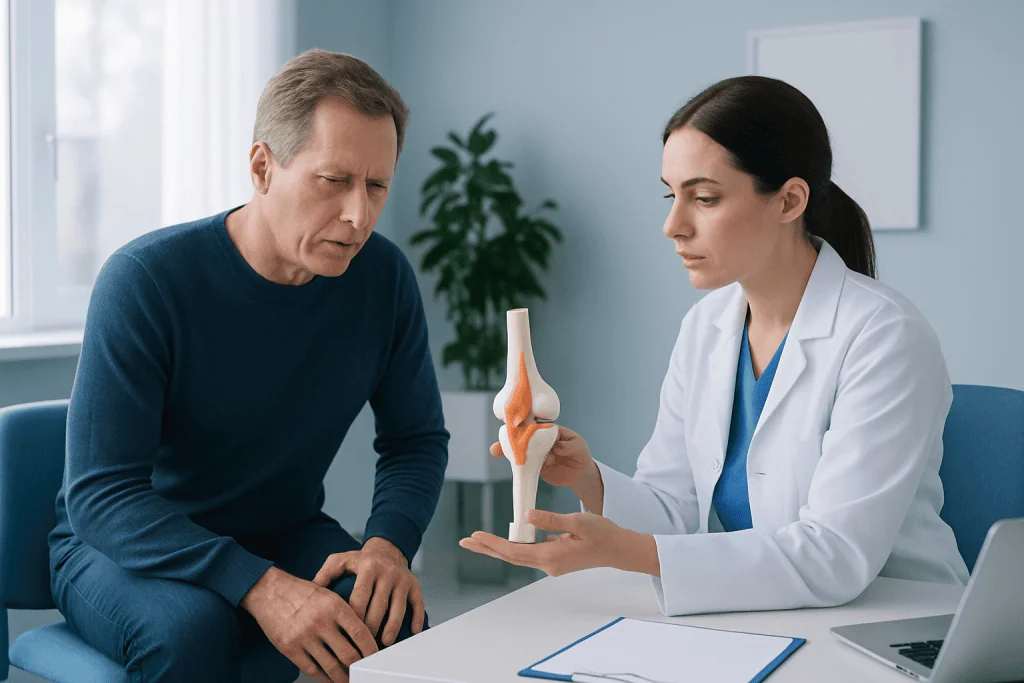
Meniscus injuries commonly result from forceful twisting of a bent knee. This often happens during sports that involve pivoting, sudden direction changes, or deep knee bending, such as football, basketball, skiing, or tennis. A direct blow can also contribute, especially when the foot is planted and the body rotates.
Not all tears are caused by one dramatic event. In middle age and later years, the meniscus may weaken gradually, making it more vulnerable to damage from simple movements like kneeling, rising from a squat, or stepping awkwardly. These degenerative tears are frequently seen alongside cartilage wear and osteoarthritis, which can influence both symptoms and treatment decisions.
Risk factors include previous knee injury, high-impact sports, jobs that require repeated squatting or kneeling, poor lower-limb strength or balance, and excess body weight, which increases stress across the joint. Tears are also more likely when a meniscus injury occurs together with ligament damage, such as an anterior cruciate ligament injury, because knee stability is reduced.
Diagnosis and Deciding on the Best Treatment
Diagnosis starts with a careful history and physical examination. A doctor will ask how the injury happened, whether swelling appeared quickly, and whether the knee catches, gives way, or locks. During the exam, they may check range of motion, joint line tenderness, swelling, and stability of the ligaments. These findings help distinguish a meniscus tear from sprains, fractures, tendon injuries, or arthritis.
Imaging may be needed, but not every patient requires the same tests. Plain X-rays do not show the meniscus itself, yet they are useful for ruling out fractures and assessing arthritis. Magnetic resonance imaging is often the most helpful scan when the diagnosis is uncertain or surgery is being considered, because it can show the location and pattern of the tear and reveal associated injuries.
Choosing treatment depends on more than the scan result. Doctors look at the whole picture: symptom severity, level of activity, age, knee alignment, stability, and whether the tear is likely to heal. A stable tear with mild symptoms may respond well to conservative care, while a displaced tear causing locking may need more urgent orthopedic review. In some cases, assessment by an orthopedics team helps clarify the most appropriate next step.
Nonsurgical Treatment Options
For many people, the first step in treating a meniscus injury is conservative care. This usually includes relative rest, avoiding activities that worsen pain, using ice packs for short periods, and elevating the leg to reduce swelling. A clinician may recommend short-term use of a knee support or crutches if walking is painful, though prolonged immobilization is usually avoided because gentle movement helps prevent stiffness.
Pain relief often includes nonprescription or prescription anti-inflammatory medicines when appropriate, but these should be used according to a doctor’s advice, especially for people with stomach, kidney, bleeding, or heart concerns. Physical therapy is one of the most important parts of treatment. A tailored program can restore range of motion, strengthen the quadriceps and hip muscles, improve balance, and reduce stress on the knee during everyday movement.
Activity modification also matters. High-impact exercise, twisting motions, and deep squats may need to be limited while the knee settles. Some patients benefit from guided return-to-sport planning or rehabilitation support through physical therapy and rehabilitation. If symptoms improve steadily, surgery may not be needed.
In selected cases, a doctor may discuss injections to help with pain related to inflammation or accompanying arthritis, although injections do not repair a torn meniscus. These decisions are individualized and are usually considered after examination and imaging rather than used as a routine first-line treatment for every tear.
When Surgery May Be Needed
Surgery is considered when symptoms continue despite appropriate conservative treatment, when the knee repeatedly locks or catches, or when the tear pattern is unlikely to heal on its own. Younger patients with traumatic tears, athletes hoping to return to pivoting sports, and people with tears associated with ligament injuries may be more likely to need surgery. The goal is to preserve as much healthy meniscus tissue as possible, because the meniscus protects the knee over time.
Common surgical options include meniscus repair and partial meniscectomy. Repair aims to stitch the torn edges together and is generally preferred when the tear is in a part of the meniscus with better blood supply and a pattern suitable for healing. Partial meniscectomy removes only the damaged fragment when repair is not possible. In some situations, especially when there are additional injuries, the procedure may be part of a broader knee surgery plan.
Recovery depends on the procedure performed. Meniscus repair often requires a longer period of protected weight-bearing and more gradual rehabilitation than partial meniscectomy, because the repaired tissue needs time to heal. After surgery, structured exercise remains central to rebuilding strength and movement. Decisions about operation timing, expected recovery, and return to work or sport should be made with an orthopedic specialist based on the individual’s goals and knee findings.
Recovery, Self-Care, and Prevention
Recovery from a meniscus injury is rarely about rest alone. The knee usually does best with a balance of protection and progressive movement. As pain and swelling improve, guided exercises help restore flexibility, muscle control, and confidence in walking, climbing stairs, and returning to recreation. Rushing back too soon can prolong symptoms, so gradual progression is important.
Self-care measures include following the treatment plan, keeping follow-up appointments, and noticing whether swelling, locking, or instability persists. Supportive footwear, avoiding deep twisting under load, and maintaining a healthy body weight can reduce stress on the knee. People who exercise regularly may need coaching on safer mechanics for squatting, landing, and changing direction.
Prevention is not always possible, but some habits help lower risk. These include warming up before sports, strengthening the hips and thighs, improving balance, and building activity levels gradually. For those with recurring symptoms or other knee conditions, a clinician may recommend further evaluation, especially if there is concern for combined problems involving cartilage, ligaments, or sports injuries.
Near the end of the care journey, some patients seek coordinated evaluation if symptoms are ongoing or the diagnosis is complex. Acibadem International’s multidisciplinary specialists and JCI-accredited hospitals diagnose and treat meniscus injuries for international patients, with care plans tailored to the knee problem and the person’s recovery goals.
When to Seek Medical Care
Medical care should be sought if knee pain is significant, swelling is increasing, or walking is difficult after an injury. A prompt assessment is also important if the knee locks, gives way, cannot fully straighten, or feels unstable. These signs may suggest a larger meniscus tear or an associated ligament injury that needs timely evaluation.
Urgent medical attention is especially important after major trauma, if the knee looks deformed, or if there is severe pain, inability to bear weight, fever, redness, or warmth suggesting possible infection or another serious cause. Even if symptoms seem mild at first, medical review is worthwhile when pain or swelling does not improve over several days, or when knee function stays limited despite home care.
People with repeated episodes of swelling, ongoing clicking with pain, or a history of arthritis should not assume symptoms will resolve on their own. Early evaluation can help avoid unnecessary delays, support a more accurate diagnosis, and guide safe return to work, exercise, or sport.
Frequently asked questions
Can a meniscus injury heal without surgery?
Yes, some meniscus tears improve without surgery, especially smaller, stable tears and degenerative tears that mainly cause pain rather than locking. Treatment often includes rest, ice, activity modification, and physical therapy. A doctor can help determine whether the tear is likely to heal or whether surgery should be considered.
How long does recovery take when treating a meniscus injury?
Recovery time varies depending on the type of tear and the treatment used. Mild injuries treated conservatively may improve over several weeks, while recovery after surgery can take longer, particularly after meniscus repair. Rehabilitation exercises are a key part of recovery in both cases.
What is the difference between a meniscus repair and a meniscectomy?
A meniscus repair stitches the torn cartilage to help it heal, while a partial meniscectomy removes the damaged portion that cannot be repaired. Repair preserves more tissue and is often preferred when possible, but it usually involves a longer recovery. The best option depends on the tear pattern, location, and the condition of the knee.
Is walking good or bad after a meniscus tear?
Light walking may be acceptable for some people, but it depends on pain, swelling, and knee stability. If walking causes limping, increased swelling, or sharp pain, the knee may need more protection and medical review. A clinician or physical therapist can advise when and how to return to normal activity safely.
Do all meniscus tears show up on X-ray?
No, X-rays do not show the meniscus itself. They are mainly used to check for fractures and signs of arthritis. If a meniscus tear is suspected, an MRI is often the most useful imaging test when more detail is needed.
When should someone see a doctor for a suspected meniscus injury?
A doctor should be seen if knee pain is significant, swelling persists, movement is limited, or the knee catches, locks, or gives way. Medical care is also important after a twisting injury if weight-bearing is difficult. Early assessment helps identify whether there is also ligament damage or another knee problem.
This article is for general information only and is not a substitute for professional medical advice. Please consult a qualified doctor about your individual situation.
Joint and spine care in Turkey — expert assessment & treatment
JCI-accredited · board-certified surgeons · reply within 24h
Add us as a Preferred Source to see more of our trusted health content across Google Search, AI Overviews and Discover.

More from the Health Library

Green Diarrhea — Explained by Medical Evidence, Not Myths

Allergy to Nightshade Plants: An Evidence-Based Guide for Patients

Best Time to Take Ashwagandha: An Evidence-Based Guide for Patients

Sacrum: A Complete Medical Overview
Broken Kneecap — Explained by Medical Evidence, Not Myths