Blind Pimple: An Evidence-Based Guide for Patients
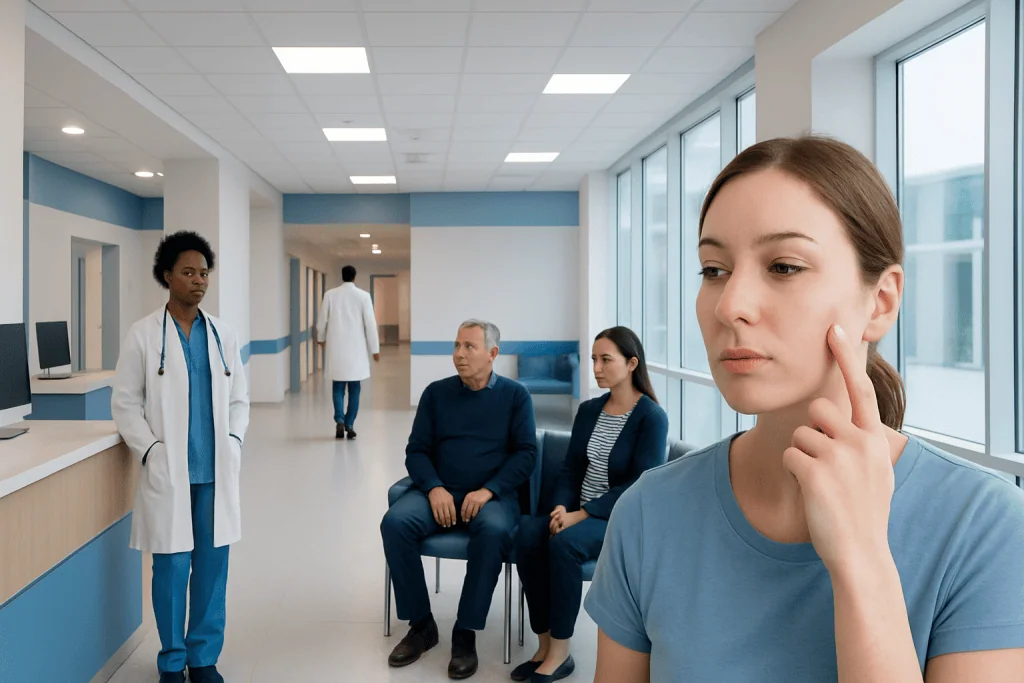
A blind pimple forms deeper under the skin, so it often feels tender and swollen without a visible head. Squeezing or picking usually worsens inflammation and raises the risk of scarring or infection.
Key Takeaways
- A blind pimple forms deeper under the skin, so it often feels tender and swollen without a visible head.
- Squeezing or picking usually worsens inflammation and raises the risk of scarring or infection.
- Warm compresses, non-comedogenic skin care, and acne ingredients such as benzoyl peroxide or salicylic acid may help mild cases.
- Repeated, severe, or scarring acne should be assessed by a dermatologist for tailored treatment.
- Medical care is important if a lesion is very painful, rapidly worsening, or associated with fever or spreading redness.
A blind pimple is a deep, inflamed acne lesion that develops under the skin and usually does not form a visible whitehead. It can be painful and slow to heal, but gentle care and, when necessary, medical treatment often help it settle without scarring.
What Is a Blind Pimple?
A blind pimple is a type of acne lesion that develops beneath the skin rather than opening to the surface. Because it sits deeper in the skin, it often appears as a firm, red, swollen, or painful bump without the white or black center that many people expect from a typical spot. In many cases, the most noticeable symptoms are tenderness and a feeling of pressure under the skin.
These lesions usually form when a hair follicle becomes blocked with oil, dead skin cells, and bacteria, leading to inflammation. A blind pimple may be related to inflammatory acne and can resemble a small nodule or early cystic acne lesion. It is not usually dangerous, but it can be uncomfortable and may take longer to improve than a surface-level pimple.
One reason blind pimples are frustrating is that they often cannot be “brought to a head” safely at home. Attempts to squeeze them can push inflammation deeper, damage the surrounding skin, and increase the chance of dark marks or permanent scarring. For that reason, patient-friendly care focuses on reducing irritation and supporting natural healing.
How a Blind Pimple Looks and Feels
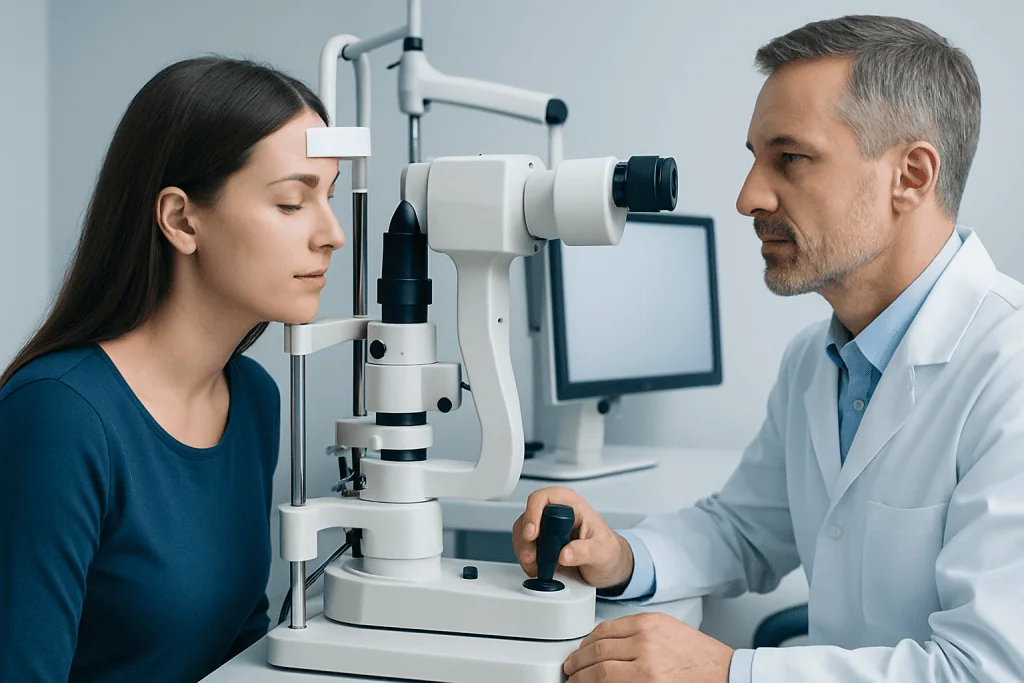
A blind pimple often starts as a sore area under the skin before a visible bump fully appears. The area may feel firm, warm, or throbbing, and the skin above it can look pink, red, or slightly swollen. Unlike a whitehead, there is usually no obvious opening on the surface.
Symptoms can vary from person to person. Some blind pimples remain small but tender, while others become larger and more inflamed over several days. If a person is prone to acne, especially more inflammatory forms such as acne, blind pimples may recur in the same areas, including the face, jawline, chest, shoulders, or back.
- Pain or tenderness when touched
- A deep bump under the skin
- Redness or swelling
- No visible white or black center
- Slow healing compared with surface pimples
Although a blind pimple can resemble other skin problems, not every painful lump is acne. Boils, inflamed cysts, ingrown hairs, and skin infections may look similar. That is one reason persistent or unusual lesions should be checked by a qualified doctor rather than repeatedly treated at home.
Why Blind Pimples Happen

Blind pimples develop when pores become blocked and inflamed deeper in the skin. Several factors can contribute. Excess oil production, buildup of dead skin cells, acne-causing bacteria, and hormonal changes all play a role. Stress, friction from helmets or tight clothing, heavy or pore-clogging cosmetics, and certain hair or skin products may also make breakouts more likely.
Hormones are especially important for many people. Fluctuations during puberty, menstruation, pregnancy, or conditions that affect hormone balance can increase oil production and trigger deeper inflammatory lesions. Family history may matter too, as some people naturally have a stronger tendency toward inflammatory acne.
Skin care habits can either help or worsen the situation. Harsh scrubs, aggressive cleansing, and frequent touching of the face can irritate the skin barrier and add to inflammation. Contrary to a common myth, blind pimples are not caused by being unclean. Acne is a medical skin condition with multiple biological triggers, not simply a problem of hygiene.
Diet is an area of ongoing research. For some people, patterns such as high-glycemic foods or certain dairy products may be associated with acne flares, but triggers differ and there is no single acne diet that works for everyone. A doctor can help identify broader acne patterns if blind pimples are frequent or severe.
What to Do at Home and What to Avoid
Home care for a blind pimple should focus on calming the area rather than forcing it to drain. A warm compress applied gently for several minutes at a time may help ease discomfort and support the body’s natural healing process. Gentle cleansing twice daily and the use of non-comedogenic moisturizers and sunscreen can help protect the skin while it recovers.
Some over-the-counter acne ingredients may be useful, especially if a person has recurrent breakouts. Benzoyl peroxide can help reduce acne-related bacteria and inflammation, while salicylic acid may help keep pores clear. These products can be drying or irritating, so they are best introduced gradually and used as directed on the label unless a doctor advises otherwise.
What should be avoided is just as important. Squeezing, picking, or using sharp tools can worsen swelling and increase the risk of infection and scarring. Very harsh exfoliants, toothpaste, alcohol-based remedies, and other unproven home treatments may irritate the skin and often do more harm than good.
If a person frequently develops deep, painful spots, a clinician may discuss structured acne treatment rather than repeated spot treatment alone. A long-term plan is often more effective than reacting to each new bump individually.
How Doctors Diagnose a Blind Pimple
Diagnosis is usually based on a skin examination and a review of symptoms. A doctor looks at the location, depth, tenderness, and overall pattern of lesions to decide whether the bump is a blind pimple, another form of acne, or a different skin condition. Most people do not need blood tests or scans for a straightforward acne-related lesion.
The wider pattern matters. A single blind pimple may not need extensive evaluation, but repeated outbreaks, scarring, severe inflammation, or breakouts linked to hormonal symptoms may prompt a more detailed assessment. The doctor may ask about menstrual history, medications, cosmetic products, shaving habits, and family history of acne.
In some situations, a lump under the skin may actually be a cyst, boil, abscess, or inflamed ingrown hair rather than acne. If the lesion is unusually large, fluctuant, rapidly worsening, or associated with systemic symptoms, further evaluation may be needed. This helps make sure the right treatment is used and that infections are not missed.
Medical Treatment Options
Medical treatment depends on how severe, frequent, or scarring the lesions are. For milder acne with occasional blind pimples, a doctor may recommend topical treatments such as retinoids, benzoyl peroxide, or combination therapies to reduce blocked pores and inflammation over time. These approaches target the underlying acne process rather than just one lesion.
For more painful or widespread inflammatory acne, prescription medicines may be considered. These can include topical or oral options chosen according to age, skin type, pregnancy considerations, and overall acne severity. In selected cases, a dermatologist may inject a deep inflamed lesion with medication to reduce swelling more quickly, but this is a clinical procedure and not something to attempt at home.
If blind pimples are part of persistent nodular or cystic acne, specialist care is often helpful to lower the risk of long-term marks and scarring. Some patients may benefit from broader dermatology evaluation, particularly when breakouts are recurrent, treatment-resistant, or affecting quality of life.
After inflammation settles, doctors may also address discoloration or acne scars if they remain. This is different from treating the active pimple itself and should be planned carefully, especially for sensitive or darker skin tones that are more prone to post-inflammatory pigment changes.
Prevention, Skin-Care Habits, and Scar Reduction
Not every blind pimple can be prevented, but consistent habits can reduce flare-ups. A simple routine usually works best: cleanse gently, moisturize with non-comedogenic products, remove makeup before sleep, and use sunscreen daily. Hair products, heavy foundations, and occlusive skin-care items should be checked if breakouts cluster around the hairline or jaw.
People who exercise regularly may benefit from showering soon after sweating and changing out of tight or damp clothing. Friction and occlusion can worsen acne in some areas. Pillowcases, phone screens, and hands that frequently touch the face can also contribute to irritation, so practical hygiene and reduced touching may help.
Scar prevention starts with avoiding picking. The deeper the inflammation and the more the skin is manipulated, the greater the risk of pitted scars or dark marks. Early treatment of persistent inflammatory acne is one of the most effective ways to protect the skin in the long term.
Near the end of the care pathway, some patients may need specialist support for both diagnosis and follow-up. Acibadem International’s multidisciplinary specialists in JCI-accredited hospitals diagnose and treat skin conditions for international patients when deeper assessment or a personalized treatment plan is needed.
When to Seek Medical Care
Most blind pimples improve with time and gentle care, but medical advice is appropriate in certain situations. A person should consider seeing a doctor if the lesion is very painful, repeatedly returns, leaves scars, or does not improve after several weeks of appropriate over-the-counter care. Medical review is also helpful if acne is spreading or affecting confidence, sleep, or daily life.
More urgent assessment is important if there are signs that the problem may not be a simple acne lesion. These include rapidly increasing redness, warmth that spreads beyond the bump, drainage of large amounts of pus, fever, or a lesion near the eye that becomes swollen or very tender. In those situations, a skin infection or another diagnosis may need to be ruled out.
Children with early severe acne, adults with sudden new inflammatory acne, or people with hormonal symptoms such as irregular periods or excess facial hair may also benefit from medical evaluation. If a doctor suspects another underlying condition or a more complex acne pattern, referral for skin diseases assessment may be appropriate.
Frequently asked questions
Can a blind pimple go away on its own?
Yes, many blind pimples improve without procedures if the skin is left alone and cared for gently. Because they are deeper under the skin, they may take longer to settle than an ordinary whitehead.
Should a blind pimple be popped?
No. Popping or squeezing a blind pimple usually increases inflammation and can push material deeper into the skin. This raises the risk of scarring, infection, and longer healing time.
What helps a blind pimple come to a head?
A warm compress may help ease discomfort and sometimes encourages natural drainage, but not every blind pimple will form a visible head. The goal is not to force it open, but to reduce inflammation and support healing.
How long does a blind pimple last?
The duration varies. Some settle within several days, while deeper or more inflamed lesions can last for a few weeks. If a bump persists, worsens, or keeps returning, medical evaluation is sensible.
Is a blind pimple the same as cystic acne?
Not exactly. A blind pimple is a descriptive term for a deep spot under the skin, while cystic acne refers to a more severe inflammatory type of acne that can include deep tender cyst-like lesions. A doctor can help distinguish between occasional deep pimples and a broader acne disorder.
Can toothpaste or home remedies treat a blind pimple?
Toothpaste and harsh home remedies are not recommended. They can irritate the skin, dry it excessively, and sometimes make the inflammation worse. Acne products designed for skin use are generally safer.
This article is for general information only and is not a substitute for professional medical advice. Please consult a qualified doctor about your individual situation.
Explore treatments in Turkey — costs, top hospitals & a free quote
JCI-accredited · board-certified surgeons · reply within 24h
Add us as a Preferred Source to see more of our trusted health content across Google Search, AI Overviews and Discover.

More from the Health Library

Gentle Exfoliator for Milia — Explained by Medical Evidence, Not Myths

Reverse Crunches: What Patients Need to Know

Tongue Piercing Piercing: What Patients Need to Know

Rash on neck: Symptoms, Causes, and Treatment — Complete Patient Guide

Ditropan: What Patients Need to Know