Average Size of Womens Shoes: A Complete Medical Overview

The average size of womens shoes is a population estimate, not a measure of health. Foot size can change over time due to age, pregnancy, weight changes, and ligament relaxation.
Key Takeaways
- The average size of womens shoes is a population estimate, not a measure of health.
- Foot size can change over time due to age, pregnancy, weight changes, and ligament relaxation.
- A proper shoe fit should account for length, width, toe space, arch support, and activity level.
- Poorly fitting shoes can contribute to bunions, corns, calluses, nail problems, and pain.
- Persistent foot pain, numbness, deformity, or swelling should be assessed by a qualified doctor.
The average size of womens shoes is commonly reported around US 8.5 to 9, but there is no single “normal” size that defines healthy feet. What matters medically is whether shoes match foot length, width, arch shape, and daily activity without causing pain, pressure, or skin problems.
Overview: What Is the Average Size of Womens Shoes?
The average size of womens shoes is often cited as approximately US 8.5 to 9 in many adult populations, especially in North America. However, this figure is only a broad average. Shoe size varies naturally by genetics, height, ethnicity, body frame, and the sizing system used by different countries and brands.
From a medical perspective, the more important question is not what the average size is, but whether a person’s shoes fit well and support healthy foot function. Two women with the same measured shoe size may need different shoes because of differences in width, arch height, toe shape, swelling patterns, or gait.
Footwear is closely linked to comfort, posture, walking mechanics, and skin health. Shoes that are too tight, too loose, too narrow, or poorly structured can increase friction and pressure. Over time, this may contribute to pain and common foot conditions, including bunions and pressure-related skin changes.
Why Shoe Size Varies So Much
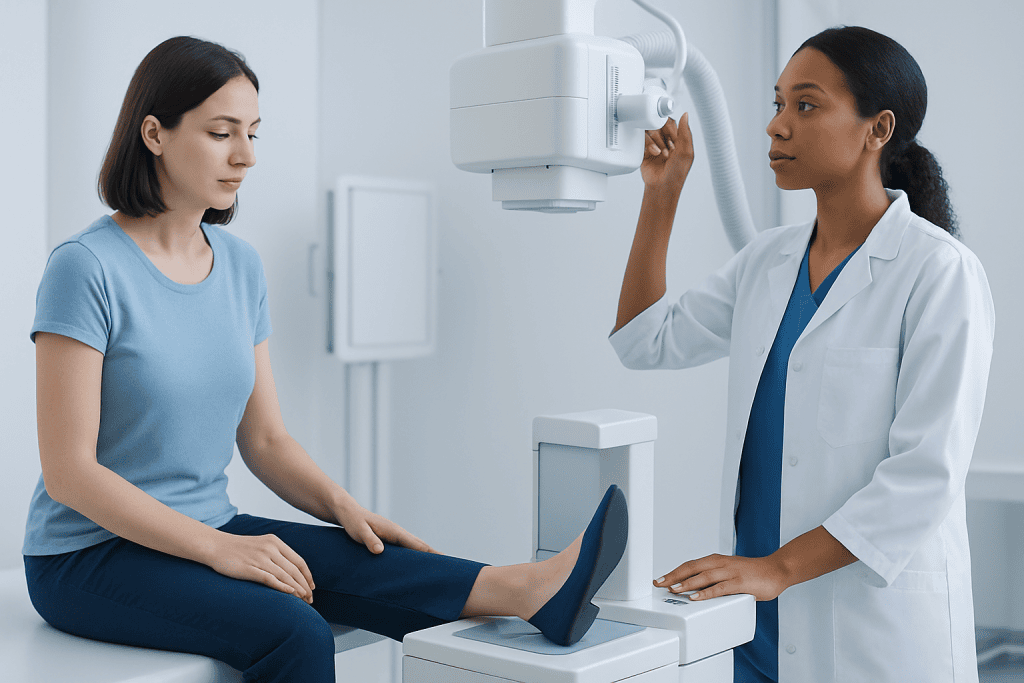
Shoe size is not fixed across all brands or throughout life. It reflects foot length, but healthy shoe fit also depends on width and shape. Many people assume that once adulthood is reached, foot size stays the same. In reality, feet can gradually change because ligaments loosen, arches flatten, or soft tissues shift with time.
Several factors can affect foot size or the type of shoe that feels comfortable:
- Genetic foot shape and bone structure
- Height and overall body frame
- Weight changes that alter foot loading
- Pregnancy-related ligament relaxation and swelling
- Age-related arch lowering or widening of the forefoot
- Occupation, sports, and long hours of standing
- Medical conditions that cause swelling or joint changes
It is also common for one foot to be slightly larger than the other. For that reason, sizing should be based on the larger foot. Measuring only by a familiar number on the shoe box may lead to ongoing discomfort if width, depth, or toe box shape is ignored.
How Foot Size Changes Across Adult Life
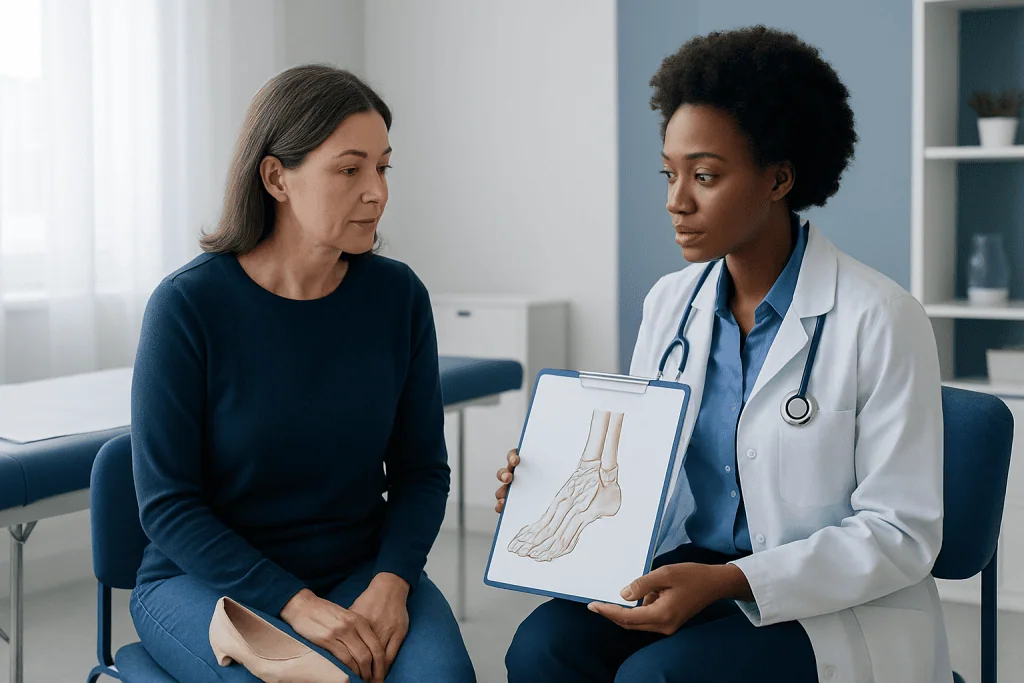
Adult feet may become longer or wider over the years, even if a person’s height does not change. This can happen because the supporting ligaments and tendons lose some tension with age. As the arch lowers, the foot may spread and require a larger size or wider fit.
Pregnancy is another common reason for size change. Hormonal effects and increased body weight can relax ligaments and increase pressure on the feet. Some women notice only temporary swelling, while others find that their shoe size remains slightly larger after pregnancy.
Conditions such as arthritis, fluid retention, diabetes, or vein problems may also affect foot shape or daily swelling. In these situations, a person may fit well into one size in the morning but need a roomier option later in the day. This is one reason clinicians often recommend trying on shoes later in the afternoon, when feet are at their most representative size.
What a Healthy Shoe Fit Looks Like
A medically sound shoe fit should feel secure without squeezing the foot. There should usually be a small amount of space in front of the longest toe, enough room across the ball of the foot, and a heel that does not slip excessively. The upper part of the shoe should not rub the toes, nails, or prominent joints.
Healthy fit is about more than length. Width, toe box depth, arch support, sole flexibility, cushioning, and heel height all influence comfort and biomechanics. A shoe that is technically the right length may still be harmful if it compresses the forefoot or forces the toes into a narrow shape.
Features that often help support foot health include:
- A wide, rounded toe box
- Stable heel support
- Flexible forefoot with a supportive midsole
- Good grip and shock absorption for the intended activity
- Breathable materials that reduce friction and moisture buildup
People who have ongoing discomfort, arch strain, or pressure points may benefit from medical assessment and, in some cases, orthopedic rehabilitation or custom support recommendations. Footwear should match daily use, whether for office work, walking, sports, or prolonged standing.
When Shoe Fit Becomes a Health Issue
Wearing the wrong shoe size does not only cause short-term discomfort. Repeated pressure and friction can affect the skin, nails, joints, and soft tissues of the feet. Common problems include blisters, corns, calluses, ingrown toenails, forefoot pain, heel pain, and worsening of toe deformities.
Narrow or high-heeled shoes may place extra load on the front of the foot and push the toes into an unnatural position. Over time, this can aggravate structural concerns such as hammer toe or contribute to pain around the big toe joint. Shoes that are too loose may also be problematic because they allow the foot to slide, increasing instability and friction.
People with diabetes, reduced sensation, poor circulation, or previous foot ulcers need to be especially careful. Even minor pressure points may go unnoticed and become more serious. In these cases, footwear selection should be part of routine preventive care, and clinicians may suggest diabetic foot care when appropriate.
How Doctors Assess Foot Size, Shape, and Footwear Problems
If shoe discomfort is persistent or linked to pain, a doctor may evaluate not only the feet but also walking patterns and lower-limb alignment. Assessment usually begins with a medical history, including symptoms, activity level, past injuries, work demands, and any conditions such as diabetes, arthritis, or vascular disease.
A foot examination may include measurement of foot length and width, inspection of the skin and nails, assessment of arch shape, joint movement, tenderness, swelling, and signs of pressure injury. The clinician may also ask the patient to bring frequently worn shoes to identify wear patterns or structural issues in the footwear itself.
In some situations, imaging is helpful, especially if there is significant pain, deformity, or suspected joint disease. Depending on the problem, doctors may use examination by orthopedics, podiatry, or radiology services to better understand bone alignment or soft tissue concerns. The goal is to identify whether symptoms come mainly from shoe fit, a structural foot condition, or a wider medical issue.
Prevention and Self-Care for Better Foot Health
Good footwear habits can reduce many common foot complaints. Feet should be measured periodically, especially after pregnancy, with aging, after major weight changes, or when old shoes start to feel tight. Because sizes vary by brand, trying shoes on and walking in them is usually more reliable than buying the same number automatically.
Practical self-care steps include checking the feet regularly for redness, calluses, nail changes, or areas of rubbing. Rotating shoes, wearing moisture-wicking socks, and replacing worn-out footwear can also help. People who stand for long periods often benefit from supportive shoes with cushioning and enough room for natural toe movement.
Helpful habits include:
- Choose shoes based on fit, not just labeled size
- Try shoes on later in the day if feet tend to swell
- Measure both feet and fit the larger one
- Avoid prolonged use of very narrow or high-heeled shoes
- Seek advice if over-the-counter insoles do not relieve discomfort
Near the end of a care pathway, some patients may need specialist input for chronic pain, deformity, or mobility limitations. Acibadem International’s multidisciplinary specialists and JCI-accredited hospitals diagnose and treat foot-related conditions for international patients when further evaluation is needed.
When to Seek Medical Care
A shoe size that differs from the average is not a medical problem by itself. Medical attention is more important when symptoms are present or when the feet are changing noticeably over a short period. Persistent pain should not be explained away as simply “having the wrong size” without proper evaluation.
A person should seek medical care if there is ongoing foot pain, repeated blisters or calluses in the same area, visible deformity, numbness, weakness, swelling in one or both feet, skin breakdown, or difficulty walking. People with diabetes, circulation problems, or nerve disease should seek care early if they notice pressure marks, wounds, or any loss of sensation.
Medical review is also appropriate when shoe fit suddenly changes without an obvious reason, or when both common footwear changes and rest do not improve symptoms. Early assessment can help identify structural conditions, inflammatory disorders, or gait problems before they become more limiting.
Frequently asked questions
What is the average size of womens shoes in the United States?
The average size of womens shoes is commonly described as around US 8.5 to 9. This is only a general estimate and does not define what is healthy or normal for any one person.
Is a larger or smaller shoe size a sign of a health problem?
Not usually. Shoe size mostly reflects natural body and foot structure, but changes in size over time can happen with aging, pregnancy, weight changes, swelling, or certain medical conditions.
Can feet get bigger in adulthood?
Yes, they can. Arches may lower, ligaments may loosen, and the forefoot may widen over time, leading some adults to need a larger or wider shoe.
Why do shoes in the same size fit differently?
Sizing is not fully standardized across brands and styles. Width, toe box shape, heel design, materials, and arch structure can make the same labeled size feel very different.
How can someone tell if shoes are too small?
Common signs include toe crowding, rubbing, pressure marks, nail discomfort, blisters, and pain in the front of the foot. Shoes that leave repeated calluses or make walking uncomfortable may be too small or the wrong shape.
When should foot pain from shoes be checked by a doctor?
A doctor should assess pain that keeps coming back, limits walking, or does not improve with better-fitting shoes. Evaluation is especially important if there is swelling, numbness, deformity, skin damage, or a condition such as diabetes.
This article is for general information only and is not a substitute for professional medical advice. Please consult a qualified doctor about your individual situation.
Explore treatments in Turkey — costs, top hospitals & a free quote
JCI-accredited · board-certified surgeons · reply within 24h
Add us as a Preferred Source to see more of our trusted health content across Google Search, AI Overviews and Discover.

More from the Health Library

Glycolic Peel Freckles: What Patients Need to Know

Intractable Vomiting — Explained by Medical Evidence, Not Myths

Occupational Therapist: What Patients Need to Know

Nutmeg Benefits, Uses, and Safe Amounts

Respiratory: An Evidence-Based Guide for Patients