Mania: An Evidence-Based Guide for Patients

Mania involves a distinct change in mood, energy, sleep, activity, and judgment. It is commonly associated with bipolar disorder but can have other medical or substance-related causes.
Key Takeaways
- Mania involves a distinct change in mood, energy, sleep, activity, and judgment.
- It is commonly associated with bipolar disorder but can have other medical or substance-related causes.
- Early assessment can help reduce risks such as unsafe decisions, relationship strain, and financial or legal problems.
- Treatment may include medication, psychotherapy, sleep stabilization, and support from family or caregivers.
- Urgent medical help is needed if there is psychosis, suicidal thinking, severe agitation, or inability to care for basic needs.
Mania is a mental health state marked by unusually elevated or irritable mood, increased energy, and changes in thinking and behavior that can impair judgment and safety. It is most often linked to bipolar disorder, but it can also be triggered by substances, medications, or medical conditions, so a proper evaluation is important.
What mania is
Mania is a period of abnormally elevated, expansive, or irritable mood along with increased energy and activity. During mania, a person may feel unusually confident, need far less sleep, talk more than usual, think rapidly, and act impulsively. These changes are not simply a good mood or a productive period; they are intense enough to affect daily functioning, relationships, work, school, or safety.
In clinical practice, mania is most strongly associated with bipolar disorder, especially bipolar I disorder. A manic episode can sometimes include psychosis, such as delusions or hallucinations, and may require urgent treatment. Even when symptoms seem positive at first, judgment is often impaired, which can lead to harmful decisions.
Mania exists on a spectrum. Some people experience hypomania, a milder form with similar symptoms but less severe disruption. Distinguishing mania from hypomania, anxiety, substance intoxication, attention difficulties, or personality traits is important because treatment plans differ.
Common signs and symptoms
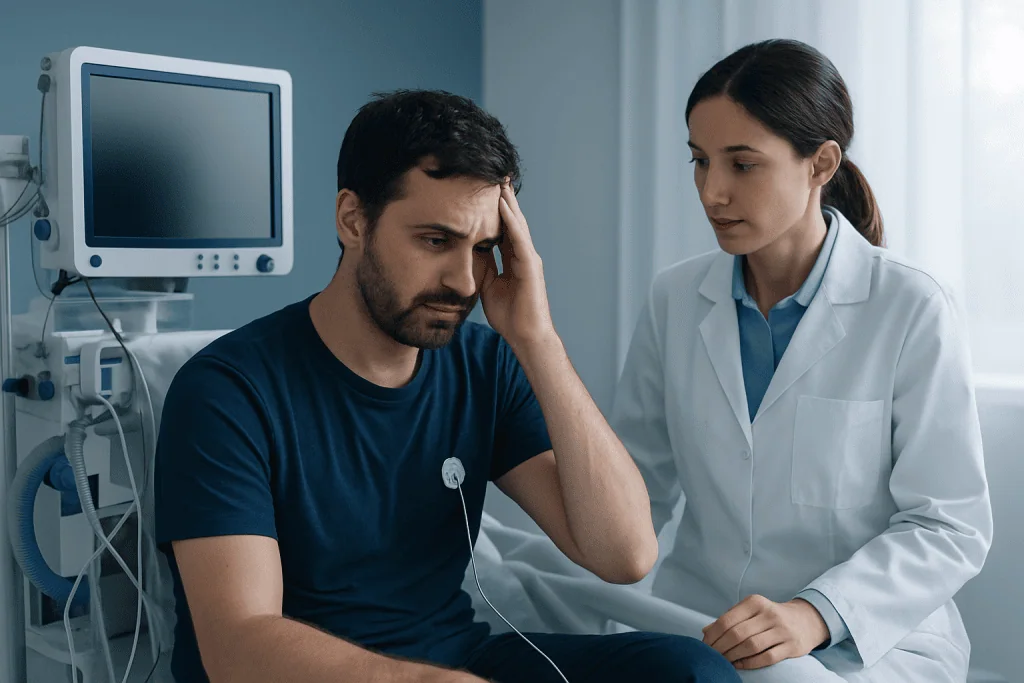
The symptoms of mania usually represent a clear change from a person’s usual behavior. Mood may become euphoric, intensely excited, unusually cheerful, or markedly irritable. Energy often rises sharply, and the person may seem constantly active, restless, or unable to slow down.
Thinking and behavior also change. Speech may become rapid or difficult to interrupt, ideas may jump quickly from one topic to another, and concentration may be poor despite high energy. Sleep commonly decreases, yet the person may not feel tired. Impulsivity can show up as overspending, risky sex, dangerous driving, excessive goal-directed activity, or unrealistic business plans.
Symptoms can vary, but common features include:
- Very elevated or unusually irritable mood
- Needing much less sleep than usual
- Talking more or feeling pressure to keep talking
- Racing thoughts or quickly shifting ideas
- Inflated self-esteem or grandiosity
- Increased activity, agitation, or restlessness
- Distractibility
- Poor judgment and risk-taking
When psychosis is present, beliefs may become fixed and unrealistic, such as thinking one has special powers, an important mission, or extraordinary abilities. Some people may hear or see things others do not. These symptoms should be treated as urgent medical concerns.
Causes and risk factors

Mania does not have a single cause. It most often occurs as part of bipolar disorder, a condition influenced by genetics, brain chemistry, and environmental stressors. A family history of bipolar disorder or other mood disorders can increase risk, but not everyone with a family history will develop mania.
Episodes may also be triggered or worsened by lack of sleep, major life stress, alcohol or recreational drugs, and some medications. Substances such as stimulants can produce manic-like symptoms, while certain antidepressants or steroid medicines may trigger mania in susceptible people. For this reason, doctors review all medications and supplements carefully during assessment.
In some cases, mania-like symptoms are related to a medical or neurological condition rather than a primary psychiatric illness. Thyroid disease, sleep disorders, brain injury, infections, and other neurological conditions may contribute. Because of this, a thorough evaluation is important, especially when symptoms begin suddenly, at an unusual age, or together with confusion or other physical symptoms.
How mania is diagnosed
Diagnosis begins with a detailed clinical history. A doctor or mental health professional asks about mood, sleep, energy, behavior, substance use, medications, medical conditions, and the effect of symptoms on daily life. Input from family members or close friends can be very helpful because insight may be limited during mania.
Doctors also look for how long symptoms have lasted and whether they represent a clear change from the person’s usual state. They assess for psychosis, depression, suicidal thoughts, aggression, and the ability to care for basic needs. This helps determine the level of urgency and the safest treatment setting.
Because other conditions can resemble mania, the evaluation may include physical examination, blood tests, and sometimes additional investigations. The goal is to identify or rule out substance-related causes, thyroid problems, medication effects, or neurological illness. When needed, care may involve specialists in psychiatry and related disciplines.
Diagnosis focuses not only on labeling symptoms but on understanding the full pattern over time. This includes whether the person has had past depressive episodes, hypomania, full mania, or mixed symptoms, which can guide long-term management.
Treatment options for mania
Mania is treatable, and early care can reduce complications. Treatment depends on symptom severity, safety concerns, possible triggers, and whether psychosis is present. Many people need medication to calm acute symptoms, restore sleep, and stabilize mood. If there is severe agitation, psychosis, or risk to self or others, hospital care may be recommended for close monitoring and rapid treatment adjustment.
Once the episode is under control, ongoing treatment aims to prevent relapse and support recovery. This often includes mood-stabilizing medication, regular psychiatric follow-up, and psychotherapy. Therapy can help a person understand warning signs, improve routines, reduce stress, and strengthen treatment adherence. If depression or anxiety also occurs, the treatment plan is tailored carefully to avoid worsening mood instability.
Supportive care matters as well. Restoring a consistent sleep-wake schedule, limiting alcohol and drug use, reducing overstimulation, and involving trusted family members can all help. When related conditions such as depression or problematic substance use are present, they should be addressed as part of the same plan.
In some cases, doctors may also recommend structured therapies or broader mental health support through services such as psychology or, when the diagnosis is complex, coordinated review in neurology if there is concern about an underlying neurological cause. Near the end of the care journey, some international patients choose centers such as Acibadem International, where multidisciplinary specialists in JCI-accredited hospitals evaluate and treat mood disorders and related conditions.
Living with mania: self-care and relapse prevention
Self-care does not replace medical treatment, but it is an important part of recovery. One of the most helpful steps is protecting sleep. Irregular sleep and sleep deprivation can worsen symptoms and may trigger episodes in vulnerable people. Keeping a regular bedtime, limiting late-night stimulation, and discussing persistent sleep problems with a doctor can be useful.
Daily structure also helps many people. Regular meals, manageable routines, physical activity, and reduced alcohol or recreational drug use may lower the risk of relapse. Some people benefit from tracking mood, sleep, energy, and early warning signs such as talking faster, feeling unusually confident, spending more, or needing less sleep.
Family or trusted friends can play a valuable role when the person agrees. They may notice early changes before the person does and can help encourage medical follow-up. A relapse prevention plan may include who to call, which symptoms require urgent help, and how to reduce access to things that may lead to harm, such as large financial transactions or dangerous driving.
Long-term management is usually most effective when follow-up is consistent, even during periods of feeling well. Stopping medication suddenly, using substances, or ignoring sleep changes can increase the chance of another episode. A qualified clinician can help adjust treatment over time in a safe way.
When to seek medical care
Medical care should be sought promptly if a person develops a sudden and clear change in mood, sleep, behavior, or judgment that suggests mania. Assessment is especially important if symptoms interfere with work, school, relationships, finances, or personal safety. Early care may prevent symptoms from becoming more severe.
Urgent or emergency help is needed if there is suicidal thinking, self-harm, aggression, inability to care for basic needs, psychosis, extreme agitation, or behavior that puts the person or others at immediate risk. Family members and caregivers should not wait for symptoms to resolve on their own if safety is uncertain.
It is also wise to seek medical advice when symptoms begin after starting a new medication, after substance use, or alongside physical symptoms such as confusion, fever, head injury, or neurological changes. These situations may point to a medical cause that needs prompt treatment.
Questions patients often have about recovery
Many patients want to know whether mania can fully improve. In many cases, yes: acute symptoms can improve with appropriate treatment, and long-term management can reduce the frequency and severity of future episodes. Recovery often involves both symptom control and practical support for sleep, routines, work, and relationships.
Another common concern is whether the person will recognize mania when it happens again. Insight may be limited during an episode, which is why education and advance planning are so important. Learning personal warning signs and involving trusted supporters can make early intervention more likely.
People also ask whether treatment means they will lose their personality or creativity. The goal of care is not to suppress identity, but to reduce harmful extremes and improve stability, judgment, and quality of life. A tailored plan created with a qualified clinician can balance symptom control with day-to-day functioning.
Frequently asked questions
Is mania always part of bipolar disorder?
Mania is most commonly associated with bipolar disorder, especially bipolar I disorder, but it is not the only possible cause. Substance use, certain medications, and some medical or neurological conditions can also cause manic-like symptoms. That is why a proper medical assessment is important.
What is the difference between mania and hypomania?
Both involve elevated or irritable mood, increased energy, and reduced need for sleep. Mania is more severe and causes clear impairment in daily life, and it may include psychosis or require hospital treatment. Hypomania is milder and does not reach the same level of disruption.
Can lack of sleep trigger mania?
Yes, sleep loss can be an important trigger in people who are vulnerable to mood episodes. For some individuals, several nights of significantly reduced sleep can worsen symptoms quickly. Protecting regular sleep is a key part of relapse prevention.
How long does a manic episode last?
The duration can vary from person to person. Some episodes last days, while others continue for weeks or longer, especially if untreated. Early treatment may help shorten the episode and reduce complications.
Does mania go away without treatment?
Symptoms may eventually lessen, but waiting can be risky because judgment, safety, and relationships may be affected during the episode. Untreated mania can lead to financial, legal, social, and health consequences. Medical care is recommended rather than watchful waiting.
Can a person with mania know that something is wrong?
Sometimes, but not always. During mania, insight is often reduced, and the person may feel unusually capable or believe there is no problem. Family members or close friends may notice concerning changes earlier than the person does.
This article is for general information only and is not a substitute for professional medical advice. Please consult a qualified doctor about your individual situation.
Explore treatments in Turkey — costs, top hospitals & a free quote
JCI-accredited · board-certified surgeons · reply within 24h
Add us as a Preferred Source to see more of our trusted health content across Google Search, AI Overviews and Discover.

More from the Health Library

Urethral Caruncle: What Patients Need to Know

Twitching in Infants While Sleeping: What Patients Need to Know

Baclofen: A Complete Medical Overview

Flea Control: A Complete Medical Overview

Electromagnetic Hypersensitivity — Explained by Medical Evidence, Not Myths