Hysteria: A Complete Medical Overview

Hysteria is an outdated term rather than a current medical diagnosis. Symptoms may include emotional distress, panic-like episodes, fainting, or neurologic symptoms without a clear structural cause.
Key Takeaways
- Hysteria is an outdated term rather than a current medical diagnosis.
- Symptoms may include emotional distress, panic-like episodes, fainting, or neurologic symptoms without a clear structural cause.
- A proper medical evaluation is important because similar symptoms can occur in neurologic, hormonal, cardiac, or psychiatric conditions.
- Treatment depends on the underlying cause and may include psychotherapy, stress management, and care for any coexisting medical condition.
- Sudden weakness, seizures, chest pain, or thoughts of self-harm need urgent medical attention.
Hysteria is not a modern medical diagnosis. Today, symptoms once labeled as hysteria are evaluated more carefully and may relate to mental health conditions, functional neurological disorder, intense stress reactions, or other medical illnesses that need appropriate assessment and treatment.
Overview: what “hysteria” means today
Hysteria is an old, non-specific term that was historically used to describe a wide range of emotional, behavioral, and physical symptoms. In modern medicine, it is not considered a formal diagnosis. Instead, clinicians look for the specific cause of a person’s symptoms, which may involve mental health conditions, stress-related disorders, functional neurological disorder, panic attacks, depression, trauma-related conditions, or an unrelated physical illness.
This change in language matters because the older term often grouped many different problems together and could be misleading or stigmatizing. A person who once might have been told they had “hysteria” now deserves a careful, respectful evaluation that considers both body and mind. Symptoms are real, and they should not be dismissed simply because initial tests are normal.
In everyday conversation, people may still use the word hysteria to mean extreme emotional upset or panic. In healthcare, however, the focus is on identifying the actual condition behind the symptoms. This helps guide effective treatment and avoids missing problems that may need urgent care.
How symptoms may appear
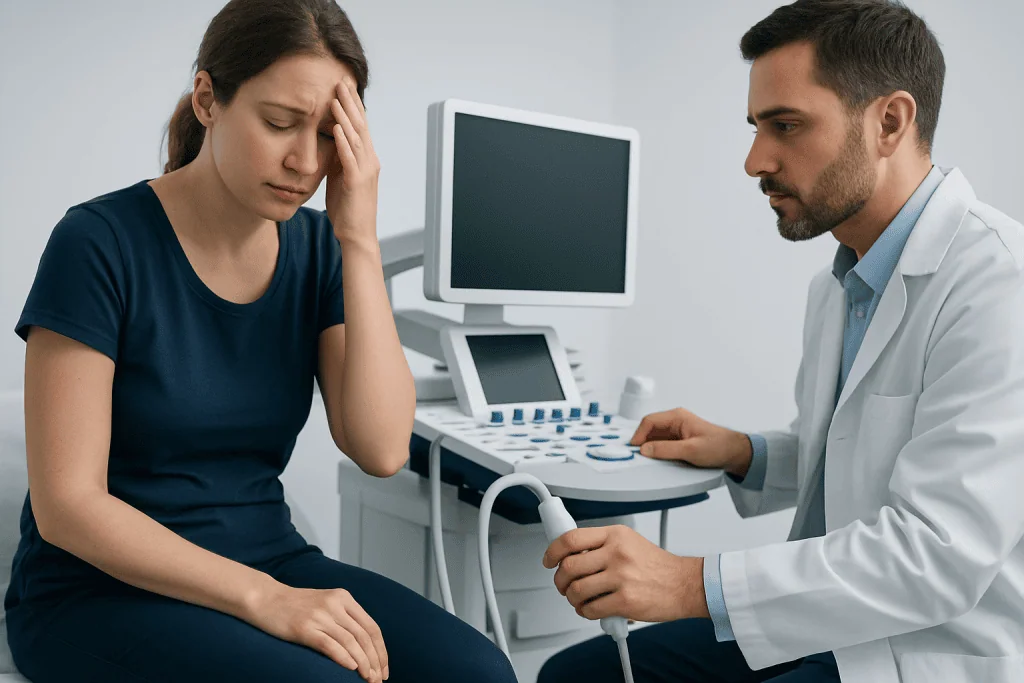
Because hysteria is not a single medical disorder, there is no single symptom pattern. Historically, the term was applied to people with intense emotional reactions, crying spells, agitation, fear, or dramatic changes in behavior. It was also used for physical symptoms such as fainting, tremors, weakness, numbness, speech difficulty, or episodes that resembled seizures.
Today, doctors consider these symptoms in a broader clinical context. Some people may be experiencing panic attacks, severe anxiety, depression, trauma-related responses, or dissociative symptoms. Others may have neurologic symptoms that fit functional neurological disorder, where movement, sensation, speech, or awareness are affected even though scans may not show structural damage.
Common presentations that may once have been called hysteria include:
- Sudden crying, fear, or a sense of losing control
- Rapid breathing, palpitations, or dizziness
- Fainting or near-fainting episodes
- Shaking, tremors, or non-epileptic seizure-like episodes
- Temporary weakness, numbness, or difficulty walking
- Speech changes, trouble swallowing, or a feeling of a lump in the throat
- Periods of emotional detachment, confusion, or unreality
These symptoms can be distressing, but they are not “made up.” They should be assessed properly because similar complaints can also happen in epilepsy, stroke, hormone disorders, medication side effects, heart rhythm problems, and other medical conditions.
Possible causes and risk factors

There is no single cause behind symptoms once labeled as hysteria. In many cases, symptoms may emerge during periods of intense stress, unresolved emotional conflict, trauma, sleep deprivation, burnout, grief, or chronic anxiety. For some individuals, the nervous system appears to respond to psychological strain with real physical symptoms, even when routine tests do not show an injury or structural disease.
Mental health conditions can also play a role. Panic disorder, generalized anxiety disorder, depression, trauma-related disorders, and dissociative conditions may all contribute to episodes of extreme distress or body symptoms. Some people may have more than one condition at the same time, which can make diagnosis more complex.
Physical and neurologic causes must also be considered. Symptoms may resemble epilepsy, migraine, hormonal imbalance, medication reactions, thyroid disease, low blood sugar, vestibular disorders, or heart-related causes of palpitations and fainting. Risk factors for stress-related or functional symptoms can include past trauma, chronic illness, pain disorders, recent major life changes, and a personal or family history of anxiety or depression.
Importantly, symptoms do not have to be intentional to be real. Modern care recognizes that mind and body influence each other closely. The goal is not to blame the patient, but to understand all possible contributing factors and treat them appropriately.
How doctors evaluate hysteria-like symptoms
Evaluation begins with a detailed history and physical examination. The doctor asks what the symptoms feel like, when they started, how long they last, what triggers them, and whether there are warning signs such as weakness, loss of consciousness, injury, fever, chest pain, or new medication use. Emotional stress, sleep problems, trauma history, and mental health symptoms may also be discussed in a sensitive and nonjudgmental way.
Depending on the symptoms, additional testing may be needed to rule out medical causes. This may include blood tests, heart monitoring, brain imaging, or neurologic testing. Some people may need MRI scanning if there are focal neurologic symptoms, severe headaches, or concern about brain or spinal causes. Others may benefit from EEG testing when episodes resemble seizures.
Diagnosis is not simply a process of saying “nothing is wrong.” In conditions such as functional neurologic symptoms, doctors may look for positive clinical signs that support the diagnosis, while also excluding emergencies and other diseases. A thoughtful explanation is an important part of care, because understanding the diagnosis can reduce fear and support recovery.
Some patients may be referred to a neurologist, psychiatrist, psychologist, or other specialist depending on the pattern of symptoms. In complex cases, coordinated care between specialties is often the most helpful approach.
Treatment options and recovery
Treatment depends on the underlying diagnosis. If symptoms are linked to panic attacks, anxiety, depression, trauma, or dissociation, care may include psychotherapy, lifestyle changes, and when appropriate, medication prescribed by a qualified clinician. If another medical problem is found, that condition is treated directly.
Psychotherapy is often helpful for symptoms once called hysteria, especially when stress, trauma, or emotional overload are contributing factors. Approaches such as cognitive behavioral therapy can help people recognize triggers, reduce catastrophic thinking, regulate breathing, and build coping skills. For those with trauma-related symptoms, trauma-informed therapy may be recommended.
When symptoms involve movement, speech, balance, or weakness, treatment may include physical therapy and rehabilitation or other targeted therapies. Education about the condition, reassurance that symptoms are real, and a clear recovery plan can improve outcomes. Treatment usually works best when it focuses on restoring function rather than repeatedly searching for new tests after serious illness has been excluded.
If sleep problems, substance use, chronic pain, or relationship stress are adding to symptoms, these should also be addressed. Recovery may take time, and symptoms may come and go, but many people improve with a structured, supportive plan and regular follow-up.
Self-care, coping, and prevention
Not every episode can be prevented, but healthy routines may reduce the frequency or intensity of symptoms. Regular sleep, balanced meals, hydration, movement, and a consistent daily schedule can support nervous system stability. Limiting excess caffeine, alcohol, and recreational drugs may also help, especially for people prone to palpitations, panic, or sleep disruption.
Stress-management strategies are often useful. These may include breathing exercises, mindfulness, journaling, guided relaxation, and structured therapy. Some people find it helpful to identify early warning signs such as chest tightness, dizziness, racing thoughts, or a feeling of overwhelm, then use grounding techniques before symptoms escalate.
Family support can make a difference as well. Loved ones should avoid shaming or dismissing symptoms, while also encouraging professional assessment rather than self-diagnosis. Keeping a symptom diary that notes timing, triggers, duration, and associated events can be helpful during medical visits.
Prevention also means staying open to both physical and psychological explanations. Seeking care early for ongoing anxiety, depression, trauma symptoms, or unexplained neurologic complaints may reduce distress and help prevent repeated emergency visits.
When to seek medical care
Medical care is important whenever symptoms are new, severe, recurrent, or interfering with daily life. A doctor should assess episodes of fainting, seizure-like activity, weakness, numbness, difficulty speaking, severe panic, or unexplained physical symptoms, especially if they are happening more often.
Urgent medical attention is needed for chest pain, shortness of breath, sudden one-sided weakness, facial drooping, a first seizure, head injury, high fever, severe confusion, or thoughts of self-harm. These symptoms may signal emergencies that should not be attributed to stress alone.
If symptoms are persistent but not emergent, evaluation by a primary care doctor, neurologist, or mental health professional can help clarify the cause and guide treatment. Near the end of the care pathway, some patients may benefit from multidisciplinary assessment; Acibadem International’s specialists in JCI-accredited hospitals diagnose and treat related neurologic and mental health presentations for international patients.
Seeking help is not an overreaction. Symptoms once labeled as hysteria deserve careful attention, clear explanations, and evidence-based care that supports both safety and recovery.
Frequently asked questions
Is hysteria a real medical diagnosis today?
No. Hysteria is considered an outdated term rather than a modern diagnosis. Today, doctors try to identify the specific condition causing the symptoms, such as anxiety, panic disorder, trauma-related symptoms, functional neurological disorder, or another medical illness.
What conditions are sometimes mistaken for hysteria?
Many conditions can look similar, including panic attacks, epilepsy, stroke, migraine, thyroid disorders, low blood sugar, heart rhythm problems, and functional neurological disorder. That is why a proper medical assessment is important before assuming symptoms are stress-related.
Can stress cause physical symptoms that feel serious?
Yes. Stress and emotional overload can trigger very real physical symptoms such as shaking, dizziness, numbness, chest tightness, palpitations, or fainting. Even so, symptoms should still be evaluated, especially if they are new, severe, or recurrent.
How is hysteria-like illness treated?
Treatment depends on the underlying cause. It may include psychotherapy, stress management, rehabilitation therapies, treatment for anxiety or depression, and care for any medical condition that is contributing to symptoms.
Are symptoms imagined if tests are normal?
No. Normal test results do not mean symptoms are fake. Some conditions affect how the nervous system functions rather than causing visible structural changes, and emotional distress can also produce genuine physical symptoms.
When should someone go to the emergency department?
Emergency care is needed for chest pain, trouble breathing, sudden weakness, fainting with injury, a first seizure, severe confusion, or suicidal thoughts. These symptoms can have serious causes and should be assessed urgently.
This article is for general information only and is not a substitute for professional medical advice. Please consult a qualified doctor about your individual situation.
Explore treatments in Turkey — costs, top hospitals & a free quote
JCI-accredited · board-certified surgeons · reply within 24h
Add us as a Preferred Source to see more of our trusted health content across Google Search, AI Overviews and Discover.

More from the Health Library

Human Metapneumovirus: What Patients Need to Know

Scleral Lenses: An Evidence-Based Guide for Patients

Sugar Free Gum: A Complete Medical Overview

Muscle Hypertrophy: A Complete Medical Overview

Tirzepatide: What Patients Need to Know