Gross Motor Skills — Explained by Medical Evidence, Not Myths
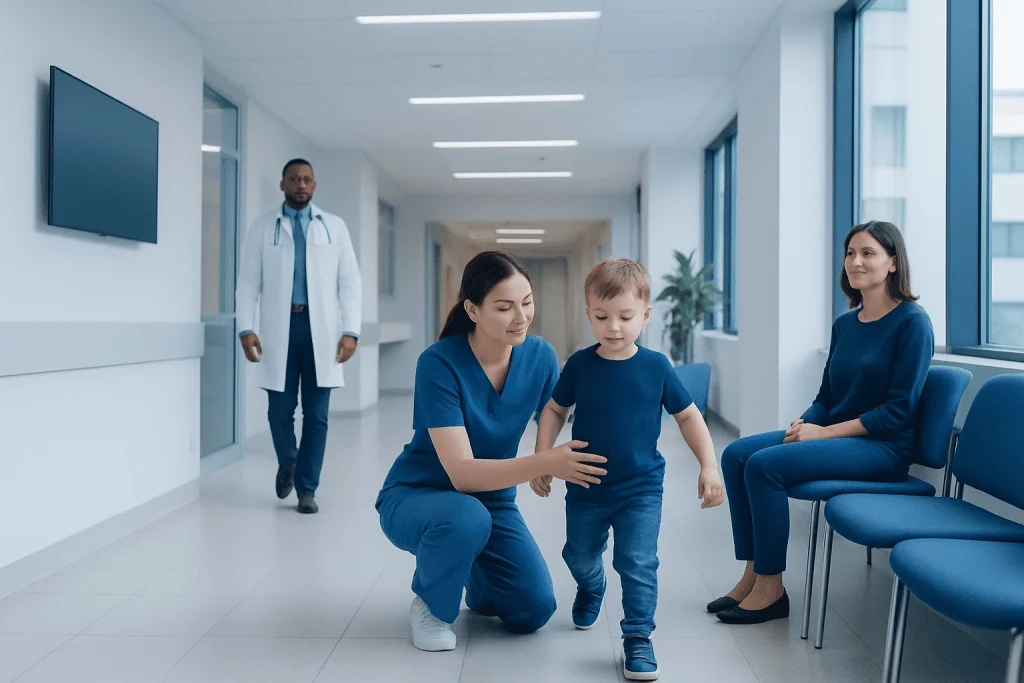
Gross motor skills involve large muscle groups used for posture, movement, balance, and coordination. Development follows a general sequence, but the exact timing of milestones can vary from child to child.
Key Takeaways
- Gross motor skills involve large muscle groups used for posture, movement, balance, and coordination.
- Development follows a general sequence, but the exact timing of milestones can vary from child to child.
- A delay does not always mean a serious disorder, but persistent concerns should be assessed by a qualified clinician.
- Medical evaluation may include developmental history, physical examination, and sometimes imaging or specialist referral.
- Early support, including guided play, physical therapy, and treatment of underlying conditions, can improve function.
Gross motor skills are the large-muscle movements that help a person sit, stand, walk, run, jump, and keep balance. They develop over time through normal growth, practice, and brain-muscle coordination, and when progress seems delayed, a medical assessment can help identify whether support is needed.
Overview: what gross motor skills are
Gross motor skills are the body’s large movement abilities. They depend on the coordinated work of muscles, bones, joints, balance systems, and the brain and nerves. These skills include holding the head up, rolling, sitting, crawling, standing, walking, climbing stairs, running, jumping, and maintaining posture during everyday activities.
Medical evidence shows that gross motor development is not a single “talent” a child either has or does not have. It is a developmental process shaped by maturation of the nervous system, opportunities for movement, muscle strength, balance, practice, and overall health. For this reason, children may progress at slightly different rates while still following a healthy pattern.
Gross motor skills matter beyond sports or play. They support daily independence, safe mobility, endurance, and participation at home and school. They also affect how a child explores the world, builds confidence in movement, and develops related abilities such as planning actions and coordinating both sides of the body.
How gross motor development usually progresses
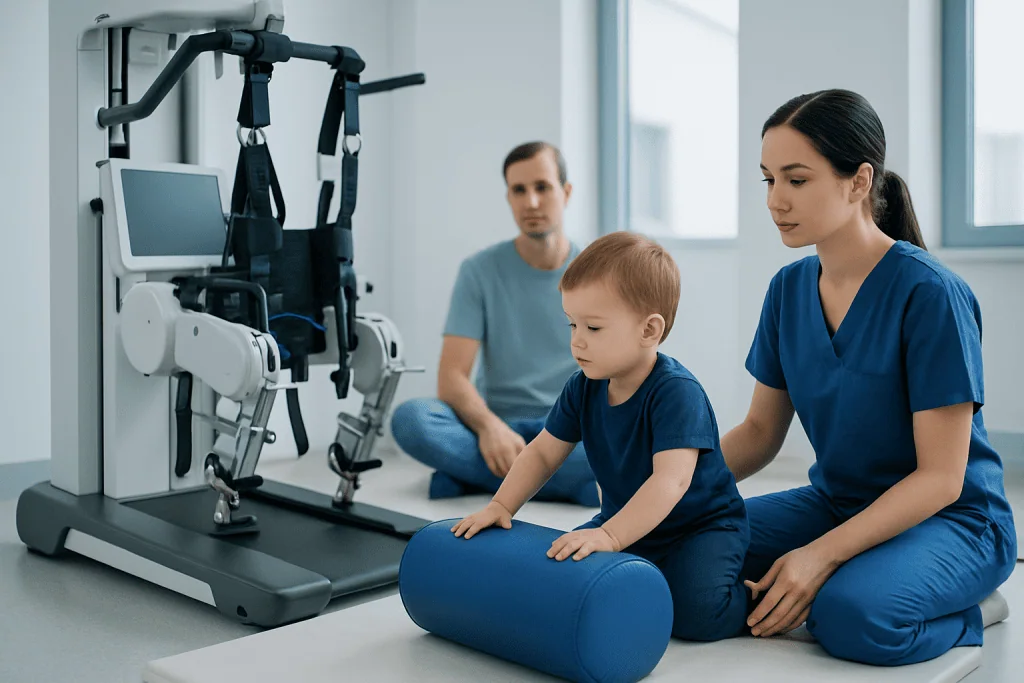
Gross motor development tends to follow a broad sequence from head control to upright movement. Infants usually first gain control of their head and trunk, then begin rolling, sitting, crawling or shuffling, pulling to stand, cruising, and walking. Later skills include running, jumping, hopping, throwing, kicking, balancing on one foot, and using stairs with better control.
Although milestone charts can be helpful, they are guides rather than strict deadlines. Some children walk earlier, while others take longer but still develop normally. The more useful question is whether a child is making steady progress, using both sides of the body well, and gaining strength and coordination over time.
In older children and adults, gross motor skills continue to refine rather than simply appear. Activities such as cycling, swimming, dancing, team sports, and playground play improve balance, timing, body awareness, and endurance. Temporary changes can also happen during illness, after injury, or during periods of rapid growth.
- Early examples: head control, rolling, sitting, crawling
- Toddler examples: standing, walking, squatting, climbing
- Preschool examples: running, jumping, kicking, throwing
- School-age examples: hopping, skipping, balance, coordinated sports movements
Signs that gross motor skills may need attention

Families often notice concerns when a child seems less steady, less active, or slower to achieve movement milestones than expected. Common signs include poor head control in infancy, difficulty sitting without support, not pulling to stand, not walking independently when expected, frequent falling beyond what seems typical for age, unusual stiffness or floppiness, toe walking that persists, or clear trouble with balance and coordination.
In older children, gross motor difficulties may look different. A child may avoid playground activities, struggle to run or jump, tire very quickly, have difficulty climbing stairs, seem unusually clumsy, or have trouble keeping up with peers in physical play. Some children can also have asymmetry, such as favoring one side of the body or dragging one foot.
These signs do not automatically mean a serious disease. Differences in temperament, limited opportunities for active play, prematurity, temporary illness, or minor orthopedic issues can affect development. Still, persistent concerns deserve assessment because early evaluation can identify whether the issue is a simple variation, a developmental delay, or part of a broader medical condition.
Causes and risk factors behind gross motor delay
Gross motor delay can happen for many reasons, and in some children more than one factor is involved. Common contributors include prematurity, low muscle tone, muscle weakness, joint hypermobility, orthopedic problems, vision impairment, chronic illness, inadequate opportunities for active movement, or delayed development affecting more than one area. Sometimes no single cause is found, and the child improves with time and support.
Neurological causes are also important to consider when delays are marked, persistent, or associated with abnormal muscle tone, asymmetry, or regression. These may include conditions affecting the brain, spinal cord, peripheral nerves, or muscles. Clinicians may evaluate for developmental disorders such as cerebral palsy, neuromuscular disorders, or coordination-related conditions, depending on the history and examination.
Other risk factors include a family history of motor or developmental differences, significant birth complications, prolonged hospitalization, recurrent seizures, or injuries affecting the brain or musculoskeletal system. In some cases, delayed gross motor development appears alongside speech, social, or fine motor concerns, which may suggest a more global developmental issue rather than an isolated movement difficulty.
Myths can be unhelpful here. Delays are not simply caused by “laziness,” personality, or parenting style. Evidence-based evaluation looks at the whole child, including medical, developmental, environmental, and functional factors.
How doctors evaluate gross motor skills
Assessment begins with a detailed history. A clinician usually asks about pregnancy and birth history, prematurity, medical problems, injuries, family history, feeding and growth, and the timing of developmental milestones. Parents or caregivers may also be asked whether the child loses previously learned skills, falls often, or has pain, stiffness, or fatigue during movement.
The physical examination focuses on posture, muscle tone, strength, reflexes, range of motion, symmetry, coordination, gait, and age-appropriate movement tasks. Depending on the child’s age, this may include observing rolling, sitting, standing, walking, running, stair climbing, or balance. Standardized developmental screening tools may be used to compare skills with expected age ranges.
If the examination suggests an underlying neurological or structural issue, further tests may be needed. These can include blood tests, genetic evaluation, hearing or vision checks, and imaging such as MRI when brain or spine concerns need clarification. In selected cases, clinicians may use electromyography (EMG) or nerve studies if muscle or nerve disease is suspected.
When symptoms are complex, referral to specialists may help. Depending on the findings, this may include pediatrics, neurology, rehabilitation, orthopedics, developmental medicine, or physical therapy. If the concern involves coordination, balance, or possible nervous system disorders, a specialist review for ataxia or other movement conditions may be considered.
Treatment and support options
Treatment depends on the cause, severity, and the child’s functional needs. For many children, the main approach is supportive therapy focused on building strength, balance, coordination, posture, and movement confidence. A structured program of physical therapy and rehabilitation often uses play-based exercises, guided practice, and family education to help skills transfer into everyday life.
If there is an underlying medical condition, treatment also addresses that cause. For example, care may include management of muscle tone problems, orthopedic issues, nutritional concerns, pain, or neurological disorders. Some children may benefit from braces, supportive footwear, mobility aids, or adapted activity programs. In more specific cases, other interventions may be recommended by the treating team.
Home support is an important part of progress. Repetition through ordinary activities can improve motor learning, especially when exercises are realistic and suited to the child’s age. Short periods of active floor play, supervised climbing, kicking, obstacle games, dancing, and balance practice may all be useful when recommended by a clinician or therapist.
When concerns are significant, coordinated care can make a difference. Near the end of the care pathway, families may seek comprehensive evaluation in centers where pediatricians, neurologists, rehabilitation physicians, therapists, and imaging specialists work together. Acibadem International’s multidisciplinary specialists and JCI-accredited hospitals diagnose and treat movement and developmental concerns for international patients.
Prevention and self-care to encourage healthy motor development
Not all gross motor delays can be prevented, but healthy habits can support development. Infants benefit from supervised tummy time while awake, varied movement positions, and time on a safe floor surface rather than extended periods in restrictive seats or devices. As children grow, regular active play helps develop muscle strength, coordination, and confidence in movement.
Daily life offers many opportunities to build gross motor skills. Walking outdoors, climbing playground equipment, throwing and catching soft balls, dancing to music, and balance games are often helpful. The aim is not intense training but repeated, enjoyable movement suited to the child’s age and abilities.
General health also matters. Adequate sleep, balanced nutrition, regular checkups, corrected vision or hearing problems, and treatment of chronic illnesses all support motor learning. If a child has already been assessed, following the therapist’s home program consistently is often one of the most effective self-care steps families can take.
Adults can also experience reduced gross motor performance because of injury, deconditioning, neurological disease, or aging. For them, prevention may include regular exercise, fall-prevention strategies, treatment of pain or joint problems, and medical review when balance or walking changes unexpectedly.
When to seek medical care
Medical advice is appropriate whenever a parent, caregiver, or adult notices ongoing concerns about movement, balance, or coordination. It is especially important to seek assessment if a child is not gaining skills over time, seems to lose previously learned abilities, uses one side much more than the other, appears unusually stiff or floppy, or has movement problems that interfere with play, school, or daily activities.
Urgent evaluation is needed if weakness appears suddenly, walking changes abruptly, there is severe pain, a head injury, repeated falls with injury, or signs of a neurological problem such as seizures, altered alertness, or new asymmetry. In infants, poor feeding combined with significant weakness or reduced movement should also be assessed promptly.
Even when symptoms are mild, early assessment is often helpful rather than waiting. Reassurance may be all that is needed, but if support is recommended, starting earlier can improve function and reduce frustration for the child and family.
Frequently asked questions
What are gross motor skills in simple terms?
Gross motor skills are the large-body movements used to sit, stand, walk, run, jump, and keep balance. They rely on muscle strength, coordination, posture control, and communication between the brain and body.
At what age should parents worry about gross motor skills?
There is no single age that applies to every child because development varies. Concern is more appropriate when a child is not making steady progress, misses several expected milestones, loses skills, or has weakness, stiffness, imbalance, or asymmetry.
Does a gross motor delay always mean a neurological disorder?
No. Some delays are related to prematurity, low muscle tone, orthopedic issues, limited movement opportunities, or normal variation. However, persistent or marked delays should be assessed so doctors can rule out neurological or muscular causes.
Can gross motor skills improve with therapy?
Yes, many children improve with the right support. Physical therapy, guided home activities, and treatment of any underlying condition can help build strength, balance, coordination, and movement confidence over time.
How are gross motor skills tested?
Doctors and therapists usually assess gross motor skills through history taking, observation, and physical examination. They may watch age-appropriate tasks such as sitting, walking, stair climbing, balance, and running, and use standardized developmental tools when needed.
What activities help gross motor development at home?
Helpful activities often include tummy time for infants, floor play, supervised climbing, walking, dancing, ball games, obstacle courses, and balance games. The best activities are safe, enjoyable, age-appropriate, and repeated regularly rather than done intensely.
References
- American Academy of Pediatrics
- Centers for Disease Control and Prevention
- National Institute of Neurological Disorders and Stroke
- World Health Organization
- National Institutes of Health
This article is for general information only and is not a substitute for professional medical advice. Please consult a qualified doctor about your individual situation.
Explore treatments in Turkey — costs, top hospitals & a free quote
JCI-accredited · board-certified surgeons · reply within 24h
Add us as a Preferred Source to see more of our trusted health content across Google Search, AI Overviews and Discover.

More from the Health Library

Post Drip: An Evidence-Based Guide for Patients

Bee propolis benefits: A Complete Medical Guide for Patients

Proprioception — Explained by Medical Evidence, Not Myths
Pepsin — Explained by Medical Evidence, Not Myths

Colesterose — Explained by Medical Evidence, Not Myths