Sitz Bath Bartholin: An Evidence-Based Guide for Patients

A warm sitz bath may relieve pain and help a small Bartholin cyst drain naturally. A sitz bath does not cure every Bartholin cyst and is not enough for an abscess or significant infection.
Key Takeaways
- A warm sitz bath may relieve pain and help a small Bartholin cyst drain naturally.
- A sitz bath does not cure every Bartholin cyst and is not enough for an abscess or significant infection.
- Worsening pain, fever, spreading redness, or trouble walking or sitting should prompt medical care.
- Doctors diagnose Bartholin cysts mainly through history and physical examination.
- Treatment may include drainage, a small catheter, marsupialization, or antibiotics in selected cases.
A sitz bath for Bartholin gland swelling can help reduce discomfort and may encourage a small cyst to drain on its own. It is most useful as supportive care, while larger, infected, or recurring Bartholin cysts usually need medical assessment and sometimes a procedure.
Overview: Can a Sitz Bath Help a Bartholin Cyst?
A sitz bath for Bartholin gland swelling is a simple home-care measure that often helps with comfort. Sitting in a few inches of warm water for 10 to 15 minutes several times a day may reduce tenderness and can sometimes help a small Bartholin cyst open and drain on its own.
However, a sitz bath is supportive care rather than a guaranteed treatment. If the gland becomes blocked and infected, a Bartholin abscess can form, causing stronger pain, swelling, and difficulty sitting or walking. In that situation, medical treatment is often needed.
The Bartholin glands are small glands located near the vaginal opening. Their job is to produce fluid that helps keep the area lubricated. If the duct that drains the gland becomes blocked, fluid can build up and form a cyst. If bacteria grow inside that trapped fluid, the cyst can turn into an abscess.
This guide focuses on what patients often want to know first: when a sitz bath may be reasonable, what it can and cannot do, and when symptoms suggest it is time to seek professional care for a Bartholin cyst.
Symptoms and What They May Mean
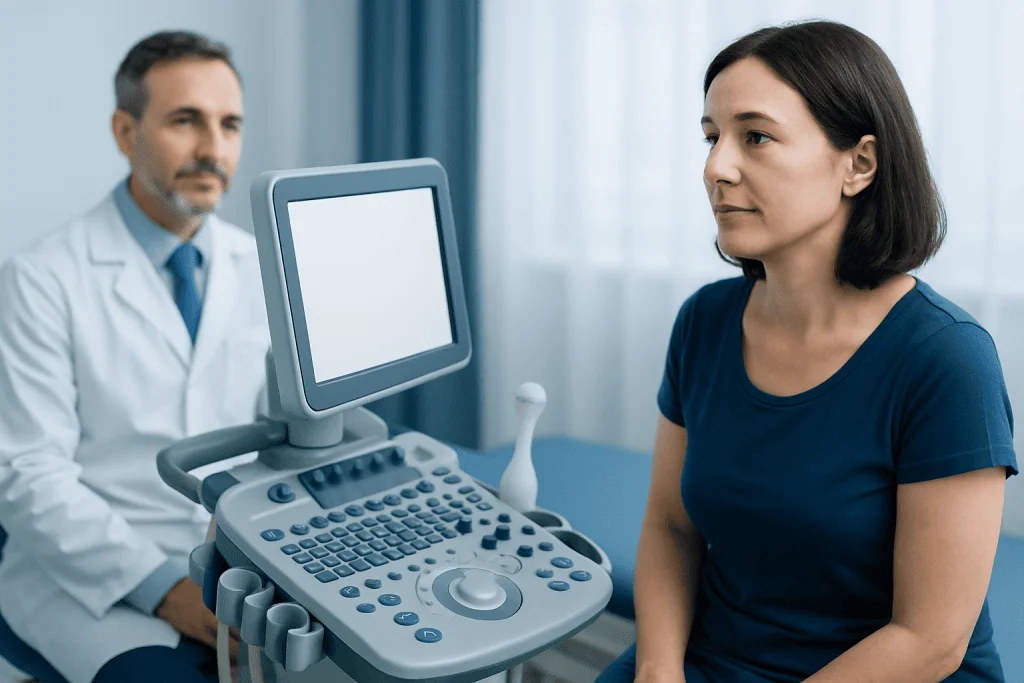
A small Bartholin cyst may cause no symptoms at all. Some people notice only a painless lump or a feeling of fullness on one side of the vaginal opening. Others may feel mild discomfort during walking, exercise, sexual activity, or when sitting for a long time.
Symptoms become more noticeable when the cyst enlarges or becomes infected. Pain can become throbbing, swelling may increase quickly, and the area may feel warm and very tender. Some people also develop drainage, fever, or general unwellness, which can suggest an abscess rather than a simple blocked gland.
It can help to think of symptoms in two groups:
- More consistent with a small cyst: mild swelling, a soft or firm lump, little or no pain, no fever.
- More concerning for abscess or infection: increasing pain, marked tenderness, redness, pus-like drainage, fever, difficulty sitting, walking, or urinating comfortably.
Because swelling in this area can have more than one cause, it is important not to assume every lump is a Bartholin cyst. Other skin or gland conditions can look similar, especially if symptoms are new, persistent, or recurring.
How to Use a Sitz Bath Safely

A sitz bath is usually done in a clean bathtub with a few inches of warm water or with a sitz-bath basin that fits over a toilet seat. The water should feel comfortably warm, not hot. Most clinicians advise soaking for about 10 to 15 minutes at a time, several times a day, especially over the first few days of symptoms.
Plain warm water is generally enough. Harsh soaps, antiseptics, bubble baths, or fragranced products may irritate delicate vulvar tissue and are usually best avoided unless a clinician has recommended something specific. After soaking, the area should be patted dry gently with a clean towel rather than rubbed.
A sitz bath may help by improving comfort, relaxing the area, and supporting natural drainage if the blockage is small. It is not a substitute for drainage of a larger abscess, and patients should avoid trying to squeeze, puncture, or cut the lump at home, as this can worsen infection or delay proper treatment.
If the area starts draining on its own, gentle hygiene remains important. Wearing breathable underwear, using unscented pads if needed, and keeping the area clean and dry between baths can reduce irritation while the area heals.
Causes, Risk Factors, and Why Cysts Form
Bartholin cysts develop when the duct draining a Bartholin gland becomes blocked. This blockage may occur because of inflammation, minor trauma, thickened secretions, or swelling of nearby tissue. Once fluid is trapped, a cyst can gradually form.
If bacteria enter the blocked gland, the cyst may become infected and form an abscess. Common bacteria can include normal skin or intestinal bacteria, and in some cases sexually transmitted infections may be involved. That is one reason doctors may ask about sexual health history when symptoms suggest infection.
Risk factors are not always clear, and many people who develop a Bartholin cyst do not have an obvious cause. Recurrent cysts can happen if the duct remains prone to blockage even after a cyst drains. Repeated irritation, previous infection, and a history of prior cysts may raise the chance of another episode.
Although Bartholin cysts are common in reproductive-age women, a new Bartholin gland mass in someone over age 40 often deserves closer evaluation. This does not mean it is dangerous, but clinicians may be more cautious to rule out less common causes of vulvar swelling.
How Doctors Diagnose a Bartholin Cyst
Diagnosis is usually based on symptoms and a physical examination. A clinician looks at the location, size, tenderness, and whether the swelling appears to be a simple cyst or an abscess. In many cases, no imaging is needed.
If there is drainage, signs of infection, or concern about a sexually transmitted infection, a doctor may take a sample for testing. If a patient has fever or surrounding redness, the clinician may also assess whether there is a broader soft tissue infection that needs treatment.
For patients with recurrent symptoms, unusual features, or new masses later in life, further evaluation may be advised. This may include a biopsy or removal of tissue for analysis in selected cases. The goal is to confirm the diagnosis and rule out other causes of vulvar lumps.
Because other conditions can affect the same general area, clinicians sometimes consider alternatives such as skin cysts, folliculitis, hidradenitis, or other vulvar conditions. A prompt evaluation can help distinguish between these possibilities and guide the most appropriate care.
Treatment Options Beyond a Sitz Bath
When symptoms are mild, home care with warm sitz baths and observation may be reasonable for a short period. Some small cysts improve without procedures. Pain relief measures recommended by a clinician and avoiding friction in the area can also help.
If pain is significant, if an abscess has formed, or if symptoms do not improve, a doctor may recommend a minor procedure to drain the fluid. One common approach is incision and drainage with placement of a small catheter so the duct can continue to drain while healing. This helps reduce the chance that the opening closes too quickly.
For recurrent Bartholin cysts or repeated abscesses, procedures such as marsupialization may be discussed. In selected cases, especially if episodes keep returning or the diagnosis is uncertain, a specialist may consider Bartholin gland excision. If infection is present, treatment may also include antibiotic therapy when clinically appropriate, though antibiotics alone may not resolve an abscess that needs drainage.
Care is individualized. The best treatment depends on whether the swelling is a painless cyst or a painful abscess, whether there is fever or surrounding infection, whether symptoms keep returning, and the patient’s age and overall health.
Prevention, Self-care, and Recovery
There is no guaranteed way to prevent a Bartholin cyst, but gentle vulvar care may reduce irritation. This includes avoiding strongly fragranced products, wearing breathable underwear, and changing out of damp clothing promptly after exercise or swimming. Good hygiene supports comfort, though it cannot always prevent duct blockage.
During recovery, many patients feel better with warm soaks, light activity, and avoiding pressure on the area when possible. If a clinician has drained the cyst or abscess, following aftercare instructions carefully is important. Keeping follow-up appointments can help ensure that healing is progressing as expected.
If sexual activity is uncomfortable, it may be helpful to wait until pain and swelling have improved. Patients should ask their clinician when it is reasonable to resume intercourse after drainage or another procedure. If sexually transmitted infection testing or treatment is recommended, partner management may also be discussed.
For patients who have repeated episodes, gynecology follow-up can be useful to review longer-term options. Near the end of the care pathway, some people may benefit from specialist treatment planning at centers experienced in women's health conditions. Acibadem International’s multidisciplinary specialists at JCI-accredited hospitals diagnose and treat Bartholin gland problems for international patients when advanced evaluation or procedures are needed.
When to Seek Medical Care
Medical assessment is important if pain becomes strong, the lump grows quickly, or the area becomes very red, hot, or swollen. Fever, chills, pus-like drainage, or feeling generally unwell can point to an abscess or a more significant infection that should not be managed only with home remedies.
Patients should also seek care if a sitz bath has not helped after a short trial, if symptoms keep returning, or if the swelling interferes with walking, sitting, urination, or sexual activity. A new Bartholin-area lump in someone over age 40 should also be evaluated by a clinician.
Urgent care may be needed if there is rapidly worsening pain, spreading redness, or difficulty urinating. These symptoms do not always mean a serious problem, but they are good reasons to contact a doctor promptly rather than continuing self-treatment alone.
In general, a sitz bath can be a helpful first step for comfort, but it is best viewed as one part of care. A qualified doctor can confirm whether the problem is a simple cyst, a Bartholin abscess, or another condition that needs different treatment.
Frequently asked questions
How often should a sitz bath be used for a Bartholin cyst?
A common approach is to soak in warm water for about 10 to 15 minutes several times a day. The exact frequency can vary depending on symptoms and a clinician's advice. If pain or swelling is worsening instead of improving, medical evaluation is recommended.
Can a sitz bath make a Bartholin cyst go away completely?
Sometimes a small cyst may drain and settle with warm soaks alone, especially if symptoms are mild. However, a sitz bath does not reliably cure every cyst and usually will not resolve a significant abscess on its own. Persistent, painful, or recurrent swelling often needs medical treatment.
What is the difference between a Bartholin cyst and a Bartholin abscess?
A Bartholin cyst is a fluid-filled swelling caused by blockage of the gland's duct. A Bartholin abscess develops when that blocked area becomes infected, often causing much more pain, tenderness, and redness. Abscesses are more likely to require drainage by a clinician.
Should anything be added to the sitz bath water?
Plain warm water is usually sufficient and is often the least irritating option. Fragrances, harsh soaps, and many additives can irritate the vulvar area. Patients should only add products if a clinician specifically recommends them.
When are antibiotics needed for a Bartholin gland problem?
Antibiotics may be considered when there are signs of infection, surrounding cellulitis, certain risk factors, or concern for sexually transmitted infection. They are not always required for a simple cyst, and they may not be enough if an abscess needs drainage. A doctor decides based on the examination and clinical context.
Can a Bartholin cyst come back after treatment?
Yes, recurrence is possible, especially if the duct closes again after drainage. Repeated episodes do not necessarily mean anything serious, but they may lead a clinician to discuss procedures that create a more lasting drainage opening. Follow-up helps determine the best next step.
This article is for general information only and is not a substitute for professional medical advice. Please consult a qualified doctor about your individual situation.
Explore treatments in Turkey — costs, top hospitals & a free quote
JCI-accredited · board-certified surgeons · reply within 24h
Add us as a Preferred Source to see more of our trusted health content across Google Search, AI Overviews and Discover.

More from the Health Library

Foot Ulcer: What Patients Need to Know
Os Trigonum: A Complete Medical Overview

Jpmr Relaxation: What Patients Need to Know

Headset Dent: A Complete Medical Overview

Rybelsus — Explained by Medical Evidence, Not Myths