Kegel Exercises for Men: An Evidence-Based Guide for Patients

Kegel exercises for men target the pelvic floor muscles that support the bladder, bowel, and sexual function. They may help with urinary leakage, urgency, post-prostate treatment recovery, and some sexual symptoms.
Key Takeaways
- Kegel exercises for men target the pelvic floor muscles that support the bladder, bowel, and sexual function.
- They may help with urinary leakage, urgency, post-prostate treatment recovery, and some sexual symptoms.
- Correct technique matters more than doing many repetitions; the abdomen, buttocks, and thighs should stay relaxed.
- Benefits usually develop gradually over weeks to months with consistent practice.
- Men with pain, blood in the urine, new weakness, or troublesome urinary symptoms should seek medical evaluation.
Kegel exercises for men are pelvic floor muscle exercises that can help improve bladder control, support bowel control, and sometimes improve sexual function. They work best when the correct muscles are identified, the exercises are practiced regularly, and an underlying medical problem is assessed when symptoms persist.
Overview: what Kegel exercises for men do
Kegel exercises for men are exercises that strengthen the pelvic floor muscles. These muscles form a supportive sling at the base of the pelvis and help control the flow of urine, support the bowel, and contribute to sexual function. In everyday terms, they are the muscles a person uses to stop passing urine or to prevent passing gas.
For men, pelvic floor muscle training is most often recommended for urinary leakage, urgency, dribbling after urination, or recovery after prostate surgery. Some men also use these exercises as part of treatment for sexual concerns, especially when muscle weakness contributes to symptoms. While Kegels are simple, they are most effective when done with correct technique and for a clear reason.
Not every pelvic symptom is caused by weakness. In some men, the pelvic floor may be too tense rather than too weak, and repeated tightening can make discomfort worse. That is why an evidence-based approach includes identifying the right muscles, learning proper form, and seeking medical advice if symptoms are persistent, painful, or new.
Who may benefit from male pelvic floor exercises
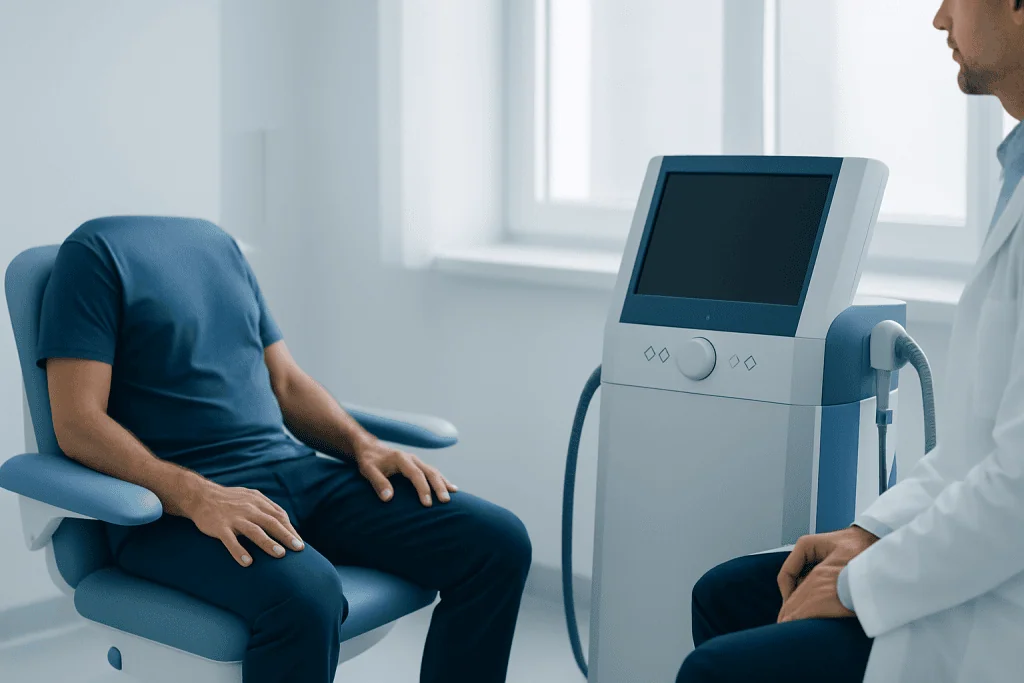
Kegel exercises may help men who leak urine when coughing, lifting, laughing, or exercising. This pattern is often called stress incontinence. They may also help with urge symptoms, such as a sudden strong need to urinate, especially when combined with bladder training and lifestyle measures.
Pelvic floor exercises are commonly advised after prostate treatment, particularly after prostate surgery, because the muscles around the bladder outlet can be weakened or need retraining. They may also support recovery in men with dribbling after urination, mild bowel control problems, or pelvic floor weakness related to aging, chronic coughing, constipation, or excess strain.
Some men notice benefit in sexual function, including improved control during ejaculation or stronger confidence in erections, but results vary and Kegels are not a cure for every sexual problem. Erectile dysfunction, pain, or changes in ejaculation can have vascular, hormonal, neurological, psychological, or medication-related causes. If these concerns are ongoing, a doctor may evaluate related conditions such as erectile dysfunction.
How to find the right muscles

The first step is identifying the pelvic floor correctly. A common way is to imagine trying to stop passing urine or trying to avoid passing gas. The feeling should be a gentle lifting and tightening inside the pelvis. The buttocks, thighs, and abdominal muscles should not do most of the work.
Another clue is what should not happen. A man should not hold his breath, clench his buttocks strongly, squeeze his thighs together, or strain downward. Those patterns can reduce the benefit of training and may worsen symptoms in some people. Kegels are usually subtle, not forceful whole-body movements.
It is generally not recommended to repeatedly stop the flow of urine as an exercise routine. Doing so once or twice may help identify the muscle, but making it a habit can interfere with normal bladder emptying. If it is hard to tell whether the right muscles are working, an assessment by a urologist, continence nurse, or pelvic floor physiotherapist can be very helpful. Men being evaluated for leakage may also need assessment for urinary incontinence or other urinary conditions.
How to do Kegel exercises for men safely and effectively
Once the correct muscles are identified, the usual approach is to tighten the pelvic floor, hold the contraction briefly, then relax fully. It often helps to start lying down or sitting, because these positions make it easier to isolate the muscles. As control improves, the same exercises can be practiced standing, walking, or during daily activities.
A balanced routine usually includes both short squeezes and longer holds. Short contractions can help with sudden pressure, such as before coughing or lifting. Longer holds help build endurance so the pelvic floor can support bladder control through the day. Full relaxation between repetitions is important, because muscles need recovery time and some symptoms can worsen if the pelvic floor stays constantly tense.
Consistency matters more than intensity. Many men benefit from practicing on most days and linking the routine to existing habits, such as after brushing teeth or during a quiet moment in the day. If a healthcare professional recommends structured pelvic floor rehabilitation, this may include supervised exercise, biofeedback, bladder training, and guidance tailored to the person’s symptoms and medical history.
- Breathe normally during each contraction.
- Keep the abdomen, buttocks, and thighs as relaxed as possible.
- Do not push down or strain.
- Allow complete relaxation between squeezes.
- Stop and seek advice if the exercises cause pain.
What the evidence shows and when results may appear
Research supports pelvic floor muscle training for certain male urinary symptoms, especially after prostate surgery and in some forms of incontinence. Clinical guidelines commonly recommend it as a first-line, low-risk treatment because it addresses muscle control directly and can be combined with other conservative measures.
The degree of improvement varies. Some men notice better control within a few weeks, while others need several months of regular practice before changes are clear. Progress may depend on the cause of symptoms, the severity of leakage, previous surgery, age, overall health, and whether the exercise technique is correct.
Kegels are not a substitute for diagnosis when symptoms suggest another problem. For example, frequent urination, poor flow, trouble emptying the bladder, or getting up often at night may be related to prostate enlargement, bladder irritation, infection, or a neurological condition. In these situations, a medical assessment may include a physical examination, urine tests, bladder function review, or imaging, and some men may need urology care to guide treatment.
Common mistakes, self-care, and ways to support results
The most common mistake is squeezing the wrong muscles. Men may unintentionally tighten the buttocks or abdomen and think they are doing Kegels correctly. Another frequent problem is doing too many contractions without enough relaxation, which can leave the pelvic floor overly tense. Pain is not expected and should prompt a pause and reassessment.
Self-care measures can make pelvic floor training more effective. Maintaining a healthy weight, preventing constipation, limiting heavy straining, treating chronic cough, and moderating bladder irritants such as excess caffeine or alcohol may reduce pressure on the pelvic floor. Good toilet habits also matter: taking time to empty the bladder, not pushing forcefully, and avoiding “just in case” urination too often unless medically advised.
Men with persistent urinary symptoms may benefit from a broader plan rather than exercises alone. Depending on the cause, treatment can include medication, bladder training, physical therapy, or evaluation for prostate-related issues. If symptoms suggest an enlarged prostate, a specialist may assess for benign prostatic hyperplasia and discuss whether lifestyle changes, medicines, or other options are appropriate.
When to seek medical care
Medical advice is important if urinary leakage is new, worsening, or interfering with daily life. Men should also seek assessment if they have pain in the pelvis, pain when urinating, blood in the urine, repeated urinary tract infections, fever, sudden inability to pass urine, or unexplained weakness or numbness. These symptoms can point to problems that need more than exercise alone.
It is also sensible to seek care if there is no improvement after a period of regular, well-performed Kegel exercises, or if it is difficult to identify the correct muscles. A healthcare professional can check for bladder, prostate, nerve, bowel, or pelvic floor issues and suggest the next step, which may include supervised therapy or further testing.
Near the end of the care pathway, some patients prefer assessment in a center that combines urology, rehabilitation, imaging, and surgical expertise if needed. Acibadem International’s multidisciplinary specialists and JCI-accredited hospitals diagnose and treat pelvic floor and urological conditions for international patients, including access to prostate surgery when this is clinically indicated.
Frequently asked questions
Do Kegel exercises really work for men?
They can help many men, especially those with urinary leakage after prostate surgery or mild stress and urge symptoms. Results are more likely when the correct muscles are trained consistently and an underlying cause has been properly assessed.
How long does it take to see results from Kegel exercises for men?
Some men notice improvement within a few weeks, but for many it takes several weeks to a few months of regular practice. Improvement depends on the cause of symptoms, the severity of the problem, and whether the technique is correct.
Can men do too many Kegels?
Yes. Overtraining or constantly tightening the pelvic floor without proper relaxation can lead to muscle tension, discomfort, or worsening symptoms in some men. A balanced routine with rest between contractions is usually better than frequent forceful squeezing.
Should Kegels be done while urinating?
Only occasionally to identify the right muscles, if a clinician advises it. Repeatedly stopping urine as an exercise habit is generally not recommended because it may interfere with normal bladder emptying.
Can Kegel exercises help erectile dysfunction?
They may help some men, particularly when pelvic floor weakness contributes to symptoms. However, erectile dysfunction has many possible causes, so persistent problems should be evaluated by a doctor rather than managed with exercises alone.
What does a correct Kegel feel like for a man?
It usually feels like a gentle internal lift and squeeze around the area used to stop urine or prevent passing gas. The abdomen, thighs, and buttocks should stay fairly relaxed, and breathing should remain normal.
This article is for general information only and is not a substitute for professional medical advice. Please consult a qualified doctor about your individual situation.
Persistent digestive symptoms? Get evaluated in Turkey
JCI-accredited · board-certified surgeons · reply within 24h
Add us as a Preferred Source to see more of our trusted health content across Google Search, AI Overviews and Discover.

More from the Health Library

Fried Plantains: An Evidence-Based Guide for Patients

IUD — Explained by Medical Evidence, Not Myths

Elder Tree — Explained by Medical Evidence, Not Myths

Fitzpatrick Skin Type: What Patients Need to Know

Ghsv1 — Explained by Medical Evidence, Not Myths