Volvulus Disease: Diagnosis, Outlook, and Modern Treatment Approaches

Volvulus disease happens when the intestine twists around itself and its supporting tissue. It can cause abdominal pain, bloating, constipation, vomiting, and inability to pass gas or stool.
Key Takeaways
- Volvulus disease happens when the intestine twists around itself and its supporting tissue.
- It can cause abdominal pain, bloating, constipation, vomiting, and inability to pass gas or stool.
- Because blood flow may be reduced, volvulus can become a medical emergency.
- Diagnosis often involves CT scans, X-rays, and sometimes endoscopy, depending on the suspected site.
- Treatment may include urgent decompression, surgery, or both.
- Early medical evaluation improves the chance of preserving bowel health and preventing complications.
Volvulus disease is a twisting of part of the intestine that can cause bowel obstruction and, in some cases, cut off the bowel’s blood supply. Diagnosis usually relies on symptoms, physical examination, and imaging, while treatment depends on the location, severity, and whether the bowel remains healthy.
Overview: what volvulus disease means
Volvulus disease is a condition in which a loop of intestine twists around itself and the tissue that supports it. This twist can narrow or fully block the bowel, preventing food, fluid, and gas from moving forward. In some patients, the twist also reduces blood flow, which can injure the bowel if not treated promptly.
The term can describe twisting in different parts of the digestive tract. In adults, sigmoid volvulus affects the lower large intestine and is one of the more common forms. Less often, the cecum can twist, causing cecal volvulus. In infants, a volvulus may occur with intestinal malrotation, a developmental abnormality in the way the intestines formed before birth. Related bowel twisting problems may overlap with other causes of bowel obstruction.
Volvulus does not always present in the same way. Some people develop sudden, severe symptoms over hours, while others have repeated episodes of abdominal distension, cramping, and constipation that come and go. Because the condition can progress from blockage to loss of blood supply, doctors treat it as a problem that needs timely assessment rather than watchful waiting at home.
Symptoms and how the condition may feel
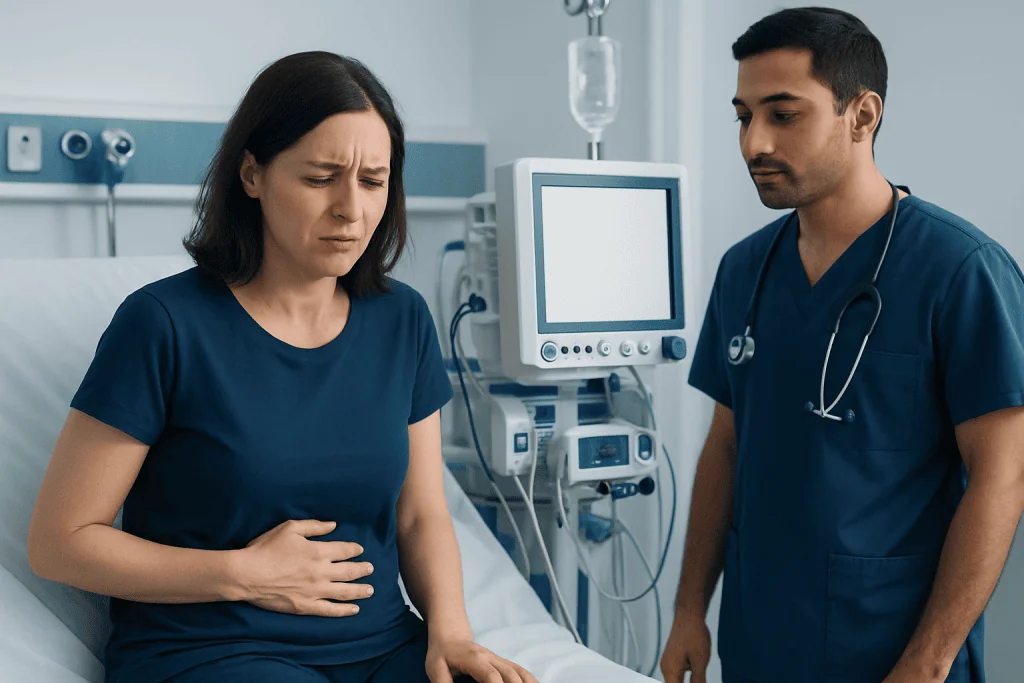
Symptoms of volvulus disease depend on which part of the intestine is twisted and whether the bowel is simply blocked or also losing blood supply. Common symptoms include abdominal pain, swelling or bloating, nausea, vomiting, constipation, and an inability to pass gas. The abdomen may feel tight, and discomfort can range from cramping to constant pain.
In large-bowel volvulus, especially sigmoid volvulus, abdominal distension can be very noticeable. Some people report a rapidly enlarging abdomen along with constipation and lower abdominal pain. In small-bowel volvulus, pain may start suddenly and become severe, often with repeated vomiting. Symptoms may develop quickly and can worsen over a short period.
Warning features suggesting reduced blood flow or bowel injury include severe or worsening pain, fever, a fast heart rate, marked tenderness, weakness, or signs of dehydration. In babies or children, symptoms may include a swollen belly, green vomit, feeding problems, lethargy, or unusual irritability. Because these symptoms can overlap with other urgent digestive conditions, professional evaluation is important.
Why volvulus happens: causes and risk factors
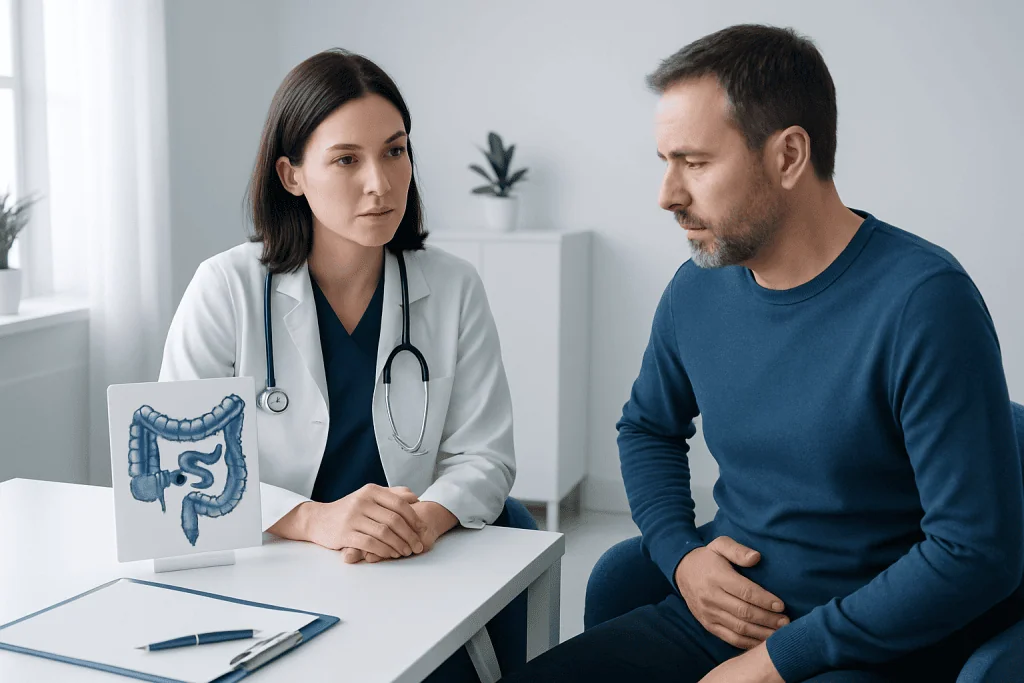
Volvulus develops when the bowel is able to rotate abnormally around its attachment. This may happen because the intestine is unusually mobile, the supporting tissues are elongated or narrow, or there is an underlying anatomic issue. In newborns and infants, malrotation is a key cause. In adults, the pattern differs by type of volvulus and by overall health.
Risk factors for sigmoid volvulus can include chronic constipation, an enlarged or elongated colon, neurologic disease, advanced age, limited mobility, and living in institutional care settings. Prior abdominal surgery or conditions that affect normal bowel movement may also contribute. Cecal volvulus is often linked to an abnormally mobile cecum, which some people are born with, and may be triggered by bowel distension, pregnancy, or postoperative changes.
Although volvulus can occur without a clearly preventable cause, clinicians also consider associated digestive conditions such as severe constipation or structural disorders of the colon. In children, underlying congenital abnormalities are especially important. The main concern is not only the twist itself, but also the risk of obstruction, pressure buildup, and compromised blood supply leading to bowel damage or perforation.
How doctors diagnose volvulus disease
Diagnosis begins with a review of symptoms, physical examination, and an assessment of urgency. Doctors look for abdominal distension, tenderness, dehydration, and signs that the bowel may be under stress. Blood tests can help show inflammation, dehydration, electrolyte changes, or concerns about reduced blood flow, but they do not diagnose volvulus by themselves.
Imaging is central to confirming volvulus disease. Abdominal X-rays may suggest the diagnosis by showing a markedly distended loop of bowel or signs of obstruction. CT scanning is often especially helpful because it can identify the site of twisting, evaluate bowel dilation, and show signs that blood supply may be threatened. In children, ultrasound and contrast studies may be used depending on age and the suspected location.
In selected patients with suspected sigmoid volvulus, endoscopy may serve both diagnostic and therapeutic purposes. A flexible scope can sometimes reveal the point of twisting and allow decompression if the bowel appears viable. However, if there is concern for perforation, dead bowel, or widespread infection, endoscopic procedures may not be appropriate and surgery is usually preferred. In complex cases, teams may also use colonoscopy as part of the evaluation when clinically suitable.
Modern treatment approaches
Treatment for volvulus disease aims to relieve the twist, restore normal bowel passage, and protect the bowel from injury. The best approach depends on the bowel segment involved, how ill the patient is, and whether the intestine still has a healthy blood supply. Supportive care often starts immediately and may include intravenous fluids, pain control, correction of electrolyte imbalances, and stopping oral intake until the situation is clear.
For uncomplicated sigmoid volvulus, endoscopic decompression may be attempted first in carefully selected patients. This can untwist the bowel temporarily and relieve pressure, but recurrence is common if no further definitive treatment is planned. Because of that, doctors often discuss elective surgery after successful decompression to reduce the chance of the volvulus returning.
Surgery is the main treatment when there are signs of bowel ischemia, perforation, peritonitis, failed endoscopic decompression, or cecal volvulus. The operation may involve untwisting the bowel, removing a damaged section, and reconnecting healthy bowel if it is safe to do so. In some cases, a temporary or permanent stoma is needed. Depending on anatomy and urgency, specialists may use laparoscopic surgery or an open operation.
If volvulus occurs due to malrotation or another structural issue, surgery also addresses the underlying anatomy to reduce future risk. Management is individualized, especially in infants, older adults, and patients with other serious illnesses. Where advanced digestive and surgical care is needed, multidisciplinary teams may coordinate imaging, endoscopy, anesthesia, and gastrointestinal surgery to guide treatment safely.
Outlook, recovery, and possible complications
The outlook for volvulus disease depends largely on how quickly treatment begins and whether the bowel’s blood supply has been preserved. When diagnosis is prompt and the bowel remains healthy, many patients recover well after decompression or surgery. Recovery time varies by age, overall health, the site of volvulus, and whether bowel resection was necessary.
When treatment is delayed, complications become more likely. These can include bowel ischemia, tissue death, perforation, severe infection, and recurrence of the volvulus. After successful non-surgical decompression, recurrence is a well-recognized issue, particularly with sigmoid volvulus, which is why follow-up planning is important.
After surgery, doctors monitor return of bowel function, hydration, pain control, and any signs of infection or leakage at the surgical site. Some patients may need temporary dietary adjustments while the bowel recovers. If an underlying problem such as chronic constipation contributes to the condition, long-term management can help reduce future bowel stress. Acibadem International’s multidisciplinary specialists and JCI-accredited hospitals diagnose and treat complex digestive conditions, including volvulus disease, for international patients.
Prevention, self-care, and follow-up
There is no guaranteed way to prevent all cases of volvulus disease, because some forms result from anatomy present since birth or from factors that cannot be fully controlled. Still, medical follow-up can reduce risk in people with prior episodes or known bowel conditions. Preventing severe constipation, reviewing medications that slow the bowel, and addressing chronic abdominal symptoms early may help in some patients.
Self-care should never replace medical attention when volvulus is suspected. At home, a person with severe pain, marked abdominal swelling, repeated vomiting, or inability to pass gas or stool should not rely on laxatives or delay assessment. These steps can be unhelpful or unsafe if a bowel twist or obstruction is present.
After treatment, follow-up focuses on recovery, nutrition, bowel habits, and recurrence prevention. Doctors may recommend dietary changes, hydration, activity as tolerated, and a structured plan to manage constipation if relevant. Patients who have had surgery should follow instructions about wound care, lifting, and when to restart normal eating. If symptoms recur, they should seek reassessment promptly.
When to seek medical care
Urgent medical care is needed for severe or persistent abdominal pain, progressive bloating, repeated vomiting, inability to pass stool or gas, or a swollen abdomen that develops quickly. Fever, faintness, confusion, or worsening weakness are additional reasons to seek immediate help. In infants and children, green vomiting, a distended belly, or unusual sleepiness should be treated as urgent warning signs.
Even milder recurring symptoms deserve medical review, especially if a person has had prior episodes of bowel obstruction, chronic constipation, or unexplained abdominal distension. Early assessment can help distinguish volvulus from other digestive conditions and may prevent complications. People already under care for related intestinal problems, including intestinal obstruction, should contact their doctor if symptoms change or intensify.
Frequently asked questions
Is volvulus disease an emergency?
It can be. Volvulus may block the bowel and can sometimes cut off blood supply, which makes urgent evaluation important. Not every case presents with the same severity, but sudden abdominal pain, swelling, vomiting, or inability to pass stool or gas should be assessed promptly.
Can volvulus disease go away on its own?
A volvulus usually should not be expected to resolve safely without medical care. Some symptoms may fluctuate, especially if twisting is intermittent, but the condition can return or worsen unexpectedly. A doctor needs to assess whether there is obstruction or reduced blood flow.
What is the difference between volvulus and bowel obstruction?
Volvulus is one possible cause of bowel obstruction. In volvulus, the bowel twists, and that twist can block movement through the intestine. Bowel obstruction is a broader term that also includes causes such as adhesions, hernias, tumors, or severe inflammation.
Does volvulus always require surgery?
Not always, but many cases do. Some patients with uncomplicated sigmoid volvulus may first have endoscopic decompression, especially if the bowel appears healthy. Surgery is usually needed when decompression fails, when volvulus recurs, or when there are signs of ischemia, perforation, or cecal volvulus.
Can volvulus come back after treatment?
Yes, recurrence can happen, particularly after non-surgical decompression of sigmoid volvulus. This is why doctors often discuss definitive treatment and follow-up planning after the initial episode. The individual risk depends on the type of volvulus and the treatment used.
Who is more likely to develop volvulus disease?
Risk depends on age and the specific type of volvulus. Infants may develop it because of intestinal malrotation, while adults may be more affected by chronic constipation, an elongated colon, limited mobility, or certain anatomic factors. A doctor can help determine whether any underlying risk factors are present.
References
- National Institute of Diabetes and Digestive and Kidney Diseases
- American College of Gastroenterology
- National Organization for Rare Disorders
- Merck Manual Professional Edition
- American Pediatric Surgical Association
This article is for general information only and is not a substitute for professional medical advice. Please consult a qualified doctor about your individual situation.
Persistent digestive symptoms? Get evaluated in Turkey
JCI-accredited · board-certified surgeons · reply within 24h
Add us as a Preferred Source to see more of our trusted health content across Google Search, AI Overviews and Discover.
Check your numbers in seconds
BMI, calories, due date, blood pressure and 30+ more clinical calculators — free, instant, doctor-reviewed ranges.