Premature Ejaculation: An Evidence-Based Guide for Patients

Premature ejaculation is common and often treatable. Doctors usually consider both timing and the level of control or distress it causes.
Key Takeaways
- Premature ejaculation is common and often treatable.
- Doctors usually consider both timing and the level of control or distress it causes.
- Stress, anxiety, relationship concerns, and some medical conditions can contribute.
- Treatment may include behavioral techniques, therapy, and medicines in selected cases.
- A medical evaluation can help rule out related problems such as erectile dysfunction or prostatitis.
Premature ejaculation is a common sexual concern in which ejaculation happens sooner than a person or couple would like, often with limited control and distress. In many cases, it can improve with education, behavioral strategies, counseling, treatment of related conditions, and medical care when needed.
Overview
Premature ejaculation is when ejaculation happens earlier than desired during sexual activity and causes distress, frustration, or difficulty for the person, their partner, or both. It is one of the most common male sexual concerns. Although many people worry that it means something is seriously wrong, it is often manageable and sometimes temporary.
There is no single time limit that defines premature ejaculation for everyone. Clinicians usually look at a combination of factors: how soon ejaculation occurs, how much control the person feels they have, and whether the problem is persistent and upsetting. For some, it has been present since their first sexual experiences. For others, it develops later after a period of normal control.
It is also important to separate occasional early ejaculation from a consistent pattern. Fatigue, stress, a new partner, long gaps between sexual activity, or performance pressure can affect timing from time to time. When the issue happens regularly and interferes with well-being or intimacy, a professional assessment may be helpful.
Symptoms and how it affects daily life
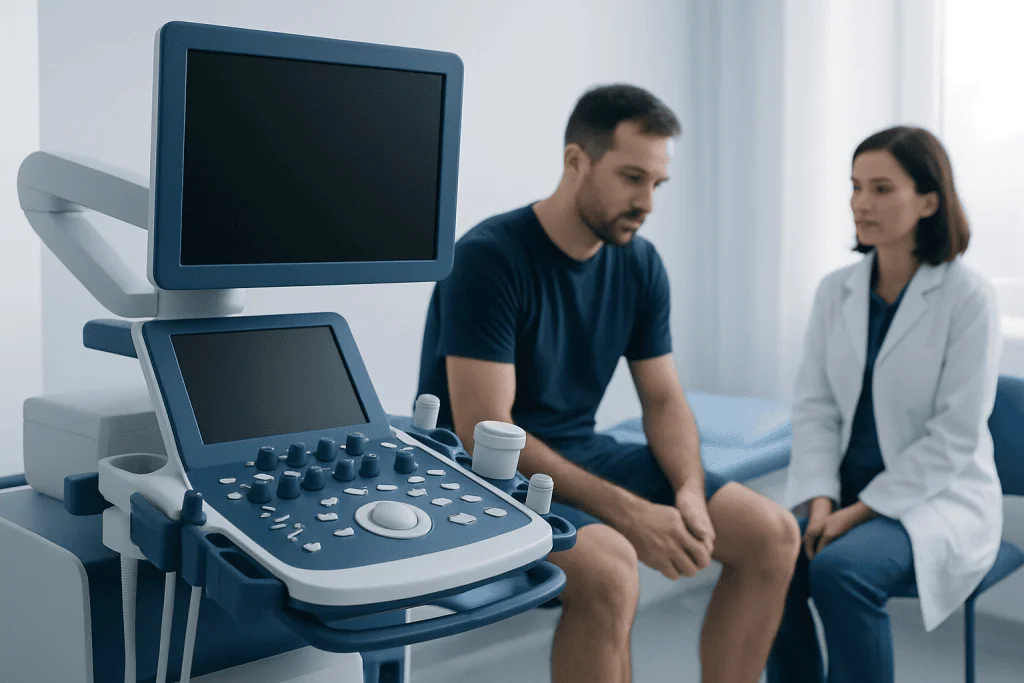
The main feature of premature ejaculation is ejaculation that happens sooner than wanted, often with a feeling that control is limited or absent. This may occur before penetration, shortly after penetration, or earlier than intended during other sexual activity. The experience can vary widely from person to person.
Doctors also pay attention to the emotional and relationship impact. Some people begin to avoid intimacy because they feel embarrassed, disappointed, or anxious about sexual performance. Partners may also feel confused or frustrated, especially if the couple has not discussed the problem openly.
Common concerns linked with premature ejaculation include:
- Feeling unable to delay ejaculation consistently
- Distress, shame, frustration, or loss of confidence
- Avoidance of sexual contact or reduced satisfaction
- Tension within a relationship
- Worry about related sexual problems, such as erection difficulties
Because sexual health is closely connected with emotional health, a person may notice a cycle in which anxiety leads to less control, and the lack of control then increases anxiety further. Recognizing this pattern is often the first step toward improvement.
Causes and risk factors

Premature ejaculation does not have one single cause. Instead, it usually results from a mix of psychological, relationship, and physical factors. Anxiety about sexual performance is a well-known contributor, but it is not the only one. Past sexual experiences, stress, depression, relationship conflict, and unrealistic expectations can all play a role.
Physical factors may also contribute. These can include inflammation of the prostate, hormonal influences, changes in neurotransmitter signaling, thyroid disorders, and sexual problems such as erectile dysfunction. In some people, concern about losing an erection can lead to rushing sexual activity, which may reinforce early ejaculation.
Risk factors and contributing factors may include:
- Performance anxiety or general anxiety
- Relationship stress or poor sexual communication
- Depressed mood or high stress levels
- Erectile dysfunction or fear of erection loss
- Prostate symptoms or pelvic discomfort
- Possible hormonal or thyroid-related issues
Not every case needs extensive testing, but identifying contributing factors matters because treatment often works best when it addresses the underlying pattern rather than only the symptom itself.
How doctors diagnose premature ejaculation
Diagnosis usually begins with a detailed medical and sexual history. A doctor may ask when the problem started, whether it happens every time or only in certain situations, how much control the person feels they have, and how much distress it causes. Questions about mood, stress, relationship factors, erections, medications, and general health are also common.
A physical examination may be recommended if symptoms suggest an underlying medical issue. Laboratory tests are not needed for everyone, but they may be used if there are signs of another condition, such as thyroid disease or hormonal imbalance. The goal is to understand whether the premature ejaculation is lifelong or acquired and whether there are treatable contributing factors.
In some cases, evaluation also includes assessment for related urologic or sexual health conditions. If there are urinary symptoms, pelvic pain, or signs of infection or inflammation, the doctor may consider disorders such as prostatitis. If erection concerns are present, those may need attention at the same time because both conditions can affect each other.
Open and honest communication during the appointment is especially important. Premature ejaculation can feel personal, but clinicians who work in sexual medicine discuss these issues routinely and can offer practical, nonjudgmental guidance.
Treatment options
Treatment depends on the pattern, the level of distress, and any contributing causes. For many people, care begins with education and reassurance. Understanding that the condition is common and often treatable can reduce pressure and improve confidence. In some cases, simple changes in sexual routines and better communication with a partner can make a meaningful difference.
Behavioral techniques are often part of treatment. These may include pause-and-squeeze or stop-start methods, changes in pacing, use of condoms to reduce sensation for some individuals, and attention to relaxation rather than performance. Pelvic floor training may help selected patients, especially when done with professional guidance.
Psychological support can be very helpful when anxiety, stress, or relationship concerns are involved. Sex therapy or counseling may focus on communication, expectations, body awareness, and reducing the cycle of performance anxiety. If there is a broader mental health issue, treatment of that condition may also improve sexual symptoms.
Medical treatment is sometimes recommended. Doctors may discuss topical anesthetic products, certain oral medicines used off-label in some settings, or treatment of associated problems such as erectile dysfunction treatment when both issues occur together. If a prostate-related condition is suspected, a urologic evaluation and care such as treatment for prostatitis may be relevant. The best approach is individualized and should be guided by a qualified doctor.
Self-care, communication, and prevention
There is no guaranteed way to prevent premature ejaculation, but healthy habits and realistic expectations can lower its impact. Good sleep, regular exercise, stress management, and limiting alcohol or other substances that affect sexual response may all support sexual health. Managing chronic conditions and reviewing medicines with a doctor can also be useful.
Communication with a partner is often one of the most effective but overlooked tools. Talking openly about preferences, pacing, and expectations can reduce pressure and improve intimacy. Many couples benefit from shifting attention away from timing alone and toward overall comfort, pleasure, and connection.
Helpful self-care approaches may include:
- Reducing pressure to “perform” in a specific way
- Practicing relaxation and breathing techniques
- Using behavioral exercises recommended by a clinician
- Addressing erection concerns early rather than avoiding care
- Seeking counseling if anxiety or relationship stress is prominent
If symptoms are persistent, self-care should not replace medical advice. A proper evaluation can identify whether the issue is primarily behavioral, emotional, or linked to another health condition.
When to seek medical care
Medical care is worth seeking if premature ejaculation happens regularly, causes distress, affects a relationship, or leads to avoidance of intimacy. It is also sensible to book an appointment if the problem started suddenly after a period of normal sexual function. A sudden change may point to an underlying factor that deserves attention.
A doctor should also be consulted when premature ejaculation occurs together with erection problems, pelvic pain, urinary symptoms, low mood, severe anxiety, or concerns about hormones or medications. These issues can be assessed together rather than in isolation, which often leads to a more effective plan.
People should not feel embarrassed about asking for help. Sexual concerns are a routine part of medical practice, and treatment is often more successful when it begins early rather than after months or years of worry. Near the end of the care pathway, some patients may need specialist assessment in urology or sexual medicine, including urology care. Acibadem International’s multidisciplinary specialists at JCI-accredited hospitals also diagnose and treat this condition for international patients.
Frequently asked questions
Is premature ejaculation common?
Yes. Premature ejaculation is one of the most common male sexual concerns seen in clinical practice. Many people experience it at some point, and persistent cases can often be improved with the right assessment and treatment.
Is there a normal time for ejaculation?
There is no single "normal" time that applies to everyone. Doctors focus more on whether ejaculation happens sooner than desired, whether there is a lack of control, and whether it causes distress or relationship difficulty.
Can anxiety cause premature ejaculation?
Yes, anxiety can be a major contributing factor. Performance pressure, fear of disappointing a partner, and general stress can all make control more difficult and create a repeating cycle.
Can premature ejaculation be related to erectile dysfunction?
Yes, the two conditions can occur together. Some people rush sexual activity because they are worried about losing an erection, and that pattern can contribute to early ejaculation.
Do I need tests for premature ejaculation?
Not always. Many cases can be assessed mainly through a medical and sexual history, but tests may be recommended if symptoms suggest another problem such as a hormonal issue, thyroid disorder, or prostate condition.
What treatments are available for premature ejaculation?
Treatment may include education, behavioral exercises, counseling or sex therapy, and medicines in selected cases. If another condition is contributing, treating that problem is often an important part of improving symptoms.
This article is for general information only and is not a substitute for professional medical advice. Please consult a qualified doctor about your individual situation.
Premature Ejaculation in Turkey — costs, top hospitals & a free quote
JCI-accredited · board-certified surgeons · reply within 24h
Add us as a Preferred Source to see more of our trusted health content across Google Search, AI Overviews and Discover.

More from the Health Library

ADHD Combined Type — Explained by Medical Evidence, Not Myths

Swell in Ear: What Patients Need to Know

Yohimbe Benefits: What Patients Need to Know

Dismissive Avoidant Personality: What Patients Need to Know

Anal Warts — Explained by Medical Evidence, Not Myths