Organic Food Delivery: Benefits, Risks, and Safe Use
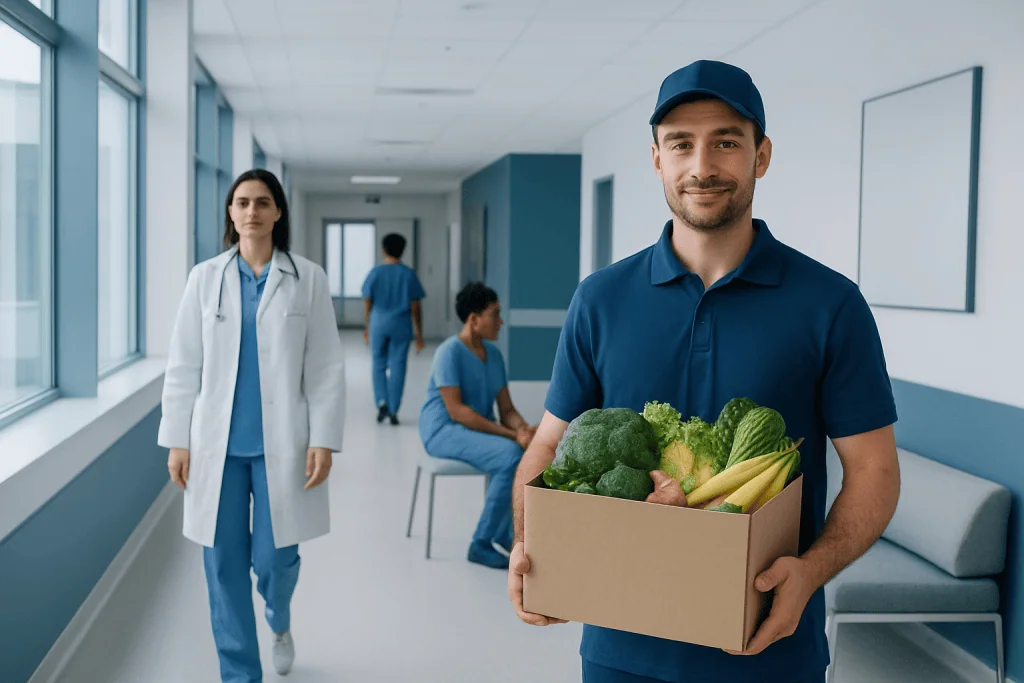
Organic food delivery is a service that brings certified organic groceries or prepared meals to the home. Evidence does not show that organic food is always more nutritious, but it can reduce exposure to certain pesticide residues.
Key Takeaways
- Organic food delivery is a service that brings certified organic groceries or prepared meals to the home.
- Evidence does not show that organic food is always more nutritious, but it can reduce exposure to certain pesticide residues.
- Food safety, balanced meal choices, and allergy awareness matter more than the word “organic” alone.
- Delivered food can still carry risks such as spoilage, contamination, high sodium, or hidden allergens.
- People with chronic illness, weakened immunity, pregnancy, or special diets may need extra caution and medical guidance.
Organic food delivery can make grocery shopping easier and may help some people access more fruits, vegetables, and minimally processed foods. However, its health value depends on what is ordered, how food is stored and handled, and whether the person has allergies, digestive concerns, or specific medical needs.
Overview: What Organic Food Delivery Is and What It Can Offer
Organic food delivery is a service that brings groceries, produce boxes, meal kits, or ready-made meals labeled as organic directly to a person’s home. In general, “organic” refers to foods produced according to specific farming and handling standards, which may limit the use of certain synthetic pesticides, fertilizers, antibiotics, and growth-promoting practices. For many households, delivery offers convenience, better access to food, and a simpler way to plan meals.
From a health perspective, organic food delivery is not a treatment, cleanse, or medical therapy. Its possible benefits come mainly from making it easier to eat more whole foods such as vegetables, fruit, legumes, whole grains, and lean proteins. If a delivery service mainly supplies highly processed snacks, sweets, or salty ready meals, the health value may be limited even if the products are certified organic.
Clinical evidence supports a cautious, balanced view. Some studies suggest organic foods may lower exposure to certain pesticide residues, and in some cases this may matter for people who want to reduce exposure over time. However, current evidence does not prove that choosing organic food delivery by itself prevents disease or guarantees better health outcomes. Overall dietary pattern, portion balance, cooking methods, and food safety remain more important.
What the Evidence Supports—and What It Does Not

Research on organic foods shows a few consistent points. Organic produce may contain lower levels of some pesticide residues, and organic livestock production may involve different antibiotic and feed practices. For some people, especially those who prioritize lower pesticide exposure, this can be a meaningful reason to choose organic items. Delivery may also help people who have limited mobility, demanding schedules, or reduced access to fresh groceries.
At the same time, evidence does not support exaggerated claims. Organic foods are not automatically safer from bacteria, viruses, or natural toxins. They are also not always higher in every nutrient. Nutritional content varies widely depending on the specific food, soil, season, storage, and preparation. A balanced diet rich in fiber, plant foods, and appropriate protein matters more than whether every item is organic.
Organic food delivery should also not be viewed as a replacement for disease-specific nutrition care. People with diabetes, kidney disease, celiac disease, inflammatory bowel disease, food allergies, or other conditions often need tailored meal planning. In these cases, the best choice is a delivery pattern that fits medical advice rather than a broad assumption that organic automatically means ideal. For people managing weight, blood sugar, or digestive symptoms, a clinician may also suggest broader nutrition support or diet and nutrition guidance.
Potential Benefits in Daily Use
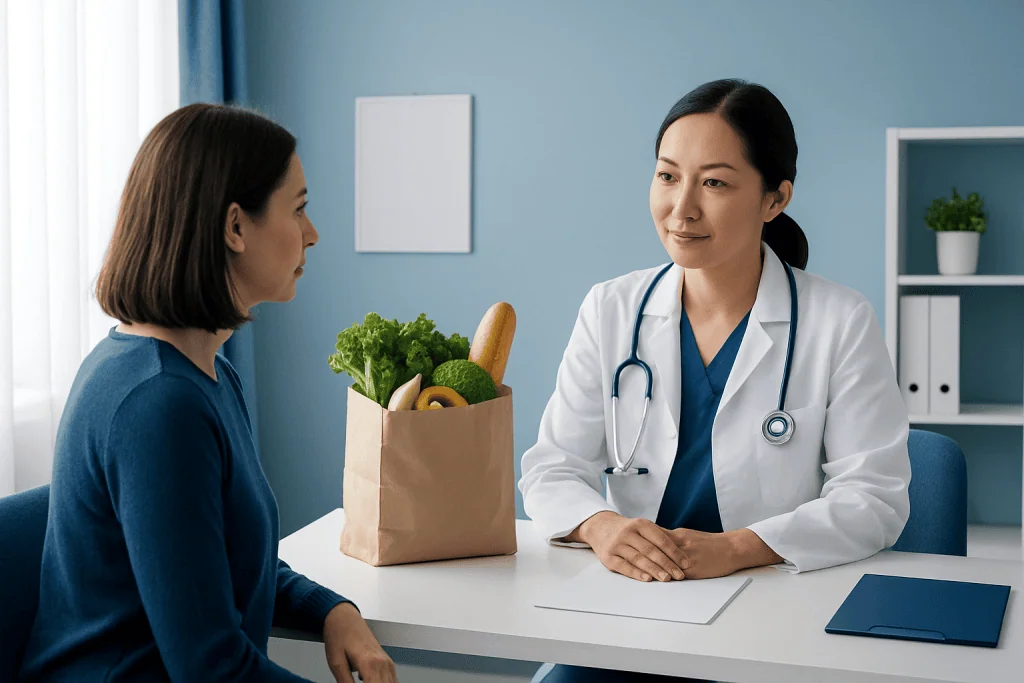
The most practical benefit of organic food delivery is convenience. People who have difficulty shopping regularly may find it easier to maintain a more consistent supply of fresh ingredients at home. This can reduce reliance on fast food or ultra-processed convenience meals, especially during busy workweeks, recovery from illness, or family caregiving.
Another possible advantage is meal planning. Many delivery services encourage people to select vegetables, fruits, whole grains, beans, eggs, fish, or lean meats in advance. This may support healthier eating habits by making balanced choices more routine. Some people also appreciate predictable access to seasonal produce and clearer product labeling.
There may also be indirect health benefits when delivery helps a person eat more regularly and with more variety. For example, adding fiber-rich foods may support digestive comfort and general metabolic health. Still, these benefits come from the foods chosen and eaten consistently, not from the delivery format itself.
- May improve access to fresh food
- Can support meal planning and portion awareness
- May reduce dependence on heavily processed convenience foods
- Can be helpful for older adults, busy families, or people recovering at home
Risks, Side Effects, and Common Misunderstandings
Organic food delivery can still involve health risks if food is not transported, stored, or reheated safely. Perishable items such as dairy, eggs, meat, fish, cooked grains, and prepared meals can spoil if left outside too long or delivered without proper temperature control. Foodborne illness can occur with organic and conventional products alike.
Another common misunderstanding is that “organic” means “healthy in unlimited amounts.” Organic cookies, chips, sweetened drinks, desserts, and processed sauces may still contain high amounts of sugar, sodium, or saturated fat. People with diabetes or high blood pressure may need to check nutrition labels carefully even when a product appears health-focused.
Allergic reactions are also possible. Organic labeling does not remove allergens such as milk, egg, soy, wheat, sesame, peanuts, tree nuts, fish, or shellfish. Cross-contact may occur in kitchens or packaging facilities. People with a history of severe allergy should read labels closely and confirm how a service handles allergens.
Some individuals notice digestive symptoms when they suddenly increase raw vegetables, legumes, fiber supplements, or fermented foods included in health-oriented delivery plans. Bloating, gas, abdominal discomfort, or loose stools may happen if dietary changes are abrupt, or if an underlying digestive condition is present, such as irritable bowel syndrome.
Who Should Use Extra Caution
Pregnant people, young children, older adults, and anyone with a weakened immune system should be especially careful with delivered foods that are raw, chilled, or ready to eat. Unpasteurized dairy products, undercooked eggs, raw sprouts, deli-style foods held at unsafe temperatures, and improperly stored meats can pose a higher risk of infection. Safe handling remains essential regardless of whether foods are organic.
People with chronic medical conditions should consider whether the service fits their nutrition plan. For example, those with kidney disease may need to monitor potassium, phosphorus, sodium, and protein intake. People with celiac disease need reliable avoidance of gluten, and those with inflammatory bowel conditions may need individualized food choices during symptom flares.
Individuals taking medicines should also think about interactions. This is not unique to organic food, but certain delivered products such as juices, herbal beverages, green powders, or fortified meal replacements may affect medications. For example, some foods can influence blood thinning medicines, blood sugar control, or digestion of other drugs. A pharmacist or doctor can advise on specific concerns.
How to Choose and Use Organic Food Delivery Safely
A safe approach begins with careful selection. It helps to choose a service that clearly labels ingredients, allergens, storage instructions, and use-by dates. Deliveries should arrive cold when needed, with insulated packaging or ice packs for perishable items. If food arrives warm, leaking, damaged, or with an unusual odor, it should not be eaten.
Once the order is received, refrigerated and frozen items should be put away promptly. Produce should be washed before eating or cooking, even when labeled organic or pre-packed. Separate raw meats from ready-to-eat foods, clean food preparation surfaces, and reheat prepared meals thoroughly according to instructions.
People using delivery regularly may benefit from a simple checklist:
- Prioritize vegetables, fruits, legumes, whole grains, and appropriate protein sources
- Check labels for sodium, added sugars, and saturated fat
- Review allergen statements carefully
- Store perishables quickly and at safe temperatures
- Introduce major dietary changes gradually if digestion is sensitive
If a person is trying to use food choices to support blood sugar, digestive health, heart health, or weight management, a doctor or dietitian can help interpret labels and meal patterns. In some cases, symptoms that seem food-related may actually need medical evaluation, testing, or gastroenterology assessment.
When to Seek Medical Care
Medical advice is important if symptoms appear after eating delivered food and are severe, persistent, or unusual. Urgent care may be needed for signs of a serious allergic reaction, such as trouble breathing, swelling of the lips or throat, widespread hives, faintness, or vomiting after exposure to a known allergen. These symptoms can become serious quickly and should not be observed at home.
A doctor should also be consulted for possible foodborne illness if there is high fever, dehydration, blood in the stool, severe abdominal pain, repeated vomiting, or diarrhea lasting more than a few days. People who are pregnant, elderly, immunocompromised, or have significant chronic disease should seek advice earlier because complications may develop more easily.
If a person notices recurring bloating, abdominal pain, changes in bowel habits, unexplained weight loss, or difficulty tolerating certain foods, evaluation may help identify lactose intolerance, celiac disease, inflammatory bowel disease, gallbladder problems, or another digestive issue. Depending on symptoms, the care plan may include laboratory testing, imaging, or endoscopy. Near the end of the care pathway, patients seeking coordinated evaluation may also consider Acibadem International, where multidisciplinary specialists in JCI-accredited hospitals diagnose and treat digestive and nutrition-related concerns for international patients.
Frequently asked questions
Is organic food delivery healthier than regular grocery delivery?
It can be healthier if it helps a person eat more whole, minimally processed foods and maintain regular meal planning. However, delivery itself does not make a diet healthy, and organic processed foods can still be high in sugar, salt, or saturated fat.
Does organic food delivery reduce exposure to pesticides?
Organic foods may reduce exposure to certain pesticide residues compared with some conventionally grown foods. Even so, fruits and vegetables of any type are important for health, and washing produce remains a good safety step.
Can organic delivered food still cause food poisoning?
Yes. Organic foods can still carry bacteria or spoil if they are stored, transported, or handled unsafely. Perishable foods should arrive cold and be refrigerated or frozen promptly after delivery.
Who should be most careful with organic food delivery?
Pregnant people, older adults, young children, and people with weakened immune systems should be especially careful with chilled, raw, or ready-to-eat items. Anyone with severe food allergies or a medically restricted diet should also review labels and storage practices very closely.
Are organic meal kits good for people with diabetes or digestive problems?
They can be useful, but the meal composition matters more than the organic label. People with diabetes, IBS, celiac disease, kidney disease, or other conditions may need individualized advice on carbohydrate content, fiber, sodium, and specific ingredients.
What should a person do if symptoms start after eating delivered food?
Mild symptoms may improve with rest and hydration, but severe or persistent symptoms should be evaluated by a doctor. Urgent care is needed for trouble breathing, swelling, severe dehydration, blood in the stool, repeated vomiting, or high fever.
This article is for general information only and is not a substitute for professional medical advice. Please consult a qualified doctor about your individual situation.
Explore treatments in Turkey — costs, top hospitals & a free quote
JCI-accredited · board-certified surgeons · reply within 24h
Add us as a Preferred Source to see more of our trusted health content across Google Search, AI Overviews and Discover.

More from the Health Library
Low Carb Foods: Benefits, Risks, and Safe Use

Sugar and Health: Added Sugars, Cravings, and Smarter Choices

High Protein Fruits: Evidence-Based Benefits, Risks, and Practical Guidance

Benefits of Black Coffee: Evidence-Based Benefits, Risks, and Practical Guidance

Vitamins for Muscle Cramps: Evidence-Based Benefits, Risks, and Practical Guidance