Why Does It Burn When I Poop? Here Is What the Evidence Says

Burning with bowel movements is often caused by irritation, hemorrhoids, anal fissures, diarrhea, or diet-related triggers. Symptoms that last more than a few days or come with bleeding, fever, or severe pain need medical review.
Key Takeaways
- Burning with bowel movements is often caused by irritation, hemorrhoids, anal fissures, diarrhea, or diet-related triggers.
- Symptoms that last more than a few days or come with bleeding, fever, or severe pain need medical review.
- Doctors usually diagnose the cause with a history, physical examination, and sometimes stool tests or endoscopy.
- Treatment depends on the cause and may include stool-softening strategies, topical care, dietary changes, or treatment of infection or inflammation.
- Gentle hygiene, hydration, fiber, and avoiding straining can help prevent many common causes.
Most of the time, a burning sensation during or after a bowel movement is caused by irritation around the anus, constipation, diarrhea, hemorrhoids, or a small tear called an anal fissure. It is often manageable, but ongoing pain, bleeding, fever, or changes in bowel habits should be assessed by a doctor.
Overview: why it can burn during or after a bowel movement
If someone wonders, “why does it burn when I poop,” the most likely explanation is irritation of the skin and tissues around the anus. This area is delicate, and it can become sore from hard stools, frequent diarrhea, wiping, spicy foods, hemorrhoids, or a small tear in the lining called an anal fissure. In many people, the problem is temporary and improves once the irritation settles.
Burning can happen during the bowel movement, immediately afterward, or linger for minutes to hours. The feeling may be mild and occasional or sharp enough to make bowel movements stressful. Some people also notice itching, a stinging sensation when they clean the area, a small amount of bright red blood on toilet paper, or a feeling of incomplete emptying.
Although this symptom is often harmless, it should not be ignored if it keeps happening. Persistent pain can point to conditions that need treatment, including infection, inflammatory bowel disease, or skin disorders around the anus. The goal is not to assume the worst, but to recognize patterns and seek help when symptoms are not settling.
Common causes of burning when pooping
The most common causes are mechanical irritation and inflammation. Constipation can lead to large, dry stools that stretch the anal opening and cause tiny tears. Diarrhea can also burn because frequent stools expose the skin to digestive enzymes and moisture. Repeated wiping, scented toilet paper, soaps, and wet wipes may make the irritation worse rather than better.
Hemorrhoids are swollen veins in or around the rectum and anus. They can cause discomfort, itching, swelling, and burning, especially after straining or sitting on the toilet for a long time. If symptoms fit this pattern, a doctor may consider hemorrhoids as one possible explanation.
Another frequent cause is an anal fissure, which is a small crack in the lining of the anus. Fissures often cause sharp pain during bowel movements followed by burning or throbbing afterward. A little bright red blood may be seen on the stool or toilet paper. Less common causes include yeast or bacterial infection, sexually transmitted infections affecting the anal area, eczema or contact dermatitis, and inflammatory conditions such as Crohn’s disease.
- Constipation and hard stools
- Diarrhea and frequent wiping
- Hemorrhoids
- Anal fissures
- Spicy foods or food intolerance
- Skin irritation from soaps, wipes, or moisture
- Infections or inflammatory bowel disease
How symptoms can help narrow down the cause

The pattern of symptoms often gives useful clues. Burning with a sharp tearing pain during passage of stool suggests a fissure, especially if bowel movements have been hard. A fuller, pressure-like discomfort with itching or swelling may be more typical of hemorrhoids. Burning that is worse after multiple loose stools often points to skin irritation from diarrhea.
Associated symptoms also matter. Bright red blood on the paper or outside of the stool is commonly seen with hemorrhoids or fissures. Mucus, abdominal cramps, urgency, weight loss, fever, or symptoms that wake a person at night may suggest inflammation or infection rather than simple irritation. Itching alone can come from moisture, dermatitis, pinworms in children, or fungal irritation.
Food triggers can play a role too. Spicy meals, acidic foods, caffeine, and alcohol may make bowel movements sting in some people, particularly if they already have sensitive skin, diarrhea, or hemorrhoids. Symptoms after a new hygiene product, cream, or detergent may suggest contact irritation rather than a bowel disorder itself.
When to seek medical care
Many short-lived cases improve within a few days with gentler care and better stool consistency. However, medical review is sensible if burning keeps returning, lasts more than about a week, or is severe enough to make someone avoid bowel movements. Avoiding the toilet because of pain can worsen constipation and create a cycle of further irritation.
Urgent assessment is important if there is heavy rectal bleeding, black stools, pus, fever, a painful lump near the anus, severe abdominal pain, new weakness, dizziness, or trouble controlling bowel movements. A doctor should also assess symptoms in anyone with known inflammatory bowel disease, a weakened immune system, recent anal injury, or concern about infection.
New bowel changes deserve attention, especially in older adults or when there is unexplained weight loss, anemia, or a family history of colorectal disease. These features do not automatically mean something serious is present, but they do warrant a proper examination rather than self-treatment alone.
How doctors find the cause
Doctors usually begin with a careful history. They ask when the burning started, whether pain is sharp or itchy, whether there is bleeding, constipation, diarrhea, mucus, discharge, fever, or abdominal symptoms, and whether any foods or products seem to trigger it. A review of medicines is also useful, since antibiotics, laxatives, and some supplements can affect the bowels or irritate the area.
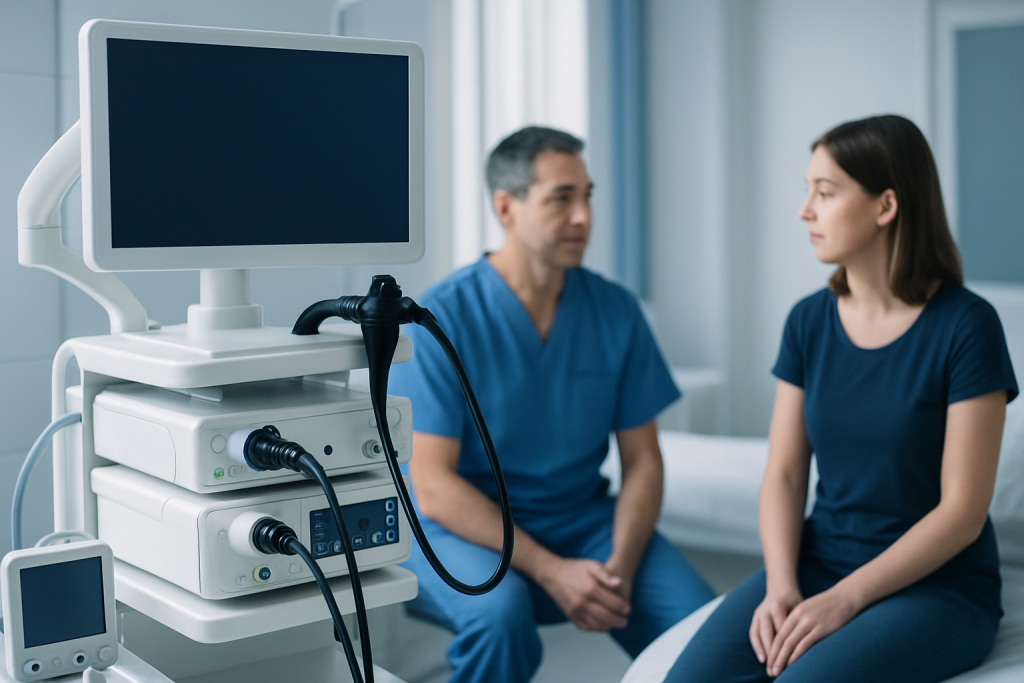
A physical examination often includes inspection of the skin around the anus for irritation, fissures, hemorrhoids, rash, or signs of infection. Depending on symptoms, a doctor may perform a gentle rectal examination. If there is concern for disease inside the rectum or colon, further tests may be advised, such as stool testing, blood tests, or endoscopic evaluation like colonoscopy.
Not everyone needs advanced testing. In many cases, the diagnosis is made clinically from symptoms and examination alone. If symptoms are recurrent, unexplained, or associated with bleeding or chronic bowel changes, the doctor may involve a gastroenterology or colorectal specialist to guide treatment and rule out conditions such as ulcerative colitis.
Treatment options and symptom relief
Treatment depends on the cause. For constipation-related pain or fissures, the priority is making stools softer and easier to pass. This often includes increasing fluids, adding dietary fiber gradually, avoiding straining, and responding to the urge to have a bowel movement rather than delaying. Doctors may also suggest a stool-softening plan or topical treatments to reduce discomfort and help healing.
If hemorrhoids are contributing, measures such as sitz baths, gentle cleansing with water, avoiding prolonged sitting on the toilet, and improving bowel habits can help. Persistent or more advanced hemorrhoids sometimes need office-based or procedural treatment. In selected cases, a specialist may discuss options such as hemorrhoid treatment.
When diarrhea is the main driver, treatment focuses on identifying the reason for loose stools and protecting the skin. This may involve a bland diet for a short period, replacing fluids, avoiding trigger foods, and using a barrier cream if advised by a clinician. Infections, inflammatory bowel disease, and severe fissures may require prescription treatment, and some patients benefit from specialist assessment with procedures such as digestive endoscopy when symptoms do not follow a simple pattern.
Prevention and self-care at home
Simple habits can lower the chance of burning with bowel movements. The most helpful step is keeping stools regular and easy to pass. Many people do well with enough water, fruits, vegetables, whole grains, and physical activity. Any increase in fiber should be gradual to reduce bloating.
Gentle hygiene is equally important. Cleaning the area with water or soft unscented tissue is often less irritating than repeated wiping with perfumed paper or alcohol-based wipes. The area should be patted dry rather than rubbed. Loose, breathable underwear and changing out of sweaty clothing promptly may also reduce skin irritation.
It can also help to avoid sitting on the toilet for long periods, since this increases pressure on the anal veins. If certain foods repeatedly trigger stinging or diarrhea, limiting them may reduce symptoms. For patients needing further evaluation, Acibadem International’s multidisciplinary specialists in JCI-accredited hospitals diagnose and treat digestive and anorectal conditions for international patients.
Frequently asked questions
Is burning when pooping usually serious?
Usually not. In many cases, it comes from temporary irritation, constipation, diarrhea, hemorrhoids, or a small fissure. It becomes more important to check if it is persistent, severe, or linked with bleeding, fever, or major changes in bowel habits.
Can spicy food make it burn when I poop?
Yes, spicy foods can contribute in some people. They may irritate the digestive tract or make diarrhea more likely, and that can cause stinging around the anus. The effect is usually short term and improves when the trigger food is reduced.
What is the difference between hemorrhoids and an anal fissure?
Hemorrhoids are swollen veins in or around the anus, while an anal fissure is a small tear in the anal lining. Fissures often cause sharp pain during bowel movements and burning afterward. Hemorrhoids more often cause itching, swelling, pressure, or bright red bleeding, though symptoms can overlap.
Should I see a doctor if there is blood on the toilet paper?
A small amount of bright red blood can happen with hemorrhoids or a fissure, but it should still be discussed if it keeps happening. Medical review is especially important if bleeding is heavy, mixed into the stool, or accompanied by dizziness, weakness, or abdominal pain.
How can I make bowel movements less painful at home?
The main goal is to avoid hard stools and reduce irritation. Drinking enough water, increasing fiber gradually, avoiding straining, and cleaning gently can help. Warm sitz baths may also soothe the area, but ongoing symptoms should be checked by a clinician.
Can diarrhea cause burning after a bowel movement?
Yes. Frequent loose stools expose the skin around the anus to moisture and digestive enzymes, which can cause burning and soreness. If diarrhea lasts more than a few days, causes dehydration, or comes with fever or blood, medical advice is recommended.
References
- National Institute of Diabetes and Digestive and Kidney Diseases
- American Society of Colon and Rectal Surgeons
- Mayo Clinic
- National Health Service
- World Gastroenterology Organisation
This article is for general information only and is not a substitute for professional medical advice. Please consult a qualified doctor about your individual situation.
Persistent digestive symptoms? Get evaluated in Turkey
JCI-accredited · board-certified surgeons · reply within 24h
Add us as a Preferred Source to see more of our trusted health content across Google Search, AI Overviews and Discover.