Sternum Popping — Explained by Medical Evidence, Not Myths

Sternum popping usually comes from chest wall joints, cartilage, or nearby muscles moving or becoming irritated. A popping sensation without pain is often benign, especially after stretching or changing posture.
Key Takeaways
- Sternum popping usually comes from chest wall joints, cartilage, or nearby muscles moving or becoming irritated.
- A popping sensation without pain is often benign, especially after stretching or changing posture.
- Pain, tenderness, swelling, recent trauma, fever, or shortness of breath should not be ignored.
- Doctors diagnose the cause mainly through history and physical examination, with imaging or heart tests only when needed.
- Treatment depends on the cause and may include rest, posture changes, physical therapy, or care for an underlying inflammatory or joint condition.
Sternum popping is commonly related to the joints, cartilage, or soft tissues of the chest wall rather than the heart. It is often harmless if it happens occasionally without other symptoms, but persistent pain, swelling, injury, or breathing problems need medical evaluation.
What sternum popping usually means
Sternum popping refers to a clicking, cracking, or popping sensation felt in the breastbone area or where the ribs meet the chest. In most cases, this feeling comes from the chest wall itself, especially the small joints and cartilage that connect the ribs to the sternum. Like other joints in the body, these areas can move, shift slightly, or become irritated and create a noticeable sound or sensation.
Medical evidence suggests that occasional sternum popping without pain is often not dangerous. It may happen during stretching, twisting, lifting, deep breathing, or after sitting in one position for a long time. Some people notice it more when the shoulders are rounded forward, because posture can change how the chest wall moves.
The more important question is not whether the sternum pops, but whether it is associated with symptoms such as pain, tenderness, swelling, shortness of breath, fever, or a recent injury. These features help doctors distinguish a benign mechanical cause from inflammation, trauma, or a condition affecting the heart, lungs, or upper digestive tract.
How the chest wall can create popping sounds
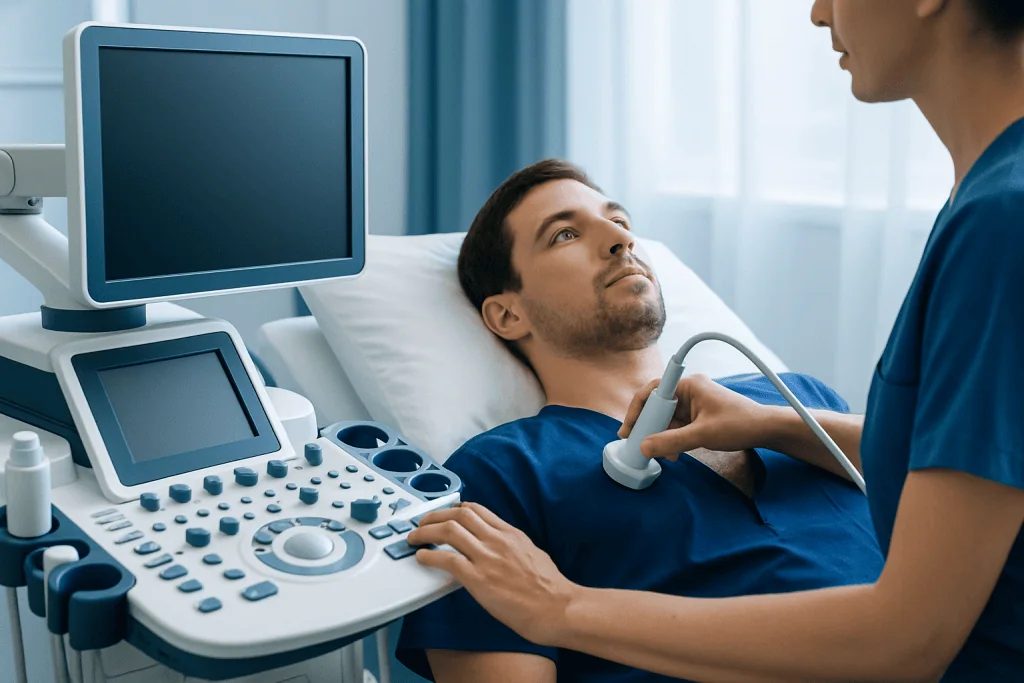
The sternum is a flat bone in the center of the chest. It connects with the collarbones above and with the ribs through flexible cartilage along its sides. This structure protects the heart and lungs while still allowing the chest to expand during breathing and movement. Because the chest wall must move repeatedly throughout the day, small shifts in these connections are normal.
A popping sensation may occur when gas within a joint is released, when a tendon or ligament moves over a bony surface, or when an irritated rib-sternum joint briefly changes position. This is similar to the harmless cracking that some people feel in the fingers, neck, or back. Muscle tightness around the chest, shoulders, and upper back can also alter movement and make popping easier to notice.
In other cases, the popping is related to inflammation where the ribs attach to the sternum, sometimes described as costochondritis. Less commonly, hypermobility, arthritis, previous chest surgery, direct impact, or a separation of the sternum or rib cartilage can be involved. The same symptom can therefore have very different causes, which is why the overall symptom pattern matters.
Common causes and risk factors

Many cases of sternum popping are mechanical. Common examples include poor posture, repetitive upper-body activity, heavy lifting, intense exercise, and muscle imbalance in the chest and shoulders. A person may notice the sensation after strength training, pushing movements, coughing repeatedly, or spending long periods hunched over a desk or phone.
Inflammatory causes can also affect the rib-sternum area. Costochondritis causes pain and tenderness where the ribs meet the sternum, and symptoms may worsen with movement, coughing, or deep breaths. Other musculoskeletal conditions, including osteoarthritis, inflammatory arthritis, and chest wall strain, may create pain with or without popping. In some people, generalized joint looseness or hypermobility makes clicking sensations more common in multiple areas of the body.
Trauma is another important cause. A sports injury, seatbelt injury, fall, or direct blow to the chest can bruise or strain the chest wall and occasionally injure cartilage or bone. Rarely, sternum popping can occur after surgery or with instability in the joints of the chest. If there is visible swelling, marked tenderness, deformity, or difficulty breathing, urgent assessment is important.
Less often, discomfort in the center of the chest may be mistaken for sternum popping when the true cause is elsewhere, such as the esophagus, lungs, or heart. Because chest symptoms can overlap, persistent or unexplained symptoms should be evaluated rather than self-diagnosed.
Symptoms that suggest a harmless cause versus a problem
A harmless pattern usually involves an occasional pop or click that happens with stretching, turning, or posture changes and settles quickly. There may be no pain at all, or only a mild brief sensation. The area is typically not swollen, red, or warm, and the person otherwise feels well.
Symptoms are more concerning when popping is accompanied by ongoing pain, localized tenderness, swelling over the sternum, bruising, fever, or pain that is getting worse. Pain that appears after an injury deserves attention, especially if pressing on the breastbone is very uncomfortable or if normal activities become difficult. A sensation of instability in the chest wall should also be checked.
Doctors pay particular attention to symptoms that may not be coming from the chest wall. Shortness of breath, pressure-like chest pain, pain spreading to the arm, neck, jaw, or back, fainting, severe sweating, or sudden worsening symptoms need urgent evaluation. These symptoms do not automatically mean heart disease, but they should not be explained away as simple sternum popping.
When chest wall pain is persistent, clinicians may also consider related conditions that cause referred or overlapping pain, including rib injury or inflammatory joint problems. The full symptom picture is always more useful than the sound itself.
How doctors diagnose sternum popping
Diagnosis begins with a careful medical history. A doctor will ask when the popping started, whether there was an injury, which movements trigger it, and whether there are related symptoms such as pain, breathing difficulty, cough, reflux, fever, or exercise intolerance. They may also ask about work habits, sports, recent infections, and any history of arthritis or hypermobility.
The physical examination often provides the most useful clues. The doctor may gently press along the sternum and rib joints, assess shoulder and upper-back posture, and check whether specific movements reproduce the sensation. If the pain can be clearly reproduced by pressing on the chest wall, a musculoskeletal cause becomes more likely, although this does not replace a full assessment when symptoms are concerning.
Tests are not needed in every person. However, imaging such as X-ray, ultrasound, CT, or MRI may be ordered if there is trauma, swelling, suspected fracture, joint instability, or persistent unexplained pain. If symptoms could relate to the heart or lungs, the doctor may arrange an ECG, blood tests, or other investigations. In some cases, patients may be referred for MRI evaluation or CT scanning to look more closely at the chest structures.
Treatment options and recovery
Treatment depends on the cause. For common mechanical sternum popping without serious findings, conservative care is usually enough. This may include temporarily reducing movements that trigger symptoms, improving posture, applying heat or cold, and using doctor-recommended pain relief when needed. Symptoms often improve as irritation in the chest wall settles.
If muscle tightness or movement patterns are contributing, targeted stretching and strengthening can help restore balanced motion in the shoulders, upper back, and chest. A clinician may suggest physical therapy and rehabilitation to improve posture, breathing mechanics, and thoracic mobility. Recovery is often gradual rather than immediate, especially when symptoms have been present for weeks or months.
When costochondritis or another inflammatory cause is identified, treatment focuses on reducing inflammation and avoiding repeated strain. If there is significant injury, a fracture, or sternoclavicular or chest wall instability, management may be different and occasionally more specialized. Related musculoskeletal problems, including arthritis, may need longer-term follow-up to control inflammation and maintain function.
Because chest symptoms can overlap with heart and lung conditions, treatment should not begin with assumptions. A person with new, persistent, or unexplained symptoms should seek professional guidance to make sure care is directed at the correct cause.
Self-care, prevention, and daily habits
Prevention focuses on reducing unnecessary strain on the chest wall. Good sitting and standing posture can decrease repeated stress on the sternum and ribs, especially for people who work at a desk. Keeping the shoulders relaxed, taking breaks from prolonged sitting, and adjusting screen height may help reduce tightness and clicking sensations.
Exercise habits matter as well. Warm-ups before upper-body training, gradual progression in weights, and balanced strengthening of the chest, back, and shoulder muscles can support smoother chest wall movement. Sudden increases in push-ups, bench pressing, or repetitive lifting may irritate the area, so building intensity slowly is usually wiser than pushing through pain.
People who notice sternum popping with stretching or twisting may benefit from gentle mobility exercises rather than forceful cracking movements. The goal is not to make the sternum pop, but to improve how the chest and upper back move together. If symptoms persist, worsen, or keep returning, a clinician can help identify whether posture, inflammation, or another issue is driving the problem.
For international patients needing a broader assessment, Acibadem International’s multidisciplinary specialists in JCI-accredited hospitals diagnose and treat chest wall and musculoskeletal conditions with appropriate imaging and rehabilitation support.
When to seek medical care
Medical care is appropriate if sternum popping is painful, recurrent, or linked to swelling, tenderness, or a recent injury. A doctor should also assess symptoms that interfere with sleep, exercise, work, or daily activities, or that do not improve with simple rest and posture changes.
Urgent care is important if chest symptoms occur with shortness of breath, heavy pressure, fainting, bluish lips, severe sweating, coughing up blood, or pain that spreads to the jaw, shoulder, arm, or back. These symptoms may have causes unrelated to the sternum itself and should be evaluated without delay.
It is also sensible to seek advice if there is fever, redness over the breastbone, a visible lump or deformity, or pain after surgery. Prompt assessment can help rule out serious causes and guide safe treatment, rather than relying on myths or online assumptions.
Frequently asked questions
Is sternum popping normal?
It can be normal when it happens occasionally and is not accompanied by pain or other symptoms. Small movements in the chest wall joints and cartilage can create a popping sensation, especially during stretching or posture changes. If it is frequent, painful, or new after an injury, it should be checked.
Can sternum popping be related to the heart?
The popping sensation itself usually comes from the chest wall rather than the heart. However, chest discomfort can have different causes, and people sometimes misinterpret where symptoms are coming from. Pressure-like pain, shortness of breath, fainting, or pain radiating to the arm or jaw needs urgent medical assessment.
What is the difference between sternum popping and costochondritis?
Sternum popping describes a sensation or sound, not a diagnosis. Costochondritis is an inflammatory condition affecting the cartilage where the ribs attach to the sternum, and it usually causes tenderness and pain. A person with costochondritis may notice popping, but popping alone does not mean costochondritis is present.
Should a person exercise if the sternum pops?
If the popping is painless and occasional, light activity may still be possible. It is usually best to avoid exercises that clearly trigger pain or repeated irritation until the cause is understood. A doctor or physical therapist can advise on safe modifications if symptoms are persistent.
How long does sternum popping last?
The duration depends on the cause. A simple mechanical pop may happen briefly and never return, while irritation from strain or inflammation can last days to weeks. Ongoing or worsening symptoms should be assessed so that treatment matches the underlying problem.
What tests are used for sternum popping?
Many people do not need tests if the history and examination clearly suggest a minor chest wall cause. If there is trauma, swelling, persistent pain, or concern about another condition, a doctor may request imaging or heart and lung tests. The choice of test depends on the full symptom pattern.
References
- National Health Service
- American Academy of Orthopaedic Surgeons
- MedlinePlus
- National Institute of Arthritis and Musculoskeletal and Skin Diseases
- Mayo Clinic
This article is for general information only and is not a substitute for professional medical advice. Please consult a qualified doctor about your individual situation.
Joint and spine care in Turkey — expert assessment & treatment
JCI-accredited · board-certified surgeons · reply within 24h
Add us as a Preferred Source to see more of our trusted health content across Google Search, AI Overviews and Discover.

More from the Health Library

Atrial Flutter: A Complete Medical Overview

Insitolo: What Patients Need to Know

Worms and Parasites: An Evidence-Based Guide for Patients

Bad Taste in Mouth: What Patients Need to Know

Butterfly Stitches: What Patients Need to Know