Salvia Drug: A Complete Medical Overview

Salvia drug is a psychoactive substance made from the plant Salvia divinorum. Its effects can begin quickly and may include hallucinations, detachment from reality, fear, confusion, and poor coordination.
Key Takeaways
- Salvia drug is a psychoactive substance made from the plant Salvia divinorum.
- Its effects can begin quickly and may include hallucinations, detachment from reality, fear, confusion, and poor coordination.
- Even though episodes are often brief, salvia use can cause injuries, unsafe behavior, or severe emotional distress.
- There is no single lab test routinely used to diagnose salvia intoxication; diagnosis is mainly based on symptoms and history.
- Emergency care is important if a person becomes agitated, unresponsive, injured, or has persistent mental health symptoms after use.
Salvia drug usually refers to Salvia divinorum, a plant-based hallucinogen that can cause short-lived but sometimes very intense changes in perception, thinking, and body awareness. While its effects often fade within minutes, it can still lead to accidents, distress, and important safety concerns, especially in people with mental health conditions or when used with other substances.
Overview: What Is Salvia Drug?
Salvia drug most often means Salvia divinorum, a psychoactive plant in the mint family. It contains a substance called salvinorin A, which can produce strong changes in perception, mood, and consciousness. Unlike many other recreational drugs, salvia can act very quickly and may cause an intense but usually short episode.
People may use salvia by chewing the leaves, drinking preparations made from the plant, or inhaling concentrated forms. The effects vary depending on the amount used, the method of use, and the person’s size, health, and previous exposure to psychoactive substances. Because responses differ widely, the same product may lead to mild perceptual changes in one person and severe disorientation in another.
From a medical point of view, salvia is important because it can impair judgment, awareness, coordination, and a person’s ability to stay safe. Although it is not typically associated with the same pattern of dependence seen with some other substances, it still carries real health risks. Its effects can be especially concerning in teenagers, people with anxiety or psychosis, and anyone using alcohol or other drugs at the same time.
How Salvia Affects the Brain and Body
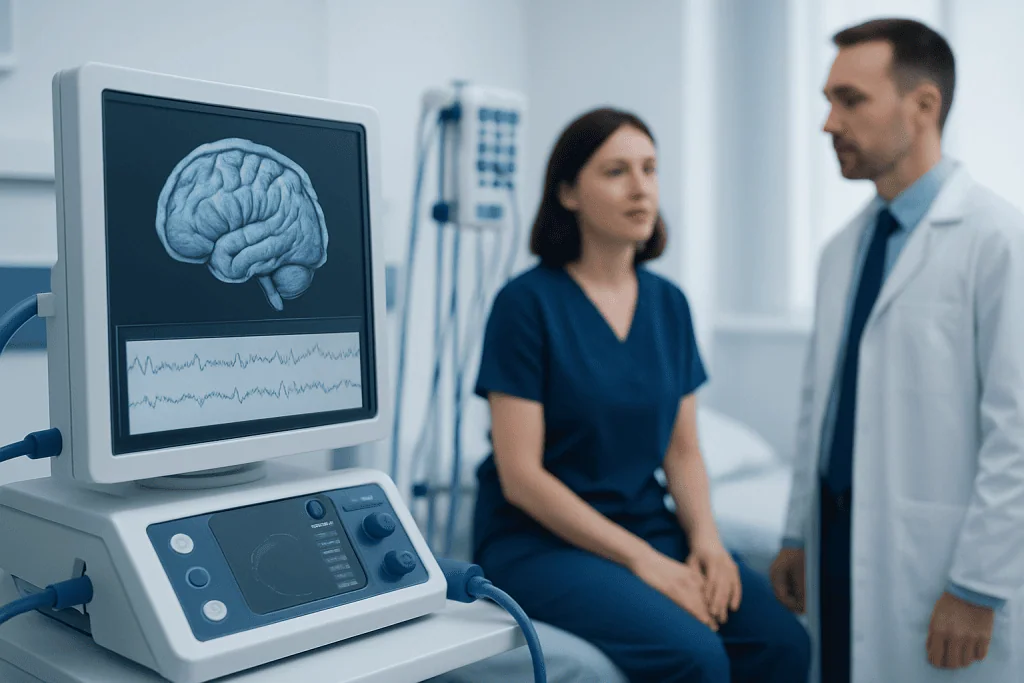
Salvinorin A works differently from many other hallucinogens. Rather than mainly affecting serotonin pathways, it acts strongly on kappa opioid receptors in the brain. This helps explain why salvia can produce unusual effects such as feeling detached from the body, sensing that time or space has changed, or losing awareness of the immediate surroundings.
The onset can be very rapid, especially when smoked or vaporized. A person may move from normal awareness to intense perceptual distortion within minutes. During this period, they may be unable to respond appropriately to other people, follow instructions, or recognize danger.
Physical effects can also occur. These may include dizziness, difficulty speaking, poor balance, sweating, nausea, or an unusually calm or blank expression. Because coordination and judgment may be impaired, the main immediate danger is often accidental injury rather than direct toxic damage to an organ.
Salvia’s psychological effects can overlap with symptoms seen in other conditions involving altered perception or behavior. In some cases, doctors may consider whether symptoms relate to another substance, a primary mental health condition, or a neurological problem such as epilepsy if episodes of altered awareness are unclear.
Symptoms and Short-Term Risks

Symptoms of salvia use may range from mild to severe. Some people report laughter, visual changes, dream-like experiences, or a sense that they are watching themselves from outside their body. Others may experience fear, panic, confusion, paranoia, or a strong feeling of losing control.
Common short-term signs may include:
- Hallucinations or distorted sensory experiences
- Confusion or disorientation
- Poor coordination and unsteady walking
- Slurred speech or reduced ability to communicate
- Anxiety, fear, or agitation
- Dizziness or nausea
- Drowsiness or reduced responsiveness
Even when the intoxication period is brief, the safety risks can be significant. A person under the influence may fall, run into traffic, wander, or behave unpredictably. They may also become frightened by the experience and react suddenly or aggressively without meaning to.
Some people recover quickly and feel normal soon after. Others may have lingering distress, confusion, or emotional discomfort. If symptoms do not settle, a doctor may need to check for other causes, including substance-related mental health problems such as depression or anxiety disorders that may become more noticeable after drug use.
Causes, Risk Factors, and Potential Complications
The direct cause of salvia intoxication is exposure to salvinorin A. Risk increases when a person uses concentrated extracts, inhales the substance, takes repeated doses in a short time, or combines salvia with alcohol, cannabis, stimulants, sedatives, or other psychoactive drugs. Mixing substances can make symptoms more difficult to predict and can complicate treatment.
Certain people may be more vulnerable to harmful effects. This includes adolescents, people with a personal or family history of psychosis, bipolar disorder, severe anxiety, or trauma-related conditions, and people in unsafe environments. Someone who is alone, in a moving vehicle, near heights, or in water may face a much higher risk of injury during intoxication.
Complications are often indirect rather than toxic in the traditional sense. Falls, burns, road accidents, panic reactions, and risky behavior may occur. In some cases, intense fear or confusion may continue after the main drug effect fades, especially if the experience was frightening.
When salvia use happens repeatedly or alongside other substances, clinicians may also assess for broader substance-use patterns. Support from specialists in psychiatry can be helpful when drug use is linked to mood symptoms, stress, or changes in behavior.
How Doctors Diagnose Salvia-Related Problems
Diagnosis is usually clinical, which means it is based mainly on the person’s symptoms, what witnesses observed, and any history of recent substance use. There is no standard routine hospital test that reliably confirms salvia use in the same way some tests can detect alcohol or certain other drugs. Because of this, honest information from the patient or companions is very helpful.
Doctors first focus on immediate safety. They check breathing, heart rate, blood pressure, oxygen levels, level of consciousness, and the presence of injuries. If the person is very confused, unresponsive, or acting in a way that suggests another medical emergency, further tests may be needed.
Depending on the situation, a medical team may order blood tests, toxicology screening for other substances, or imaging studies to rule out head injury or neurological illness. If there is a concern about sudden behavioral change, severe agitation, or altered consciousness, hospital-based assessment can also help separate salvia intoxication from seizure activity, infection, or psychiatric illness.
When symptoms affect thinking, memory, or behavior beyond the expected period, doctors may suggest a more complete evaluation. This can include neurology or mental health assessment to look for underlying conditions that may need treatment.
Treatment Options and Supportive Care
There is no specific antidote for salvia drug intoxication. Treatment usually involves supportive care, meaning the medical team helps the person stay safe and stable while the effects wear off. A calm, quiet environment and reassurance are often important first steps, especially if the person is frightened or disoriented.
In a medical setting, staff may monitor breathing, circulation, temperature, and mental status. If a person is severely agitated, at risk of harming themselves, or unable to be redirected safely, doctors may use short-term medications to reduce distress. Any injuries, dehydration, vomiting, or complications from mixed substance use are treated as needed.
If symptoms reveal an underlying mental health condition, further care may be recommended after the acute episode. This may include counseling, psychiatric follow-up, or support for substance-use concerns. For some people, care is not only about the intoxication itself but also about understanding why the substance was used and how future harm can be reduced.
When symptoms are severe, assessment in an emergency department may involve emergency medicine and multidisciplinary follow-up. Near the end of the care pathway, Acibadem International’s multidisciplinary specialists and JCI-accredited hospitals also evaluate and treat substance-related and neurological symptoms for international patients when appropriate.
Prevention and Safer Self-Care
The safest way to prevent salvia-related harm is not to use the substance. Because concentration and potency can vary, people may not know exactly what they are taking. Products sold informally or online may also be mislabeled or combined with other substances.
For those who have used salvia, basic self-care after the episode includes resting in a safe place, avoiding driving or operating machinery, staying with a trusted sober adult if possible, and seeking help if symptoms continue. It is also wise to avoid alcohol, cannabis, sedatives, or stimulants afterward, since these can worsen confusion or anxiety.
Families and friends can help by staying calm, reducing noise and bright stimulation, and not arguing with someone who is intoxicated. If the person is becoming aggressive, very drowsy, or difficult to wake, professional medical help is the safest choice.
Longer-term prevention may involve discussing substance use with a doctor, therapist, or addiction professional. This is especially useful when salvia use is repeated, happens with other drugs, or occurs in the setting of low mood, panic, sleep problems, or social stress.
When to Seek Medical Care
Medical care is recommended right away if a person who has used salvia becomes unresponsive, has trouble breathing, has a seizure, develops chest pain, shows severe agitation, or is at risk of self-harm or accidental injury. Emergency assessment is also important after a fall, head injury, or any episode involving mixed substance use.
A doctor should also be consulted if confusion, panic, hallucinations, or unusual behavior continue longer than expected. Ongoing low mood, suicidal thoughts, paranoia, or changes in sleep and functioning deserve prompt attention, even if the person seems physically stable.
Parents or caregivers should seek advice if a child or teenager may have used salvia. Young people can be especially vulnerable to risky situations, hidden co-ingestion of other drugs, and lingering emotional effects.
As a general rule, it is better to ask for medical help early when symptoms seem severe or unusual. Prompt evaluation can improve safety, identify complications, and connect the person with the right follow-up care.
Frequently asked questions
What is salvia drug?
Salvia drug usually refers to Salvia divinorum, a plant that contains the psychoactive compound salvinorin A. It can cause short but intense changes in perception, thinking, and awareness.
How long do salvia effects last?
The strongest effects often begin quickly and may last only a short time, especially when the substance is inhaled. However, confusion, fear, or emotional discomfort can sometimes continue longer, and the exact duration varies from person to person.
Is salvia dangerous?
Salvia can be dangerous because it may cause severe disorientation, poor judgment, panic, and unsafe behavior. Even if the drug effect is brief, a person can still be injured or may need medical support if symptoms are intense.
Can salvia cause long-term mental health problems?
Most reported effects are short-term, but some people may have lingering anxiety, distress, or worsening of an underlying mental health condition. People with a history of psychosis, bipolar disorder, or severe anxiety may be more vulnerable and should speak with a doctor.
How do doctors test for salvia use?
There is no routine hospital test that commonly confirms salvia use. Doctors usually diagnose salvia-related problems by assessing symptoms, asking about recent substance exposure, and ruling out other medical or drug-related causes.
What should someone do if another person has used salvia?
They should stay calm, move the person away from obvious dangers, and avoid leaving them alone until they are fully alert. Emergency help is needed if the person is hard to wake, injured, having trouble breathing, or behaving in a way that threatens safety.
This article is for general information only and is not a substitute for professional medical advice. Please consult a qualified doctor about your individual situation.
Explore treatments in Turkey — costs, top hospitals & a free quote
JCI-accredited · board-certified surgeons · reply within 24h
Add us as a Preferred Source to see more of our trusted health content across Google Search, AI Overviews and Discover.

More from the Health Library

Roundworms: What Patients Need to Know

Blisters on Hands: An Evidence-Based Guide for Patients

Pyoderma Gangrenosum: What Patients Need to Know

Queasy Diarrhea: What Patients Need to Know

Advantages of Steam Rooms — Explained by Medical Evidence, Not Myths