

Seborrheic Dermatitis Treatment
Seborrheic dermatitis is a chronic inflammatory skin condition causing redness, itching, and flaky scales, often on the scalp and face. Care focuses on controlling flares and preventing recurrence.
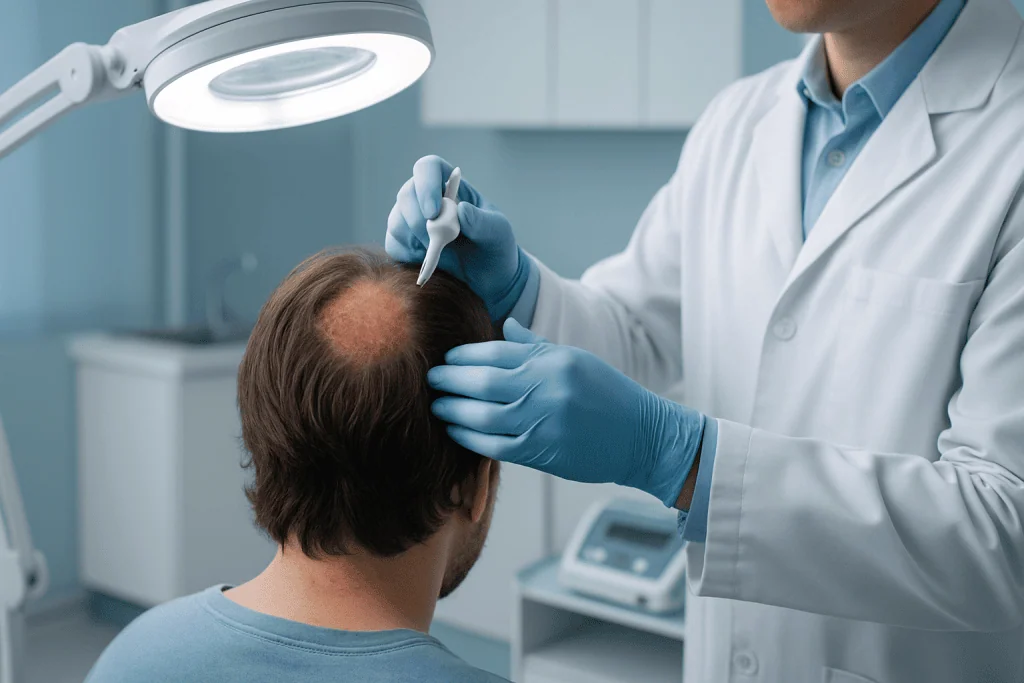
Quick answer
Seborrheic dermatitis is a chronic inflammatory skin condition that causes redness, itching, and flaky scales, most often on the scalp, face, and other oil-rich areas. Treatment focuses on controlling flare-ups and preventing recurrence with dermatologist-led assessment, medicated shampoos or topical anti-inflammatory and antifungal treatments, and skin-care guidance tailored to the affected areas.
Living With Seborrheic Dermatitis: Why the Right Care Matters
Seborrheic dermatitis can feel like a small skin problem until it begins to affect how you feel in public, at work, in photographs, or during daily routines. Redness around the nose, eyebrows, eyelids, ears, beard area, or chest may draw attention. Flaking on the scalp can look like persistent dandruff. Itching may interrupt sleep or lead to scratching that worsens irritation. Many patients also feel frustrated because symptoms improve for a time and then return without warning.
This pattern is common. Seborrheic dermatitis is a chronic inflammatory skin condition, meaning it can be controlled very effectively for many people, but it often requires ongoing management rather than a single permanent cure. The goal of treatment is to calm inflammation, reduce scale and itching, restore comfort and appearance, and help prevent frequent flare-ups. When the diagnosis is clear and the treatment plan is matched to the location and severity of the condition, many patients are able to maintain long periods of good control.
For international patients considering care abroad, the decision often comes with practical and emotional concerns. You may wonder whether your diagnosis is correct, why previous shampoos or creams have stopped working, whether the condition is related to allergy or infection, or whether facial redness could be rosacea, psoriasis, eczema, or another skin disease. You may also need a treatment plan that is realistic for travel, climate changes, work commitments, and long-term follow-up after returning home.
At Acibadem, care for seborrheic dermatitis is built around a detailed dermatologic assessment, evidence-based treatment protocols, and personalized maintenance planning. The condition is not dangerous in most cases, but it can be persistent, visible, and emotionally burdensome. Timely, expert care helps reduce unnecessary trial-and-error treatment and supports better day-to-day control.
What Seborrheic Dermatitis Treatment Is
Seborrheic dermatitis treatment is a medical approach to controlling inflammation and scaling in areas of the skin rich in sebaceous, or oil-producing, glands. These areas commonly include the scalp, hairline, eyebrows, eyelids, sides of the nose, ears, beard and mustache area, upper chest, and sometimes skin folds. In infants, a related form may appear as cradle cap.
The condition is associated with several interacting factors. These may include an inflammatory reaction to naturally occurring yeast on the skin, increased oiliness in certain areas, individual skin barrier sensitivity, genetic tendency, stress, cold or dry weather, hormonal influences, certain neurologic conditions, immune status, and medication effects. It is not a sign of poor hygiene, and it is not considered contagious.
Treatment usually has two phases. The first is flare control, aimed at quickly reducing redness, itching, and scaling. The second is maintenance therapy, which helps prevent recurrence. Because seborrheic dermatitis often behaves differently on the scalp than on the face or body, treatment may include medicated shampoos, antifungal creams or foams, anti-inflammatory topical medications, gentle skin care, and lifestyle guidance. In selected cases, additional testing may be needed to exclude similar conditions.
A well-designed treatment plan also considers skin type, hair type, age, pregnancy status, other medical conditions, medication history, prior treatments, and patient preferences. For example, a person with facial sensitivity may need a different plan than someone with thick scalp scaling. A patient who travels frequently may need a simple maintenance routine that can be followed across different climates.
The purpose is not only to clear visible symptoms but also to help patients understand their triggers and manage the condition confidently over time. This is particularly important because seborrheic dermatitis can be recurrent. Good treatment reduces the frequency and intensity of flares, while avoiding overuse of stronger medications that may irritate the skin or cause unwanted side effects if used incorrectly.
Who May Need Treatment for Seborrheic Dermatitis
Patients may seek treatment when they have persistent dandruff, itching, redness, scaling, or greasy-looking flakes that do not improve with regular cosmetic shampoos or moisturizers. Some patients present with scalp symptoms alone. Others have facial redness and scaling around the eyebrows, eyelids, nose, ears, or beard area. In more extensive cases, seborrheic dermatitis may involve the chest, upper back, underarms, groin folds, or other skin folds.
Typical symptoms include white or yellowish flakes, redness, itching, burning, tightness, and patches that look oily, dry, or irritated. On the scalp, the condition may be mistaken for simple dandruff, psoriasis, contact dermatitis from hair products, or fungal infection. On the face, it can resemble rosacea, eczema, allergic dermatitis, or lupus-related rashes. Around the eyelids, it may contribute to blepharitis, with redness, irritation, crusting, or a gritty sensation near the lashes.
Diagnosis is usually made through a careful dermatologic examination and medical history. The dermatologist evaluates the distribution of the rash, the character of the scale, the duration of symptoms, prior treatments, personal and family history of skin disease, and any associated medical conditions. In many cases, no invasive testing is needed. However, if the appearance is unusual or treatment response is poor, the doctor may recommend additional evaluation such as dermoscopic assessment, microscopic examination of skin scale, fungal testing, allergy evaluation, or rarely a skin biopsy to rule out other diseases.
Patients may benefit from specialist care if symptoms are recurrent, widespread, painful, cosmetically distressing, or not responding to over-the-counter products. Medical evaluation is also important if there is oozing, crusting, hair loss, significant swelling, severe eyelid involvement, or signs of secondary infection. People with weakened immune systems, neurologic diseases, or complex medical histories may need closer assessment because seborrheic dermatitis can be more persistent or severe in these settings.
International patients often request consultation after trying multiple products without a clear diagnosis. A structured evaluation can clarify whether the problem is truly seborrheic dermatitis, whether another condition is present at the same time, and which treatment intensity is appropriate. This reduces the risk of repeated short-term fixes and helps create a practical long-term plan.
Conditions and Indications Addressed by Seborrheic Dermatitis Care
Comprehensive seborrheic dermatitis care addresses the visible skin changes, the underlying inflammation, and the recurrent nature of the condition. It may be appropriate for mild dandruff that does not respond to standard shampoo, moderate scalp dermatitis with thick scale and itching, facial dermatitis with redness and flaking, beard-area dermatitis, ear canal or behind-the-ear irritation, chest involvement, eyelid margin irritation, and recurrent flares triggered by weather, stress, illness, or changes in routine.
In infants, treatment may be recommended for cradle cap when scaling is extensive, persistent, inflamed, or concerning to parents. Infant care is different from adult treatment and must be gentle, age-appropriate, and guided by a clinician when symptoms are severe or widespread.
Seborrheic dermatitis management may also be part of care for patients with overlapping dermatologic conditions. Some individuals have both seborrheic dermatitis and psoriasis, sometimes called sebopsoriasis when features overlap. Others may have acne, rosacea, atopic dermatitis, sensitive skin, or contact allergy that complicates treatment. In these cases, a dermatologist may sequence therapies carefully so that one condition is not worsened while another is treated.
The treatment approach also addresses quality-of-life concerns. Patients often describe embarrassment from visible flakes on clothing, anxiety about facial redness, or frustration with recurring symptoms before important events. While seborrheic dermatitis is usually medically manageable, its effect on confidence and daily comfort is real. Care is therefore focused on both skin improvement and a routine that patients can maintain without unnecessary complexity.
How Seborrheic Dermatitis Treatment Is Performed
Treatment begins with a consultation. The dermatologist reviews where symptoms occur, how long they have been present, whether flares are seasonal, what products have been used, and whether there are triggers such as stress, illness, travel, sweating, new cosmetics, hair dyes, or harsh cleansers. Photographs may be useful for documenting severity, especially when symptoms fluctuate. The physician also reviews general health, medications, allergies, pregnancy or breastfeeding status when relevant, and any history of immune or neurologic conditions.
The skin and scalp examination is detailed but usually straightforward. The physician looks at the pattern of redness and scale, the hairline, scalp density, eyebrows, eyelids, nose folds, ears, beard area, chest, and skin folds as needed. Dermoscopy or magnified skin examination may help distinguish seborrheic dermatitis from psoriasis, fungal infection, or other inflammatory conditions. If there is concern about infection or another diagnosis, samples may be taken for laboratory review. Most patients do not require extensive testing.
Preparation for treatment is simple. Patients are usually advised to bring a list or photos of all shampoos, creams, oils, cosmetics, prescription medications, and supplements they have used. It is helpful not to apply heavy creams or medicated products immediately before the appointment unless instructed, so the dermatologist can see the active condition. International patients may also bring medical records, prior biopsy reports, allergy testing results, and photographs of flares over time.
The treatment plan is then tailored according to location and severity. For scalp involvement, medicated shampoos are often central. These may contain antifungal, anti-inflammatory, keratolytic, or antiseborrheic ingredients. The dermatologist explains how often to use them, how long to leave the shampoo on the scalp before rinsing, and how to rotate or maintain therapy. For thick scale, additional scalp solutions, lotions, foams, or short courses of anti-inflammatory medication may be prescribed to reduce itching and redness.
For facial seborrheic dermatitis, treatment is usually gentler because facial skin is more sensitive. Antifungal creams, gels, or foams may be used to reduce yeast-related inflammation. Short courses of low-potency topical corticosteroids may be appropriate for acute flares in selected areas, but they must be used carefully, especially near the eyes. Non-steroid anti-inflammatory creams may be considered for recurrent facial involvement or sensitive areas where long-term steroid use is not suitable. The physician may also recommend a mild cleanser, non-irritating moisturizer, and sunscreen compatible with sensitive skin.
Eyelid involvement requires particular caution. Patients with scaling near the lashes may need eyelid hygiene measures, gentle cleansing, and carefully selected medications if inflammation is significant. Because the eyelid skin is thin and the eyes are sensitive, treatment should be directed by a physician. When symptoms include eye pain, vision changes, severe redness, or discharge, ophthalmologic assessment may be needed.
For involvement of the chest or skin folds, topical antifungal and anti-inflammatory therapies may be prescribed in forms that suit the area, such as creams, lotions, or gels. The dermatologist may advise clothing choices, sweat management, and avoidance of occlusive or irritating products. If secondary infection is suspected because of oozing, crusting, tenderness, or worsening redness, additional medication may be required.
In more resistant cases, treatment may include short-term oral medication, particularly if disease is extensive or not responding to topical therapy. This is not needed for most patients and is considered based on medical history, potential interactions, and safety. The dermatologist may also revise the diagnosis if symptoms do not behave as expected. Persistent dermatitis despite appropriate therapy can sometimes reveal psoriasis, contact allergy, fungal infection, or another inflammatory disorder.
Technology supports diagnosis and monitoring. Magnified skin evaluation can help assess scale pattern, redness, hair-bearing areas, and signs that point toward another condition. Digital photography may document baseline severity and treatment response. Laboratory testing may be used selectively to evaluate infection, fungal disease, or other concerns. Electronic medical records and coordinated follow-up help international patients continue care after they return home, especially when maintenance therapy needs adjustment.
The appointment itself may take longer when the diagnosis is complex, but treatment does not usually require a procedure or hospital stay. Many patients begin therapy the same day after evaluation. Early improvement in itching and redness may occur within days to weeks, while scaling and recurrence control often require consistent use of the prescribed regimen. Recovery is best understood as control over time rather than a one-time recovery period.
Follow-up is an important part of care. The dermatologist may reassess response after the initial treatment period, reduce stronger medications, and shift to maintenance therapy. This step matters because seborrheic dermatitis often returns when treatment is stopped abruptly. Maintenance may include intermittent medicated shampoo, periodic antifungal cream, trigger avoidance, and a simplified skin-care routine. The plan should be clear enough that patients know what to do during a flare and what to do when the skin is calm.
Why Acting Early Matters and the Risks of Delay
Seborrheic dermatitis is not usually dangerous, but delaying appropriate care can make it harder to control. Repeated scratching can damage the skin barrier, increasing irritation and sometimes allowing secondary infection. Persistent inflammation may lead to burning, tenderness, crusting, or worsening sensitivity. On the scalp, severe scale and scratching can contribute to temporary shedding or breakage, although seborrheic dermatitis itself is not usually a cause of permanent hair loss.
Delay also increases the chance of using unsuitable products. Many patients try harsh anti-dandruff routines, oils, alcohol-based solutions, strong exfoliants, or steroid creams without supervision. Some products may provide short-term relief but worsen irritation or create new problems, especially on the face and eyelids. Long-term or inappropriate use of topical corticosteroids can thin the skin, trigger acne-like eruptions, worsen rosacea, or cause other side effects depending on the area treated.
Early assessment is particularly valuable when the diagnosis is uncertain. Conditions such as psoriasis, allergic contact dermatitis, fungal infection, lupus-related rash, rosacea, and atopic dermatitis can mimic seborrheic dermatitis. If the wrong condition is treated, symptoms may persist or worsen. A dermatologist can identify warning signs, recommend testing when needed, and design a plan that matches the actual cause of symptoms.
Acting early can also reduce the emotional burden. Visible facial redness or flakes on clothing can affect professional interactions and social confidence. Patients often feel relieved when they understand that seborrheic dermatitis is common, manageable, and not a reflection of hygiene. A clear plan helps replace uncertainty with practical steps.
Benefits of Seborrheic Dermatitis Treatment
The main benefits of treatment are symptom control, fewer flares, and a safer long-term routine for sensitive skin and scalp areas.
| Benefit | What It Means for You |
|---|---|
| Reduced redness and scaling | Inflamed patches and visible flakes can improve, helping the skin look calmer and feel more comfortable. |
| Less itching and irritation | Better control of inflammation can reduce scratching, burning, and sleep disruption caused by itch. |
| Clear diagnosis | A dermatologic evaluation helps confirm seborrheic dermatitis and rule out conditions that may require different treatment. |
| Personalized maintenance plan | You learn which medications and skin-care steps to use during flares and how to prevent frequent recurrence. |
| Safer medication use | Medical guidance helps avoid overuse of strong topical steroids or irritating products, especially on the face and eyelids. |
| Improved daily confidence | Better symptom control can reduce the visibility of flakes and redness in professional and social settings. |
Recovery and Control Timeline
Seborrheic dermatitis recovery is usually a gradual process of calming the current flare and then maintaining control with a consistent routine.
| Time Period | What Patients Can Expect |
|---|---|
| Day 1 | After evaluation, many patients begin a prescribed regimen that may include medicated shampoo, topical antifungal therapy, anti-inflammatory medication, and gentle skin-care guidance. |
| First Week | Itching and irritation may begin to ease. Scaling may start to loosen, especially when scalp treatments are used correctly and consistently. |
| First Month | Redness, flaking, and discomfort often improve significantly with adherence to treatment. The dermatologist may adjust medications and reduce flare-control therapies. |
| Longer Term | Maintenance therapy helps prevent recurrence. Some patients need intermittent treatment during seasonal changes, stress, travel, or other triggers. |
Factors That Influence Outcomes and a Good Result
Several factors affect how well seborrheic dermatitis responds to treatment. The first is diagnostic accuracy. When the condition is correctly distinguished from psoriasis, eczema, contact allergy, fungal infection, or rosacea, treatment can be more targeted and effective. If symptoms are atypical or do not improve as expected, reassessment is important.
The second factor is consistency. Medicated shampoos and topical treatments often work best when used exactly as directed. For scalp therapy, contact time matters; rinsing too quickly may reduce effectiveness. For facial therapy, using too much medication or applying it too often can irritate sensitive skin. The plan should be realistic enough that the patient can follow it during work, travel, and daily life.
Severity and location also influence outcomes. Mild scalp dandruff may respond quickly to medicated shampoo. Thick scalp scale, eyelid involvement, beard-area dermatitis, or widespread disease may require a more layered approach. Facial seborrheic dermatitis can be more visible and sensitive, so treatment may need careful adjustment to balance effectiveness with tolerability.
Skin type and hair-care practices matter. Curly, textured, color-treated, or chemically processed hair may require modifications so medicated shampoos do not cause excessive dryness or breakage. Patients who use oils, styling products, cosmetics, sunscreens, or masks may need guidance on which products are less likely to irritate or occlude the skin. Men with beard involvement may need specific instructions for cleansing and applying medication under facial hair.
Overall health can affect control. Seborrheic dermatitis may be more persistent in people with certain neurologic conditions, immune system changes, significant stress, sleep disruption, or other inflammatory skin diseases. In these cases, dermatologic care may need to be coordinated with other medical specialists. Acibadem’s multidisciplinary structure supports this coordination when broader evaluation is appropriate.
Environmental triggers can influence recurrence. Cold weather, dry indoor air, sweating, fatigue, illness, and travel-related changes may provoke flares. Patients who understand their patterns can often act early with a flare plan rather than waiting until symptoms become severe. A good result is not simply clear skin on one day; it is having a dependable strategy for keeping symptoms manageable over time.
Finally, communication with the dermatologist is essential. Patients should report burning, worsening redness, acne-like bumps, eye symptoms, pregnancy, new medications, or lack of improvement. Treatment can usually be adjusted. Seborrheic dermatitis is a dynamic condition, and the best plans are responsive to how the skin behaves in real life.
Why International Patients Choose Acibadem for Seborrheic Dermatitis Care
International patients often come to Acibadem seeking clarity, careful evaluation, and a treatment plan they can continue after returning home. For a chronic skin condition such as seborrheic dermatitis, the quality of the consultation matters. The physician must look beyond a single prescription and understand the patient’s history, previous treatments, lifestyle, skin sensitivity, and expectations.
Acibadem’s dermatology services are supported by JCI-accredited hospitals, modern diagnostic pathways, and access to experienced physicians across specialties. While many cases of seborrheic dermatitis are managed directly by dermatology, some patients need coordinated input from ophthalmology, allergy and immunology, infectious diseases, endocrinology, neurology, or other departments depending on their symptoms and medical background. This multidisciplinary environment is especially useful when a rash is recurrent, atypical, resistant to treatment, or associated with other health concerns.
Care is guided by international and evidence-based treatment protocols, adapted to the individual patient. The plan may include prescription therapy, scalp and facial skin-care recommendations, medication safety instructions, and a maintenance schedule. Patients are also counseled on how to recognize flares, when to restart treatment, and when to seek medical review. This practical education is a key part of long-term control.
Advanced diagnostic tools are used selectively and appropriately. Magnified skin examination can support clinical assessment. Laboratory tests can help rule out fungal infection or secondary infection when the presentation suggests it. Skin biopsy is rarely needed but may be considered if the diagnosis is uncertain. The purpose of technology is to improve accuracy and guide the right level of treatment, not to add unnecessary complexity.
For patients traveling from the United States, Europe, the Middle East, Africa, or other regions, Acibadem International provides dedicated support in more than 20 languages. International patient teams can assist with appointment scheduling, medical record transfer, interpretation, hospital navigation, and coordination of follow-up recommendations. This support helps patients focus on the medical consultation and understand their care plan clearly.
Personalization is particularly important for seborrheic dermatitis because patients vary widely. One person may need a scalp-focused regimen for persistent dandruff. Another may need a gentle facial plan that avoids irritation. A third may need evaluation for overlapping psoriasis or contact allergy. The physician’s role is to identify the pattern, choose treatment that fits the patient’s skin and lifestyle, and create a maintenance plan that is medically sound and practical.
Choosing care abroad for a skin condition may seem like a significant step, but for many patients it is part of a broader search for accurate diagnosis and well-organized medical care. Acibadem’s hospital infrastructure, specialist access, and international patient coordination can be especially valuable when patients want a second opinion, have not improved with previous treatment, or need a clear long-term strategy.
A Thoughtful Next Step Toward Better Skin Control
Seborrheic dermatitis is common, chronic, and often highly manageable with the right approach. If you have recurring dandruff, facial redness, itching, scaling, or irritation that keeps returning despite treatment, a dermatology consultation can help clarify the diagnosis and build a plan suited to your skin, scalp, health history, and daily routine.
Effective care is not only about calming today’s flare. It is about knowing what to use, when to use it, what to avoid, and how to prevent symptoms from repeatedly disrupting your life. For international patients, a structured consultation or second opinion at Acibadem can provide a clear diagnosis, personalized treatment plan, and practical guidance for ongoing management after travel.
If you are considering treatment for seborrheic dermatitis, you may request a consultation or share your medical history and photographs for review. A dermatologist can advise whether your symptoms fit seborrheic dermatitis, whether further evaluation is needed, and which treatment options may be appropriate for you.
This information is general and is not a substitute for professional medical advice, diagnosis, or treatment. Please consult a qualified healthcare professional for recommendations based on your individual condition.
Preparation
- A dermatologist reviews symptoms, medical history, current skin products, and possible triggers. Patients may be asked to stop irritating cosmetics or bring previous prescriptions. Diagnosis is usually clinical, but further testing may be considered if symptoms resemble psoriasis, eczema, or fungal infection.
Aftercare
- Treatment may include medicated shampoos, antifungal creams, anti-inflammatory lotions, or maintenance therapy as prescribed. Patients should use gentle cleansers, avoid harsh products, and follow instructions even after symptoms improve. Follow-up visits help adjust treatment for recurrent flares.
Turkey vs UK, Germany & USA
Costs for seborrheic dermatitis care vary because treatment is usually ongoing and tailored to the affected areas, flare severity, and response to therapy. Comparing countries helps patients understand differences in consultation pathways, follow-up, and travel logistics.
The comparison below focuses on cost and patient-experience factors for international patients seeking assessment and management of seborrheic dermatitis.
| Factor | Turkey | UK | Germany | USA |
|---|---|---|---|---|
| Price drivers | Dermatology consultation, dermoscopy if needed, prescription plan, follow-up, and any additional skin tests | Private consultation and prescriptions drive self-pay costs; public pathways may involve referral steps | Specialist fees, diagnostic tests, pharmacy costs, and insurance status influence total cost | Provider fees, insurance network, prescriptions, and follow-up arrangements strongly affect out-of-pocket cost |
| Hospital and specialist factors | International hospitals may coordinate dermatology visits, pharmacy guidance, and multilingual support | Care may be through public dermatology services or private clinics depending on access preference | Care is often specialist-led with structured diagnostic and treatment protocols | Care may range from dermatology offices to hospital-based clinics, with variable billing models |
| Accreditation and quality | JCI-accredited hospital settings are available, with international patient coordination and documented care pathways | Quality standards depend on public or private provider and regulatory oversight | Quality standards are generally linked to specialist accreditation and hospital or clinic governance | Accreditation, board certification, and insurer networks are important quality and access factors |
| Typical waiting times | International appointment coordination may help arrange timely specialist access | Public referral routes may involve waiting; private care may offer faster access | Access varies by region, insurance route, and specialist availability | Access varies widely by location, provider availability, and insurance approval requirements |
| Travel and language logistics | Travel planning, translation, and international patient support may be bundled into the care journey | Language may be straightforward for English-speaking patients; travel support depends on provider | Interpreter support may be needed for some patients; coordination varies by clinic | Travel distances, appointment scheduling, and insurance administration can affect the patient experience |
| What a package typically includes | Consultation, personalised treatment plan, prescription guidance, follow-up planning, and international coordination when arranged | Consultation and prescriptions are usually arranged separately unless using a private package | Consultation, diagnostics when indicated, prescriptions, and follow-up may be billed separately | Consultation, tests, pharmacy costs, and follow-up are often billed through separate provider systems |
What affects your final cost
- Whether the condition affects the scalp, face, chest, skin folds, or multiple areas
- Severity of redness, itching, scaling, and frequency of flares
- Need for tests to exclude psoriasis, eczema, fungal infection, or other skin conditions
- Type and duration of prescribed shampoos, creams, lotions, or anti-inflammatory treatments
- Follow-up schedule and need for maintenance therapy
- International patient services such as translation, appointment coordination, and travel support
Compare your options
Seborrheic dermatitis management is individualised and may combine flare control with maintenance therapy. Suitability for each option is decided by a dermatology specialist after assessment.
| Option | What it is | Typical use | Key considerations |
|---|---|---|---|
| Medicated shampoos | Shampoos containing antifungal, anti-scaling, or anti-inflammatory ingredients | Commonly used for scalp dandruff, itching, and flaking | Often requires repeated use and maintenance; correct contact time and frequency are important |
| Topical antifungal treatments | Creams, gels, foams, or lotions that target yeast overgrowth associated with seborrheic dermatitis | Used on the face, scalp margins, chest, or other affected areas | May be used during flares or as maintenance depending on specialist advice |
| Topical anti-inflammatory treatments | Prescription creams or lotions that reduce redness, itching, and inflammation | Used for active flares, especially when inflammation is prominent | Some options are intended for limited use; sensitive areas such as the face require careful selection |
| Keratolytic or scale-softening products | Preparations that help loosen thick scale and improve penetration of other treatments | Used when scaling is heavy or persistent, especially on the scalp | May irritate sensitive skin if overused; should be matched to skin tolerance |
| Maintenance skin-care plan | A long-term routine combining gentle cleansing, trigger control, and intermittent medical treatment | Used to reduce recurrence and manage chronic flares | Consistency matters; triggers such as stress, weather changes, and harsh products may need attention |
| Further evaluation or alternative diagnosis review | Clinical reassessment and, when needed, tests to rule out similar conditions | Used when symptoms are atypical, severe, recurrent, or not responding as expected | Psoriasis, eczema, rosacea, contact dermatitis, and fungal infection can mimic or overlap with seborrheic dermatitis |
Trusted care for international patients
General information only — not medical or financial advice. Final costs depend on the factors above and your individual case; request a free, personalised quote.
Diseases This Treats
Frequently Asked Questions
What affects the cost of seborrheic dermatitis treatment?
Cost depends on the areas involved, severity of symptoms, need for diagnostic review, prescription type, follow-up frequency, and whether international patient services such as translation or appointment coordination are included.
Can I get a personalised quote before travelling to Turkey?
Yes. A free consultation can help review your symptoms, photos if appropriate, previous treatments, and expectations so the team can prepare a personalised care plan and quote.
Is seborrheic dermatitis treatment usually a one-time cost?
Seborrheic dermatitis is usually chronic and may flare again. Costs can include initial assessment, flare treatment, maintenance products, and follow-up rather than a single treatment only.
Will tests be included in the quote?
This depends on your case. If the dermatologist needs to exclude similar conditions or assess persistent symptoms, recommended tests may be added to the treatment plan and explained before proceeding.
Do packages include medications and follow-up?
Packages vary by provider and clinical need. A clear quote should state what is included, such as consultation, treatment planning, prescription guidance, follow-up arrangements, and international patient support.