How to Make Your Hair Grow Faster? Causes, Explanations, and Next Steps

Hair grows in cycles, so it usually cannot be dramatically sped up in a short time. The most effective approach is reducing breakage and identifying causes of slow growth or shedding.
Key Takeaways
- Hair grows in cycles, so it usually cannot be dramatically sped up in a short time.
- The most effective approach is reducing breakage and identifying causes of slow growth or shedding.
- Red flags include sudden hair loss, bald patches, scalp inflammation, or hair thinning with other symptoms such as fatigue or menstrual changes.
- Doctors may review medical history, examine the scalp, and order blood tests to look for treatable causes.
- Evidence-based treatment depends on the cause and may include scalp care, nutrition support, and medical treatment when needed.
For most people, the best answer to how to make your hair grow faster is to support normal growth rather than try to force it. Healthy hair habits, good nutrition, and treatment of problems such as shedding, scalp disease, or hormone imbalance can help hair reach its natural growth potential.
Overview: What Really Helps Hair Grow Faster?
For many people, concern about slow hair growth is harmless and relates more to breakage, styling damage, or the natural pace of the hair cycle than to disease. Hair usually grows steadily but slowly, and it is normal for visible length changes to take time.
The most reliable way to help hair grow faster is not to force growth, but to create the best conditions for healthy growth. That means protecting the hair shaft, caring for the scalp, eating a balanced diet, and checking for common medical causes if the hair seems to be thinning, shedding more than usual, or not recovering after stress or illness.
Medical review is especially important if there are warning signs such as sudden shedding, patchy loss, scalp pain, redness, scaling, or hair thinning together with symptoms like fatigue, weight change, acne, or irregular periods. In those situations, a doctor will usually ask about the timeline, hair care habits, medications, family history, and general health before examining the scalp and, when needed, arranging blood tests or other assessments.
How Hair Growth Works
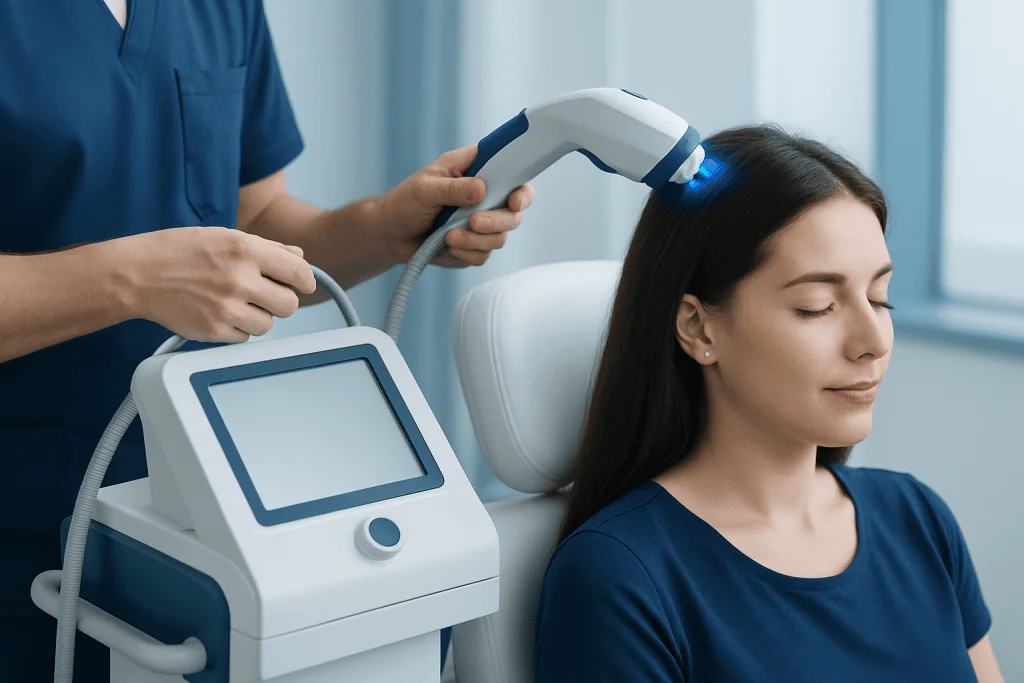
Hair grows from follicles in the scalp in repeating cycles. During the growth phase, called anagen, a hair continues to lengthen. This is followed by a short transition phase and then a resting phase, after which the hair sheds and a new cycle begins. Because each follicle works on its own schedule, some daily shedding is normal.
This cycle explains why hair cannot usually be made to grow dramatically faster in a few days or weeks. Products or routines may improve the appearance of fullness, shine, and strength, but true growth still follows biology. In many cases, what seems like slow growth is actually frequent breakage from heat styling, chemical processing, tight hairstyles, or rough handling.
Growth can also appear to stall after illness, childbirth, major emotional stress, rapid weight loss, or nutritional deficiency. These factors may push more hairs into the shedding phase at the same time. The good news is that many of these changes are temporary once the trigger is corrected and the follicles return to a normal cycle.
Common Reasons Hair Seems Not to Grow

There are several common explanations when a person feels their hair is not growing. One is breakage: the roots may produce new hair at a normal rate, but the ends snap off before extra length becomes visible. Another is increased shedding, where more hairs than usual enter the resting phase and fall out over a period of weeks or months.
Scalp conditions can also interfere with healthy growth. Dandruff, inflammatory skin disease, fungal infection, or buildup from heavy products may affect scalp comfort and follicle health. In some people, a medical cause such as iron deficiency, thyroid disease, hormonal imbalance, or certain medications contributes to thinning or slow recovery.
Genetics also matter. Some people naturally have a shorter growth phase, finer strands, or a pattern of hair thinning that becomes more noticeable over time. Hair loss is not always permanent, but understanding the cause is important because treatment works best when it is matched to the underlying problem.
- Breakage from heat, bleach, coloring, or friction
- Tight hairstyles that pull on the roots
- Low iron or other nutritional deficiencies
- Thyroid disorders or hormone changes
- Stress-related shedding after illness, surgery, or childbirth
- Inherited pattern thinning
What Can Support Faster, Healthier Hair Growth?
The safest evidence-based goal is to support healthy growth and reduce anything that interrupts it. Gentle scalp hygiene, regular washing based on hair type, and treatment of dandruff or inflammation can help maintain a healthier environment for follicles. A scalp that is itchy, flaky, painful, or very oily may need medical attention rather than repeated cosmetic product changes.
Hair strands themselves need protection. Limiting frequent heat styling, harsh chemical treatments, and tight braids or ponytails can reduce breakage. Using a conditioner, detangling carefully, and trimming damaged ends when needed may help hair retain length better over time. This does not make follicles grow faster directly, but it often makes growth more visible.
Nutrition is also important. Hair follicles are active tissues and depend on enough protein, iron, zinc, vitamin D, and other nutrients. A balanced eating pattern is usually more helpful than high-dose supplements taken without a proven deficiency. If a deficiency is suspected, a doctor may recommend testing before treatment.
Some people ask about medicines or procedures for thinning hair. These may be appropriate when there is clear hair loss rather than simply slow length gain. Depending on the cause, a dermatologist may discuss options such as hair transplant in selected cases of stable hair loss, or structured medical therapy before procedural treatment is considered.
Signs That Warrant Medical Review
Most gradual concerns about hair length are not urgent, but certain symptoms should be assessed by a doctor. Sudden shedding, widening part lines, patchy bald spots, broken hairs near the scalp, or scalp redness and pain may point to a medical or inflammatory condition that should not be ignored.
It is also wise to seek care if hair changes happen alongside other symptoms. These can include fatigue, dizziness, weight change, cold intolerance, heavy menstrual bleeding, acne, increased facial hair, or major emotional stress. Such clues may suggest iron deficiency, thyroid disease, hormonal imbalance, or another systemic cause.
Children and adolescents with noticeable hair loss should also be evaluated promptly, especially if there is scaling, itching, or patchy loss. Early diagnosis can help protect follicles and improve the chance of recovery. If there is concern about scarring, infection, or traction damage from hairstyles, a specialist review is especially helpful.
How Doctors Diagnose Slow Hair Growth or Hair Loss
Diagnosis usually starts with a detailed history. The doctor may ask when the problem began, whether there is increased shedding, what hair products and styling methods are used, whether there has been illness or weight loss, and whether there is a family history of thinning. They will also review medications and symptoms that might point to a nutritional, hormonal, or autoimmune cause.
A scalp and hair examination is the next step. This may include checking the distribution of thinning, looking for inflammation or scaling, assessing hair shaft breakage, and gently testing whether hairs are shedding easily. In some cases, dermoscopy or close inspection of follicles helps distinguish between common non-scarring loss and conditions that may need more urgent treatment.
Blood tests are often used when the history suggests a medical cause. These may include tests for iron status, thyroid function, vitamin deficiencies, or hormones, depending on the person and symptoms. If the diagnosis is uncertain, or if patchy or inflammatory loss is present, referral to a dermatologist may be recommended to evaluate conditions such as alopecia.
Once the cause is identified, the treatment plan becomes much clearer. This is why repeated trial-and-error with cosmetics alone may be frustrating when an underlying health issue is the real reason for slow growth or shedding.
Treatment Options and Next Steps
Treatment depends on the cause. If breakage is the main issue, care focuses on gentler styling, reducing heat and chemical exposure, and improving hair shaft protection. If shedding follows illness, stress, or childbirth, reassurance and monitoring may be enough while the growth cycle resets, although a doctor may still check for overlapping deficiencies.
When medical causes are found, treating the underlying condition is the priority. That may mean correcting iron deficiency, managing thyroid disease, adjusting a medication with a doctor, or addressing hormonal imbalance. For scalp disease, targeted treatment can reduce inflammation and support healthier regrowth.
For ongoing or patterned thinning, a dermatologist may discuss evidence-based hair loss therapies. In selected patients, medical treatments may help preserve follicles, and some may later be evaluated for hair transplantation if loss is stable and appropriate for a procedure. The best outcomes usually come from early assessment rather than waiting until thinning becomes advanced.
Near the end of the care pathway, specialist centers can be useful for people who need coordinated assessment. Acibadem International’s multidisciplinary specialists and JCI-accredited hospitals diagnose and treat hair and scalp conditions for international patients, including evaluation for medical therapy and dermatology care when appropriate.
Prevention and Everyday Self-care
Daily habits can make a meaningful difference over time. Gentle washing, careful drying, a balanced diet, stress management, and avoiding repeated traction on the hair are practical steps that support retention of length. Sleep, general health, and chronic disease management also matter because hair often reflects the body’s overall state.
It is usually best to be cautious with heavily marketed supplements and oils that promise dramatic results. Some may be harmless, but others can irritate the scalp or create false expectations. A product is more likely to help if it addresses a real need, such as scalp dryness or fragility, rather than making broad claims about rapid growth.
A simple routine is often enough for people without a medical problem. If hair is naturally curly, coily, or textured, reducing friction and maintaining moisture may be especially important because these hair types can be more prone to breakage. Consistency matters more than frequent product changes.
- Use heat tools less often and on lower settings when possible
- Avoid very tight hairstyles that pull on the scalp
- Eat regular meals with enough protein and iron-rich foods
- Treat dandruff, itching, or scalp rash instead of covering it up
- See a doctor if shedding is sudden, persistent, or patchy
Frequently asked questions
Can hair really grow faster?
Hair usually cannot be made to grow much faster than its natural rate. The most effective approach is to support normal growth by reducing breakage, keeping the scalp healthy, and treating any underlying medical cause.
Why does my hair seem to stop growing at a certain length?
Often the hair is still growing at the roots, but the ends are breaking off, so extra length is not noticeable. Heat styling, chemical processing, friction, and tight hairstyles are common reasons for this.
What foods help support hair growth?
A balanced diet with enough protein, iron, zinc, vitamin D, and other nutrients helps support healthy follicles. Food is usually preferred over supplements unless a doctor confirms a deficiency.
When should someone worry about slow hair growth or shedding?
Medical advice is recommended if hair loss is sudden, patchy, painful, or associated with scalp redness, scaling, or other symptoms such as fatigue or menstrual changes. These signs can point to a treatable condition that needs assessment.
Do scalp massages or oils make hair grow faster?
Some people find scalp massage relaxing, and gentle massage may improve comfort or help with routine scalp care. However, oils and massage do not reliably create dramatic hair growth, and some products can irritate sensitive scalps.
How do doctors check the cause of slow hair growth?
Doctors usually start with a history and scalp examination. If needed, they may order blood tests for iron, thyroid function, vitamin levels, or hormones, and sometimes refer the person to a dermatologist for closer evaluation.
References
- American Academy of Dermatology
- National Institute of Arthritis and Musculoskeletal and Skin Diseases
- Mayo Clinic
- British Association of Dermatologists
- National Health Service
This article is for general information only and is not a substitute for professional medical advice. Please consult a qualified doctor about your individual situation.
Hair transplant in Turkey — costs, graft counts & a free assessment
JCI-accredited · board-certified surgeons · reply within 24h
Add us as a Preferred Source to see more of our trusted health content across Google Search, AI Overviews and Discover.