When Do Babies Start Smiling? Here Is What the Evidence Says
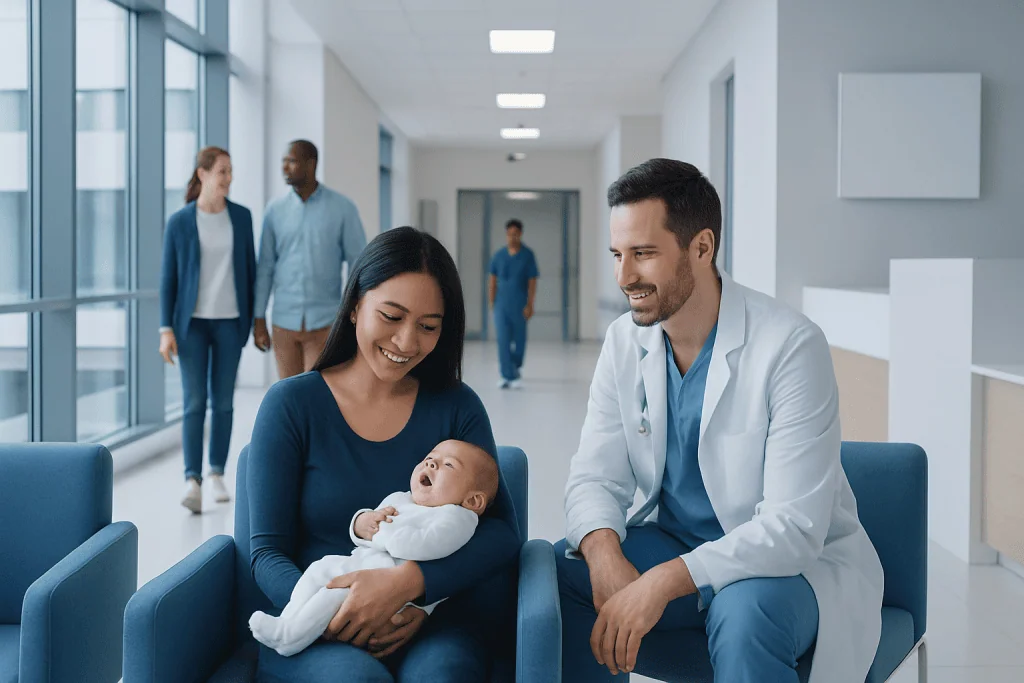
Reflex smiles can appear in the newborn period, but social smiles usually begin around 6 to 8 weeks. There is a normal range, and a baby who smiles a bit later may still be developing typically.
Key Takeaways
- Reflex smiles can appear in the newborn period, but social smiles usually begin around 6 to 8 weeks.
- There is a normal range, and a baby who smiles a bit later may still be developing typically.
- Doctors look at the whole developmental picture, not smiling alone.
- Lack of smiling with poor eye contact, feeding problems, hearing concerns, or delayed milestones deserves medical review.
- Talking, face-to-face interaction, and responsive caregiving help support early social development.
Most babies begin to show a true social smile at about 6 to 8 weeks of age, although some smile a little earlier or later and are still developing normally. In many cases, variation is harmless, but a doctor should review delayed smiling if it comes with other developmental, feeding, hearing, or vision concerns.
Overview: what the evidence says about a baby’s first smile
Parents often ask, when do babies start smiling? In most cases, babies begin showing a true social smile at around 6 to 8 weeks of age. Some may smile a little earlier, and others a little later, so timing alone does not usually mean there is a problem.
It helps to know that not every early smile means the same thing. Newborns can make brief smiling expressions in sleep or after feeding during the first days and weeks. These are often called reflex smiles and are not yet a response to another person in the same way as a social smile.
A social smile is different because it happens during alert, awake interaction. A baby may look at a parent’s face, hear a familiar voice, and then smile back. This is one of the earliest signs of social engagement and developing communication.
For most healthy babies, a smile that appears within the first two months is simply part of normal variation. The more important question is whether the baby is also becoming more alert, making eye contact, responding to voices, and gradually reaching other early milestones.
Reflex smiles versus social smiles
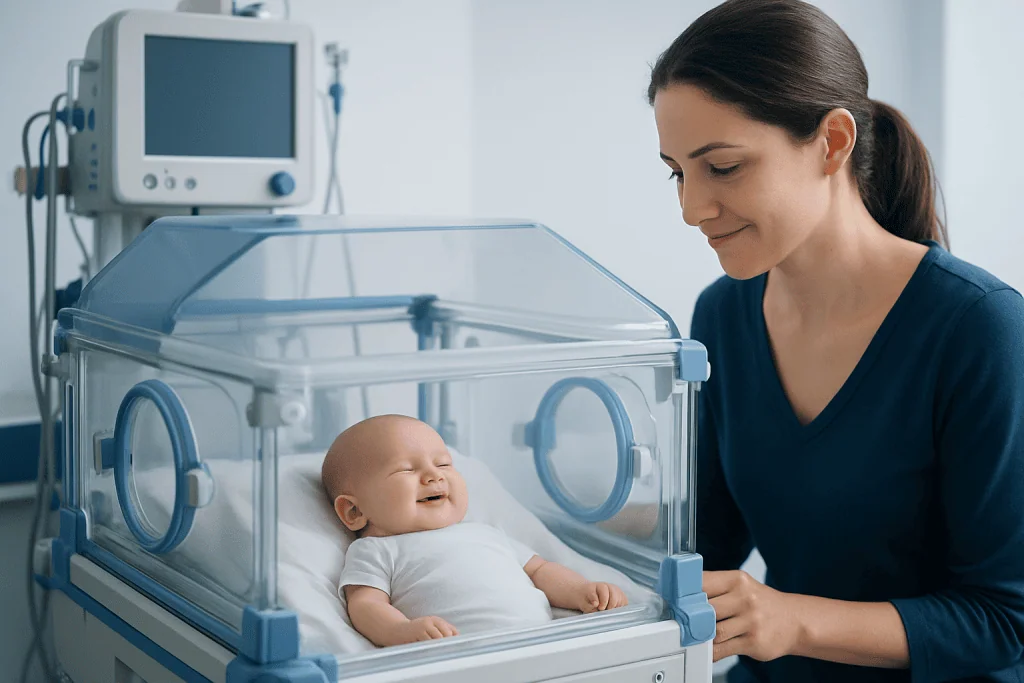
During the newborn period, parents may notice smiles while the baby is sleeping, drowsy, or passing gas. These expressions are common and usually reflect immature nervous system patterns rather than intentional social behavior. They can be charming, but they are not the same as the milestone most doctors mean when discussing smiling.
A social smile usually appears when a baby is awake, calm, and looking at a person. It is often triggered by a familiar face, a soft voice, gentle play, or close face-to-face contact. Over time, the smile becomes easier to recognize because it happens repeatedly in response to interaction.
This distinction matters because early development is not judged by one facial expression alone. Doctors also look for whether the baby tracks faces, settles to familiar voices, and shows increasing interest in people. Smiling is part of a larger pattern of communication development.
By around 2 months, many babies not only smile socially but also begin to coo and show more expressive facial movements. These changes often grow together, which is why smiling is best understood in the context of overall development.
What is considered normal timing?
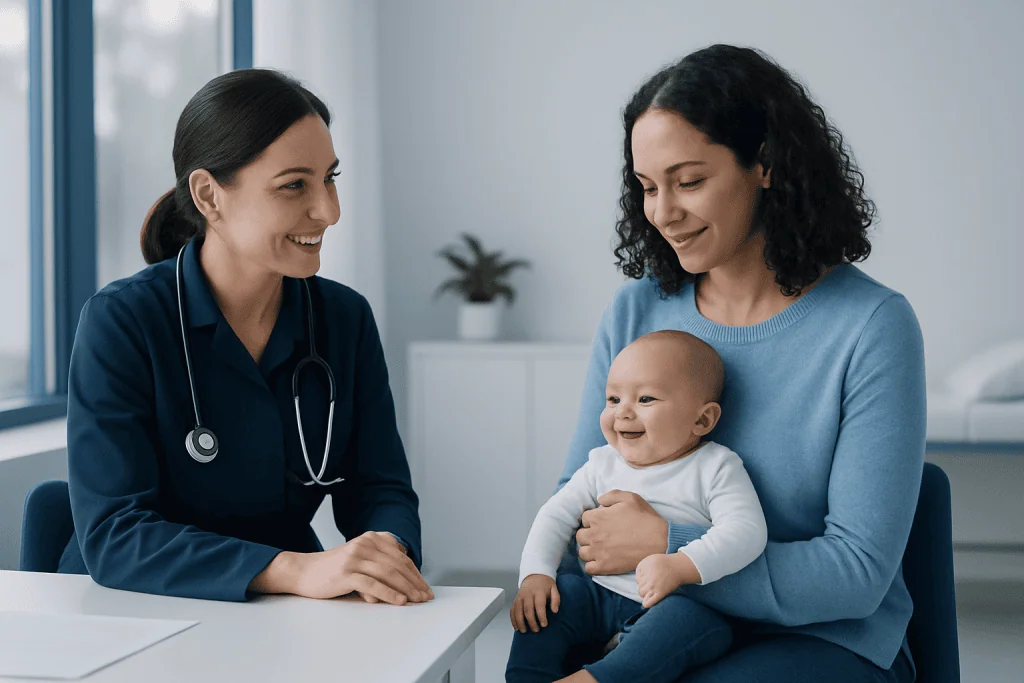
For many babies, social smiling starts around 6 weeks and becomes more consistent by 8 weeks. That said, normal development happens across a range. A baby born a little early, one who is more sleepy by temperament, or one who is still adjusting after birth may take a bit longer to show a clear social smile.
Premature babies are often assessed using corrected age rather than the date they were born. For example, if a baby arrived several weeks early, milestone timing may be judged from the due date instead. This can prevent unnecessary worry and gives a more accurate picture of development.
Daily circumstances also affect when smiles are seen. A hungry, overtired, or uncomfortable baby may be less likely to smile even if development is on track. Babies are often most socially responsive when they are calm, fed, and quietly alert.
If a baby is smiling by about 2 months and also making eye contact and responding to caregivers, this is usually reassuring. If smiling has not appeared by around 3 months, especially together with other concerns, it is reasonable to ask a pediatrician for guidance.
Why some babies smile later
Late smiling is often harmless, especially when the baby is otherwise growing, feeding, and interacting well. Some infants simply have a more reserved temperament or take longer to show easily recognizable facial expressions. Variation in wakefulness, sleep patterns, and opportunities for face-to-face interaction can also play a part.
Sometimes delayed smiling is related to something simple and treatable, such as poor vision, reduced hearing, reflux discomfort, or an illness that affects alertness. In other cases, the doctor may consider whether there are broader developmental differences, especially if delayed smiling occurs with limited eye contact, weak response to sound, unusual muscle tone, or delayed motor skills.
Doctors do not usually diagnose a condition based on smiling alone. Instead, they consider the full developmental picture and whether the baby is reaching other expected milestones. If there are concerns about social communication or overall development, specialists may evaluate for conditions such as autism or other neurodevelopmental differences, although this is not typically determined in very young newborns based on one sign.
Parents should remember that many babies who smile later are still completely healthy. A delayed smile becomes more important when it is persistent and accompanied by other concerns, not as an isolated finding.
How parents can encourage smiling and early social connection
Babies do not need special training to smile, but warm, responsive interaction helps early social development. Holding the baby close, making eye contact, and speaking in a calm, expressive voice can encourage attention and engagement. Repetition matters, because young infants learn through many short, familiar interactions.
Simple routines are often the most effective. Parents can smile during diaper changes, sing during feeding, or gently copy the baby’s sounds and facial expressions. These back-and-forth moments support bonding and help the baby connect faces, voices, and emotions.
Good conditions make social smiling easier to notice. A baby is more likely to engage when rested, comfortable, and not overstimulated. Bright lights, noise, hunger, and overtiredness can all reduce responsiveness for a time.
Helpful ways to support early interaction include:
- Talking face-to-face during quiet alert periods
- Smiling and waiting for the baby to respond
- Using gentle songs, cooing, and soft play
- Giving tummy time when the baby is awake and supervised
- Attending routine well-baby visits to monitor development
When to seek medical care
In many cases, a baby who has not smiled yet is still within the normal range, especially before 2 months of age. However, parents should seek medical advice if the baby is not showing a social smile by around 3 months, or sooner if there are other concerns. Medical review is especially important when delayed smiling comes with poor eye contact, no response to familiar voices, feeding difficulty, poor weight gain, unusual stiffness or floppiness, or very low alertness.
Other reasons to seek care include suspected hearing or vision problems, frequent vomiting with distress, breathing difficulty, seizures, or regression of skills the baby had previously shown. If a child seems ill, very sleepy, or difficult to wake, urgent medical attention is needed. A smile is only one developmental sign, and parents should trust their instincts if something feels unusual.
A doctor will usually begin with a detailed history and physical examination. They may ask about pregnancy and birth history, feeding, sleep, hearing responses, eye contact, movement, growth, and the timing of other milestones. Depending on the findings, the baby may be referred for developmental assessment, hearing tests, eye evaluation, or other specialist review.
If there are signs of broader developmental delay, a pediatrician may suggest follow-up with child development experts or pediatric rehabilitation services to support early skills. If concern centers on hearing or vision, targeted testing and treatment can be arranged promptly.
How doctors evaluate delayed smiling
The medical approach is usually careful and stepwise rather than alarming. First, the clinician confirms the baby’s age, including corrected age for prematurity, and clarifies what parents mean by “not smiling.” Sometimes a baby is already showing subtle social smiles that are brief or easy to miss.
The examination focuses on growth, muscle tone, alertness, face tracking, reaction to sound, and overall interaction. Doctors also review whether the baby is cooing, calming to caregivers, and progressing with feeding and movement. This broad view helps separate normal variation from a possible medical or developmental issue.
When needed, tests are chosen based on symptoms rather than ordered routinely for every baby. For example, a formal hearing evaluation may be useful if the baby does not startle to sound or did not pass newborn screening. Concerns about eye contact or tracking may lead to specialist assessment, while reflux, feeding problems, or neurologic signs are assessed in a targeted way.
Some families may be guided toward a pediatric neurology review if there are concerns about tone, movement, or development, including evaluation for disorders linked to the nervous system. In international settings, Acibadem International’s multidisciplinary specialists and JCI-accredited hospitals evaluate infants with developmental concerns and coordinate treatment when needed.
Treatment and follow-up if there is an underlying issue
If delayed smiling is part of a larger issue, treatment depends on the cause. For some babies, the answer is simple reassurance and close follow-up. For others, support may focus on feeding difficulties, hearing or vision care, reflux management, or early developmental therapies.
When doctors identify a communication or developmental concern, early support can be helpful even before a final diagnosis is made. This may include parent-guided interaction strategies, developmental therapy, or structured follow-up visits to monitor progress. If there are associated movement or tone concerns, some infants benefit from assessment in programs linked to physical therapy and rehabilitation.
If hearing is reduced, timely treatment matters because babies learn social communication through sound as well as sight. Similarly, if a vision problem limits eye contact, appropriate eye care may improve engagement. The goal is not just to address smiling, but to support healthy social, emotional, and sensory development overall.
Parents should keep in mind that one delayed milestone does not predict the future by itself. With proper follow-up, many babies either catch up naturally or receive early support that helps them thrive.
Frequently asked questions
When do babies start smiling socially?
Most babies begin to show a true social smile at around 6 to 8 weeks of age. A social smile happens when the baby is awake and responds to a face, voice, or interaction. Some healthy babies may start a little earlier or later.
Is it normal for a newborn to smile in their sleep?
Yes. Newborns often make smiling expressions while sleeping or drowsy, and these are usually reflex smiles rather than social smiles. They are common in the early weeks and do not mean the baby is intentionally smiling at someone yet.
Should parents worry if a baby is not smiling at 2 months?
Not always. Some babies reach this milestone closer to 8 weeks or slightly later, especially if they were born early. A doctor should review the baby if there is still no social smile by around 3 months or if there are other concerns such as poor eye contact or feeding problems.
What are the red flags that delayed smiling may need medical review?
Medical advice is important if delayed smiling occurs with poor eye contact, no response to sound, weak feeding, poor growth, unusual stiffness or floppiness, or loss of previously gained skills. Parents should also seek care if the baby seems unusually sleepy, unwell, or difficult to wake.
Can premature babies smile later than full-term babies?
Yes. Premature babies are often assessed using corrected age, which is based on their due date rather than their birth date. This means smiling and other milestones may appear later on the calendar but still be normal for their developmental age.
How can parents encourage a baby to smile?
Face-to-face time, eye contact, talking, singing, and gentle play all help support social interaction. Babies are most responsive when they are calm, rested, and comfortable. Frequent, warm, responsive contact is more helpful than overstimulation.
References
- American Academy of Pediatrics
- Centers for Disease Control and Prevention
- National Institute of Child Health and Human Development
- World Health Organization
This article is for general information only and is not a substitute for professional medical advice. Please consult a qualified doctor about your individual situation.
Explore treatments in Turkey — costs, top hospitals & a free quote
JCI-accredited · board-certified surgeons · reply within 24h
Add us as a Preferred Source to see more of our trusted health content across Google Search, AI Overviews and Discover.
Check your numbers in seconds
BMI, calories, due date, blood pressure and 30+ more clinical calculators — free, instant, doctor-reviewed ranges.