Blackhead Remover: An Evidence-Based Guide for Patients

Blackheads are open clogged pores, not dirt trapped in the skin. The best blackhead remover approach usually combines gentle skin care with ingredients such as salicylic acid or retinoids.
Key Takeaways
- Blackheads are open clogged pores, not dirt trapped in the skin.
- The best blackhead remover approach usually combines gentle skin care with ingredients such as salicylic acid or retinoids.
- Squeezing, picking, and abrasive scrubs can worsen irritation, infection risk, and post-inflammatory marks.
- Persistent or widespread blackheads may be part of acne and can benefit from dermatologist-guided treatment.
- Medical care is appropriate if lesions are inflamed, painful, scarring, or not improving with routine care.
A blackhead remover is safest and most effective when it helps clear clogged pores without squeezing or damaging the skin. For many people, gentle cleansing, salicylic acid, retinoids, and professional extraction work better than harsh DIY tools or aggressive scrubbing.
What a blackhead remover really is
A blackhead remover is not one single product. It is any safe method used to loosen and remove the material blocking a pore while also helping prevent the blockage from returning. In practice, this usually means skin-care ingredients such as salicylic acid, adapalene, or other retinoids, along with gentle cleansing and, in some cases, professional extraction.
Blackheads, also called open comedones, form when oil, dead skin cells, and skin debris collect inside a hair follicle. The dark color is not dirt. It happens because the material in the pore is exposed to air and oxidizes. This is why scrubbing harder does not usually solve the problem and may irritate the skin instead.
Many people search for a quick blackhead remover tool, strip, or home hack. Some of these can give temporary cosmetic improvement, but they often do not address why blackheads form in the first place. A patient-friendly, evidence-based approach focuses on protecting the skin barrier, using proven ingredients, and seeking professional help when clogged pores are stubborn or widespread.
How to recognize blackheads
Blackheads look like small dark spots or plugs on the skin surface. They are most common on the nose, chin, forehead, and sometimes the chest, shoulders, or back. Unlike inflamed pimples, blackheads are usually not painful, red, or swollen unless the surrounding skin becomes irritated.
They may appear alongside other forms of acne, including whiteheads, papules, and pustules. When blackheads are numerous, recurring, or mixed with inflamed lesions, the issue may be broader acne rather than a few isolated clogged pores. In that situation, treatment aimed only at visible plugs may not be enough, and care for acne as a whole may be more helpful.
Some enlarged pores or sebaceous filaments can be mistaken for blackheads. Sebaceous filaments are normal, tiny collections of oil lining the pores, especially on the nose. They can become more visible in oily skin but are not the same as true blackheads and usually return even after removal.
Why blackheads happen and what makes them worse

Blackheads develop when pores become blocked by excess sebum and shed skin cells. Oily skin, hormonal changes, and skin-care products that are too heavy for the skin type can all contribute. The tendency to get clogged pores also varies from person to person and can run in families.
Friction and occlusion may worsen blackheads in some people. Makeup, sunscreen, hair products, or moisturizers that are not labeled non-comedogenic can contribute to congestion, especially around the forehead, nose, and jawline. Sweating itself does not cause blackheads, but trapped oil and residue on the skin after exercise may make clogged pores more likely.
Over-cleansing is another common problem. Washing too often, using rough exfoliants, or applying strong products all at once can disrupt the skin barrier. When skin becomes irritated, it may feel dry and tight while still producing oil, which can make the cycle of congestion continue.
Which blackhead remover methods are most effective
The best-supported blackhead remover options are chemical exfoliants and retinoids. Salicylic acid is especially useful because it is oil-soluble and can enter the pore to help dissolve the buildup. Retinoids, including adapalene and prescription options, help normalize skin-cell turnover so pores are less likely to clog again. Improvement usually takes several weeks, not just one use.
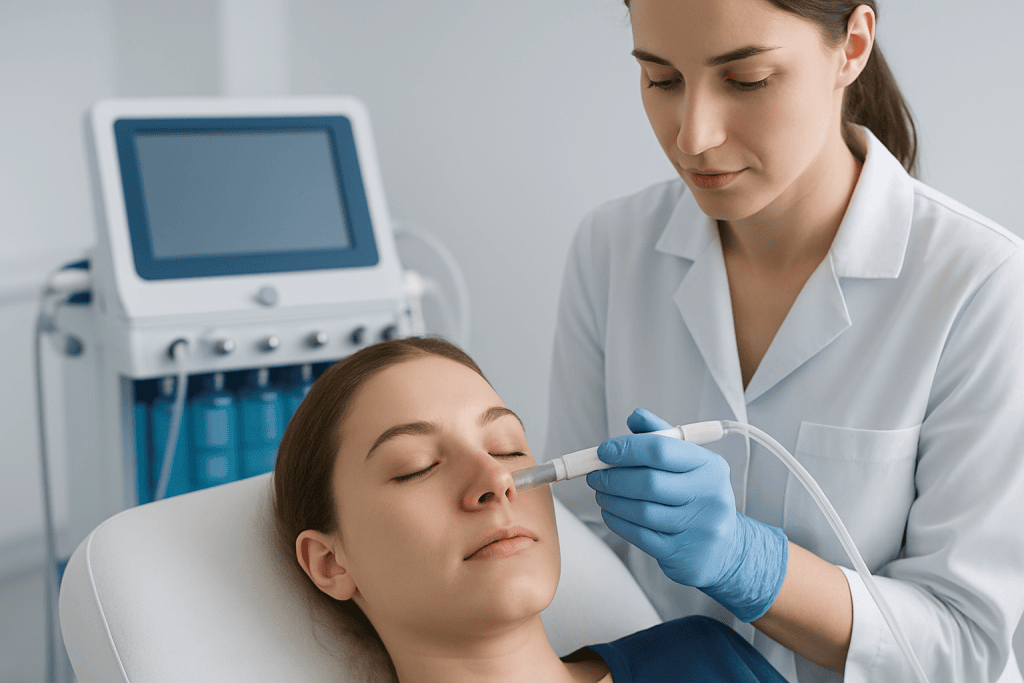
Professional extraction can also help when done correctly. During dermatology care, a trained clinician may remove selected blackheads using sterile technique and appropriate pressure. This can provide quick cosmetic improvement, but results last longer when paired with a preventive routine rather than repeated squeezing.
Pore strips can remove surface material temporarily, especially from the nose, but they do not treat the underlying cause. Comedone extractors bought for home use may injure the skin if they are pressed too hard or used on the wrong type of lesion. Needle-based tools, aggressive scraping, toothpaste, lemon juice, and baking soda are not recommended because they commonly irritate the skin and may lead to discoloration or scarring.
- Helpful options: salicylic acid cleansers or leave-on products, adapalene, non-comedogenic moisturizer, sunscreen, and professional extraction when needed
- Use caution with: pore strips and over-the-counter extraction tools
- Avoid: picking, squeezing, harsh scrubs, and unproven DIY remedies
A practical skin-care plan for blackheads
A simple, consistent routine is usually more effective than trying many products at once. Most people do well with a gentle cleanser twice daily, followed by a light moisturizer and daily sunscreen. A salicylic acid product can be introduced slowly, especially if the skin is sensitive. If blackheads are persistent, adapalene at night may be useful, but it should be started gradually to reduce dryness and irritation.
Non-comedogenic makeup and skin-care products are preferred. Makeup should be removed gently, and it is best not to sleep in it. Heavy oils or pomades near the hairline can worsen forehead blackheads. People who shave should use techniques that minimize friction and irritation, since inflamed follicles can complicate the picture.
If self-care is not enough, a doctor may recommend a broader acne plan. This can include stronger topical retinoids, combination medicines, or evaluation for other contributing factors. In selected cases where lesions are extensive or recurring, acne treatment may be more effective than relying on a single blackhead remover product.
When to seek medical care
Medical advice is a good idea if blackheads are widespread, keep returning despite regular care, or occur together with painful pimples, redness, or cyst-like lumps. A clinician can confirm whether the problem is simple comedonal acne, another skin condition, or irritation from products or habits. This matters because treatment differs depending on the cause.
Prompt care is also important if there is scarring, dark marks after spots heal, or signs of infection such as increasing tenderness, warmth, swelling, or drainage. People with very sensitive skin, eczema, rosacea, or a history of strong reactions to skin products may need a tailored approach.
Assessment by a specialist may be especially helpful when over-the-counter options have failed after several weeks of correct use. In some settings, doctors may combine prescription skin care with procedures such as chemical peel treatment to improve comedones and overall skin texture, depending on skin type and tolerance.
Prevention, expectations, and getting the right support
Prevention focuses on keeping pores clear while protecting the skin barrier. Gentle daily cleansing, non-comedogenic products, regular sunscreen use, and avoiding picking are the most useful habits. It also helps to introduce one active product at a time so the skin can adjust and any irritation can be recognized early.
Patience is important. Blackheads often improve gradually over six to twelve weeks with consistent care. Because the skin keeps producing oil and shedding cells, maintenance is usually needed even after the pores look clearer. This does not mean treatment has failed; it means prevention is part of long-term skin care.
If professional evaluation is needed, dermatology specialists can help identify the safest blackhead remover strategy for a person’s skin type and any associated acne. Acibadem International’s multidisciplinary specialists and JCI-accredited hospitals evaluate and treat skin concerns for international patients, with care plans based on clinical assessment rather than quick fixes.
Frequently asked questions
What is the safest blackhead remover?
The safest blackhead remover is usually a gentle, evidence-based approach rather than squeezing. Salicylic acid, adapalene, and professional extraction by a trained clinician are commonly safer and more effective than aggressive tools or DIY remedies.
Do pore strips remove blackheads permanently?
No. Pore strips can remove some surface material temporarily, but they do not stop pores from becoming clogged again. Blackheads often return unless the underlying causes are managed with regular skin care.
Is it okay to squeeze blackheads at home?
It is generally better not to squeeze blackheads at home. Picking or pressing can injure the skin, cause inflammation, spread bacteria, and increase the chance of marks or scarring.
How long does it take for blackhead treatment to work?
Most effective treatments need time. With regular use, salicylic acid or retinoids often start to show improvement over several weeks, and fuller results may take six to twelve weeks.
Why do blackheads keep coming back?
Blackheads return because the skin naturally continues to make oil and shed cells. If a person is prone to clogged pores, maintenance skin care is usually needed even after the skin looks clearer.
Can moisturizer make blackheads worse?
A heavy or pore-clogging product can worsen congestion in some people. However, a light non-comedogenic moisturizer is often helpful because it supports the skin barrier and may reduce irritation from active treatments.
References
- American Academy of Dermatology
- National Institute of Arthritis and Musculoskeletal and Skin Diseases
- Mayo Clinic
- National Health Service
- Dermatologic Therapy
This article is for general information only and is not a substitute for professional medical advice. Please consult a qualified doctor about your individual situation.
Explore treatments in Turkey — costs, top hospitals & a free quote
JCI-accredited · board-certified surgeons · reply within 24h
Add us as a Preferred Source to see more of our trusted health content across Google Search, AI Overviews and Discover.

More from the Health Library

Multitask: What Patients Need to Know

Ablation — Explained by Medical Evidence, Not Myths

Nad Injections: A Complete Medical Overview

Fear of the Unknown — Explained by Medical Evidence, Not Myths

Ataxia Telangiectasia: A Complete Medical Overview