Osseous Surgery: Candidacy, Procedure Steps, and Recovery Timeline

Osseous surgery is usually considered for moderate to severe periodontitis with deep periodontal pockets. The procedure aims to reduce pockets, remove infected tissue, and reshape irregular bone around teeth.
Key Takeaways
- Osseous surgery is usually considered for moderate to severe periodontitis with deep periodontal pockets.
- The procedure aims to reduce pockets, remove infected tissue, and reshape irregular bone around teeth.
- Most people recover gradually over one to two weeks, while gum healing and stabilization continue longer.
- Good daily oral hygiene and regular periodontal follow-up are essential for long-term success.
- A periodontist decides candidacy based on pocket depth, bone loss, symptoms, X-rays, and response to prior treatment.
Osseous surgery is a periodontal procedure used to treat advanced gum disease when deep pockets around the teeth do not improve enough with non-surgical care. It works by lifting the gums, removing bacteria and damaged tissue, and reshaping the underlying bone so the area is easier to keep clean and healthier over time.
Overview: what osseous surgery is and why it is done
Osseous surgery is a type of periodontal surgery used to manage advanced gum disease, also called periodontitis. It is often recommended when deep spaces, known as periodontal pockets, remain around the teeth after professional cleaning and other non-surgical treatment. These pockets can trap plaque and bacteria below the gumline, making the area difficult to clean and allowing inflammation and bone loss to continue.
The main goal of osseous surgery is to reduce these deep pockets and create a healthier shape in the gum and bone around the teeth. During the procedure, a dental specialist lifts the gum tissue, removes bacteria, plaque deposits, and damaged tissue, and smooths or reshapes irregular bone surfaces. This can help the gums fit more closely around the teeth and make daily brushing and flossing more effective.
Osseous surgery does not “cure” gum disease by itself. Instead, it is one part of a broader treatment plan designed to control infection, preserve natural teeth when possible, and lower the risk of future bone and gum damage. Many patients who need osseous surgery have already had scaling and root planing or other dental treatments but still have persistent deep pockets.
Who may be a candidate for osseous surgery

A person may be a candidate for osseous surgery if they have moderate to severe periodontitis with pockets that are too deep to manage well through home care and routine dental cleaning alone. Dentists or periodontists often consider surgery when pocket depths remain significant after non-surgical therapy, especially if there is ongoing bleeding, inflammation, gum recession, loose teeth, or evidence of bone loss on dental imaging.
Candidacy depends on more than pocket depth alone. The specialist also looks at the overall condition of the teeth, the pattern of bone loss, smoking status, oral hygiene habits, medical conditions such as diabetes, and whether the patient is able to follow aftercare instructions. Good plaque control before surgery is important because it improves the chance of healing well afterward.
Osseous surgery may not be the first step for every person with gum disease. In some cases, non-surgical periodontal treatment is tried first, and surgery is considered only if there are still areas that do not respond as hoped. In others, a different periodontal procedure may be more suitable depending on whether the main issue is infection control, gum recession, tooth support, or tissue regeneration. A specialist may also explain how osseous surgery fits into the wider care plan for periodontitis.
How osseous surgery works: step-by-step procedure
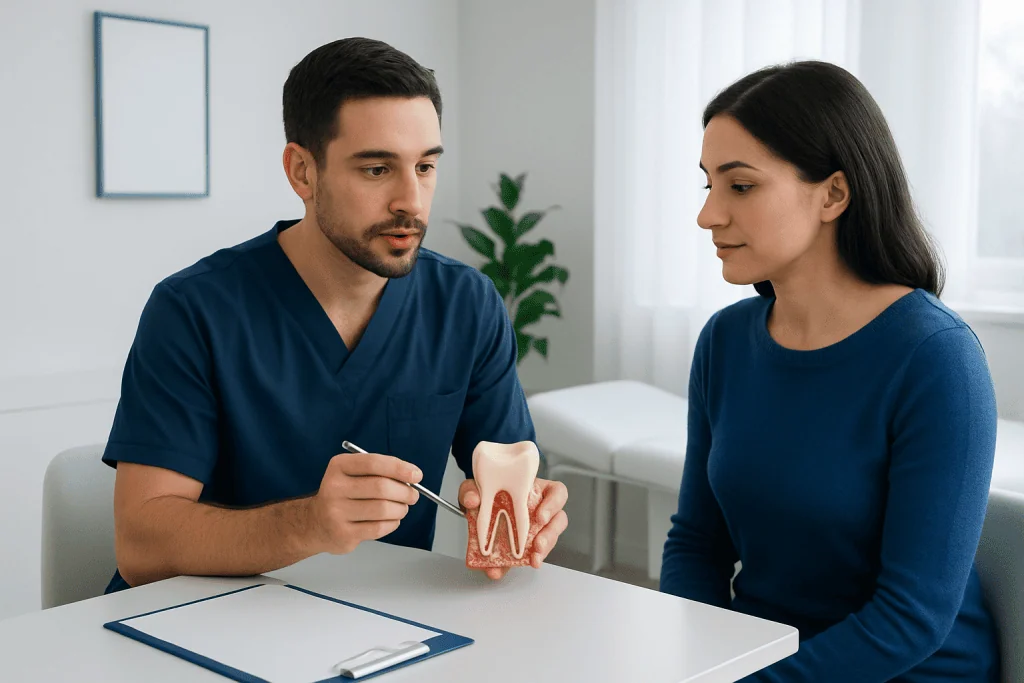
Before the procedure, the dental team reviews the medical and dental history, performs a gum examination, and studies X-rays or other imaging to understand the amount and shape of bone loss around the teeth. The area is then numbed with local anesthesia so the patient stays comfortable. In some settings, sedation may also be discussed for selected patients, depending on anxiety level, the extent of surgery, and the treatment plan.
Once the area is numb, the surgeon makes small incisions in the gum tissue and gently lifts it away from the tooth roots and underlying bone. This provides direct access to the deep pockets. The surgeon carefully removes bacteria, tartar deposits, and inflamed or damaged tissue from the area. The tooth roots may be smoothed to help the gums reattach more closely and to reduce places where bacteria can collect.
The “osseous” part of the operation involves reshaping uneven or damaged bone around the teeth. Bone changes caused by periodontitis can leave crater-like or irregular areas that favor further bacterial buildup. By smoothing and recontouring these areas, the surgeon aims to create a more natural architecture that supports better healing and easier cleaning.
After cleaning and bone reshaping are complete, the gum tissue is placed back against the teeth and stitched into position. A protective dressing may sometimes be used. The visit may be followed by detailed instructions about pain control, eating, brushing, activity, and follow-up. In selected cases, additional periodontal or oral and dental health care measures may be discussed if tooth stability, bite alignment, or long-term maintenance need attention.
Benefits, limits, and possible risks
The main benefit of osseous surgery is improved access to infected areas and reduction of deep periodontal pockets. This can make home care easier, lower inflammation, reduce bleeding, and help protect the supporting structures around the teeth. For many patients, the procedure helps preserve natural teeth that might otherwise be at greater risk due to continued bone loss and infection.
There are also important limits to understand. Osseous surgery cannot fully reverse all damage caused by advanced gum disease, and long-term results depend heavily on daily oral hygiene and regular maintenance visits. Some teeth may still have a guarded outlook if bone support has already been severely reduced. In those situations, the specialist may discuss other treatment paths as well.
As with any surgery, there are risks, although serious complications are uncommon. Possible short-term effects include swelling, bleeding, tenderness, sensitivity to hot or cold, and temporary difficulty chewing. Gum recession may become more noticeable after healing, which can make teeth appear longer. Infection, delayed healing, and persistent discomfort are possible but less common.
People with certain health conditions or tobacco use may have a higher risk of delayed healing or recurrence of disease. That is why individualized planning matters. A periodontist can explain expected benefits and possible downsides based on the person’s gum condition, bone loss pattern, and general health.
Recovery timeline and aftercare
Recovery after osseous surgery usually happens in stages. In the first few days, it is common to have mild to moderate soreness, swelling, and some oozing or sensitivity. Many patients are able to return to light daily activities within a day or two, but the treated area still needs time and protection. Eating softer foods and avoiding pressure on the surgical side may be recommended at first.
During the first week, discomfort typically starts to ease. The dental team may advise gentle rinsing, careful brushing in untreated areas, and temporarily avoiding vigorous flossing or brushing directly over the surgical site until it is safe to do so. Any prescribed medications or mouth rinses should be used exactly as directed. Follow-up appointments are important so stitches can be checked or removed if needed and healing can be assessed.
By one to two weeks, many visible signs of surgery begin to settle, although complete healing continues beyond that point. The gums may continue to tighten and adapt around the teeth over several weeks. Some tooth sensitivity, especially to temperature changes, can last longer but often improves with time and supportive dental care.
Long-term recovery is not only about the surgical wound. It also includes controlling the gum disease that caused the problem in the first place. Ongoing periodontal maintenance, professional cleanings, and careful home care are essential to protect the results. If the underlying inflammation returns, pockets can deepen again. In complex cases, the specialist may coordinate care with broader periodontology treatment services to support long-term gum health.
Diagnosis and planning before surgery
Osseous surgery is planned only after a thorough periodontal evaluation. The dentist or periodontist measures pocket depths around each tooth, checks for bleeding, examines gum recession, tests tooth mobility, and reviews how the upper and lower teeth come together. These findings help show whether the disease is localized to a few teeth or affects much of the mouth.
Dental X-rays are commonly used to assess bone loss around the roots. In some situations, additional imaging may help clarify the shape of the bone or the condition of nearby structures. The specialist also reviews any previous periodontal treatment and whether deep pockets have persisted despite good non-surgical care. That treatment response is an important part of deciding whether surgery is likely to be helpful.
Medical history matters as well. Conditions that affect healing, such as uncontrolled diabetes, certain immune disorders, or the use of some medications, may change the timing or approach. Smoking is another major consideration because it can reduce blood flow to the gums and impair healing. When the plan is made carefully, the procedure can be tailored to the patient’s needs and the chance of a stable result is improved.
Prevention and self-care after periodontal surgery
The best way to prevent the need for further periodontal surgery is to keep plaque levels as low as possible every day. This usually means brushing thoroughly twice a day, cleaning between the teeth with floss or other interdental tools, and keeping regular dental and periodontal appointments. A specialist or dental hygienist may recommend a specific cleaning method based on the spaces between the teeth and the shape of the gums after healing.
Managing whole-body health also supports the gums. Good control of diabetes, avoiding tobacco, eating a balanced diet, and addressing dry mouth if present can all help lower the risk of disease progression. People who grind their teeth or have bite issues may be advised to discuss additional protective measures with their dental team.
Patients should not feel discouraged if they need surgery for advanced gum disease. Osseous surgery is often chosen because the goal is to preserve oral function and support healthier tissues over the long term. Near the end of the treatment journey, some people seek care in centers that coordinate specialist dental services; Acibadem International’s multidisciplinary specialists and JCI-accredited hospitals diagnose and treat periodontal conditions for international patients.
When to seek medical care
A person should seek dental or periodontal care if they notice gums that bleed easily, persistent bad breath, gum swelling, gum recession, loose teeth, or pain when chewing. These symptoms do not always mean surgery is needed, but they can be signs of gum disease that should be evaluated early. Prompt treatment can sometimes prevent more advanced tissue and bone damage.
After osseous surgery, it is important to contact the treating team if there is worsening pain, heavy bleeding that does not settle, fever, increasing swelling after the first few days, pus, or a bad taste that persists. These symptoms can suggest infection or another complication and should be reviewed by a qualified professional.
People with chronic conditions such as diabetes, heart disease, or immune system disorders should keep all follow-up visits and let the dental team know about any change in medications or health status. If there is uncertainty about healing, an in-person review is the safest step.
Frequently asked questions
Is osseous surgery painful?
Osseous surgery is usually performed with local anesthesia, so the area is numb during the procedure. Some soreness, swelling, or tenderness afterward is common, but it is often manageable with the aftercare plan recommended by the treating dentist or periodontist.
How long does it take to recover from osseous surgery?
Many people feel noticeably better within one to two weeks, though complete gum healing takes longer. The exact timeline depends on how many areas were treated, overall health, smoking status, and how well aftercare instructions are followed.
Why would a dentist recommend osseous surgery instead of a deep cleaning?
A deep cleaning, often called scaling and root planing, is usually the first treatment for periodontal disease. Osseous surgery may be recommended when deep pockets remain and continue to trap bacteria despite good non-surgical care.
Can osseous surgery save loose teeth?
It can help stabilize the environment around certain teeth by reducing infection and improving gum support, but results vary. If bone loss is already severe, the outlook for a loose tooth may still be limited, and the specialist may discuss other options.
Will my gums grow back after osseous surgery?
The procedure is designed mainly to reduce pockets and create healthier contours, not to regrow all lost gum tissue. In some cases, the gums may look slightly lower after healing because inflamed tissue has resolved and the area is cleaner and tighter.
Is osseous surgery permanent?
The structural changes made during surgery can be long-lasting, but gum disease can return if plaque control is poor or maintenance visits are missed. Long-term success depends on daily oral hygiene, regular professional follow-up, and management of risk factors such as smoking or uncontrolled diabetes.
References
- American Academy of Periodontology
- American Dental Association
- National Institute of Dental and Craniofacial Research
- Centers for Disease Control and Prevention
- Mayo Clinic
This article is for general information only and is not a substitute for professional medical advice. Please consult a qualified doctor about your individual situation.
Explore treatments in Turkey — costs, top hospitals & a free quote
JCI-accredited · board-certified surgeons · reply within 24h
Add us as a Preferred Source to see more of our trusted health content across Google Search, AI Overviews and Discover.

More from the Health Library



Related Specialists
Dr. Mehmet Can Şahin
Inpatient Clinic Physicians Clinical Service
Dr. Danyal Gümüş
Orthopedic Surgery & Traumatology
Dr. Mehtap Selçuk
Anesthesiology
Prof. Dr. Hakan Özveri
Urology