Apicoectomy: How It Works, Recovery, and What to Expect

Apicoectomy is usually considered when a tooth has persistent infection after a root canal. The procedure removes the root tip and surrounding inflamed tissue, then seals the root end.
Key Takeaways
- Apicoectomy is usually considered when a tooth has persistent infection after a root canal.
- The procedure removes the root tip and surrounding inflamed tissue, then seals the root end.
- Most people recover within a few days to two weeks, with mild swelling or soreness at first.
- Apicoectomy can help preserve the natural tooth when retreatment is not suitable or has failed.
- A dentist or endodontist decides candidacy based on symptoms, imaging, and the condition of the tooth.
An apicoectomy is a minor surgical procedure used to remove the tip of a tooth root and seal the root canal when infection or inflammation persists after root canal treatment. It is often recommended to help save a natural tooth, reduce ongoing symptoms, and prevent the need for extraction.
Overview: What an Apicoectomy Is and Why It Is Done
An apicoectomy is a dental procedure that removes the very end of a tooth root, along with any infected or inflamed tissue around it. It is usually performed after a previous root canal treatment when symptoms continue or imaging shows that the area around the root tip has not healed properly. The goal is to treat the problem at its source while preserving the natural tooth.
This procedure is also called root-end surgery or root-end resection. Unlike a standard root canal, which cleans the inside of the tooth through the crown, an apicoectomy reaches the root tip through the gum and bone near the tooth. After the root tip is removed, the end of the root canal is cleaned and sealed to lower the risk of infection returning.
For many patients, an apicoectomy is recommended when repeating a root canal would be difficult or unlikely to solve the issue. This may happen if the tooth has a crown, post, complex root anatomy, or hidden canals that are hard to access through the usual route. In these situations, surgery can offer a practical way to save the tooth and reduce pain, swelling, or repeated infection.
Who May Need an Apicoectomy
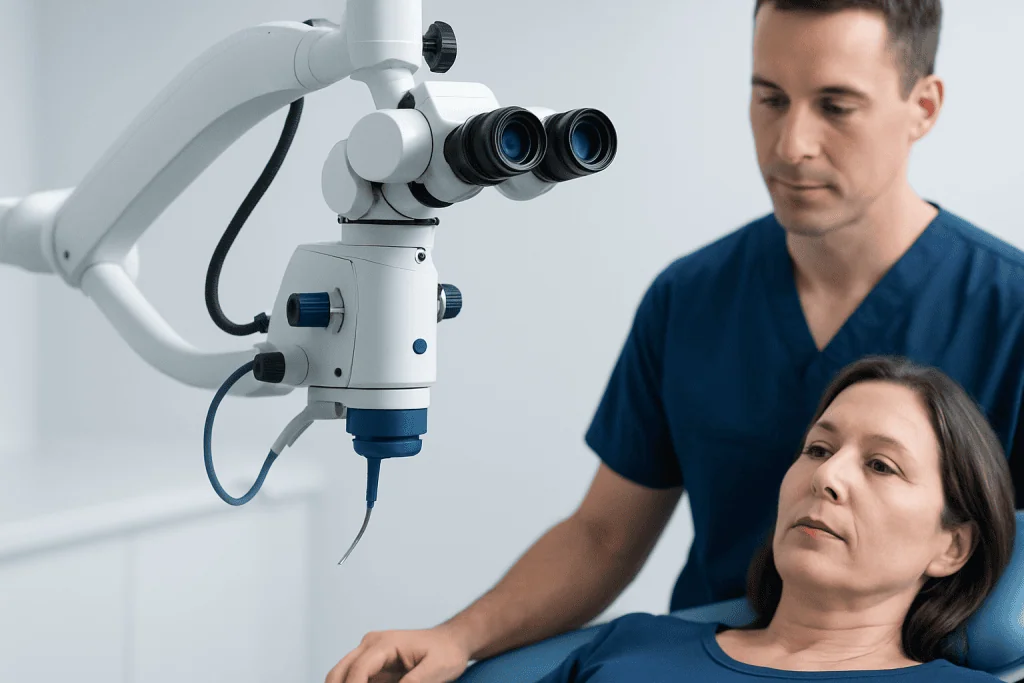
An apicoectomy may be advised for a person who has had root canal treatment but still has ongoing discomfort, tenderness when biting, swelling of the gums, or a visible lesion near the root tip on dental imaging. Sometimes there are no obvious symptoms, and the need for surgery is found during a routine follow-up X-ray or 3D scan.
Not every tooth with a problem after root canal treatment needs surgery. In some cases, non-surgical retreatment may still be possible. However, an apicoectomy may be more suitable when removing a crown or restoration to repeat the root canal could damage the tooth, or when the anatomy of the root makes conventional retreatment difficult.
A dentist or endodontist also considers whether the tooth is worth saving overall. Important factors include how much healthy tooth structure remains, whether the gum and bone support are adequate, and whether there are cracks or deep fractures. If a vertical root fracture is present, extraction may be more appropriate than surgery.
- Persistent infection after a root canal
- Inflammation around the root tip seen on imaging
- Complex root canal anatomy or blocked canals
- A need to preserve a crown or post already in place
- Symptoms such as pain, swelling, or a draining sinus tract
How the Procedure Works: Step by Step

Before the procedure, the dentist reviews symptoms, examines the tooth, and usually takes dental X-rays or cone beam CT imaging to look closely at the root and surrounding bone. This helps confirm the source of the problem and plan the safest surgical approach. Local anesthesia is commonly used, so the area is numb during treatment.
During the apicoectomy, a small incision is made in the gum near the affected tooth. The gum tissue is gently lifted to expose the underlying bone and the root tip. A small amount of bone may be removed to reach the area, and the inflamed or infected tissue around the root end is carefully taken out. Then the tip of the root is trimmed away.
Next, the clinician cleans the end of the root canal from the root side and places a filling material to seal it. This seal is important because it helps prevent bacteria from re-entering the tissues around the root. The gum is then repositioned and closed with stitches. The procedure is often completed in one visit, and many patients go home the same day with aftercare instructions.
In some settings, an apicoectomy may be carried out by an endodontist using magnification and microsurgical techniques for precision. When coordinated dental care is needed, evaluation may also include broader dental treatment planning to support the long-term health of the tooth and surrounding tissues.
Benefits, Limitations, and Possible Risks
The main benefit of an apicoectomy is that it can help save a natural tooth that might otherwise need to be extracted. Keeping the original tooth often supports normal chewing, bite alignment, and comfort. For many people, this is preferable to losing the tooth and later needing a replacement such as a bridge or implant.
Another advantage is that the procedure directly targets infection or inflammation at the root end when standard root canal treatment is not enough. It may relieve persistent symptoms and help the surrounding bone heal over time. In carefully selected cases, long-term outcomes are generally favorable, especially when the tooth is otherwise structurally sound.
Like any surgical procedure, an apicoectomy has limitations and risks. These can include temporary pain, swelling, bruising, bleeding, or infection after surgery. There is also a chance that healing may not occur as expected, or that symptoms may return later. Depending on the tooth location, there may be added considerations such as proximity to nearby nerves or the maxillary sinus.
If the tooth has an unrepairable crack, severe gum disease, or poor remaining structure, surgery may not be the best option. In those cases, the dentist may discuss alternatives such as extraction and replacement planning. A clear explanation of expected benefits and risks helps patients make an informed decision.
Recovery Timeline and What to Expect After Surgery
Most people can return home shortly after an apicoectomy and resume light daily activities within a day or two. Mild soreness, swelling, or slight oozing from the site can occur during the first 24 to 72 hours. These effects are usually manageable and tend to improve steadily over several days.
The dentist may recommend using a cold compress on the outside of the face during the first day, eating soft foods, and avoiding chewing on the treated side until the area feels better. Good oral hygiene remains important, but brushing around the surgical site should be gentle. Stitches may dissolve on their own or be removed at a follow-up visit, depending on the type used.
Short-term healing of the gum often takes about one to two weeks, while deeper bone healing takes longer. Follow-up imaging may be needed months later to confirm that the area around the root tip is recovering as expected. This longer healing phase is normal, even when symptoms improve much earlier.
Patients should follow the clinician’s instructions carefully and report any unexpected changes. If pain worsens instead of improving, swelling spreads, fever develops, or there is persistent bleeding, medical review is important. For some patients, management of related root canal treatment issues may also be part of follow-up care if the tooth has a complex treatment history.
Diagnosis and Treatment Planning Before Apicoectomy
Good treatment planning is essential because not every pain near a previously treated tooth comes from the root tip. A dentist first rules out other causes such as bite problems, gum disease, a cracked tooth, or referred pain from nearby teeth. A detailed exam, percussion testing, gum assessment, and imaging all help guide the diagnosis.
Dental X-rays often show changes around the root tip, but 3D imaging may offer a more detailed view in selected cases. This can help identify missed canals, root-end anatomy, perforations, nearby structures, or the true size of a lesion. Imaging is especially useful when previous treatment has altered the internal structure of the tooth.
Once the problem is confirmed, the clinician compares the likely benefits of apicoectomy with other options. These may include monitoring, nonsurgical retreatment, extraction, or tooth replacement. The decision depends on the location of the tooth, its restorability, symptoms, previous treatment history, and the patient’s goals.
Some patients with advanced structural damage may need discussion of restorative alternatives after extraction, including options such as dental implant treatment. In contrast, when the tooth has a good foundation and the issue is isolated to the root end, apicoectomy can be a tooth-preserving choice.
Self-care, Prevention, and Long-term Outlook
Although an apicoectomy treats a specific problem, long-term dental health still depends on daily care and regular follow-up. Brushing twice a day with fluoride toothpaste, cleaning between the teeth, and attending routine dental visits can reduce the chance of future infection or complications affecting the treated tooth or nearby teeth.
It is also helpful to avoid habits that place extra stress on teeth, such as chewing ice, biting hard objects, or clenching and grinding without protection. If a patient grinds their teeth at night, a dentist may suggest a protective appliance. Managing these factors can support the healing tooth and preserve surrounding dental work.
The outlook after an apicoectomy is often good when the tooth has adequate support and the source of infection is successfully sealed. Healing should be judged not only by symptom relief but also by clinical review and follow-up imaging over time. Recovery is usually gradual rather than immediate, especially in the surrounding bone.
For patients seeking coordinated care abroad, Acibadem International’s multidisciplinary specialists and JCI-accredited hospitals diagnose and treat complex dental conditions for international patients. Where needed, broader planning may involve oral and dental health services to support both surgical treatment and long-term maintenance.
When to Seek Medical Care
Medical or dental care should be sought if a person has persistent tooth pain after a root canal, swelling of the gum or face, a bad taste in the mouth, drainage near the tooth, or pain when chewing that does not settle. These symptoms can suggest ongoing inflammation or infection that needs professional assessment rather than home treatment alone.
After an apicoectomy, prompt review is important if symptoms suddenly worsen, fever develops, bleeding does not stop, or numbness lasts longer than expected. Difficulty opening the mouth, increasing swelling, or signs of an allergic reaction to medication also need timely care.
Even when symptoms are mild, follow-up should not be skipped. Some root-end problems are only visible on imaging and may progress quietly. Early review can make treatment simpler and improve the chance of preserving the tooth.
Frequently asked questions
Is an apicoectomy the same as a root canal?
No. A root canal cleans and seals the inside of the tooth through the crown, while an apicoectomy removes the root tip through the gum near the tooth. An apicoectomy is usually considered when a previous root canal has not fully resolved infection or inflammation.
How painful is apicoectomy recovery?
Most patients have mild to moderate soreness, swelling, or tenderness for a few days after the procedure. These symptoms usually improve steadily with rest and the aftercare recommended by the treating dentist. Severe or worsening pain should be checked promptly.
How long does it take to heal after an apicoectomy?
The gum often feels significantly better within one to two weeks, but deeper healing in the bone can take several months. This is why dentists may schedule follow-up imaging later on. Feeling better early does not always mean the area has fully healed internally.
Can a tooth still need to be removed after an apicoectomy?
Yes, in some cases. If the tooth does not heal, has an unrepairable crack, or develops a new problem later, extraction may still be necessary. However, the purpose of apicoectomy is to improve the chance of keeping the natural tooth.
Who performs an apicoectomy?
An apicoectomy is commonly performed by an endodontist, a dentist with advanced training in root canal problems and related surgery. In some situations, another dental specialist may be involved depending on the tooth and surrounding structures.
What should someone eat after an apicoectomy?
Soft, easy-to-chew foods are usually best for the first few days. Very hot foods, hard foods, and chewing directly on the treated side are often avoided until the area is less tender. The treating dentist gives specific instructions based on the individual case.
References
- American Association of Endodontists
- American Dental Association
- National Institute of Dental and Craniofacial Research
- Mayo Clinic
- National Health Service
This article is for general information only and is not a substitute for professional medical advice. Please consult a qualified doctor about your individual situation.
Explore treatments in Turkey — costs, top hospitals & a free quote
JCI-accredited · board-certified surgeons · reply within 24h
Add us as a Preferred Source to see more of our trusted health content across Google Search, AI Overviews and Discover.

More from the Health Library



Related Specialists

Dr. Nazife Kartal Kara
Gynecology & Obstetrics
Dyt. Edagül Kopuz
Nutrition & Diet
Dr. Ali Riza Özdurmuş
Oral & Dental Health
Fzt. Ece Burçak Özuyguntaş
Physical Medicine & Rehabilitation