Herd Immunity: An Evidence-Based Guide for Patients

Herd immunity helps protect both individuals and communities by reducing disease spread. Vaccination is the safest way to build herd immunity for vaccine-preventable diseases.
Key Takeaways
- Herd immunity helps protect both individuals and communities by reducing disease spread.
- Vaccination is the safest way to build herd immunity for vaccine-preventable diseases.
- The level of immunity needed varies by disease and depends on how easily it spreads.
- Herd immunity does not mean every infection disappears or that every person is fully protected.
- People with weak immune systems, infants, and others who cannot be vaccinated often benefit most from strong community immunity.
Herd immunity is the indirect protection a community gains when enough people are immune to an infection, making it harder for that disease to spread. In practice, this protection is most safely and reliably built through vaccination rather than through widespread natural infection.
Overview: what herd immunity means
Herd immunity is the indirect protection that develops when enough people in a population are immune to an infectious disease, so the infection has fewer chances to move from person to person. This can lower the overall spread of disease and help protect people who are not immune, including those who cannot receive certain vaccines for medical reasons.
In everyday terms, herd immunity works by breaking chains of transmission. If many people are already protected, an infected person is less likely to pass the germ on to others. This community-level effect is especially important for infants, older adults, and people with weakened immune systems.
Immunity can develop after vaccination or after recovery from some infections. However, from a patient and public health perspective, vaccination is the safer and more predictable route because it lowers the risk of severe illness, long-term complications, and outbreaks that can occur when immunity is pursued through natural infection.
How herd immunity works in real life

For an infection to keep spreading, each infected person must pass it to other susceptible people. Herd immunity reduces the number of susceptible contacts, which slows or even stops transmission in a community. This is why vaccination programs can protect not only vaccinated individuals, but also the wider population.
The amount of immunity needed is not the same for every disease. It depends largely on how contagious the infection is. Highly contagious diseases require a higher proportion of immune people before community protection becomes strong enough to interrupt spread, while less contagious infections may require a lower level.
Herd immunity is not an all-or-nothing state. Community protection can be strong in one region and weaker in another, depending on vaccination coverage, prior exposure, population density, and how often people mix. When immunity levels fall, outbreaks can return, even for diseases that had become uncommon.
It is also important to understand that herd immunity does not guarantee that no one will get sick. Some vaccinated people may still become infected, although illness is often milder. The main benefit is that widespread immunity makes large outbreaks less likely and helps protect the most vulnerable members of society.
Vaccination and natural infection: an evidence-based difference
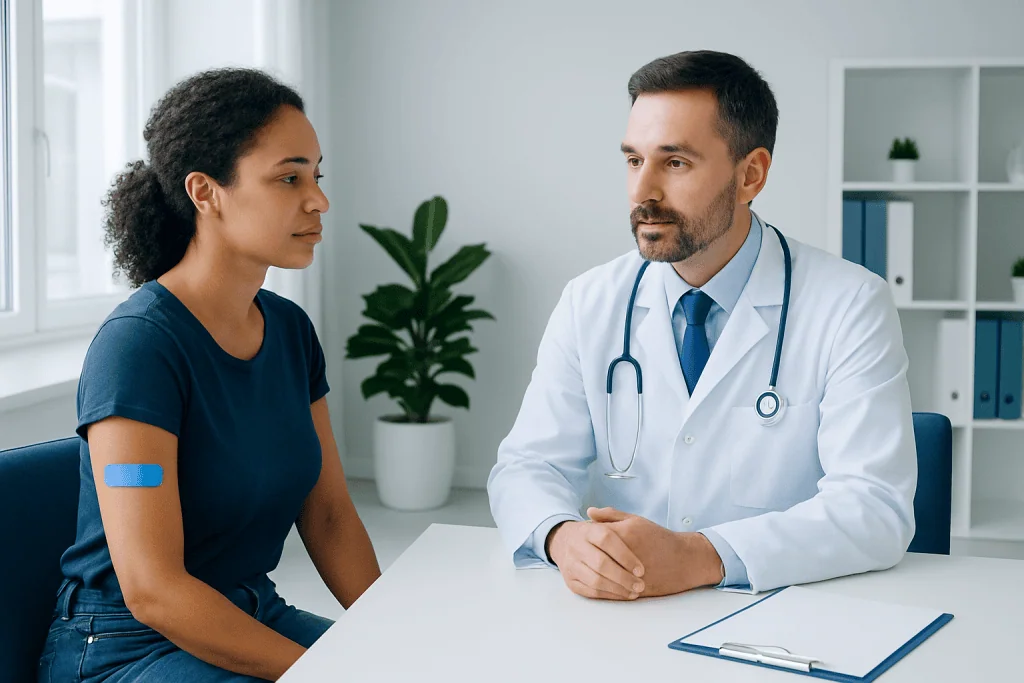
Patients often ask whether herd immunity can be achieved naturally. In theory, immunity after infection can contribute to community protection. In practice, relying on natural infection is risky because it means allowing a disease to spread widely enough to infect large numbers of people, including those at high risk of hospitalization, complications, or death.
Vaccines are designed to train the immune system to recognize and respond to a pathogen without causing the full disease. This makes vaccination the preferred route to herd immunity for vaccine-preventable conditions. It is a controlled, preventive strategy rather than a reaction to uncontrolled spread.
Natural immunity also varies. Some infections do not produce long-lasting protection, and immunity may weaken over time. In addition, viruses and bacteria can change, which may reduce how well prior infection protects against future illness. For these reasons, vaccination may still be recommended even after someone has had an infection.
Patients concerned about vaccine safety or timing should discuss questions with a qualified clinician. Personalized advice matters for children, pregnant people, adults with chronic conditions, and those who are immunocompromised. Broader prevention discussions may also include care related to infectious diseases and immunization planning.
Why herd immunity matters for patients and families
Herd immunity has practical benefits at both personal and community levels. For individual patients, it lowers the chance of being exposed to a disease in schools, workplaces, healthcare settings, and public spaces. For families, it helps reduce the risk that an infection will spread to younger children, older relatives, or anyone with a fragile immune system.
This protection is especially meaningful for people who cannot be vaccinated or who may not respond strongly to vaccines. That group can include newborns, people receiving cancer treatment, transplant recipients, and some patients with immune disorders. In these situations, the health of the wider community directly affects individual risk.
Herd immunity also supports healthcare systems by reducing the number and size of outbreaks. Fewer outbreaks can mean fewer emergency visits, hospital admissions, and disruptions to routine medical care. This allows healthcare services to focus on prevention, chronic disease management, and timely treatment for many different conditions.
From a public health standpoint, maintaining community immunity helps prevent the return of diseases that had become rare. If vaccine uptake drops, preventable infections can spread again. For patients, this means that vaccination decisions affect not only personal health, but also community protection.
Common misunderstandings about herd immunity
One common misunderstanding is that herd immunity means a disease has been eliminated everywhere. In reality, community protection can reduce spread without fully eradicating an infection. Some diseases continue to circulate at low levels, and imported cases can still trigger outbreaks if local immunity falls.
Another misconception is that once herd immunity is reached, vaccination is no longer needed. This is not correct. Population immunity can decrease over time because of missed doses, waning protection, population movement, and the birth of new infants who are not yet fully immunized. Continued vaccination is what helps maintain community protection.
Some people also assume herd immunity applies equally well to all infections. It does not. For diseases that change rapidly or for which immunity is incomplete or short-lived, herd effects may be weaker or harder to sustain. This is why recommendations differ between infections and may change as evidence evolves.
Finally, herd immunity should not be confused with personal invulnerability. Even in well-vaccinated communities, individuals may still become ill. Anyone with symptoms such as fever, cough, rash, breathing problems, severe vomiting, or signs of dehydration should seek appropriate medical advice rather than assuming community protection alone is enough.
How doctors and public health teams assess community immunity
There is no single test that instantly confirms herd immunity for an entire population. Instead, healthcare professionals and public health teams use several tools to estimate how well a community is protected. These may include vaccination coverage data, disease surveillance, outbreak patterns, and, in some cases, blood tests that look for antibodies in selected groups.
Assessment is complex because immunity is not distributed evenly. A country may have good overall vaccination rates but still have neighborhoods or age groups with lower protection. These local gaps matter because outbreaks often begin where susceptible people are clustered.
Doctors focus on the patient in front of them, but they also work within the larger public health picture. During routine visits, clinicians may review immunization records, recommend catch-up vaccines, and discuss infection prevention strategies. When symptoms suggest a contagious illness, medical check-up evaluation can help guide diagnosis, isolation advice, and treatment if needed.
For some patients, especially those with chronic illness or repeated infections, additional assessment may be appropriate. Depending on symptoms and age, clinicians may also recommend tests or specialist care related to pediatric care or immunology evaluation when available and clinically relevant.
Prevention and self-care: what patients can do
The most effective way patients can support herd immunity is to stay up to date with recommended vaccines for their age, health status, and travel plans. Vaccination schedules can differ for infants, school-age children, adults, pregnant people, and older adults, so regular review with a clinician is helpful.
Good infection prevention habits remain important even in communities with strong vaccine coverage. These include handwashing, covering coughs and sneezes, staying home when ill, improving indoor ventilation when possible, and following local guidance during outbreaks. These steps can lower transmission of many respiratory and gastrointestinal infections.
Patients should also keep personal health records, including vaccine history, chronic conditions, allergies, and current medicines. This information helps clinicians advise on booster doses, travel vaccines, and precautions during times of increased infection risk. If questions arise, a routine consultation can clarify what protection is still needed.
Near the end of the care pathway, some people may need coordinated support across specialties, especially if they have immune conditions or complex medical histories. Acibadem International’s multidisciplinary specialists and JCI-accredited hospitals diagnose and treat conditions relevant to infection prevention and patient safety for international patients.
When to seek medical care
Medical care should be sought if a person develops symptoms of a potentially contagious infection, especially if symptoms are severe, worsening, or persistent. Warning signs can include high fever, shortness of breath, chest pain, confusion, severe dehydration, seizures, a widespread rash, or symptoms in a very young infant.
Prompt medical advice is also important after exposure to certain vaccine-preventable diseases, particularly for pregnant people, newborns, older adults, and those with weakened immune systems. In these cases, a doctor can advise on testing, protective measures, and whether preventive treatment or urgent vaccination review is needed.
Families should contact a clinician if they are unsure whether vaccines are current, if a child missed scheduled doses, or if there are concerns about a weakened immune system. Advice is also helpful before international travel, during community outbreaks, or when a person has a chronic illness that increases infection risk.
Frequently asked questions
What is herd immunity in simple terms?
Herd immunity means a community has enough immune people that an infection has fewer chances to spread. This helps protect vulnerable people, including those who cannot be vaccinated or may not respond well to vaccines.
Is herd immunity the same as being fully protected from disease?
No. Herd immunity lowers the chance of spread, but it does not guarantee that no one will get infected. Individual risk still depends on personal immunity, the disease involved, and how much infection is circulating in the community.
Can herd immunity be achieved without vaccines?
Natural infection can create some immunity, but relying on it is not considered a safe public health strategy. It can lead to avoidable severe illness, complications, and deaths, especially among high-risk people. Vaccination is the safer and more predictable way to build community protection.
Why do some diseases need higher levels of herd immunity than others?
The needed level depends mainly on how contagious the disease is. Infections that spread very easily require a larger share of the population to be immune before transmission slows significantly.
Does herd immunity last forever?
Not always. Immunity can weaken over time, new babies are born without full protection, and some germs change in ways that affect immunity. This is why ongoing vaccination and booster programs may be necessary.
Who benefits most from herd immunity?
Everyone can benefit, but it is especially important for infants, older adults, people with weakened immune systems, and those who cannot receive certain vaccines. These groups may depend more heavily on the protection provided by others around them.
References
- World Health Organization
- Centers for Disease Control and Prevention
- UNICEF
- European Centre for Disease Prevention and Control
- Johns Hopkins Bloomberg School of Public Health
This article is for general information only and is not a substitute for professional medical advice. Please consult a qualified doctor about your individual situation.
Explore treatments in Turkey — costs, top hospitals & a free quote
JCI-accredited · board-certified surgeons · reply within 24h
Add us as a Preferred Source to see more of our trusted health content across Google Search, AI Overviews and Discover.

More from the Health Library

Neomycin — Explained by Medical Evidence, Not Myths

Tricyclic Antidepressants: What Patients Need to Know

Jp Drain — Explained by Medical Evidence, Not Myths

Kalamata Olives: What Patients Need to Know

Brown Recluse — Explained by Medical Evidence, Not Myths