COPD Pink Puffer and Blue Bloater — Explained by Medical Evidence, Not Myths

Pink puffer and blue bloater are historical terms, not separate lung diseases. These labels loosely describe emphysema-predominant and chronic-bronchitis-predominant COPD patterns.
Key Takeaways
- Pink puffer and blue bloater are historical terms, not separate lung diseases.
- These labels loosely describe emphysema-predominant and chronic-bronchitis-predominant COPD patterns.
- Modern COPD care focuses on symptoms, breathing tests, exacerbation risk, oxygen levels, and imaging when needed.
- Smoking cessation, inhaled medicines, vaccines, pulmonary rehabilitation, and oxygen in selected cases are central treatments.
- New or worsening breathlessness, bluish lips, chest pain, confusion, or low oxygen readings need prompt medical attention.
Medically reviewed by the Acıbadem International Medical Board — July 25, 2026
“Pink puffer” and “blue bloater” are older clinical descriptions of two classic COPD patterns, not official diagnoses. They refer to features more often seen in emphysema-predominant and chronic-bronchitis-predominant COPD, but many people have a mixture of both.
Overview: what “pink puffer” and “blue bloater” really mean
The phrase copd pink puffer and blue bloater refers to two older textbook descriptions of chronic obstructive pulmonary disease (COPD). “Pink puffer” was used for people whose COPD looked more like emphysema, while “blue bloater” described people whose COPD looked more like chronic bronchitis with low oxygen levels and fluid retention. These are not separate diagnoses, and they are not terms most specialists rely on today.
Modern medical care recognizes that COPD is a spectrum. Many patients have overlapping features of emphysema and chronic bronchitis, and symptoms can change over time. For that reason, doctors usually focus on measurable factors such as airflow limitation on spirometry, symptom burden, flare-up history, oxygenation, exercise tolerance, and imaging findings rather than using older labels alone.
Still, these terms can be useful for understanding the different ways COPD may appear. A person with emphysema-predominant disease may be very short of breath and work hard to breathe, while another person with chronic-bronchitis-predominant disease may have more cough, mucus, and a higher chance of low blood oxygen. Understanding the difference can help patients ask better questions and recognize why treatment plans may vary.
How the two classic COPD patterns differ

In the older “pink puffer” description, the main problem is usually emphysema. Emphysema damages the air sacs in the lungs, making it harder for oxygen to move in and carbon dioxide to move out efficiently. People may appear thin, breathe through pursed lips, and feel breathless even with mild activity. They may keep their oxygen level relatively preserved for a time, which is part of why the older term included “pink.”
In the older “blue bloater” description, chronic bronchitis features are more prominent. Chronic bronchitis involves long-term inflammation of the airways and excess mucus production, often causing a daily cough and frequent chest infections. Low oxygen levels can lead to a bluish tint of the lips or fingertips, and some people may develop swelling in the legs or a fuller body appearance because of fluid retention related to strain on the heart and lungs.
These descriptions are simplified and not always accurate for an individual patient. Many people with COPD have signs of both emphysema and chronic bronchitis. A person may not look like either “type” yet still have significant disease. That is why doctors now use a more personalized approach based on clinical assessment and test results.
- Emphysema-predominant pattern: more breathlessness, less mucus, overinflated lungs, weight loss may occur.
- Chronic-bronchitis-predominant pattern: more cough and phlegm, more frequent infections, greater risk of low oxygen and swelling.
- Mixed pattern: common in real life and often requires combined management strategies.
Symptoms and signs people may notice
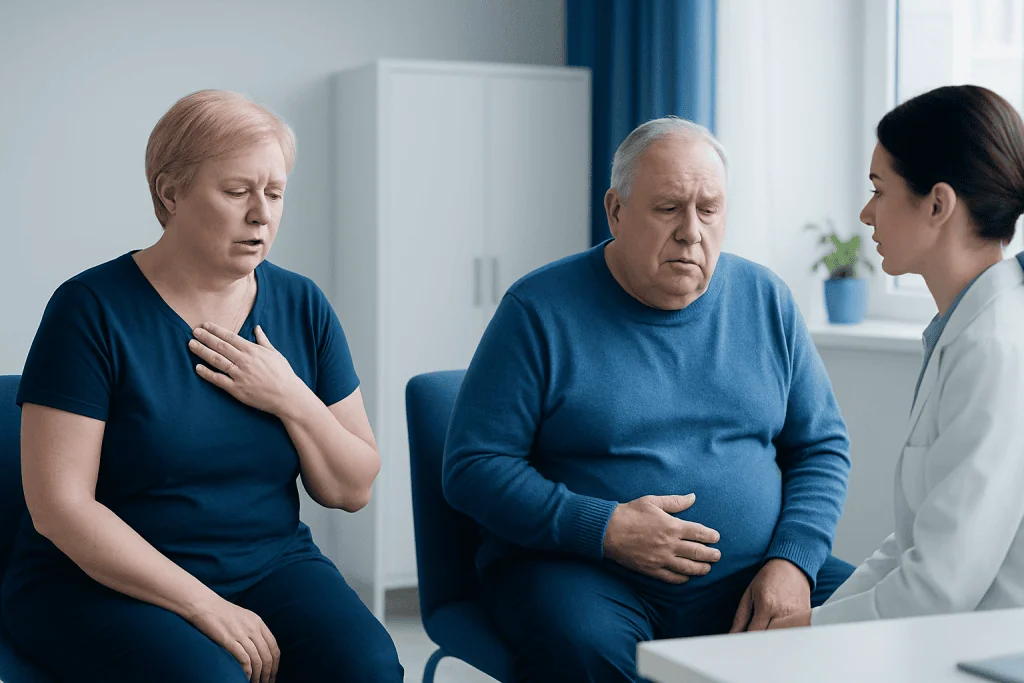
COPD symptoms often develop gradually. The most common are shortness of breath, chronic cough, sputum production, wheezing, chest tightness, reduced exercise capacity, and fatigue. At first, symptoms may only appear with exertion, but over time they can affect daily activities such as climbing stairs, dressing, or walking short distances.
When emphysema features dominate, breathlessness may be the main complaint. Some people feel they cannot fully exhale, and they may instinctively use pursed-lip breathing to keep airways open longer. Their chest may appear more expanded because of trapped air. Weight loss or loss of muscle mass can happen in advanced disease because breathing requires more energy and activity becomes more limited.
When chronic bronchitis features dominate, a long-standing productive cough is often prominent, especially in the morning. Mucus may become thicker or change color during infections or flare-ups. If oxygen levels fall, symptoms may include headaches, disturbed sleep, morning tiredness, bluish lips, or confusion. Swollen ankles can suggest strain on the heart due to chronic lung disease.
Symptoms are not always constant. Many people with COPD have exacerbations, which are flare-ups marked by more cough, more sputum, increased wheezing, or worsening shortness of breath. These episodes may be triggered by viral infections, bacterial infections, air pollution, or other stressors and can significantly affect lung health and quality of life.
Causes and risk factors: why COPD develops
The leading cause of COPD is long-term exposure to tobacco smoke, including cigarette smoking and, in some cases, secondhand smoke. Not everyone who smokes develops COPD, but smoking is the strongest risk factor by far. Stopping smoking at any stage can slow disease progression and remains the most important step for many patients.
Other causes and contributors include long-term exposure to indoor biomass smoke, workplace dusts, fumes, and chemicals, as well as outdoor air pollution. Some people have a genetic risk, most notably alpha-1 antitrypsin deficiency, a hereditary condition that can lead to early emphysema, especially in smokers. A history of severe childhood respiratory infections, poorly developed lungs, or asthma can also influence later COPD risk.
Chronic bronchitis and emphysema are both forms of lung injury, but they affect different parts of the respiratory system. In chronic bronchitis, the airways become inflamed and produce excess mucus. In emphysema, the tiny air sacs lose their elasticity and walls break down, which reduces the surface area available for gas exchange. Both processes can narrow airflow and make breathing harder.
Because COPD often overlaps with other conditions, doctors may also consider related problems such as asthma, heart disease, sleep apnea, anxiety, depression, osteoporosis, and weight changes. Identifying these conditions matters because they can worsen symptoms and alter the best treatment plan.
How doctors diagnose COPD today
Diagnosis starts with a detailed medical history and physical examination. A doctor will ask about smoking and occupational exposures, cough and sputum patterns, exercise tolerance, previous chest infections, and whether symptoms are getting worse. They may also check for wheezing, prolonged exhalation, low oxygen, swelling, or signs of weight loss and muscle loss.
The key diagnostic test for COPD is spirometry, a breathing test that measures how much air a person can force out and how quickly. This helps confirm persistent airflow limitation and distinguish COPD from some other causes of breathlessness. A bronchodilator may be given during testing to see how the lungs respond. While imaging such as chest X-ray or CT can show emphysema or rule out other problems, imaging alone does not replace spirometry.
Additional tests may include pulse oximetry to estimate oxygen saturation, arterial blood gas testing in selected cases, exercise testing, and laboratory studies if another condition is suspected. CT imaging can help identify emphysema distribution and complications, while tests for alpha-1 antitrypsin deficiency may be advised in younger patients or those with a strong family history.
Doctors no longer depend on “pink puffer” or “blue bloater” to guide care. Instead, they assess symptom severity, flare-up frequency, inhaler technique, smoking status, vaccination status, and whether complications such as pulmonary hypertension or heart strain are present. In some cases, chest imaging may be combined with check-up and imaging services to create a fuller picture of lung health.
Treatment options and long-term management
COPD treatment aims to reduce symptoms, improve quality of life, prevent exacerbations, and slow progression where possible. The foundation of care is smoking cessation. Quitting smoking can meaningfully slow further lung damage, even if lung function cannot be fully restored. Avoiding smoke, dust, fumes, and indoor pollutants is also important.
Medicines often include inhaled bronchodilators that relax the airway muscles and help breathing. Some patients also benefit from inhaled corticosteroids, especially if they have frequent flare-ups or features overlapping with asthma. Treatment is individualized, and doctors may adjust inhalers based on symptoms, exacerbation history, and side effects. Correct inhaler technique is essential because even effective medicines work poorly if used incorrectly.
Pulmonary rehabilitation is one of the most helpful non-drug treatments. It combines supervised exercise, breathing training, education, and support to improve stamina and confidence in daily activities. Vaccinations, especially against influenza and pneumococcal disease, are recommended for many patients because respiratory infections often trigger worsening symptoms. During severe flare-ups, hospital treatment, short-term oxygen, or noninvasive ventilation may be needed.
Some people with advanced disease require long-term oxygen therapy if tests show chronically low oxygen levels. In selected cases, specialists may consider advanced procedures or surgery, such as lung volume reduction surgery for carefully chosen emphysema patients, or broader chest diseases treatment programs that coordinate respiratory medicine, imaging, rehabilitation, and critical care. Near the end of the treatment pathway, a multidisciplinary review is often helpful; Acibadem International’s specialists in JCI-accredited hospitals diagnose and treat COPD for international patients using this team-based approach.
Self-care, prevention, and living well with COPD
Good day-to-day management can make a real difference. Patients are often encouraged to stay physically active within their limits, use prescribed inhalers regularly, keep vaccination schedules up to date, and follow a written action plan if one has been provided. Small habits, such as pacing activities, resting between tasks, and using breathing techniques during exertion, can reduce distress.
Nutrition also matters. Some people with emphysema-predominant COPD lose weight and muscle, while others with limited mobility gain weight, which can make breathing harder. A balanced diet with adequate protein and hydration can support energy and muscle strength. Pulmonary rehabilitation teams or dietitians can help tailor practical advice.
To reduce flare-ups, it helps to avoid respiratory infections where possible, wash hands regularly, and limit exposure to irritants such as smoke, aerosols, and heavy air pollution. Home oxygen should only be used if prescribed and monitored by a clinician. Over-the-counter cough remedies or supplements should not replace medical treatment, especially if symptoms are progressing.
Emotional wellbeing is part of COPD care. Ongoing breathlessness can cause anxiety, poor sleep, and social withdrawal. Learning about the condition, joining a support group, practicing energy conservation, and discussing mood symptoms with a healthcare professional can help people maintain independence and quality of life.
When to seek medical care
Medical review is important if a chronic cough, regular sputum production, or breathlessness is limiting daily life, especially in a current or former smoker. Early assessment can help confirm whether COPD is present, identify overlapping conditions, and start treatment before symptoms become more disruptive.
Prompt medical attention is needed if symptoms suddenly worsen. Warning signs include marked shortness of breath at rest, bluish lips or fingertips, confusion, chest pain, coughing up blood, a major change in sputum amount or color, fever, or an oxygen reading lower than the patient’s usual range if home monitoring is used. Severe breathing difficulty is an emergency.
Regular follow-up also matters after diagnosis. Patients should contact their doctor if inhalers no longer seem effective, flare-ups become more frequent, side effects develop, swelling appears in the legs, or unintentional weight loss occurs. These changes may mean the care plan needs to be adjusted or complications need to be checked.
Frequently asked questions
Are pink puffer and blue bloater real medical diagnoses?
No. They are older descriptive terms once used to summarize common COPD patterns. Today, doctors usually diagnose COPD with spirometry and describe the specific features, severity, and complications rather than using these labels alone.
What is the difference between emphysema and chronic bronchitis in COPD?
Emphysema mainly damages the air sacs, reducing efficient gas exchange and often causing prominent breathlessness. Chronic bronchitis mainly affects the airways, causing long-term inflammation, cough, and mucus production. Many people with COPD have elements of both.
Can someone have both pink puffer and blue bloater features?
Yes, and this is common. COPD often overlaps rather than fitting neatly into one pattern. That is one reason these older terms are less useful for modern treatment planning.
Does being a pink puffer mean oxygen levels are always normal?
Not always. The term suggested relatively preserved oxygen levels in earlier stages, but oxygen can fall as emphysema becomes more advanced. Only testing, such as pulse oximetry or blood gas measurement, can show oxygen status accurately.
How is COPD confirmed?
The main test is spirometry, which measures airflow limitation. A doctor may also use a physical examination, pulse oximetry, imaging, and other tests to evaluate severity, rule out other conditions, and look for complications.
Can COPD be treated if the lung damage cannot be reversed?
Yes. Although existing damage is usually not fully reversible, treatment can reduce symptoms, improve activity levels, lower the risk of flare-ups, and support better quality of life. Quitting smoking, using inhalers correctly, and attending pulmonary rehabilitation are especially important.
References
- Global Initiative for Chronic Obstructive Lung Disease
- National Heart, Lung, and Blood Institute
- American Lung Association
- Centers for Disease Control and Prevention
- World Health Organization
This article is for general information only and is not a substitute for professional medical advice. Please consult a qualified doctor about your individual situation.
Explore treatments in Turkey — costs, top hospitals & a free quote
JCI-accredited · board-certified surgeons · reply within 24h