

Dental Care and: A Complete Medical Overview

Brushing with fluoride toothpaste and cleaning between teeth every day are the basics of effective oral care. Regular dental checkups help detect tooth decay, gum disease, bite problems, and oral changes early.
Key Takeaways
- Brushing with fluoride toothpaste and cleaning between teeth every day are the basics of effective oral care.
- Regular dental checkups help detect tooth decay, gum disease, bite problems, and oral changes early.
- Diet, tobacco use, dry mouth, certain medicines, and medical conditions can all affect oral health.
- Warning signs such as bleeding gums, persistent mouth pain, swelling, or non-healing sores should be assessed by a dental professional.
- Most common dental problems are manageable with preventive care, professional cleaning, and appropriate treatment.
Dental care and oral health involve daily habits, routine dental visits, and timely treatment to keep teeth, gums, and the mouth healthy. Good oral care helps prevent cavities, gum disease, bad breath, discomfort, and complications that can affect overall well-being.
Overview: what dental care and oral health mean
Dental care and oral health refer to the everyday and professional steps used to protect the teeth, gums, tongue, and other tissues of the mouth. In practical terms, this includes brushing, cleaning between the teeth, choosing tooth-friendly foods and drinks, and seeing a dentist regularly for examinations and cleaning. These measures help reduce the risk of cavities, gum inflammation, infections, and tooth loss.
Oral health is not separate from general health. The mouth is part of the digestive and immune systems, and problems there can affect comfort, nutrition, sleep, speech, and self-confidence. Painful teeth or gums may make it harder to eat a balanced diet, while untreated infection may spread locally and sometimes require urgent care.
A complete medical overview of dental care also includes prevention, early recognition of symptoms, and understanding who may need closer follow-up. Children, older adults, people with diabetes, smokers, and those with dry mouth or orthodontic appliances may need more tailored support. The goal is not only to treat disease, but also to keep the mouth healthy over time.
Common oral health problems and symptoms
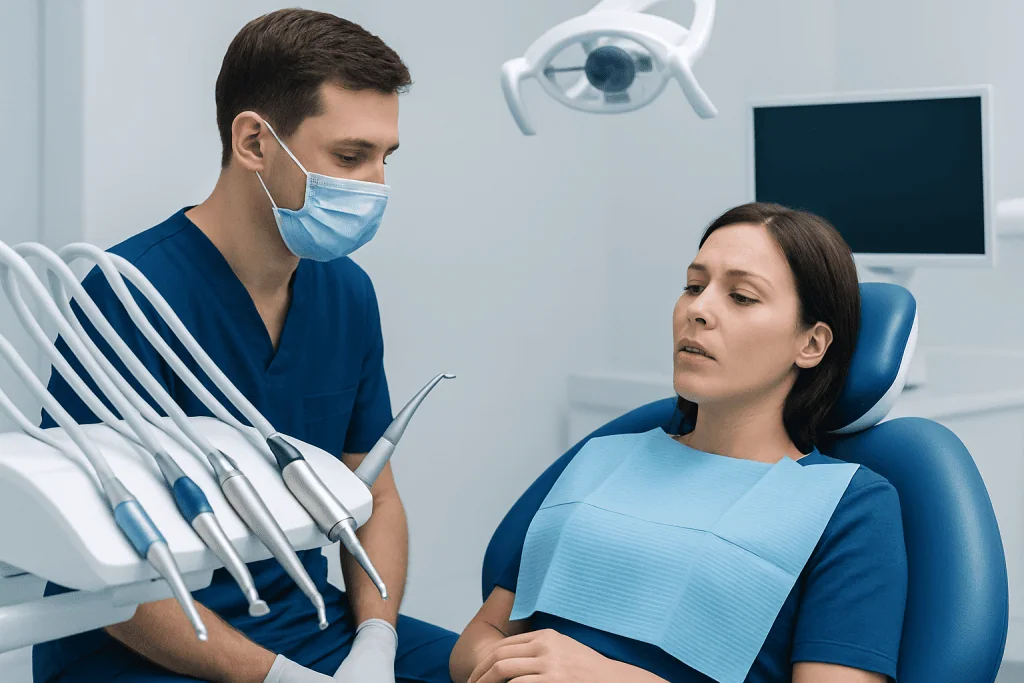
The most common dental problems are tooth decay, gum disease, tooth sensitivity, enamel wear, bad breath, and infections around a tooth or gum. Tooth decay happens when acids produced by bacteria damage the tooth surface. Early decay may cause no symptoms, but more advanced decay can lead to sensitivity, pain, or visible holes.
Gum disease often begins as gingivitis, which may cause red, swollen, or bleeding gums, especially during brushing or flossing. If it progresses, it can affect the tissues and bone that support the teeth. Over time, this may lead to gum recession, loose teeth, or tooth loss. People may also notice persistent bad breath or a bad taste in the mouth.
Other symptoms that deserve attention include mouth sores that do not heal, jaw pain, clicking or difficulty chewing, swelling of the face or gums, and changes in how the teeth fit together when biting. Sensitivity to hot, cold, or sweet foods can happen with decay, worn enamel, exposed roots, or a cracked tooth. Symptoms do not always reflect the severity of a problem, which is why checkups remain important even when there is little or no pain.
- Toothache or pain when chewing
- Bleeding, swollen, or tender gums
- Persistent bad breath
- Loose teeth or gum recession
- White spots, dark spots, or holes in a tooth
- Jaw discomfort or limited mouth opening
Causes and risk factors

Dental problems usually develop through a combination of bacteria, diet, oral hygiene habits, and individual risk factors. Plaque is a sticky film of bacteria that forms naturally on teeth. If it is not removed well, it can contribute to decay and gum irritation. Frequent sugary snacks, sweetened drinks, and acidic beverages can increase this risk by feeding bacteria and weakening tooth enamel.
Several health and lifestyle factors can make oral disease more likely. Tobacco use is a major risk factor for gum disease, delayed healing, staining, and oral cancer. Dry mouth, whether caused by medicines, dehydration, radiation therapy, or certain conditions, reduces the protective effect of saliva and can raise the risk of cavities and infection. Teeth grinding, also called bruxism, can wear down enamel and strain the jaw.
Systemic conditions also matter. Diabetes can increase the risk of gum disease and may make healing slower when blood sugar is not well controlled. Hormonal changes, including during pregnancy, can affect gum sensitivity. Some people are more prone to problems because of crowded teeth, past dental work, age-related changes, or difficulty cleaning the mouth due to disability or illness. Understanding these factors helps guide prevention and treatment.
How dentists diagnose oral health problems
Diagnosis starts with a medical and dental history and a careful examination of the mouth. The dentist checks the teeth, gums, tongue, cheeks, bite, and jaw. Questions may cover pain, sensitivity, bleeding, dry mouth, medicines, smoking, diet, and any changes the person has noticed. This helps identify both obvious problems and hidden risks.
Professional dental examinations often include measuring gum health, looking for plaque and tartar buildup, and checking for signs of cavities, fractures, worn enamel, or infection. Dental X-rays may be recommended to assess areas that cannot be seen directly, such as between teeth, under existing fillings, or around tooth roots. In some cases, additional imaging or specialist assessment may be useful for complex concerns.
If jaw symptoms, missing teeth, alignment issues, or advanced gum disease are present, the dentist may discuss referral for more specific evaluation. This may include care in dental treatment services, assessment for orthodontic treatment when bite or alignment contributes to oral problems, or specialist management for gum disease. Early diagnosis usually allows simpler and more conservative care.
Treatment options and professional dental care
Treatment depends on the exact problem, how advanced it is, and the person’s overall health. Early tooth decay may be managed with improved hygiene, fluoride, and monitoring, while established cavities often need a filling. Deeper decay or infection may require more extensive care, such as treatment of the tooth nerve or removal of a tooth that cannot be saved. Professional cleaning is used to remove plaque and tartar that brushing alone cannot remove.
For gum disease, treatment usually focuses on reducing inflammation and controlling bacterial buildup. This may include professional scaling, better home cleaning techniques, and regular follow-up. More advanced cases sometimes need deeper cleaning or surgical procedures to restore gum health and protect the supporting bone. A dentist may also advise treatment for tooth grinding, sensitivity, cracked teeth, or missing teeth depending on the situation.
When structure, function, or appearance are affected, restorative options may be discussed. These can include crowns, bridges, or dental implants for missing teeth. Some patients may also benefit from professional teeth whitening once underlying dental disease has been addressed, although whitening is cosmetic rather than medical treatment. The most suitable plan is individualized and should balance oral health needs, long-term function, and the person’s preferences.
Near the end of the care pathway, ongoing maintenance remains essential. Even after successful treatment, decay and gum disease can return if plaque control, diet, or follow-up are neglected. Acibadem International’s multidisciplinary specialists and JCI-accredited hospitals provide diagnosis and treatment for international patients who need coordinated dental and oral health care.
Prevention and daily self-care
Prevention is the foundation of good oral health. Most people benefit from brushing twice a day with fluoride toothpaste and cleaning between the teeth once a day with floss, interdental brushes, or another dentist-recommended tool. Brushing should be gentle and thorough, covering the gumline and all tooth surfaces. A soft-bristled brush is often preferred because it cleans effectively while reducing the risk of gum irritation.
Diet also matters. Limiting frequent sugary foods and drinks helps reduce the acid attacks that cause decay. Water is a tooth-friendly choice, and some people may benefit from drinking more water if they experience dry mouth. It can also help to avoid tobacco and to moderate alcohol use, both of which can affect the mouth and gums.
Routine dental visits support prevention by identifying problems before they become painful or complex. Depending on age, oral health history, and risk factors, a dentist may recommend individualized recall intervals. Extra preventive support may include fluoride applications, sealants for children, mouthguards for sports, or night guards for teeth grinding. Good oral care is most effective when it becomes a consistent daily routine rather than a response to symptoms.
- Brush twice daily with fluoride toothpaste
- Clean between teeth every day
- Reduce frequent sugar exposure
- Choose regular dental checkups and cleaning
- Avoid tobacco and protect teeth during sports
Dental care across different ages and health conditions
Oral care needs can change throughout life. Children need support learning brushing habits, healthy eating patterns, and regular dental attendance. As teeth develop, dentists monitor for decay, crowding, and bite problems. Teenagers and adults may need extra guidance around orthodontic appliances, wisdom teeth, sports injuries, and diet habits that affect enamel.
During pregnancy, some people notice more gum sensitivity or bleeding because of hormonal changes. This does not mean dental care should be avoided; instead, regular oral hygiene and professional advice are especially helpful. Adults with diabetes, heart disease, autoimmune conditions, or reduced immunity may need close monitoring because inflammation and infection can be more significant or slower to resolve.
Older adults may face additional challenges such as gum recession, dry mouth from medicines, worn teeth, reduced dexterity, and the care of crowns, bridges, or dentures. In these situations, practical adjustments like adapted toothbrush handles, saliva-supporting advice, and more frequent preventive visits can make oral care easier and more effective. A personalized plan helps maintain comfort, chewing ability, and quality of life.
When to seek medical care
Dental concerns are often easier to manage when they are assessed early. A person should arrange dental care if they have a toothache, bleeding gums that keep recurring, persistent bad breath, sensitivity that does not improve, swelling in the gums, or a broken or loose tooth. Mouth ulcers or patches that do not heal within about two weeks should also be examined.
Urgent assessment is important if there is significant facial swelling, severe tooth pain, fever with dental symptoms, difficulty swallowing, or trouble opening the mouth. These signs can suggest a spreading infection or another condition that needs prompt treatment. Care should also be sought after trauma to the teeth or jaw, even if pain seems mild at first.
People who have chronic illnesses, are pregnant, take multiple medicines, or have a weakened immune system should not delay professional advice if oral symptoms appear. Prompt diagnosis can reduce discomfort, prevent complications, and preserve natural teeth whenever possible.
Frequently asked questions
What does dental care and oral health include?
It includes daily cleaning of the teeth and gums, regular dental checkups, and treatment when problems arise. It also includes prevention through fluoride use, healthy diet choices, and avoiding habits that harm the teeth or gums.
How often should a person visit the dentist?
The best schedule depends on age, oral health history, and risk factors such as gum disease, cavities, smoking, or dry mouth. Many people benefit from regular checkups, while others may need more frequent visits based on a dentist’s advice.
Why do gums bleed during brushing or flossing?
Bleeding gums are often a sign of inflammation caused by plaque buildup, especially in early gum disease. It is a good idea to continue gentle cleaning and arrange a dental assessment, because persistent bleeding should not be ignored.
Can oral health affect overall health?
Yes. Oral health can influence comfort, nutrition, sleep, and quality of life, and inflammation or infection in the mouth may be more important in people with certain medical conditions. Keeping the mouth healthy is part of maintaining general health.
What helps prevent tooth decay?
Brushing twice daily with fluoride toothpaste, cleaning between the teeth, and reducing frequent sugar intake are the main steps. Regular dental visits also help by identifying early decay and supporting preventive care.
Is bad breath always caused by poor brushing?
Not always. Bad breath can be linked to gum disease, tooth decay, dry mouth, tongue coating, dentures, smoking, and sometimes medical conditions outside the mouth. Persistent bad breath is worth discussing with a dentist or doctor.
References
- World Health Organization
- American Dental Association
- Centers for Disease Control and Prevention
- National Institute of Dental and Craniofacial Research
- FDI World Dental Federation
This article is for general information only and is not a substitute for professional medical advice. Please consult a qualified doctor about your individual situation.
Explore treatments in Turkey — costs, top hospitals & a free quote
JCI-accredited · board-certified surgeons · reply within 24h
Add us as a Preferred Source to see more of our trusted health content across Google Search, AI Overviews and Discover.

More from the Health Library

Vege High Fiber: An Evidence-Based Guide for Patients

Tenotomy — Explained by Medical Evidence, Not Myths

Ambulatory Blood Pressure Monitoring: What Patients Need to Know

Pine Bark: An Evidence-Based Guide for Patients

Unsweetened Cranberry Juice: An Evidence-Based Guide for Patients

Herbst Appliance — Explained by Medical Evidence, Not Myths
Oral & Dental Health Specialists at Acibadem

Dt. Akif Aydın Şen
Oral & Dental Health
Dt. Alara Güler
Oral & Dental Health
Dt. Alara Naz Kenir Çelik
Oral & Dental Health
Dr. Alen Palancıoğlu
Oral Dental & Maxillofacial Surgery