Left Part of Face Numb: Common Causes, Related Conditions, and When to See a Doctor

Left-sided facial numbness has many possible causes, ranging from minor irritation to urgent neurological conditions. Sudden numbness, especially with weakness, speech trouble, vision changes, or severe headache, needs emergency evaluation.
Key Takeaways
- Left-sided facial numbness has many possible causes, ranging from minor irritation to urgent neurological conditions.
- Sudden numbness, especially with weakness, speech trouble, vision changes, or severe headache, needs emergency evaluation.
- Doctors diagnose the cause by combining the symptom pattern, neurological exam, and selected imaging or lab tests.
- Treatment depends on the underlying condition and may involve medication, dental care, infection treatment, or stroke care.
- Persistent, recurrent, or unexplained facial numbness should be assessed by a qualified doctor.
Left part of face numb is a symptom rather than a diagnosis. It may be caused by a temporary nerve problem, migraine, infection, dental conditions, or a neurological emergency such as stroke, so the timing, associated symptoms, and duration matter.
Overview: What It Means When the Left Part of the Face Is Numb
Left part of face numb usually means that sensation in the skin or deeper tissues has changed because the nerves that carry feeling are being irritated, compressed, inflamed, or affected by a broader medical condition. Sometimes the symptom is brief and harmless, such as after sleeping in an awkward position or during a migraine. In other situations, it can be a warning sign that needs prompt medical attention.
Facial sensation depends mainly on the trigeminal nerve, while facial movement is controlled by the facial nerve. Problems can occur anywhere along these pathways, from the skin and teeth to the sinuses, jaw, nerves, brainstem, or brain. Because of this, doctors look carefully at whether the numbness affects the cheek, lips, jaw, forehead, or the entire left side of the face.
The most important first question is whether the numbness started suddenly or gradually. Sudden numbness can point to a circulation problem in the brain, including stroke, especially if it comes with weakness, trouble speaking, confusion, imbalance, or changes in vision. Gradual or intermittent symptoms may be more consistent with nerve irritation, dental issues, migraine, or inflammatory conditions.
Common Symptoms That May Happen Alongside Facial Numbness
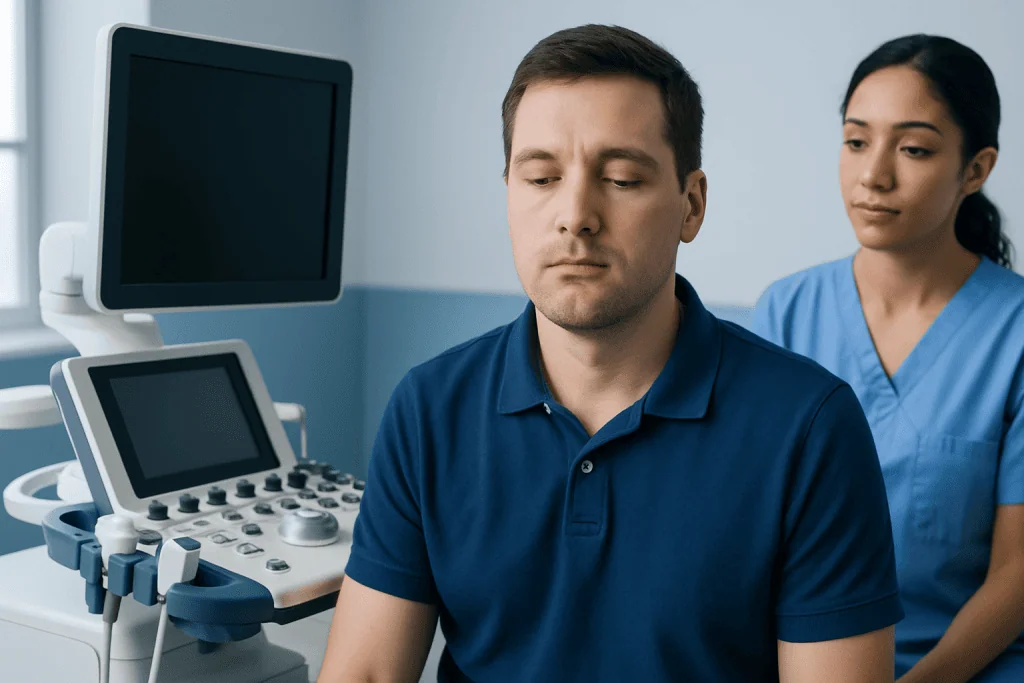
Facial numbness may feel like tingling, pins and needles, reduced skin sensitivity, a heavy sensation, or the feeling that part of the face is “asleep.” Some people notice numbness only when touching the skin, while others feel it constantly. It may involve a small patch near the lip or cheek, or spread across a larger area.
Associated symptoms often help narrow the cause. For example, numbness linked to migraine may occur with headache, light sensitivity, nausea, or temporary visual symptoms. Numbness from a dental or sinus problem may come with facial pain, toothache, swelling, fever, nasal congestion, or jaw discomfort.
Doctors also ask about signs that suggest a nerve or brain-related problem. These can include:
- Facial weakness or drooping
- Slurred speech or trouble finding words
- Double vision or loss of vision
- Dizziness, poor balance, or difficulty walking
- Hearing changes or ear pain
- Arm or leg weakness or numbness on the same side
- Severe or unusual headache
If left-sided numbness occurs together with weakness of the face, arm, or leg, it should be treated as an emergency until proven otherwise. Even if the symptom improves, prompt medical assessment is still important.
Common Causes and Related Conditions

One useful way to think about left facial numbness is by where the problem starts. Local causes affect the face directly, such as dental infections, gum disease, recent dental work, facial trauma, temporomandibular joint irritation, skin infections, or sinus inflammation. These problems may inflame or compress nearby sensory nerves and usually also cause pain, tenderness, swelling, or chewing discomfort.
Nerve-related causes are also common. The trigeminal nerve can be irritated by inflammation, viral infection, pressure from nearby structures, or less commonly by neurological diseases such as multiple sclerosis. A person may have numbness, sharp facial pain, altered sensation around the cheek or jaw, or symptoms that come and go. Bell’s palsy mainly causes weakness rather than numbness, but some people describe an unusual or numb feeling on one side of the face.
Migraine is another important cause. Some migraines include sensory aura, which can create tingling or numbness in the face, sometimes spreading to the arm or tongue. This can be alarming, especially the first time it happens, but it still requires medical evaluation because migraine symptoms can overlap with more urgent conditions.
Less commonly, left facial numbness may be related to brain or blood vessel disorders, including brain tumor, transient ischemic attack, or stroke. In these situations, the symptom may appear with headaches, weakness, coordination problems, speech difficulty, or personality and cognitive changes. Nutritional deficiencies, diabetes, autoimmune disease, and anxiety-related hyperventilation can also contribute to altered facial sensation, though they are usually diagnosed only after more serious causes are considered.
When It May Be an Emergency
Sudden numbness on the left side of the face should not be ignored, particularly when it appears for the first time or develops within minutes. The greatest concern is a problem affecting blood flow to the brain. Early treatment matters because some stroke therapies are time-sensitive.
Emergency care is especially important if the numbness is accompanied by facial drooping, one-sided weakness, difficulty speaking, confusion, loss of coordination, severe dizziness, a sudden severe headache, or vision loss. These combinations can suggest a stroke or another urgent neurological event and should be assessed immediately.
Medical care is also needed quickly if numbness follows a head injury, occurs with fever and spreading facial swelling, or is linked to a rash near the eye or ear. Infections, trauma, and certain viral conditions can threaten the nerves, eyes, or deeper tissues and may need prompt treatment.
Even if symptoms are mild, recurrent episodes deserve attention. Numbness that keeps returning, lasts for hours or days, or gradually worsens should be evaluated by a healthcare professional rather than monitored indefinitely at home.
How Doctors Diagnose the Cause
Diagnosis begins with a detailed history. Doctors ask when the numbness started, how long it lasts, which exact part of the face is affected, whether it is constant or intermittent, and whether there are triggers such as chewing, headaches, stress, illness, or recent dental procedures. A careful description often provides important clues.
A physical and neurological examination usually follows. The clinician checks facial sensation, facial muscle movement, speech, balance, coordination, vision, hearing, reflexes, and the strength of the arms and legs. The mouth, teeth, jaw, ears, and sinuses may also be examined when a local cause is suspected.
Tests depend on the situation. They may include blood tests, dental assessment, or imaging such as MRI scan or CT scan to look at the brain, nerves, sinuses, or facial structures. If stroke is a concern, urgent neurological evaluation and rehabilitation planning may be part of ongoing care after diagnosis. The purpose of testing is not just to confirm a condition, but also to rule out dangerous causes quickly and safely.
Treatment Options and What Recovery Depends On
There is no single treatment for left facial numbness because the symptom can arise from many different problems. Care is directed at the underlying cause. For example, a dental abscess may require dental treatment and infection management, sinus disease may need targeted medical therapy, and migraine-related numbness may improve with a migraine treatment plan.
If a nerve is inflamed or irritated, treatment may involve medication, observation, or referral to a neurologist or ENT specialist, depending on the suspected source. When the symptom is due to stroke or transient ischemic attack, urgent hospital care is essential. In some cases, recovery continues afterward with structured support such as physical therapy and rehabilitation to help with movement, coordination, and daily function.
Recovery depends on how long the symptom has been present, what caused it, and whether treatment starts early. Temporary numbness from pressure or migraine may resolve completely. Nerve injury or central nervous system conditions can take longer to improve and sometimes require ongoing monitoring.
Near the end of the care pathway, some patients benefit from multidisciplinary follow-up. Acibadem International’s multidisciplinary specialists and JCI-accredited hospitals diagnose and treat neurological, dental, ENT, and vascular causes of facial numbness for international patients when coordinated specialist assessment is needed.
Self-Care, Monitoring, and When to See a Doctor
Self-care is appropriate only when the numbness is mild, clearly temporary, and not accompanied by emergency warning signs. It can help to note when the symptom began, what part of the face is involved, how long it lasts, and whether there are related issues such as headache, tooth pain, rash, jaw clicking, or recent illness. This information can be useful during a medical visit.
People should avoid assuming that the symptom is caused by stress, sleeping position, or a minor nerve issue without proper evaluation, especially if it is new. It is also sensible to avoid chewing very hard foods if jaw pain is present and to seek dental review when numbness follows tooth problems or dental procedures.
A doctor should assess left facial numbness if it lasts more than a short time, returns repeatedly, is getting worse, or is paired with pain, weakness, headache, vision changes, or other neurological symptoms. Prompt evaluation is the safest approach whenever the cause is uncertain.
In short, facial numbness is often treatable, but the next step depends on the full pattern of symptoms. A qualified clinician can decide whether the problem is likely local, neurological, vascular, dental, or inflammatory, and guide the appropriate care.
Frequently asked questions
Is numbness on the left side of the face always a stroke?
No. Left facial numbness can happen with migraine, dental problems, sinus inflammation, nerve irritation, infection, and other conditions. However, sudden numbness with weakness, speech problems, or vision changes should be treated as a possible stroke until a doctor evaluates it.
Can anxiety cause the left part of the face to feel numb?
Anxiety and hyperventilation can sometimes cause tingling or numb sensations, including in the face. Still, anxiety should not be assumed to be the cause until more serious neurological, dental, or vascular problems have been ruled out.
How long can facial numbness last?
The duration varies widely depending on the cause. It may last minutes during a migraine aura, hours to days with inflammation or infection, or longer if there is nerve injury or a neurological condition. Persistent or recurrent symptoms should be assessed by a doctor.
Should a person go to the emergency room for left facial numbness?
Emergency care is recommended if the numbness starts suddenly or occurs with facial drooping, arm or leg weakness, trouble speaking, confusion, severe headache, or vision loss. These can be signs of stroke or another urgent neurological problem.
Can a tooth problem make part of the face feel numb?
Yes. Dental infections, inflammation, wisdom tooth problems, and some dental procedures can irritate nearby nerves and change sensation in the lips, chin, cheek, or jaw. A dental examination may be needed if numbness is linked to tooth pain, swelling, or recent treatment.
What kind of doctor evaluates facial numbness?
The right specialist depends on the likely cause. A primary care doctor may start the evaluation, while neurologists, dentists, ENT specialists, or emergency physicians may be involved based on the symptoms and examination findings.
References
- National Institute of Neurological Disorders and Stroke
- American Stroke Association
- National Health Service
- Mayo Clinic
- Merck Manual Consumer Version
This article is for general information only and is not a substitute for professional medical advice. Please consult a qualified doctor about your individual situation.
Explore treatments in Turkey — costs, top hospitals & a free quote
JCI-accredited · board-certified surgeons · reply within 24h