Sural Nerve — Explained by Medical Evidence, Not Myths
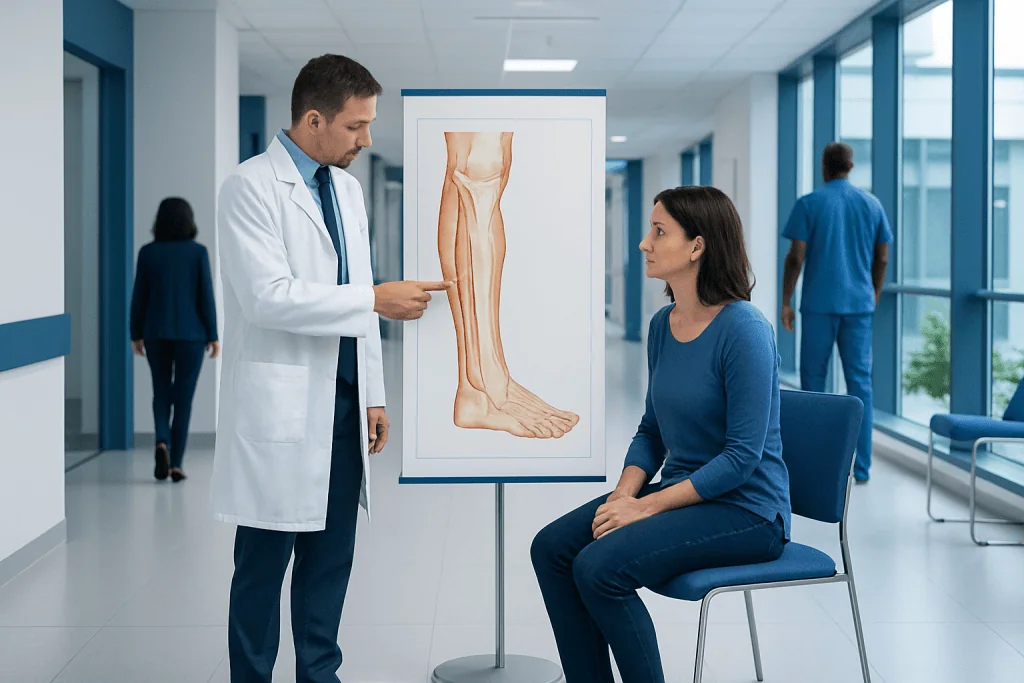
The sural nerve mainly provides sensation, not muscle strength. Symptoms usually affect the outer calf, ankle, heel, or side of the foot.
Key Takeaways
- The sural nerve mainly provides sensation, not muscle strength.
- Symptoms usually affect the outer calf, ankle, heel, or side of the foot.
- Common causes include injury, pressure, surgery, ankle problems, or nerve irritation.
- Diagnosis is based on symptoms, examination, and sometimes nerve tests or imaging.
- Treatment depends on the cause and may include rest, physical therapy, medicines, or selected procedures.
- New or worsening numbness, severe pain, or symptoms after injury should be assessed by a doctor.
The sural nerve is a sensory nerve that runs along the back and outer part of the lower leg to the outer foot. It helps carry feeling from the skin, and when it becomes irritated or injured, it may lead to numbness, tingling, burning, or pain.
What the sural nerve is
The sural nerve is a small sensory nerve in the leg. It usually forms from branches of the tibial nerve and the common peroneal nerve, then travels down the back of the calf, behind the outer ankle, and into the outer side of the foot. Its main role is to carry sensation such as touch, temperature, and pain from the skin in that area to the brain.
Because the sural nerve is a sensory nerve, problems with it typically do not cause major weakness. Instead, people are more likely to notice numbness, tingling, burning, sensitivity to touch, or sharp nerve-like pain along the outer lower leg or foot. These symptoms can range from mild and occasional to more persistent and bothersome.
The sural nerve is also well known in clinical practice because it is relatively accessible. Doctors may test it in nerve conduction studies, and in some situations it can be used as a donor nerve in reconstructive surgery. Even so, any change in sensation along its pathway should be evaluated in the context of the whole leg, ankle, and nervous system, since similar symptoms can also come from the spine or from other peripheral nerves.
Where symptoms are usually felt
Symptoms related to the sural nerve usually follow a fairly specific pattern. Many people feel them on the outer side of the lower calf, around the outer ankle, the heel area, or the outer edge of the foot. The exact area can vary because the sural nerve’s course differs slightly from person to person.
Common sensations include pins and needles, burning, electric-shock pain, skin tenderness, or reduced feeling when touching the area. Some people notice that shoes, socks, or ankle straps make the discomfort worse. Others describe hypersensitivity, where light contact feels unusually unpleasant.
Not every pain on the outside of the foot is a sural nerve problem. Conditions affecting tendons, ligaments, joints, the lower back, or other nerves can create similar symptoms. That is why location, timing, and triggers all matter when a doctor evaluates possible sural nerve irritation.
- Numbness or tingling on the outer foot
- Burning pain near the outer ankle
- Sensitivity to touch or pressure from footwear
- Symptoms after ankle sprain, surgery, or direct trauma
- Pain that worsens with certain movements or prolonged standing
Why the sural nerve can become irritated or injured

Sural nerve symptoms can happen for several reasons. A direct blow, cut, stretch injury, or ankle sprain may irritate the nerve. Pressure from tight boots, casts, braces, or prolonged compression can also affect it. In some cases, the nerve becomes trapped in scar tissue after injury or surgery around the lower leg, Achilles tendon, or ankle.
Inflammation in nearby tissues may also contribute. Swelling around the ankle, tendon disorders, or chronic overuse can place stress on the nerve. Less commonly, sural nerve symptoms may be part of a broader peripheral neuropathy, where multiple nerves are affected by conditions such as diabetes, alcohol-related nerve damage, vitamin deficiencies, or autoimmune disease. Related nerve disorders may overlap with peripheral neuropathy.
Sometimes sural nerve pain is not caused by the nerve itself but by irritation farther up the nerve pathway. For example, a pinched nerve in the lower back can send pain or tingling into the leg and foot. Doctors may also consider conditions such as sciatica or local compression around the ankle when symptoms extend beyond the typical sural nerve pattern.
How doctors diagnose sural nerve problems
Diagnosis begins with a careful history and physical examination. A doctor will ask where the symptoms are felt, when they began, whether there was an injury or surgery, and what makes them better or worse. On examination, they may check sensation, press along the expected course of the nerve, and look for tenderness, swelling, scars, changes in skin sensitivity, or signs pointing to another source.
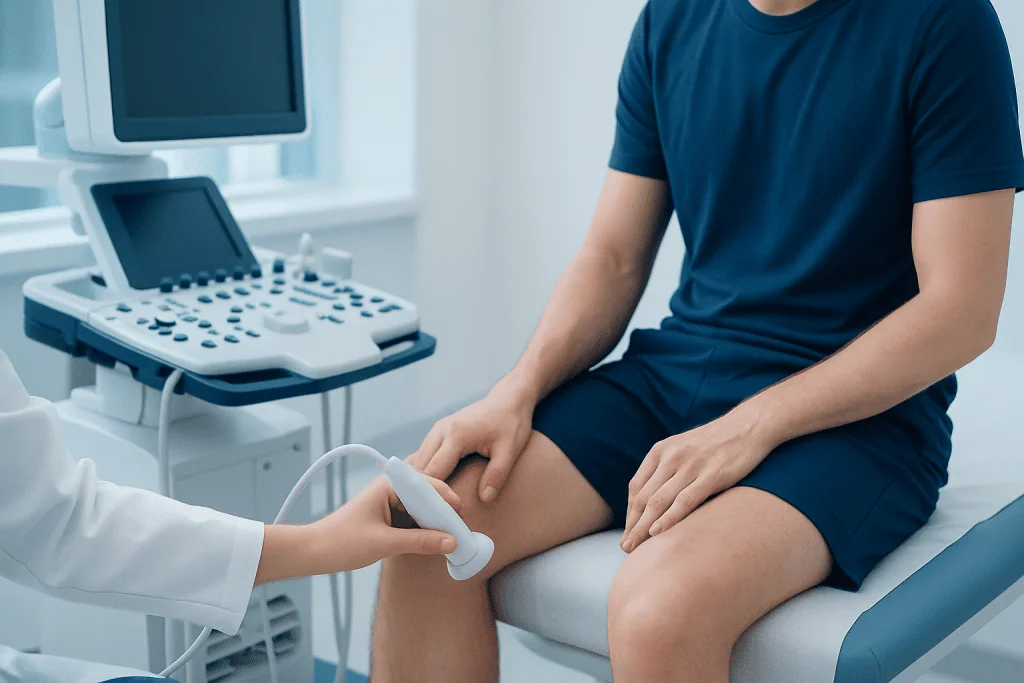
If the diagnosis is not clear, nerve testing may help. Nerve conduction studies and electromyography can assess how nerves are functioning and whether symptoms fit a local sural nerve issue or a broader nerve condition. Imaging such as ultrasound or magnetic resonance imaging may be used if a structural cause is suspected, such as scar tissue, a mass, tendon pathology, or ankle injury. In selected cases, EMG testing can support diagnosis.
Doctors also consider other explanations before labeling symptoms as sural neuropathy. These may include lumbar radiculopathy, tarsal tunnel syndrome, tendon injury, stress fracture, vascular problems, or systemic neuropathy. Accurate diagnosis matters because treatment depends on the cause, not only on the location of symptoms.
Treatment options for sural nerve pain or neuropathy
Treatment depends on why the sural nerve is irritated. If symptoms follow pressure, overuse, or minor injury, conservative care is often the first step. This may include reducing activities that trigger symptoms, changing footwear, avoiding tight straps or braces, and allowing time for healing. If swelling or inflammation is present, a doctor may recommend measures to reduce it.
Medicines may be used to help control nerve-related pain, especially if symptoms are ongoing. Physical therapy can also be useful, particularly when ankle mechanics, scar tissue, balance, or gait problems are contributing. Therapy may focus on gentle mobility, nerve-gliding techniques when appropriate, strengthening, and reducing local strain. Some patients with lower-limb nerve symptoms may benefit from physical therapy and rehabilitation.
When symptoms are persistent, severe, or linked to a structural problem, further treatment may be considered. This can include image-guided assessment, treatment of an underlying ankle or tendon condition, or referral to a nerve specialist. If there is clear entrapment, neuroma, or injury that is unlikely to improve on its own, surgical evaluation may sometimes be appropriate. In selected cases, advanced imaging such as MRI helps identify the cause. If a broader nerve disorder is suspected, assessment through neurology care may be recommended.
Self-care and ways to protect the nerve
Self-care focuses on reducing irritation while the cause is being addressed. Supportive footwear with enough room around the ankle and outer foot may help reduce pressure. It is also sensible to avoid repetitive movements or positions that clearly worsen symptoms, especially after an ankle injury or operation.
People with numbness should protect the skin because reduced sensation can make minor injuries easier to miss. Checking the foot regularly, especially after exercise or long walks, can be useful. Gentle return to activity is usually preferable to pushing through sharp or burning nerve pain.
General nerve health also matters. Managing blood sugar when diabetes is present, correcting vitamin deficiencies if found, limiting alcohol when relevant, and following medical advice for long-term conditions can all support recovery. Self-treatment should not replace medical assessment if symptoms are severe, spreading, or not improving.
- Wear shoes that do not compress the outer ankle or foot
- Avoid tight braces, straps, or prolonged pressure on the calf
- Protect numb areas from blisters, cuts, and heat injury
- Follow rehabilitation advice after sprains or surgery
- Seek review if symptoms persist or worsen
When to seek medical care
Medical care is appropriate if numbness, tingling, or burning along the outer leg or foot lasts more than a short time, keeps coming back, or interferes with walking, sleep, exercise, or daily activities. Evaluation is also important after an ankle sprain, cut, surgery, or other injury if nerve-like symptoms appear.
Prompt assessment is especially important when symptoms are severe, spreading, or associated with weakness, significant swelling, skin color change, fever, or new back pain. Although the sural nerve is sensory, symptoms can overlap with more serious problems that need timely diagnosis.
For international patients who need evaluation of nerve-related leg and foot symptoms, Acibadem International’s multidisciplinary specialists in JCI-accredited hospitals diagnose and treat these conditions using neurological, orthopedic, and rehabilitation expertise. A qualified clinician can help determine whether the sural nerve is involved or whether another condition better explains the symptoms.
Frequently asked questions
What does the sural nerve do?
The sural nerve mainly carries sensation from the outer lower leg, outer ankle, and outer side of the foot. It helps the brain detect touch, pain, and temperature in those areas. It is not a major nerve for muscle movement.
What are common sural nerve symptoms?
Typical symptoms include numbness, tingling, burning, sharp pain, or sensitivity to touch along the outer calf, ankle, or foot. Some people notice symptoms more when wearing certain shoes or after an ankle injury. The pattern is usually sensory rather than muscular.
Can a sural nerve problem heal on its own?
Mild irritation from pressure or minor injury may improve with rest, footwear changes, and time. Recovery depends on the cause and how much the nerve has been affected. Persistent, worsening, or recurrent symptoms should be checked by a doctor.
Is sural nerve pain the same as sciatica?
No. Sciatica usually refers to pain caused by irritation of nerve roots or the sciatic nerve higher up, often involving the buttock and back of the leg. Sural nerve symptoms are usually more limited to the outer lower leg and foot, although doctors may need to distinguish between them.
How is sural neuropathy diagnosed?
Doctors diagnose it through a medical history and physical examination, paying close attention to the exact symptom area and possible triggers. Nerve conduction studies, EMG, ultrasound, or MRI may be used in some cases. These tests help rule out other causes and confirm whether the nerve is affected.
When should someone worry about numbness in the outer foot?
It is a good idea to seek medical advice if numbness is persistent, painful, worsening, or follows trauma or surgery. Urgent assessment is more important if there is weakness, marked swelling, color change, severe pain, fever, or symptoms affecting a larger part of the leg. A clinician can decide whether the cause is a local nerve problem or something else.
This article is for general information only and is not a substitute for professional medical advice. Please consult a qualified doctor about your individual situation.
Explore treatments in Turkey — costs, top hospitals & a free quote
JCI-accredited · board-certified surgeons · reply within 24h
Add us as a Preferred Source to see more of our trusted health content across Google Search, AI Overviews and Discover.

More from the Health Library

Elevated PSA — Explained by Medical Evidence, Not Myths

Occipital Lymph Nodes — Explained by Medical Evidence, Not Myths

Healthiest Milk — Explained by Medical Evidence, Not Myths

Pupil Size Chart: An Evidence-Based Guide for Patients

Omega 3 of 3 6 9 — Explained by Medical Evidence, Not Myths