Pressure Points: What Patients Need to Know

Pressure points are specific body areas that may be stimulated to support relaxation or temporary symptom relief. Acupressure is different from acupuncture because it uses finger or hand pressure rather than needles.
Key Takeaways
- Pressure points are specific body areas that may be stimulated to support relaxation or temporary symptom relief.
- Acupressure is different from acupuncture because it uses finger or hand pressure rather than needles.
- Evidence suggests pressure points may help some people with stress, tension, nausea, or mild pain, but results vary.
- Pressure point techniques should be used gently and avoided over injuries, infections, or certain medical conditions.
- New, severe, or ongoing pain should be assessed by a qualified healthcare professional.
Pressure points are areas of the body that may respond to firm, targeted touch and are commonly used in acupressure and massage for comfort, relaxation, and symptom relief. They can be helpful for some people, but they do not replace medical diagnosis or treatment when symptoms are persistent, severe, or unexplained.
Overview: What are pressure points?
Pressure points are areas on the body that may feel especially responsive when touched, pressed, or massaged. In everyday use, the term usually refers to points used in acupressure, massage, and other hands-on techniques intended to promote comfort, relaxation, or temporary relief from symptoms such as muscle tension or headache.
From a medical perspective, pressure points are not a single, clearly defined anatomical structure. Instead, they often overlap with regions where nerves, muscles, connective tissue, and blood vessels are close together or where muscle tension is commonly felt. This helps explain why some points may feel tender and why pressure there can create sensations locally or in nearby areas.
Many patients ask whether pressure points “work.” The answer is that some people do find them helpful, especially as a self-care method for stress, neck tightness, mild headaches, or nausea. However, they should be viewed as a supportive technique rather than a cure, and they are not a substitute for evaluation when symptoms suggest an underlying health problem.
How pressure points are used
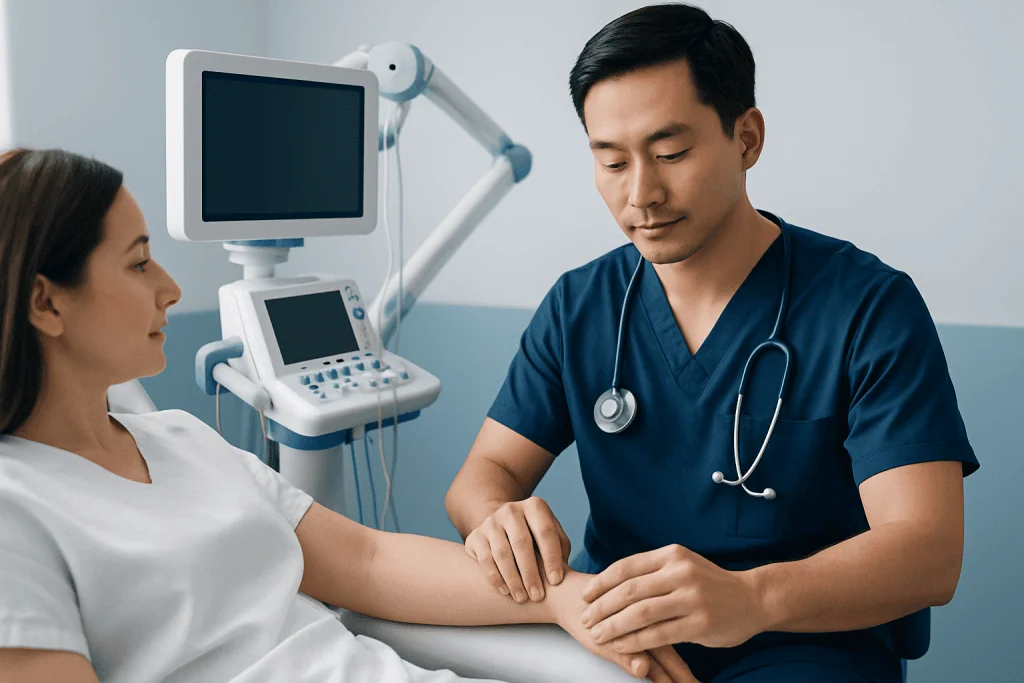
Pressure points are most often used in acupressure, a technique based on applying steady finger, thumb, or palm pressure to selected areas of the body. Unlike acupuncture, acupressure does not use needles. People may use it at home, or it may be performed by trained practitioners as part of massage therapy or integrative care.
Common goals include reducing a sense of tension, easing muscle tightness, improving relaxation, and helping a person feel more comfortable during stress or minor discomfort. Some people also use acupressure for motion sickness, nausea, or tension-type headaches. The response is individual, and the same point may not feel helpful for everyone.
Pressure points are often pressed for several seconds to a few minutes using comfortable, tolerable pressure rather than force. Breathing slowly and relaxing the surrounding muscles can make the technique more comfortable. If pressing causes sharp pain, numbness, dizziness, or worsening symptoms, it should be stopped.
- Common settings include self-care at home, wellness visits, and physical rehabilitation support.
- Pressure may be applied with fingers, knuckles, palms, or specialized massage tools.
- These techniques are generally used alongside, not instead of, standard medical care.
Common pressure points patients hear about

Several pressure points are frequently mentioned in patient education and wellness discussions. One well-known example is the area between the thumb and index finger, which some people use for tension or headache discomfort. Another is the inner wrist, often discussed in relation to nausea. Points around the temples, the base of the skull, the shoulders, and the arch of the foot are also commonly referenced.
It is important to understand that these areas are not magical or universally effective. Their possible benefit may come from a mix of mechanisms, including muscle relaxation, calming touch, focused breathing, and changes in how the nervous system processes pain signals. The experience can be influenced by stress level, sleep, posture, and the underlying cause of symptoms.
For example, a person with muscle tightness related to posture may feel some short-term relief with self-massage or acupressure, while someone with severe headache, nerve compression, or inflammatory joint disease may need a proper medical assessment. Persistent neck pain, back pain, or headache can sometimes be related to conditions that need treatment, such as a herniated disc or migraine.
What science says about pressure points
Research on pressure points and acupressure is ongoing. Some studies suggest modest benefit for certain symptoms, particularly nausea, stress, and some types of pain. However, results are not always consistent, and it can be difficult to separate the effects of pressure itself from relaxation, expectation, or the general benefits of therapeutic touch.
That does not mean the technique has no value. Many safe, low-risk self-care methods can be worthwhile if they help a person feel better and do not delay needed diagnosis or treatment. For some patients, pressure point work can be one part of a broader plan that also includes sleep improvement, exercise, posture changes, stretching, physical therapy, or medication when appropriate.
Medical guidance is especially important when symptoms are frequent, worsening, or associated with warning signs such as weakness, fever, chest pain, fainting, unexplained weight loss, or changes in speech or vision. In those situations, it is safer to focus first on finding the cause rather than relying on symptom-relief techniques alone.
Safety, risks, and who should be cautious
Pressure point techniques are generally considered low risk when used gently on healthy skin and soft tissue. Still, they are not right for every situation. Strong pressure can bruise sensitive tissue or aggravate pain, especially in areas that are already inflamed, injured, or healing after surgery.
People should avoid pressing over open wounds, skin infections, burns, fractures, varicose veins, or visibly swollen joints unless a clinician has advised it. Extra caution is also sensible for people with bleeding disorders, those taking blood thinners, and anyone with reduced sensation due to diabetes, neuropathy, or spinal nerve problems because they may not feel harmful pressure normally.
Pregnant patients often hear about pressure points used for nausea or labor support. Because some points are traditionally avoided during pregnancy and symptoms in pregnancy can have many causes, it is best to ask a qualified clinician before using pressure techniques regularly. Children, older adults, and people with complex medical conditions may also benefit from individualized advice.
Pressure points as part of a broader treatment plan
Pressure point techniques are often most useful when they are part of a larger self-care or rehabilitation plan. For example, someone with muscle-related neck or back discomfort may benefit more from posture correction, stretching, activity modification, and guided therapy than from pressure alone. In this way, pressure points can support comfort while the underlying issue is addressed.
When pain is linked to muscles, joints, or spine problems, a clinician may recommend structured rehabilitation such as physical therapy and rehabilitation. Some patients with persistent soft tissue tension also explore clinician-guided pain management approaches as part of comprehensive care. If symptoms suggest a nerve or spine problem, imaging or specialist evaluation may be needed before any hands-on technique is continued.
Headaches are another example. Pressure around the scalp, neck, or shoulders may feel soothing for some people, but recurrent headaches may reflect migraine, eye strain, sleep problems, medication overuse, or cervical muscle tension. The right plan depends on the cause, which is why a diagnosis matters when symptoms become frequent or disruptive.
When to seek medical care
Patients should seek medical care if pain, nausea, headache, or dizziness is severe, keeps returning, or does not improve with simple measures. Medical evaluation is also important when symptoms interfere with daily activities, sleep, work, or exercise.
Urgent care is needed for warning signs such as chest pain, shortness of breath, one-sided weakness, sudden severe headache, confusion, high fever, seizure, fainting, or loss of bladder or bowel control. New numbness, persistent tingling, or radiating pain into an arm or leg may indicate a nerve-related problem that should be assessed promptly.
For patients who need specialist evaluation, Acibadem International’s multidisciplinary teams in JCI-accredited hospitals diagnose and treat a wide range of pain, nerve, and musculoskeletal conditions for international patients. Depending on the findings, care may involve rehabilitation, neurology, orthopedics, or imaging-based assessment such as MRI.
Frequently asked questions
Do pressure points really work?
They may help some people with relaxation, mild pain, tension, or nausea, but results vary from person to person. Pressure points are best seen as a supportive self-care technique rather than a proven cure for an underlying condition.
Are pressure points the same as acupuncture?
No. Acupressure uses fingers, thumbs, or hands to apply pressure, while acupuncture uses very thin needles placed at selected points. Both are used for symptom management, but they are different techniques and should be performed appropriately.
Can pressure points help headaches?
Some people find gentle pressure around the temples, neck, shoulders, or hand helpful for tension-related discomfort. However, frequent, severe, or unusual headaches should be evaluated by a doctor because causes can range from muscle tension to migraine or other medical problems.
Is it safe to try pressure points at home?
For many healthy adults, gentle pressure on non-injured areas is usually safe. It should not be painful, and it should be avoided over broken skin, infections, fractures, or swollen areas; if symptoms worsen, the technique should be stopped.
Can pressure points treat serious pain conditions?
No, they should not be relied on as the main treatment for serious or persistent pain. Conditions involving nerves, joints, the spine, or internal organs often need medical diagnosis and a structured treatment plan.
When should someone stop using pressure points and call a doctor?
A doctor should be contacted if symptoms are severe, keep coming back, or are getting worse despite self-care. Immediate medical attention is needed for red-flag symptoms such as chest pain, sudden weakness, fainting, severe headache, or trouble breathing.
This article is for general information only and is not a substitute for professional medical advice. Please consult a qualified doctor about your individual situation.
Explore treatments in Turkey — costs, top hospitals & a free quote
JCI-accredited · board-certified surgeons · reply within 24h
Add us as a Preferred Source to see more of our trusted health content across Google Search, AI Overviews and Discover.

More from the Health Library

Chia Seed Water: A Complete Medical Overview

Cutting a Finger — Explained by Medical Evidence, Not Myths

Red Root: An Evidence-Based Guide for Patients

Arf Medical Abbreviation — Explained by Medical Evidence, Not Myths

Celsius Drink: An Evidence-Based Guide for Patients