Eustress: An Evidence-Based Guide for Patients

Eustress is a positive, short-term stress response linked to motivation, alertness, and growth. It often appears during welcome or meaningful challenges, such as learning a new skill, starting a job, or preparing for an event.
Key Takeaways
- Eustress is a positive, short-term stress response linked to motivation, alertness, and growth.
- It often appears during welcome or meaningful challenges, such as learning a new skill, starting a job, or preparing for an event.
- The difference between eustress and distress depends on how manageable, predictable, and supported a situation feels.
- Good sleep, recovery time, exercise, and realistic planning help keep stress in the healthy range.
- If stress becomes persistent, overwhelming, or starts to affect sleep, mood, relationships, or physical health, medical advice is appropriate.
Eustress is a beneficial form of stress that helps the body and mind respond to meaningful challenges with energy, focus, and motivation. It differs from harmful stress because it feels manageable, purposeful, and temporary, though it can still become unhelpful if demands exceed a person’s coping resources.
What Is Eustress?
Eustress is a positive type of stress that helps a person rise to a challenge. It is the feeling of being energized, mentally engaged, and motivated when facing something important but still manageable. In everyday life, eustress may happen before a presentation, while training for a race, when starting a new job, or even during exciting life changes such as travel or moving home.
Stress is not always harmful. The body’s stress response evolved to improve attention, reaction time, and physical readiness. When this response is brief and matched to the situation, it can support learning, performance, and resilience. This is why some pressure can feel helpful rather than harmful.
Eustress is different from distress. Distress occurs when demands feel too intense, unpredictable, prolonged, or beyond a person’s ability to cope. The same event may feel like eustress to one person and distress to another, depending on health, personality, support system, past experiences, and current life load.
How Eustress Affects the Body and Mind
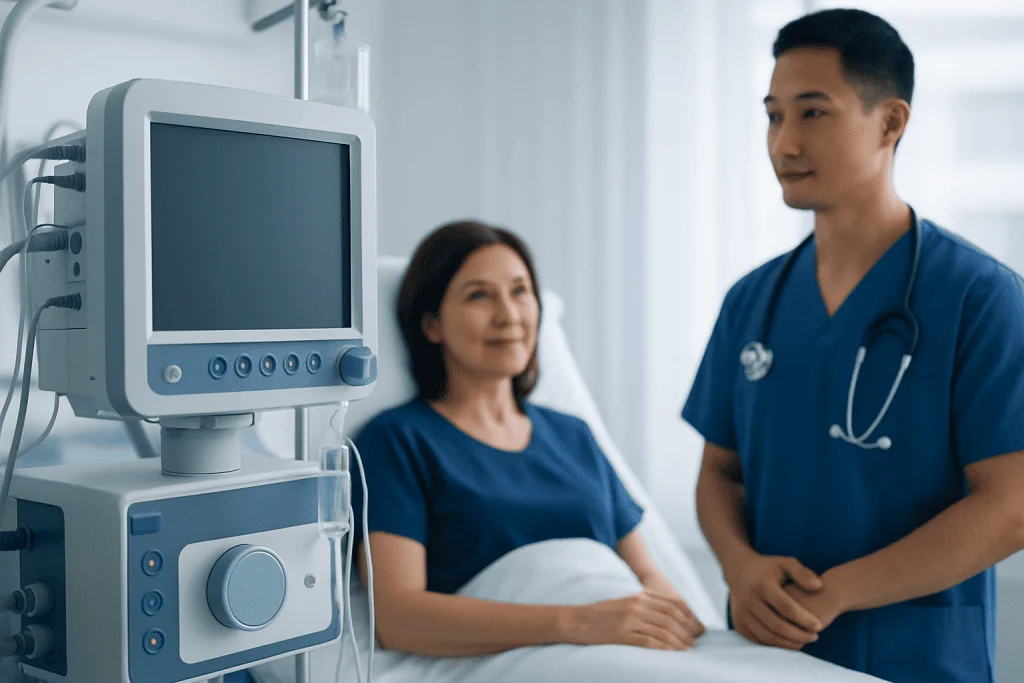
During eustress, the brain and body activate many of the same systems involved in the general stress response. Heart rate may increase slightly, breathing may become quicker, and attention may narrow toward the task at hand. Hormones such as adrenaline and cortisol can rise for a short time, helping with alertness, memory formation, and energy use.
What makes eustress feel different is the context. A person usually sees the challenge as meaningful, achievable, or even exciting. This positive appraisal changes the emotional experience of stress. Instead of feeling trapped or defeated, the person often feels engaged and capable.
In healthy amounts, eustress can help with:
- Motivation to start and complete tasks
- Improved concentration and mental performance
- Greater confidence after overcoming a challenge
- Skill building and adaptation over time
- A sense of purpose, achievement, or personal growth
Even positive stress, however, uses real mental and physical energy. Without recovery, repeated demands may eventually contribute to fatigue, irritability, sleep problems, or burnout. For that reason, the goal is not to maximize stress, but to keep it balanced and sustainable.
Examples of Eustress in Daily Life

Eustress often appears when a person is stretched but not overwhelmed. Common examples include preparing for an exam, practicing for a performance, beginning a fitness program, interviewing for a new role, planning a wedding, or adjusting to parenthood. These situations can be demanding, yet they may also bring enthusiasm, hope, and a sense of progress.
It can also occur during positive health-related changes. Someone starting a rehabilitation plan, returning to exercise after illness, or making dietary improvements may feel challenged in a constructive way. The effort required can feel worthwhile because it is linked to a clear goal and visible improvement.
Children and teenagers can experience eustress too. Learning a new sport, joining a club, or taking on age-appropriate responsibilities may create healthy pressure that supports growth. Adults can help by setting realistic expectations and making sure there is enough rest, encouragement, and structure.
Not every exciting event is purely positive. Big life transitions may include both eustress and distress at the same time. Feeling motivated and nervous together is common, and it does not automatically mean something is wrong.
Eustress vs Distress: How to Tell the Difference
The main difference between eustress and distress is whether the demand feels manageable and whether it leads to growth rather than depletion. Eustress tends to be time-limited, connected to a valued goal, and accompanied by a belief that the challenge can be handled. Distress is more likely to feel threatening, uncontrollable, or never-ending.
Helpful clues that stress may still be in the eustress range include feeling focused, productive, and able to recover after the event. A person may feel tired afterward, but not emotionally drained for days. Sleep, appetite, relationships, and routine self-care usually remain mostly intact.
Stress may be moving into distress when it causes persistent worry, physical tension, panic symptoms, poor concentration, emotional exhaustion, or avoidance of normal responsibilities. Ongoing stress can also overlap with conditions such as anxiety disorders or low mood. In some people, stress contributes to headaches, digestive discomfort, palpitations, or worsening of chronic conditions.
Because symptoms can overlap, it is not always easy to distinguish normal pressure from a medical or mental health concern. If the response feels disproportionate, lasts too long, or interferes with daily functioning, a professional assessment can help clarify the cause and guide support.
What Shapes Whether Stress Feels Positive or Harmful?
Whether a person experiences eustress or distress depends on more than the event itself. One of the strongest factors is appraisal: how the mind interprets the challenge. If the situation seems meaningful and the person believes they have enough skills, time, or support, stress is more likely to feel constructive.
Personal and environmental factors also matter. Poor sleep, illness, pain, financial strain, grief, relationship conflict, and work overload can reduce coping capacity. A challenge that once felt motivating may become overwhelming during a difficult period. This is one reason stress management should be tailored to the individual.
Protective factors include strong social support, realistic planning, regular physical activity, emotional regulation skills, and healthy daily routines. Access to treatment is also important when symptoms suggest a mental health condition. In some cases, a clinician may recommend structured support such as psychotherapy or, when appropriate, a review through psychiatric care.
There is no single “correct” level of stress for everyone. The healthiest goal is a range in which challenge promotes engagement without pushing the nervous system into ongoing overload.
How to Encourage Healthy Eustress
Eustress cannot be forced, but it can be supported by shaping challenges in a realistic way. Breaking large goals into smaller steps often helps the brain read a task as achievable. Clear timelines, practice, and preparation can turn uncertainty into a more manageable form of pressure.
Recovery is just as important as effort. Adequate sleep, regular meals, movement, time outdoors, and periods of mental rest help the stress response switch off after a challenge. Many people also benefit from breathing exercises, mindfulness, journaling, or short breaks during demanding periods.
Practical strategies that may help include:
- Set specific, realistic goals instead of vague high-pressure expectations
- Alternate demanding tasks with brief recovery periods
- Limit unnecessary multitasking when concentration is important
- Use social support, coaching, or professional guidance when facing major changes
- Notice early signs of overload, such as irritability, poor sleep, or reduced motivation
If stress is linked to physical symptoms such as chest discomfort, dizziness, ongoing headaches, or severe fatigue, it is wise not to assume the cause is “just stress.” Medical review may be needed to rule out other conditions.
When to Seek Medical Care
Stress should not be ignored when it becomes persistent or starts to affect health. A person should seek medical care if symptoms last for weeks, interfere with work or school, disrupt sleep, trigger frequent panic-like episodes, or lead to withdrawal from daily life. Professional support is also important if stress is associated with hopelessness, depression, harmful substance use, or thoughts of self-harm.
Urgent medical attention is needed for symptoms such as severe chest pain, fainting, sudden shortness of breath, new confusion, or signs of stroke. These symptoms can have serious causes and should not be explained away as emotional stress alone.
Sometimes the body expresses stress through physical complaints, including headaches, digestive upset, muscle pain, or a racing heartbeat. Depending on the symptoms, evaluation may involve primary care, mental health assessment, or tests such as a general health check-up to look for other contributing factors.
For international patients who need coordinated evaluation, Acibadem International’s multidisciplinary specialists and JCI-accredited hospitals diagnose and treat stress-related health concerns and underlying medical conditions when appropriate.
Frequently asked questions
Is eustress a real medical term?
Yes. Eustress is a recognized term used to describe positive, beneficial stress. It refers to stress that supports adaptation, motivation, and performance when a challenge feels meaningful and manageable.
Can eustress be good for health?
In the right context, eustress can be helpful. It may improve focus, support learning, and encourage healthy action, especially when it is short-term and followed by adequate recovery.
What is the difference between eustress and anxiety?
Eustress usually feels purposeful and manageable, even if it comes with nerves or excitement. Anxiety is more likely to feel excessive, hard to control, and out of proportion to the situation, and it may interfere with sleep, concentration, or daily functioning.
Can positive life events cause stress?
Yes. Even welcome changes such as marriage, travel, a promotion, or having a baby can activate the body’s stress response. This does not always mean something is wrong; it reflects adaptation to change.
How can someone keep stress in the healthy range?
Helpful steps include preparing for challenges, setting realistic goals, sleeping well, staying physically active, and allowing time for recovery. Support from family, friends, or a healthcare professional can also make demands feel more manageable.
When does stress need professional help?
Professional help is appropriate when stress becomes persistent, overwhelming, or begins to affect mood, sleep, work, relationships, or physical health. It is especially important to seek help for panic symptoms, depression, substance misuse, or thoughts of self-harm.
This article is for general information only and is not a substitute for professional medical advice. Please consult a qualified doctor about your individual situation.
Explore treatments in Turkey — costs, top hospitals & a free quote
JCI-accredited · board-certified surgeons · reply within 24h
Add us as a Preferred Source to see more of our trusted health content across Google Search, AI Overviews and Discover.
Check your numbers in seconds
BMI, calories, due date, blood pressure and 30+ more clinical calculators — free, instant, doctor-reviewed ranges.

More from the Health Library

Glutamate: An Evidence-Based Guide for Patients

Serratia Marcescens — Explained by Medical Evidence, Not Myths

Topical Finasteride — Explained by Medical Evidence, Not Myths

Pooping Blood: A Complete Medical Overview

Phytic Acid: An Evidence-Based Guide for Patients